About experiential learning

Engage in experiential learning to acquire valuable skills and to gain a deeper understanding of the complexities of issues related to your field of study. Students in all DNS majors and minors are encouraged to participate in experiential learning opportunities.

Requirement for Global and Public Health Sciences majors/minors

If you are a Global and Public Health Sciences (GPHS) major or Global Health minor, experiential learning is an academic requirement. There are a broad range of opportunities that fulfill this requirement in domestic and international settings. More information for GPHS majors/minors

Internships

Many companies, nonprofits, institutions and government agencies offer hands-on learning opportunities for students. Students are sometimes paid an hourly wage or a stipend for their work. More often, these opportunities are unpaid, with the value of the experience being its own reward. 

Helpful links to start your search:

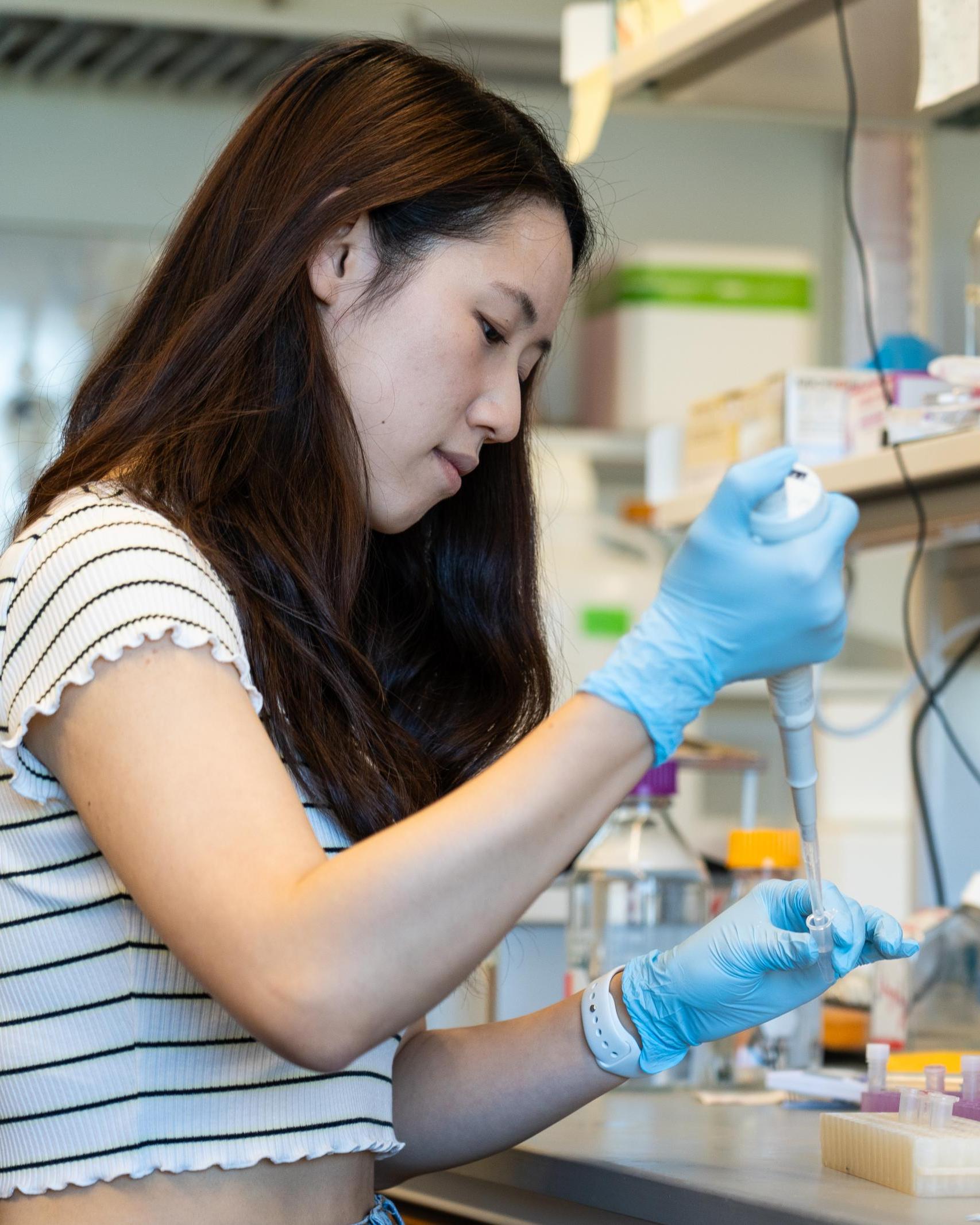
A student fills a pipette in the Shubing Lab.
macros image of a water dropper

Empirical research 

Research involves data collection and analysis or laboratory or studio projects.

Explore opportunities

You'll want to start looking the semester before you plan to begin your research.

Connect with faculty

Connect with potential faculty research mentors to discuss your interest and goals. Most often, students work directly with a Cornell faculty member on a project within or related to the faculty member’s research. 

Additional resources

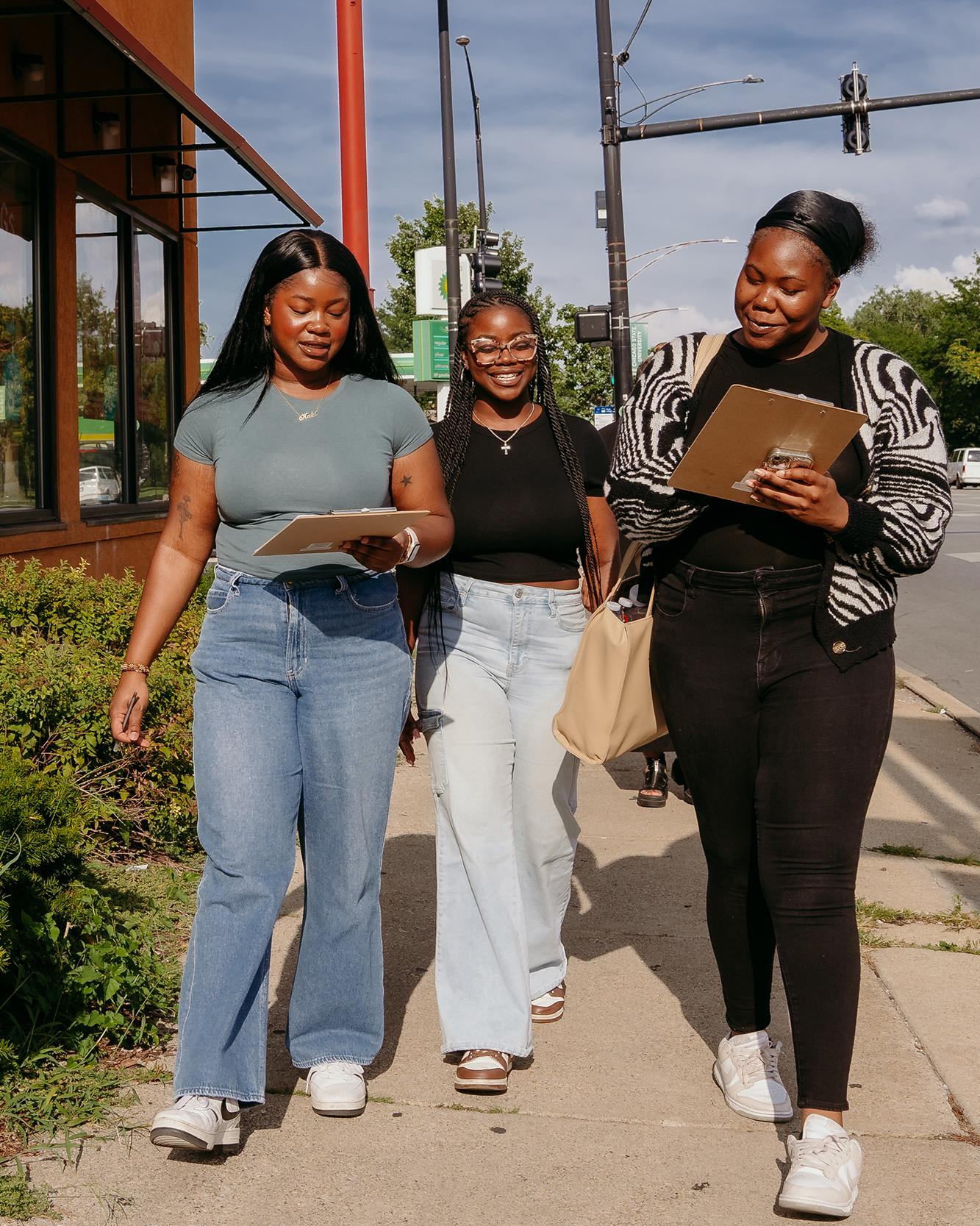
three college students walking down a city street with clipboards

Supervised fieldwork

Structured learning experiences in the real world (i.e., the “field”) help students link theory to practice. Students also learn about communication, team work, goal setting, client needs and the social, economic and political forces that influence professionals who work in the food, nutrition and health fields.    

You may conduct supervised fieldwork in a variety of topic areas and settings. For example:

  • Nutrition and fitness: Serve as a nutrition counselor to student athletes and members of local fitness clubs (advanced nutrition students only).
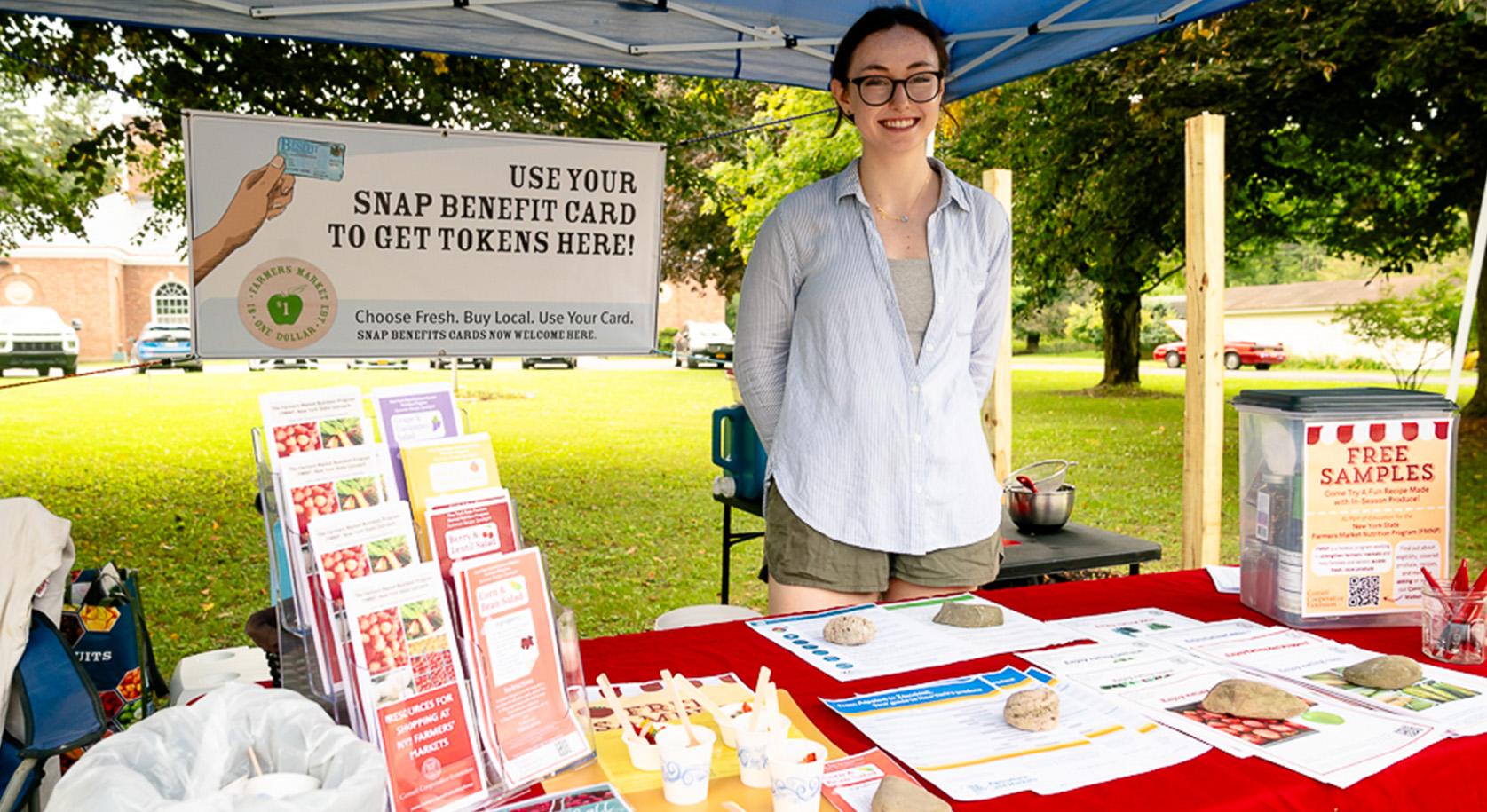
  • Community nutrition: Work with local Cornell Cooperative Extension professionals and others to develop and pilot test educational programs for adults and children.
  • Nutrition and business: Intern with a local software firm to learn about developing and testing food composition databases, dietary assessment instruments and food management programs for use by the healthcare industry.
  • Nutrition and health care: Examine how nutritionists and other health care practitioners treat and counsel patients with different conditions and the many factors that influence how these professionals conduct their work.

For more information, see Participating in Fieldwork through NS 4020.