In Human Ecology, to do the greatest good means understanding and impacting the influences that shape our development and everyday lives. This is the moment to invest boldly in the strategic and scholarly capabilities that will propel our work forward.

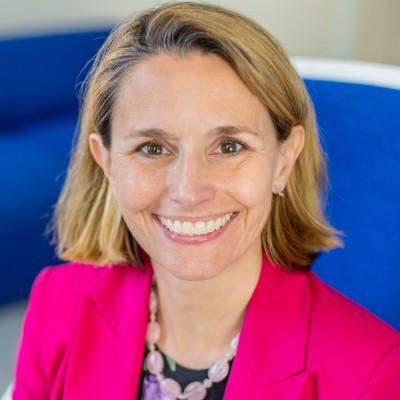
Kim Pietro
Assistant Dean for Alumni Affairs and Development
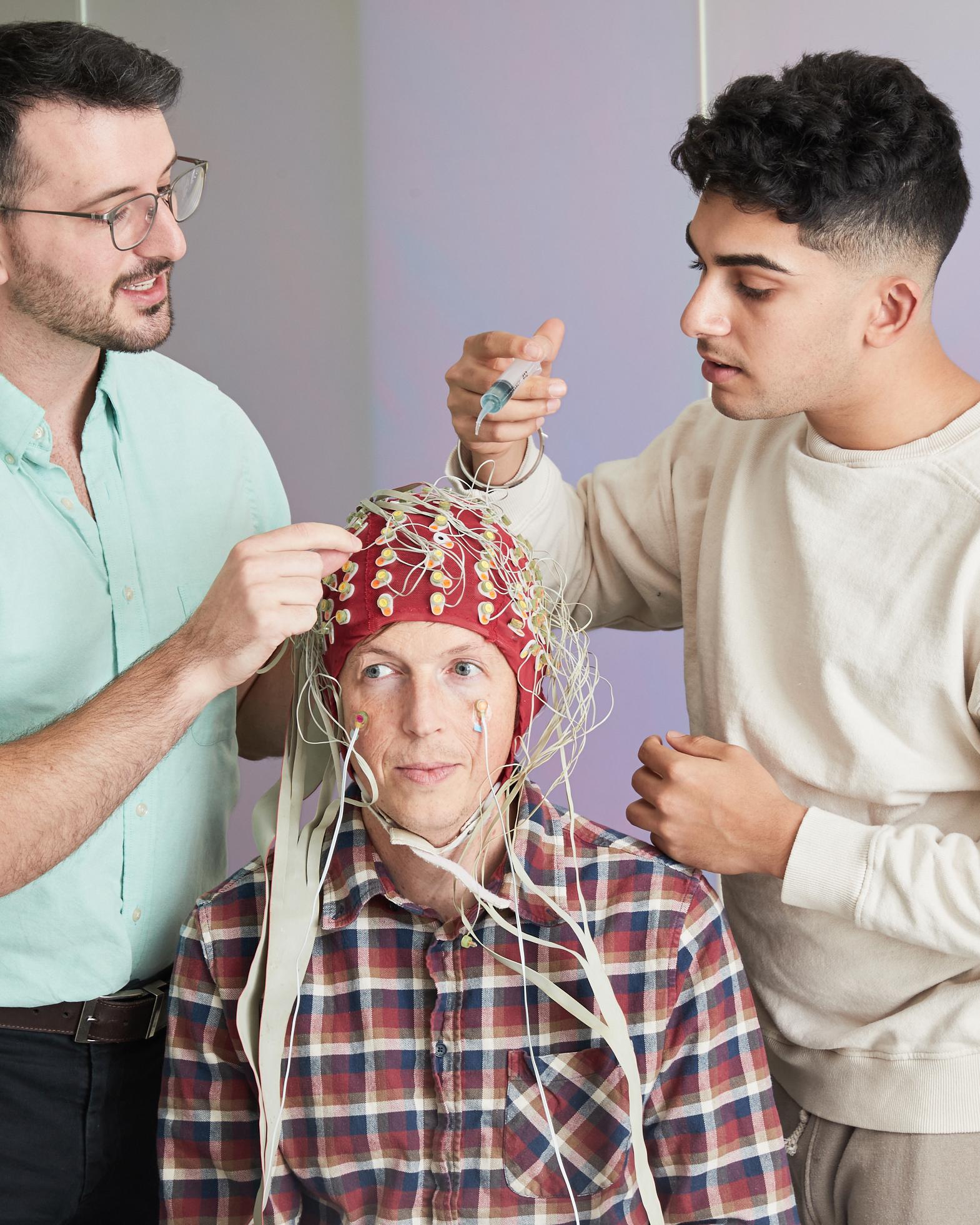
professor and student applying gel to sensors on an eeg cap worn by a test subject
MRI scans

Student affordability

The sustained excellence of our academic community depends on our ability to attract and enroll exceptional students who are passionate about our mission. Expanding the range of life experiences in our student population is a powerful investment and commitment to Ezra Cornell’s founding vision of “Any Person, Any Study.” Our students learn in an environment that prizes diversity across many facets – leading to innovative solutions that encompass a wide range of perspectives to tackle our most urgent contemporary issues.

Make a gift to support student affordability

Financial aid for Human Ecology undergraduates helps Cornell sustain its need-blind promise and removes financial barriers for the most deserving students. Nearly 50% of our students require some financial aid. Ensuring CHE is affordable, and remains so, for our students is best accomplished through adding to our endowed funds, which provide secure, predictable funds in perpetuity. The legacy and impact of a scholarship gift is profound and spans generations, opening doors for highly qualified students who would not otherwise be able to enroll.

As a top-tier research institution, our ability to recruit and support the most promising graduate students hinges on the funding we offer. Graduate fellowships are key to attracting the most talented students from around the world. These students not only bolster our current research and instructional capacity - they are also tomorrow’s academic and industry leaders. To remain competitive when vying for the most promising talent, graduate fellowships are essential to attracting outstanding students to join CHE’s research teams. Even with Cornell’s reputation as a world-renown research institution, financial support is often graduate a student’s top priority. This investment opportunity directly supports graduate students and strengthens activities at the heart of our academic mission, ensuring that we produce the most promising scholars and teachers.

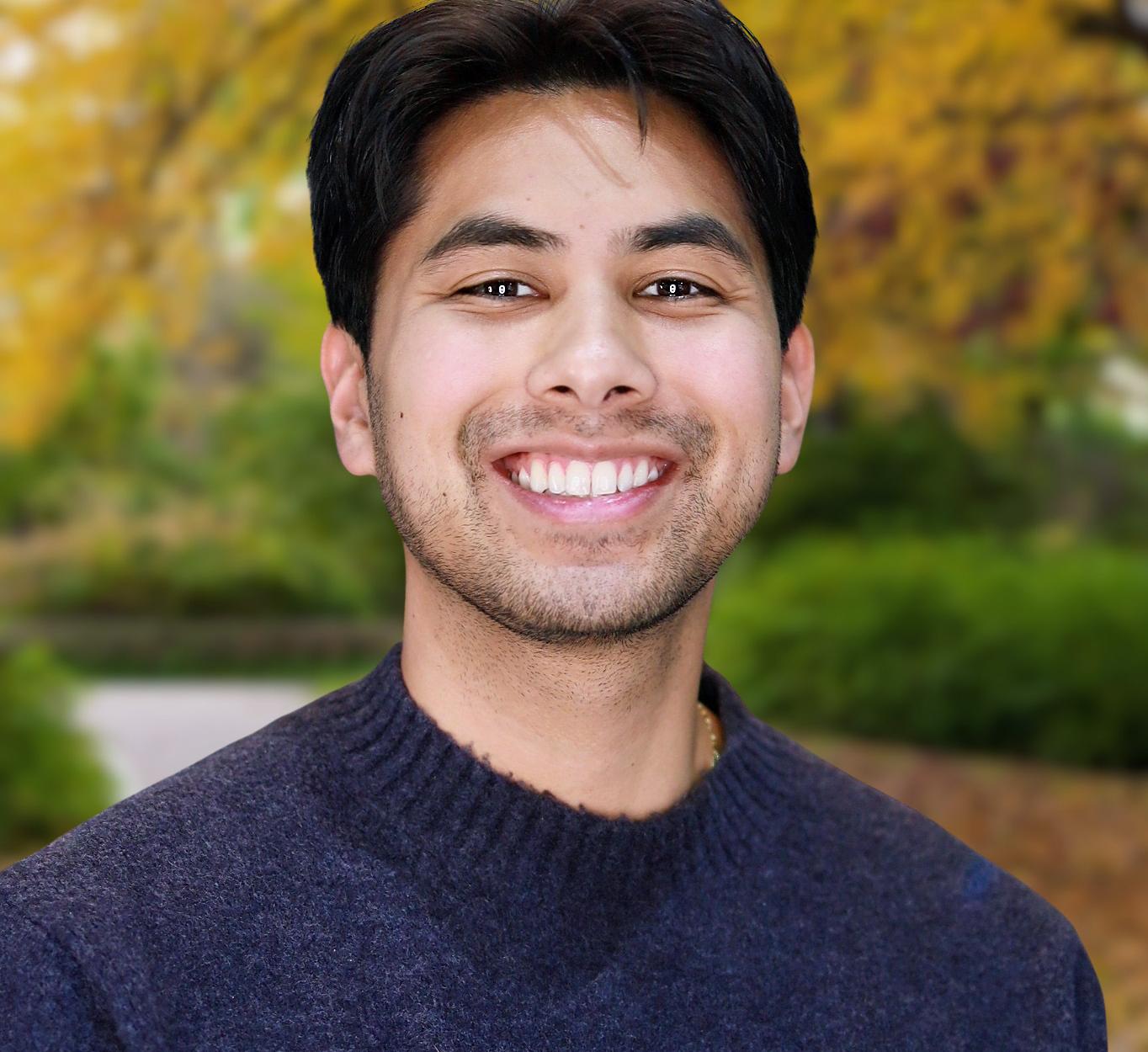
Every breakthrough moment at Human Ecology starts with people like you. As the college marks 100 years of improving lives, your support ensures students like me can continue this vital legacy.

Omeed Moini ’25
Human Development
three people walk down a sidewalk outside of a Popeye's restaurant
red brick residential apartment building facade

Student experience

When reflecting on their Cornell experience, Human Ecology graduates share that what they learned in the classroom came into clearer focus when they were able to apply their knowledge and skills in the real world through experiential learning opportunities. CHE is proud to offer a range of programs that provide students the chance to contextualize their learning. Our goal is that every CHE student participates in an engaged learning before they graduate. This means building out our capacity to provide a broader range of opportunities and offer support to students as they take on a new academic or professional challenge. 

Make a gift to support the CHE student experience

Sustained support for research, internships and other experiences outside the classroom provide more opportunities for students to apply their learning, investigate career options and develop professional networks. Student stipends for summer research and real-world learning experiences are currently limited. Sponsored summer internships provide funding for students who want to take low paying or unpaid internships to pursue their academic or professional interests. This is key to reducing barriers for students who may not have the financial means to forego summer earnings. Cornell Cooperative Extension (CCE) internships focus on building relationships with community partners to implement programs that can improve human health and well-being, providing our students the opportunity to have a positive impact across New York State.

In July 2023, Dean Rachel Dunifon announced that Professor Tashara Leak would serve as the inaugural Associate Dean for CHE in NYC. Formerly known as the Urban Semester program, in 2024 CHE launched an eight-week summer internship program in New York City (NYC) for rising juniors and seniors, underscoring our commitment to community-engaged learning and professional development. The CHE in NYC summer internship program:

  • Empowers students with career-ready skills—providing hands-on learning experiences in NYC, students are equipped with professional development and interpersonal skills essential for their careers.
  • Aligns with CHE’s vision for growth—The program directly supports CHE's strategic goals, particularly in expanding its presence in NYC and fostering leadership in key fields like health, sustainability, and technology.
  • Creates lasting impact—By growing the program to support 25 students across five specialized tracks by 2028, it builds a pipeline of future leaders who will make a lasting impact in communities around the world through their CHE disciplines. 

For our vision to succeed, Cornell Human Ecology must cultivate a connected and unified presence in New York City, defined by a network of people and programs delivering our mission as the publicly engaged college of the future. Current use funding will allow us to secure space and resources for faculty and students to bridge connections between Ithaca and NYC.

Students learn the most about the world — and will eventually contribute more to it — by thoughtfully interacting with more of it.

Anthony Burrow
Ferris Family Associate Professor of Life Courses Studies and Director of the Bronfenbrenner Center for Translational Research
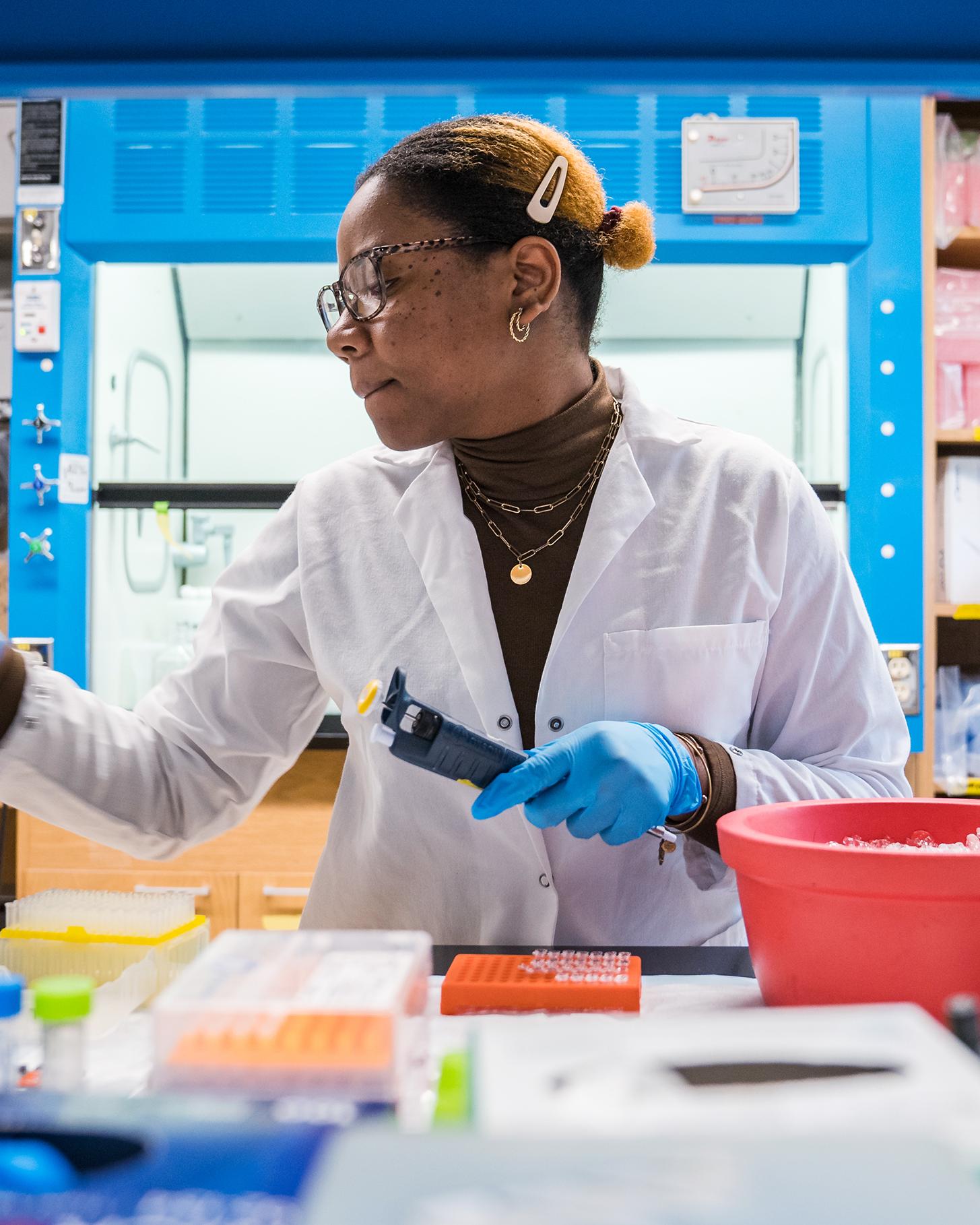
student in a lab coat working in a lab

Research and professorships

Cornell Human Ecology has been dedicated to research for the public good since its founding in 1925. CHE's interdisciplinary curriculum and research transcends traditional academic disciplines, requiring timely and strategic investments in our faculty, learning spaces and courses. 

Make a gift to support research and professorships

Offering endowed positions to outstanding faculty helps the college recruit and retain top scholars whose work informs the future of human health and well-being and shapes the education and career trajectory of our students. As CHE works to attract both early-career and established researchers to join the college, it is vital that we reward and recognize excellence with the honor of named professorships. These endowed chairs are also used to retain our current faculty, as this distinction reflects the central role their leadership and expertise have in the work happening in the college.

"Research for the public good" is not just a motto in Human Ecology, it is at the core of the questions we explore, the partnerships we build to research in the real world, and our commitment to move quickly from idea to impact. Recent breakthroughs by our researchers include a revolutionary new process to recycle polyester textiles, the development of mobile diagnostics to pinpoint nutritional needs on the ground in developing countries, and a holistic, evidence-based approach to rebuilding families affected by opioid addiction. While our faculty leads these efforts, Human Ecology's research is propelled by collaboration with graduate assistants who review literature, conduct experiments, and analyze
results.
 

There is clear evidence that undergraduate research opportunities are a key predictor of student outcomes across the country. The NIH conducted a study that found undergraduates who participated in research not only improved academically but also gained skills applicable in all areas of life, such as self-confidence and resilience. CHE is extraordinary in that close to 80% of our undergraduates participate in research. Working collaboratively with faculty, students learn from top scholars about the elements of study design and refinement, participant recruitment and consent, and data analysis. 
 

Undergraduate research has been a defining part of my Cornell experience. I've gained valuable skills in research, science communication, and project management. Even more meaningful has been the mentorship and friendship that I've found - experiences that I'll carry with me long after graduation.

Jiayi Guo '26
Design + Environmental Analysis

Human Ecology Annual Fund

Gifts to the Human Ecology Annual Fund provide flexible and immediate funding to the people and programs whose innovative and interdisciplinary work tackles some of the most challenging issues we face today. Virtually every program in the college benefits from the Annual Fund, from undergraduate financial aid to the student experience, faculty research and public engagement. Annual Fund support empowers Dean Dunifon to launch innovative programs, enhance our learning environment, and meet unexpected needs.


Make a gift to the Human Ecology Annual Fund
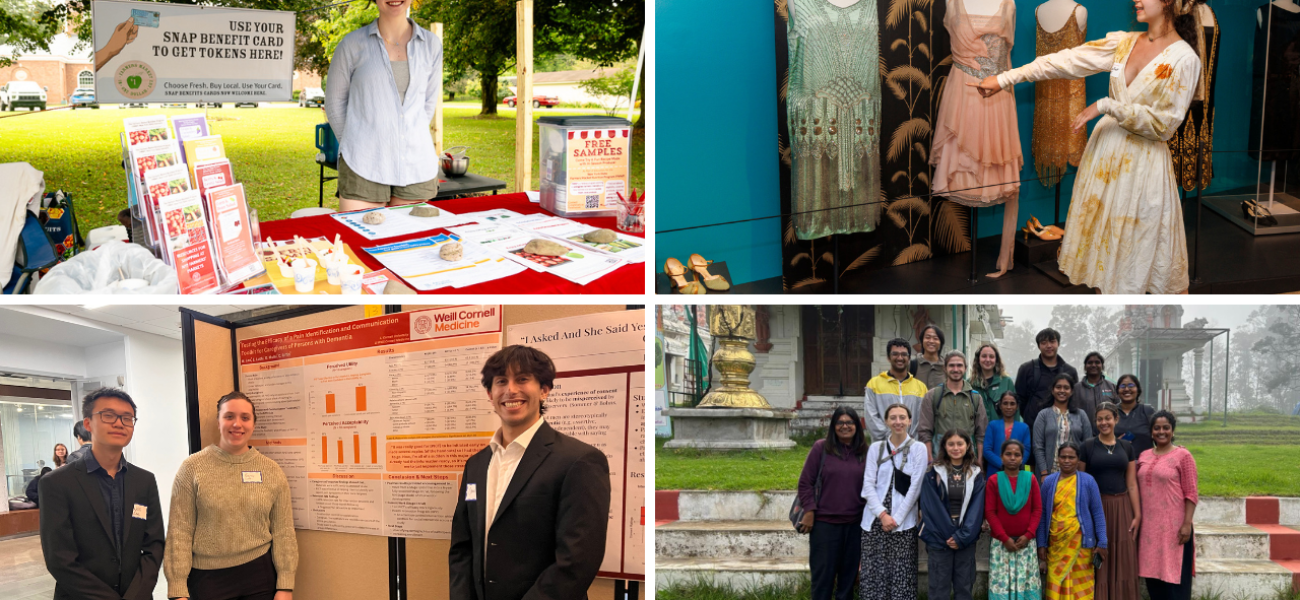
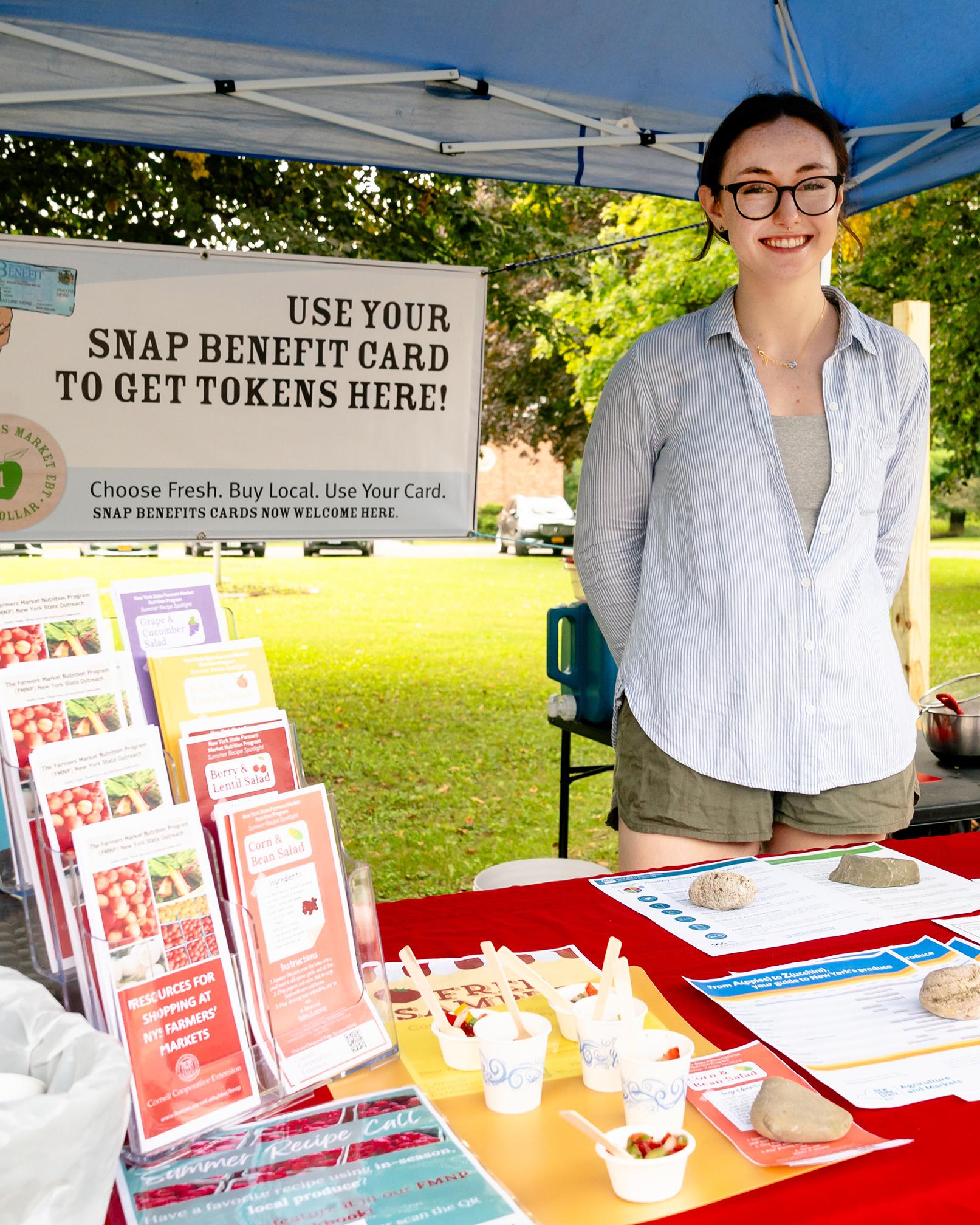
college student standing at a farmers market table with information on SNAP benefits
close up of purple cabbage

Having the resources to say ‘yes’ when a scholar comes to me with a great idea makes all the difference; the annual fund allows me to do that. Your gift bolsters faculty hiring, supports trailblazing research and funds transformative experiential learning opportunities for our students — all in the name of improving human lives.

Rachel Dunifon
Rebecca Q. and James C. Morgan Dean

I am grateful for the alumni and friends who will invest in the people, programs and places that enable our college to do the greatest good.

Rachel Dunifon
Rachel Dunifon
Rebecca Q. and James C. Morgan Dean