Overview
The Metabolic Kitchen is equipped for the design and preparation of a wide range of research diets. The kitchen and food storage area are fully equipped and suitable for controlled feeding studies. The Alumni Metabolic Dining Room can accommodate up to 24 research participants.
Mandy Bates, Food Labs Manager, oversees the HMRU research kitchen and dining area, ensuring food safety compliance, coordinating facility use, and assisting faculty in developing metabolic research menus tailored to specific study requirements. Researchers interested in conducting controlled feeding studies or utilizing the kitchen and dining facilities are encouraged to contact Mandy Bates at ajb439 [at] cornell.edu for additional information.
Available services:
- Controlled feeding study support
- Recipe testing and menu development
- Culinary skill support and training
- Space for meal preparation and storage
- Participant dining space for up to 24 individuals
- Food safety and regulatory compliance support
The Nell I. Mondy Laboratory houses equipment to support studies of human performance, energy expenditure, and metabolic function. Available resources include systems for assessing oxygen consumption and energy expenditure through indirect calorimetry, providing a foundation for future exercise physiology and metabolism research.
In addition to these capabilities, the laboratory includes a private research space designed for infant anthropometric assessments and biological specimen collection, including breast milk, saliva, and other noninvasive samples. The space can also be used for participant interviews, survey administration, and as a comfortable waiting area between study procedures.
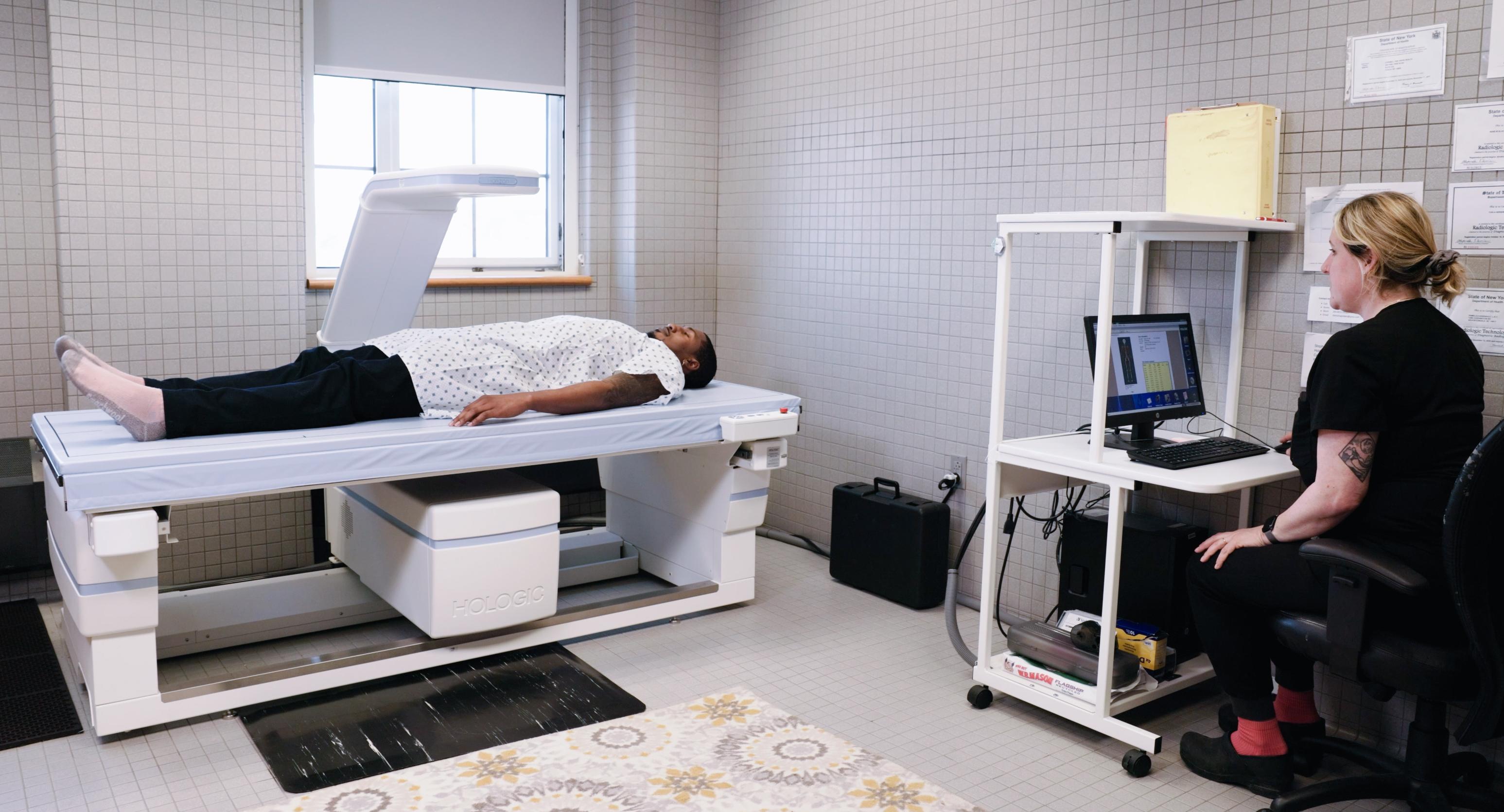
The Body Composition Laboratory contains instruments to assess body fat, fat-free mass, and bone mineral content through densitometry and anthropometry. The laboratory includes examination rooms, a Dual Energy X-ray Absorptiometer (DXA), bioelectrical impedance analysis (BIA), and a Bod Pod. Anthropometric measurements are also available.
At this time, DXA scanning is available only to participants enrolled in IRB-approved research studies conducted through the HMRU. DXA services are not available for the general public, Cornell staff, students, or athletic teams.
For inquiries regarding the use of the DXA for animal research, please contact the HMRU Manager directly.
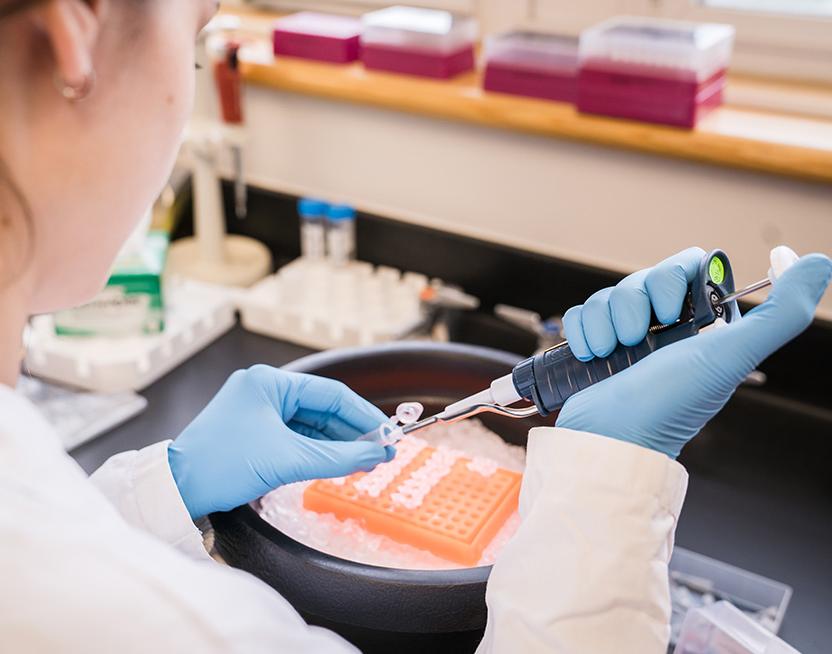
We offer a range of clinical research procedures, including venipuncture, intravenous (IV) catheter insertion and blood collection, oral glucose tolerance testing (OGTT), mixed meal tolerance testing (MMTT), continuous glucose monitoring, blood glucose point-of-care testing, hemoglobin point-of-care testing, fat and muscle biopsies, ultrasound procedures, biological specimen collection and processing, and more. Our clinical research space is designed to support a wide variety of human nutrition, metabolism, and clinical research protocols.