Interdisciplinary undergraduate majors
Explore the most significant public health issues of our time, across disciplines and beyond borders.
Examine human health from a whole new perspective, considering how our external world affects our well being.
Dig into our complicated relationship with the food that fuels us — from individual diet to community access and education.
Examine how our bodies use the food and nutrients we consume with this concentration for Biological Sciences majors.
Develop the knowledge and skills to pursue a career as a Registered Dietitian Nutritionist (RD/RDN).

Rigorous graduate programs
Through the graduate field of nutrition, we offer a research-based master’s degree and a Ph.D. We also offer an ACEND-accredited Dietetic Internship for people interested in the RD/RDN credential.
Research that improves lives
From cells to society, our faculty and students are at the forefront of nutrition research.
Leveraging Cornell’s strengths in AI and technology innovation, the Joan Klein Jacobs Center for Precision Nutrition and Health aims to connect individual-level nutrition guidance to population-level policies and bridge academic research to create practical applications.
Angela Odoms-Young uses her research in the social and structural determinants of dietary behaviors to help people live healthier lives. She leads extension programming in nutrition for New York and helps shape national policy as part of groups like the 2025 Dietary Guidelines Advisory Committee.
Kimberley O'Brien and Alexa Barad, Ph.D. ’24, have found that people of East Asian ancestry have greater risk of elevated iron stores than people of Northern European ancestry, putting them at higher risk of chronic conditions such as heart disease, Type 2 diabetes, liver disease and cancer.
from cells to society
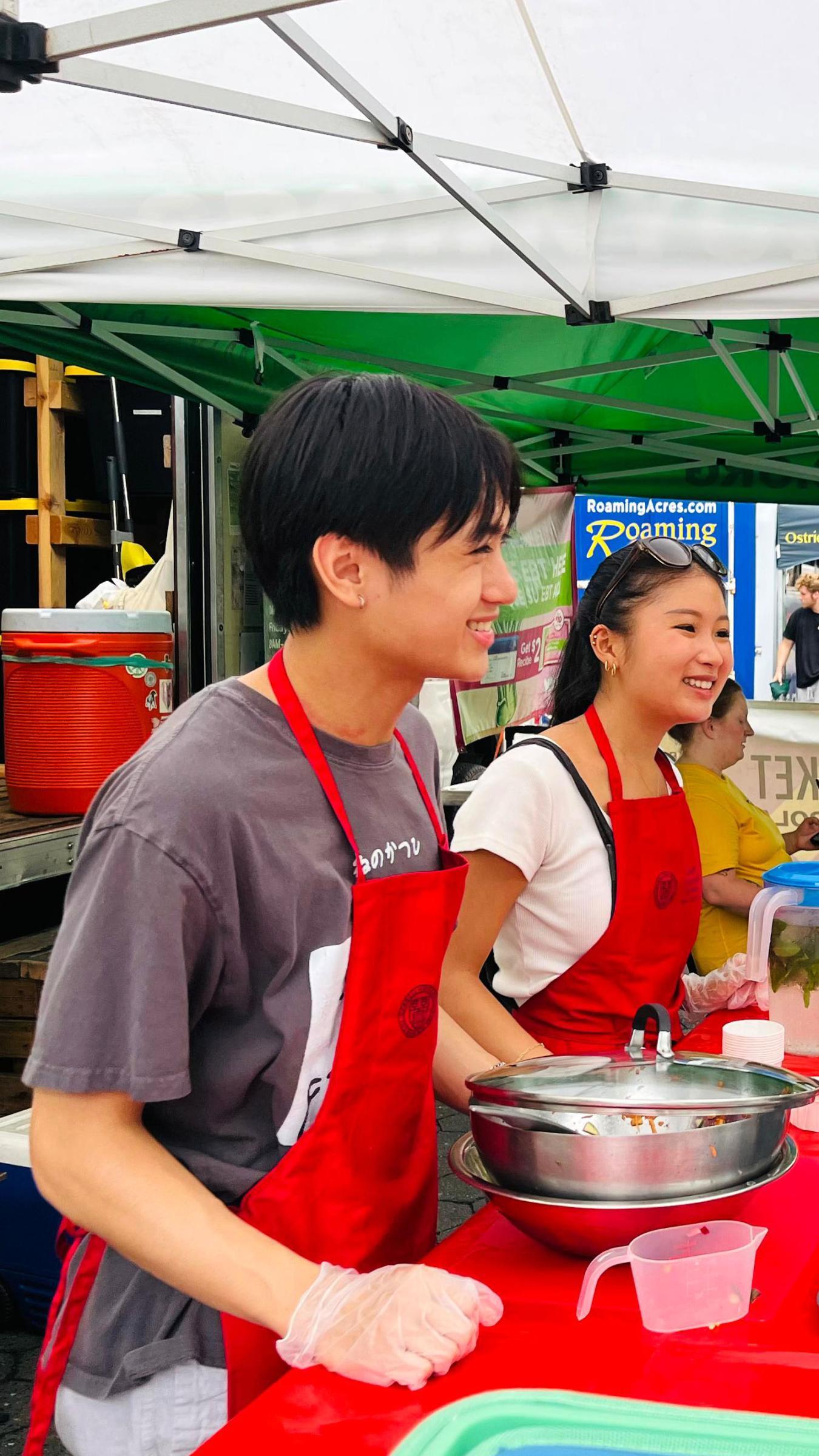
Cooperative Extension. The main mission of the Farmers’ Market Nutrition Program is to enhance the health of at-risk New Yorkers such as low-income communities and senior citizens, and to also promote nutrition education and food skills for everyone overall. Growing up in New York City, there are a lot of neighborhoods which I have never explored before, and this internship gave me the opportunity to engage with communities which I have never engaged with before. One of the main takeaways from this internship was how to be culturally competent in public health settings, because it's crucial to have an open mind and be ready to unlearn any biases to share meaningful stories and to truly engage with the communities you serve. This was a very valuable experience because it was amazing to see how how many community members were grateful to learn new ways to build healthy habits, and to build a balanced diet.
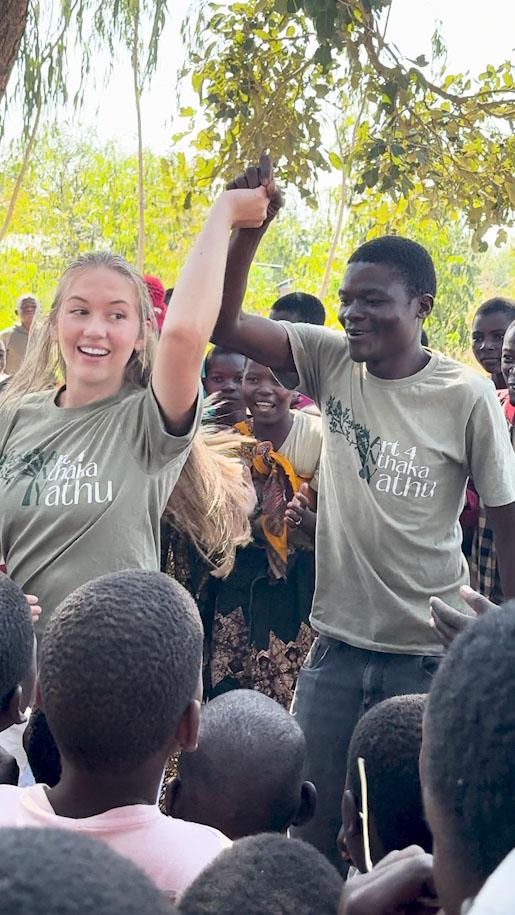
local schools across the district and paired them with our original youth climate champions as mentors. Despite shifts in funding, support from Cornell Human Ecology and a GoFundMe campaign I created helped us keep the program running. Students designed creative, actionable climate projects, presented them to village leaders and even received seed funding to make their ideas real. Through role plays, murals and creative exercises, students explored climate change, health and local solutions in ways that felt hands-on and meaningful. It reminded me that even across continents,
creativity, connection and care can spark real change.
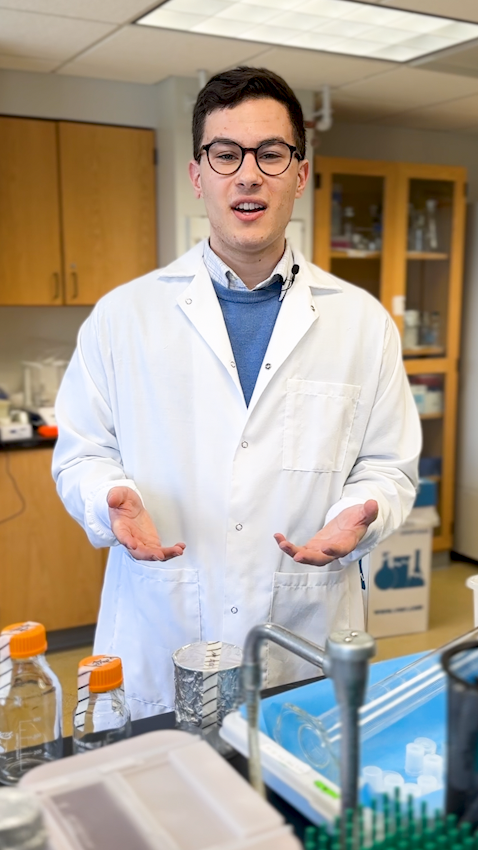
we centrifuged, or spun down, our samples and that separated out the plasma in the serum from our actual red blood cells. So then we can isolate the serum, and next time, look at our iron levels, to see if there's anyone who has iron deficiency anemia or other diseases. We looked at our blood glucose levels, which was really cool to see. And I have never figured out what my blood type was, so it was cool to see that I’m B positive, which is a good mantra for
life, just to be positive.
we examine the human condition