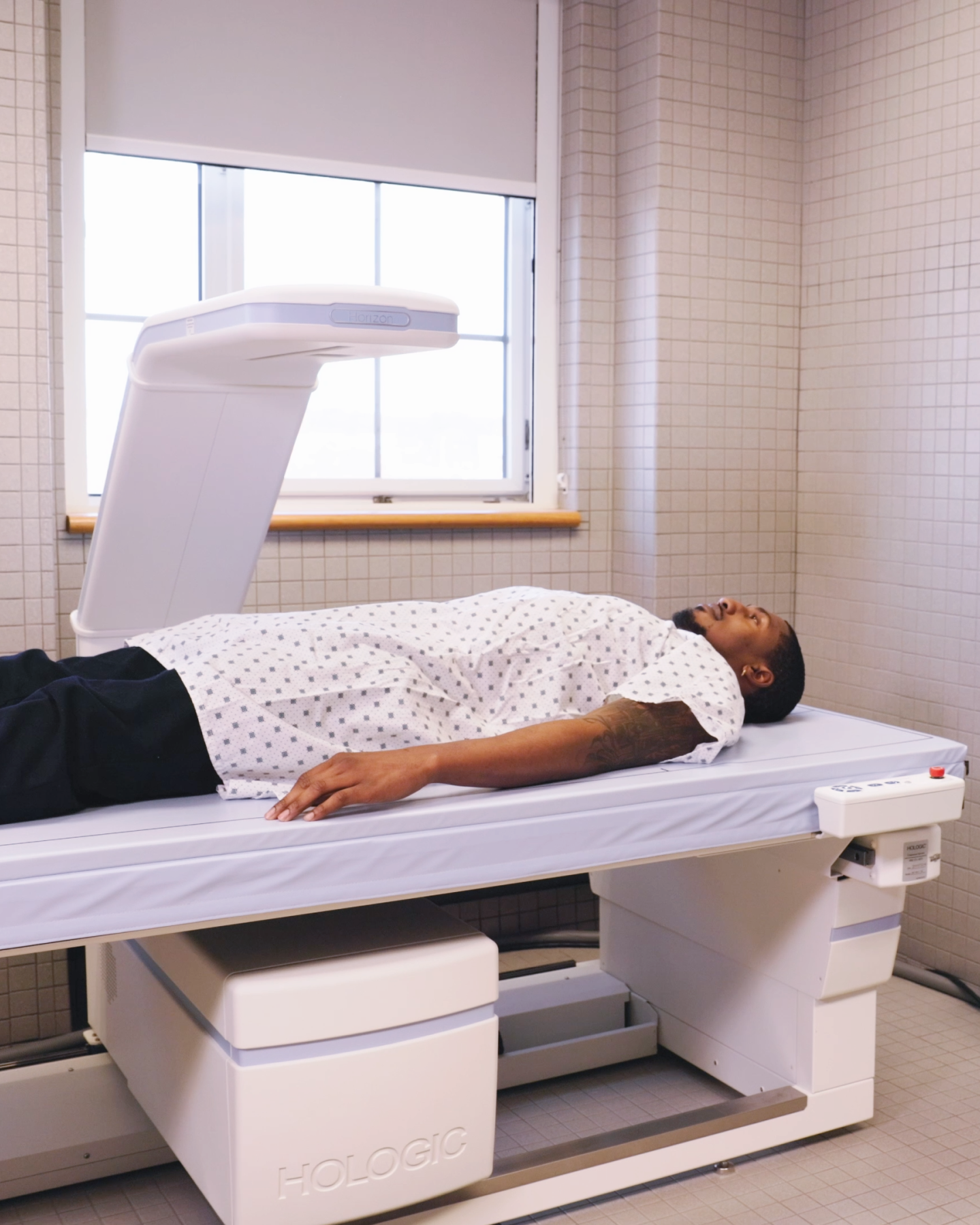
man lying on a dexascanner in a lab
purple tinted image of the inside of a bone

Human Metabolic Research Unit

The Frances A. Johnston and Charlotte M. Young Human Metabolic Research Unit (HMRU) is a 3,830-square-foot unit with specialized laboratories and facilities that support comprehensive nutrition and metabolism research on human subjects. The HMRU supports research on dietary intake, human metabolism, dietetics, reproductive physiology and clinical chemistry, as well as studies on human performance and assessment of body composition and bone mass. It is a shared resource for nutrition research and education in the DNS and is administered through the office of the DNS director.

All research conducted in the HMRU is approved by Cornell University's Institutional Review Board (IRB) and subject to various HMRU policies and standard operating procedures. Any faculty member acting as the principal investigator or the supervising faculty member of any project being conducted in the HMRU is responsible for all aspects of the scientific conduct of the project.

Nutritional Chemistry Laboratory

The Nutritional Chemistry Laboratory provides comprehensive analytical support to researchers within the Division of Nutritional Sciences (DNS) and the broader Cornell University community. Our mission is to deliver high-quality and reliable biochemical and molecular measurements that enable cutting-edge research in nutrition, metabolism, and physiology.

The Team

Research Specialist – Clinical Chemical Analyses

Vicky Simon, vas34 [at] cornell.edu (vas34[at]cornell[dot]edu)

Research Specialist – Chromatographic Analyses

Olga Malysheva, ovm4 [at] cornell.edu (ovm4[at]cornell[dot]edu)

Team Coordinator

Philip Ruppert PhD, pmr96 [at] cornell.edu (pmr96[at]cornell[dot]edu) 

Analytical equipment

  • Two clinical analyzers
  • Siemens IMMULITE 2000 Immunoassay system
  • Siemens Dimension Xpand Plus Integrated Chemistry System

Hematology equipment

  • Beckman Coulter AcTDiff2 hematology analyzer

Chromatographic and mass spectrometry equipment

  • Single Quadrupole GCMS
  • Triple Quadrupole LCMS
  • Orbitrap high-resolution LCMS

Additional equipment

  • Luminex Magpix Multiplex system
  • Biotek plate reader and washer
  • Lipoprint Lipoprotein Subfractions Testing System
  • Parr Bomb Calorimeter

Contact

For questions, additional information, and sample submission contact: dnsnutchemlab [at] cornell.edu (dnsnutchemlab[at]cornell[dot]edu)

Cellular and Molecular Laboratory

The Cellular and Molecular Laboratory consists of adjacent laboratory spaces for cell culture, microscopy, histology, and cell/DNA/RNA/protein. This lab consolidates the shared equipment for cellular and molecular research within DNS. 

Equipment

  • Cytek Aurora flow cytometer and sorter
  • Seahorse XFe24 Analyzer
  • Biorad Chemidoc MP imaging system
  • Leica MICA automated microscope for widefield and confocal imaging
  • Leica cryostat
  • BioTek Lionheart FX Automated Microscope
  • Qiagen Tissuelyzer
  • several Applied Biosystems Quantstudio real-time PCR machines
  • GentleMACS Octo Dissociator
  • Spectramax plate reader for absorbance, fluorescence and chemiluminescence

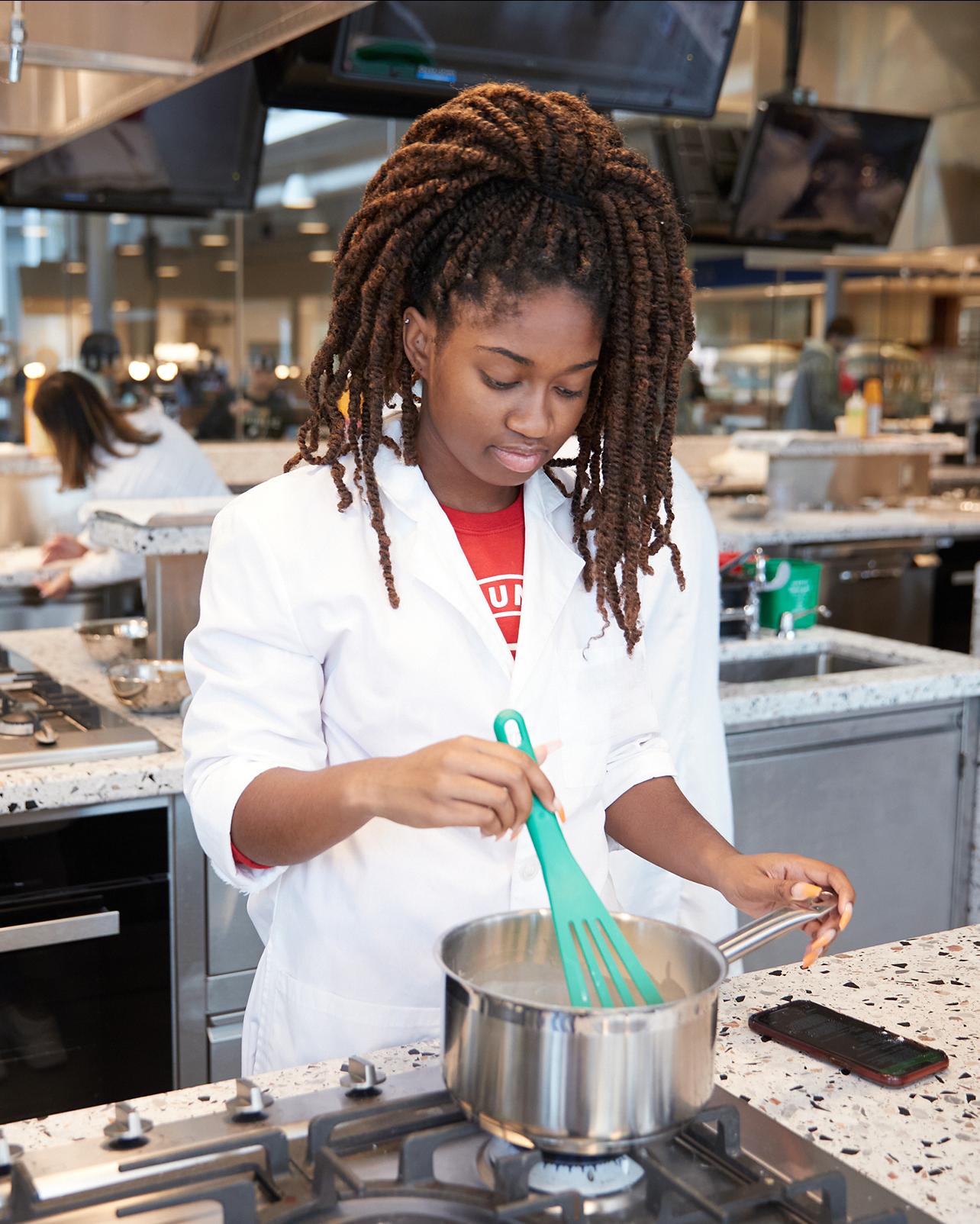
Discovery Kitchen

The Discovery Kitchen, which opened in the spring 2022, is the state-of-the-art teaching kitchen operated by Cornell Dining and Cornell Human Ecology through DNS. 

Located in Morrison Dining Hall on North Campus, the kitchen is used for NS 2470 Food for Contemporary Living, NS 4250 Nutrition Communication and Counseling and the Cornell Dietetic Internship. In addition, it is used throughout the year for nutrition and dietetics events. 

Multiple workstations are fully equipped with the latest equipment for students. There is a demonstration station with advanced audio-visual equipment, and overhead monitors throughout the kitchen to enhance teaching and engagement.

student in a white lab coat working in a modern large teaching kitchen
red tinted image of a stack of peppers
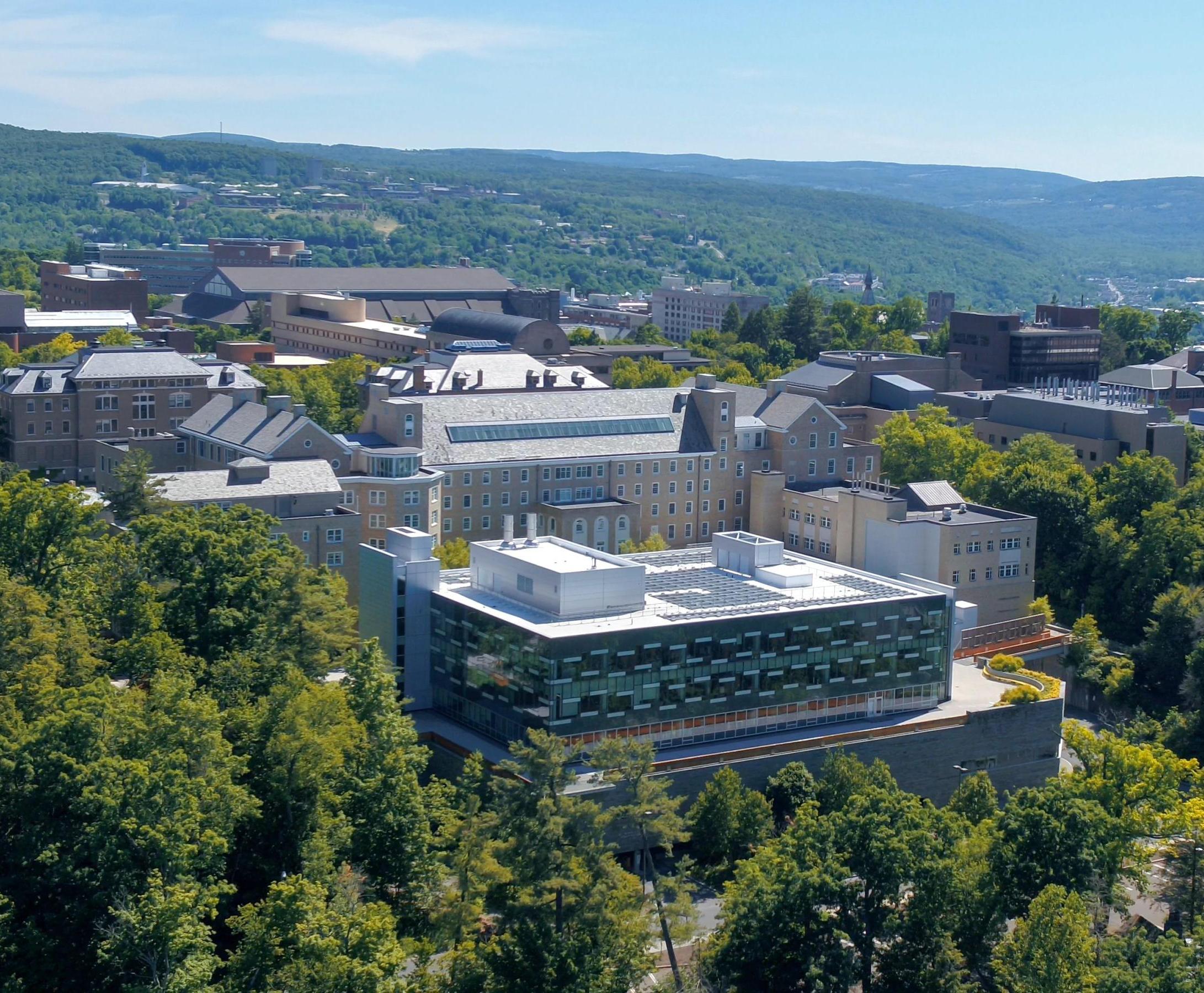
Aerial view of central campus

University facilities

Cornell's facilities, laboratories, institutes and centers support a unified, multidisciplinary research and innovation ecosystem across our campuses in Ithaca, Geneva and New York City.