

Program types to consider
Direct enroll
Students enroll directly with another college or university. This option offers a fully immersive experience with access to that institution’s full course catalog. Students must be independent and speak the language of instruction fluently if the courses are not taught in English.
Third-party providers
American institutions offer courses abroad, often in non-English-speaking countries. They provide many opportunities without language fluency requirements and allow students to build rapport with a smaller cohort. Course options may be more limited.
Internship or field-study programs
Ideal for students seeking hands-on experience. Coursework is still required, but classes help students analyze and support the fieldwork.
CHE prioritizes deep cultural immersion and does not permit multiple-country programs, except for a few comparative options.
A full semester or a few weeks
Short-term global experiences are also available, with winter and spring break opportunities, international courses and summer programs.
Students in the Global and Public Health Sciences major and Global Health minor are required to complete an experiential learning opportunity. About one-quarter of students in these programs choose an international experience.
Again, plan early. Cornell evaluates applications in two rounds, and some programs will fill up in the first round. Applying by the first deadline gives you the best chance of finding your ideal match. Semester-long programs can be eligible for financial aid.
CHE student experiences
Jess Agran ’27
Fashion Design Management
Università Bocconi Milano CHE exchange program
What is your global learning experience?
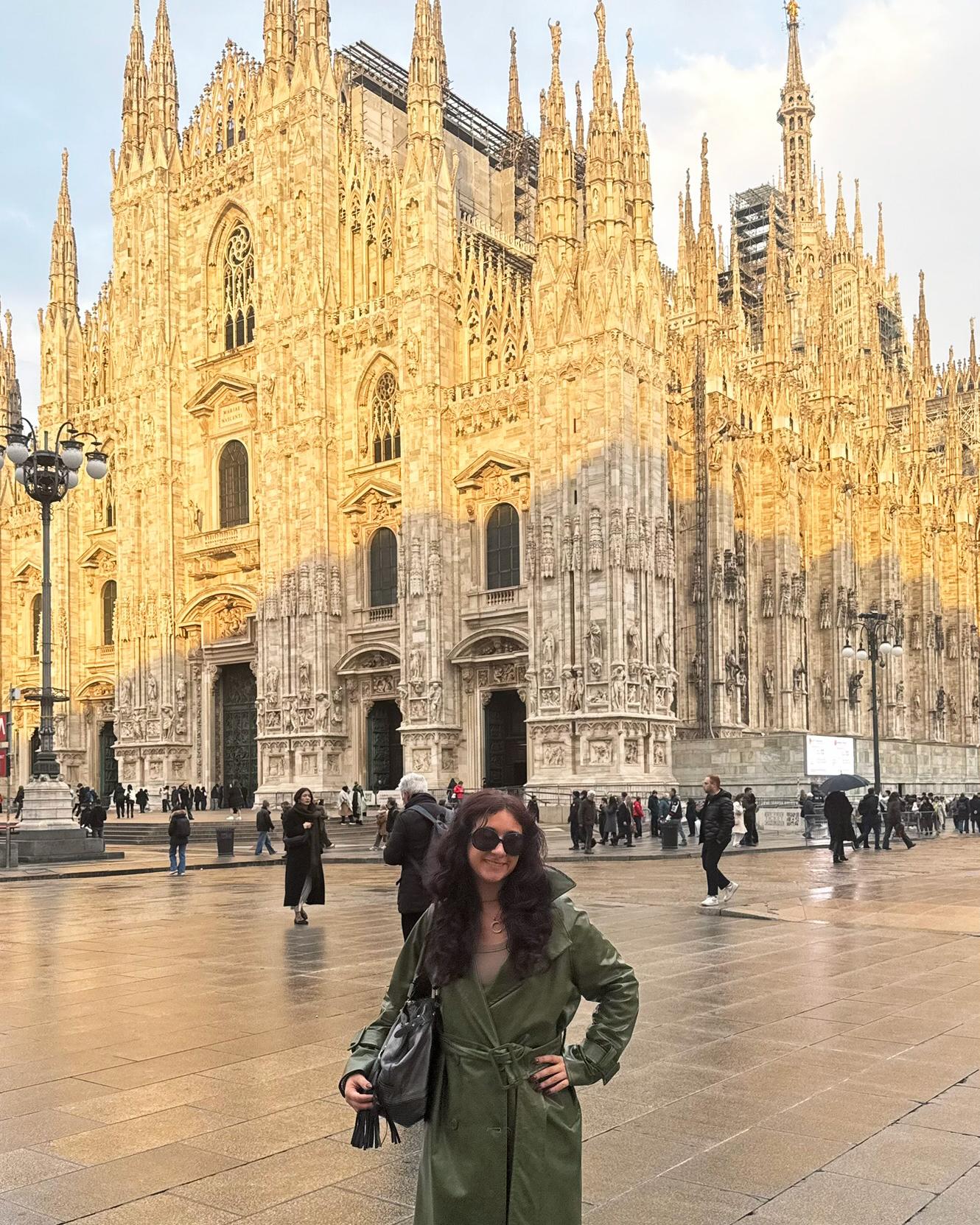
I’m studying abroad in Milan focusing on fashion and business. My program is offered in both English and Italian, but I am taking it in English.
What was your global learning experience goal?
I wanted to immerse myself in a new and exciting cultural environment. I chose Milan for its amazing metropolitan offerings and the chance to have a more local experience. I also picked this location because it allowed easy travel opportunities to other countries. Overall, I wanted to fully engage with the Italian way of life.
How does it relate to your major?
Milan is one of the fashion capitals of the world. The dedication to chic styling and superior leather goods production allows for a stronger understanding of European fashion. People watching, trend forecasting, and engaging with the fashion scene have given me a hands-on education.
A major highlight was experiencing Milan Fashion Week. Talking to photographers, influencers, and other related professionals was so much fun. Hearing their stories and getting a glimpse into the career I dream of is inspiring.
Do you have advice for other students?
Push yourself to embrace discomfort. I chose Milan despite knowing that I would arrive knowing no one. It was scary, but absolutely worth it. I’ve met amazing people, and this experience has created space for self-reflection and growth. Milan has truly become my happy place.
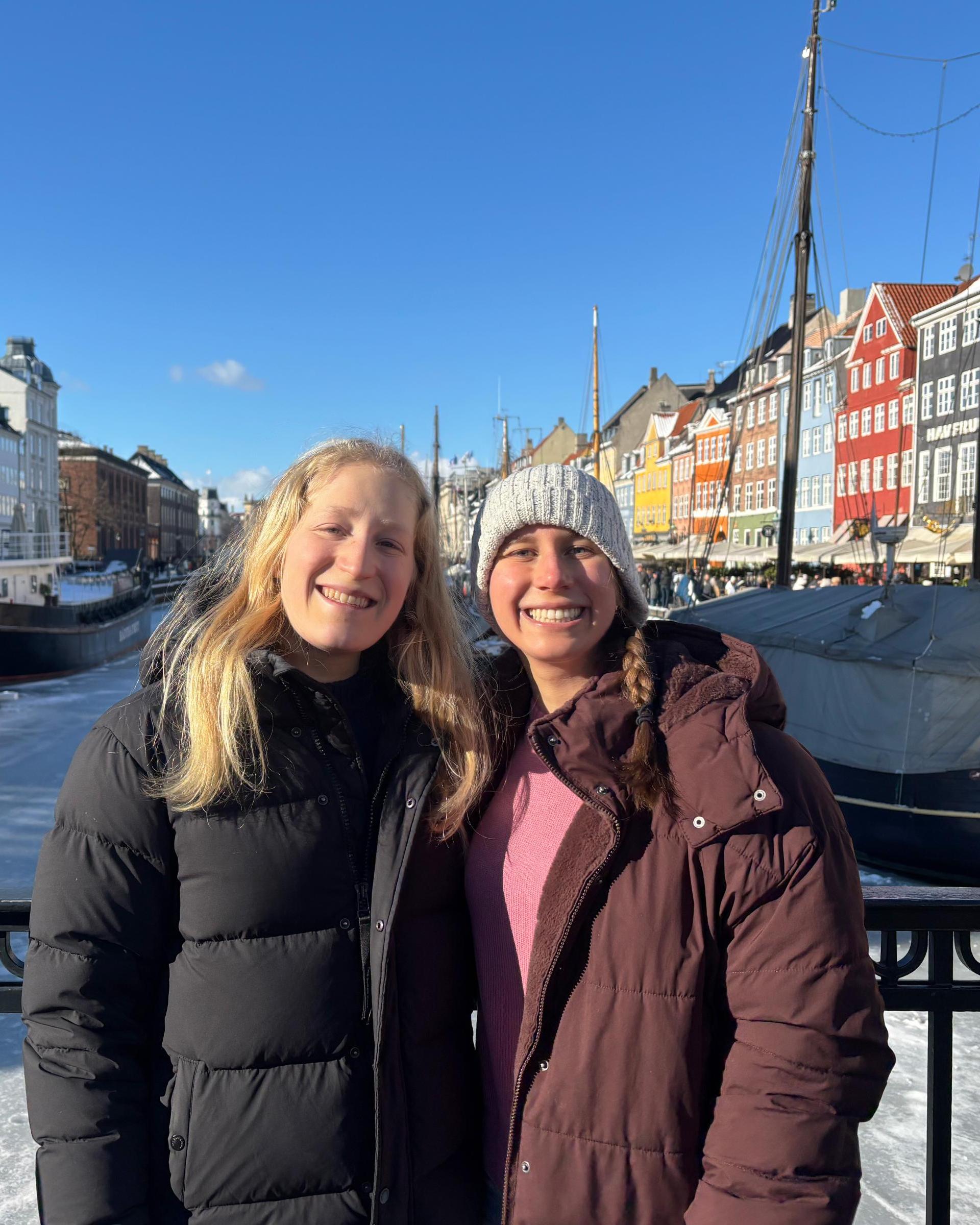
Zoe Grotegut ’27
Human Biology, Health and Society
DIS Copenhagen
What was your global learning goal?
I wanted to use this semester to explore new interests and gain experiences that would make me a better student when I return to Cornell. I also have a passion for travel and hoped to use this opportunity to explore the world and connect with people who share that passion. I wanted to build relationships across the globe that I wouldn’t have been able to form solely from the U.S. or Cornell.
How does it relate to your major?
My core class is Human Health and Disease from a Clinical Approach, designed for students on a pre-med or pre-health track. It aligns well with my major because we are learning hands-on medical skills such as suturing, intubations, IV insertions and emergency medicine skills.
Share one takeaway or highlight from your experience:
I was placed in a small Kollegium — a dorm where study abroad students and local Danish students live together. I love having a house to come home to and building relationships with other students. We enjoy bike rides, polar plunges, baking, game nights and exploring Copenhagen. These people have become my closest friends abroad, and I know that these relationships will last beyond this semester.
Do you have advice for other CHE students?
Branch out and build relationships with locals in your host city in addition to other study abroad students. These connections help you to feel more immersed in the culture and have a stronger connection to the place that you’re living. The experiences that have meant the most to me are the ones rooted in everyday life.
Katrina Samuda ’26
Human Development
SIT Cities in the 21st Century: People, Planning and Politics
What was your global learning experience goal?
I wanted to do something different from my HD major. My goal was to see people in different places, learn how they create community, and work to fill gaps.
Describe your program:
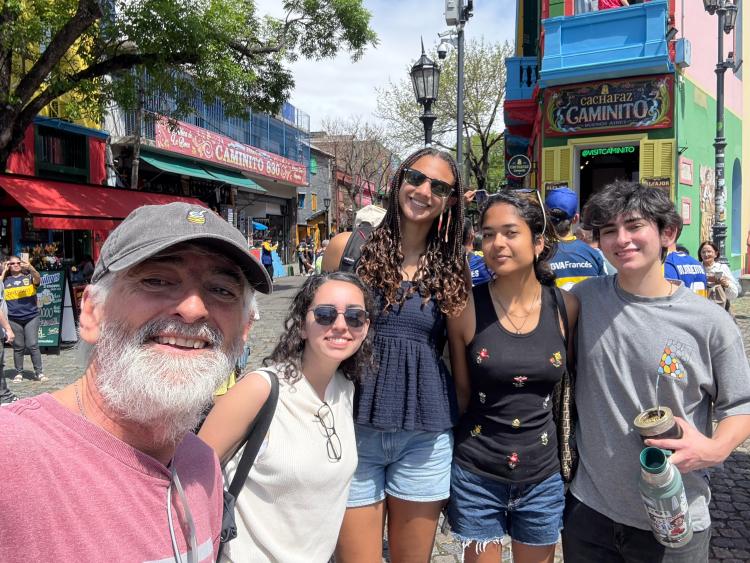
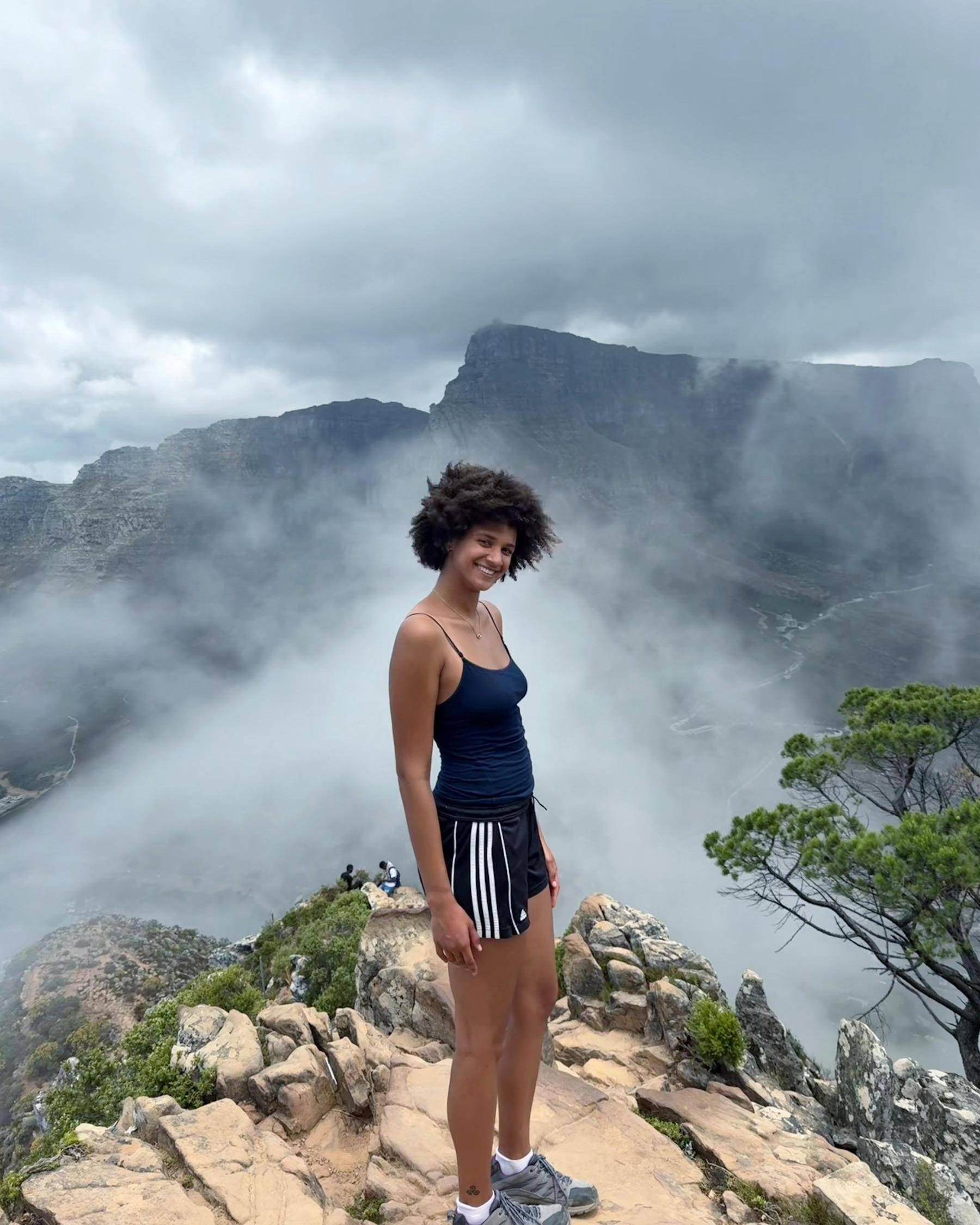
SIT’s program is small and I was the only Cornell student participating. I spent just over a month in each city: Buenos Aires, Barcelona and Cape Town. The professor travels with you and has established relationships in each place. These connections allow you to see things you might never experience as a tourist. For example, in Cape Town, we spent time in townships where there is still no indoor plumbing.
Share one takeaway or highlight from your experience:
Let yourself be uncomfortable; immerse yourself in that uncertainty. I took a few opportunities for solo travel and I really enjoyed them.
Do you have advice for other students?
It was tempting for me to choose a more popular abroad destination like Barcelona or Florence, but my experience was unique. This program was a great opportunity to go an untraditional route. Don’t be afraid to try something new and choose a less conventional path. Also, if home-stays are an option, I highly recommend them! The language barrier was challenging, but living with a family offered an incredible opportunity to experience the culture more deeply.
Finn Lutton ’27
Nutritional Sciences
CASA Granada
What was your goal in a global learning experience?
I wanted to feel connected to a community and interact with the locals in different settings i.e. academically, hobbies, socially. It doesn’t relate to my major because I wanted to do something different.
Share one takeaway or highlight from your experience:
Shortly after renting my mountain bike, I met a group of Spaniards who I’ve become close friends with and who have shown me aspects of Andalucia I would have never encountered otherwise. This showed me the importance of getting involved in activities and going outside of your comfort zone to meet new people from the region.
Do you have advice for other CHE students?
While travel is a very important part of studying abroad, I recommend picking a place you will want to spend time in and get to know. Specifically, spend time thinking about what hobbies and activities you will want to pursue when you go abroad, as well as what linguistic and cultural elements you are looking for. Some of the more rewarding moments of my abroad experience have been exploring the nature around Granada.
Lilian Cao ’27
Design and Environmental Analysis
Delft University of Technology CHE exchange program
What is your global learning experience?
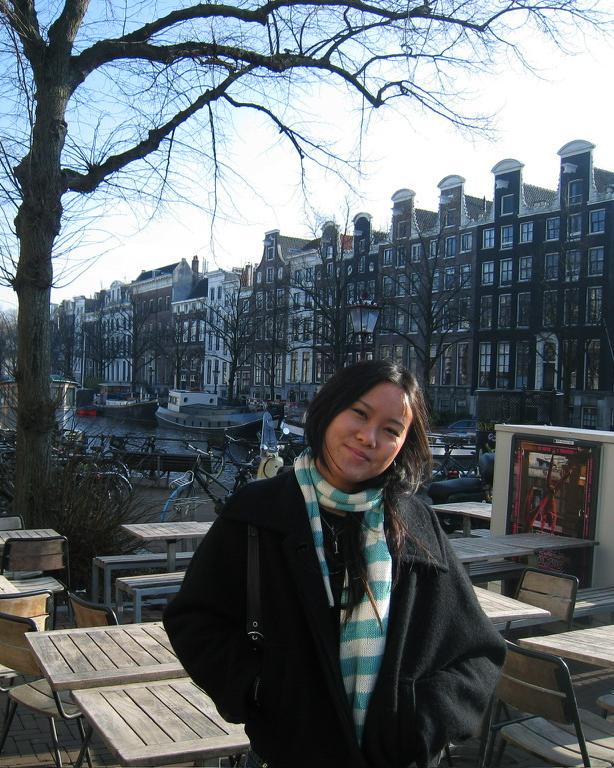
I’m taking second-year classes, taught in English, in TU Delft’s three-year B.S. Industrial Design program. Delft is a wonderful town about an hour from Amsterdam by train.
What was your global learning experience goal?
My biggest goal was to push myself out of my comfort zone and try new things. Dutch semesters run longer than Cornell’s, so I’ll be in the Netherlands until the end of June, which gives me a longer and more forgiving adjustment period. I’m looking forward to making the most of my time here by learning Dutch, traveling around Europe and building local connections with my peers and professors at TU Delft.
How does it relate to your major?
Industrial design is one of many career paths that DEA majors consider. DEA gives us a strong analytical and research-based foundation that makes us thoughtful designers. Although I’m more interested in urban design and spatial planning, my exchange program offers a wide range of interesting classes, like Designing for Society and “Reimagining Mobility, that connect to my career interests.
Do you have advice for other CHE students?
Prioritize what you want to do and what you hope to get out of a semester abroad. Research is important, but also ask yourself which factors matter most to you. And stay on top of the application process. It can get away from you quickly during a busy semester!