two college students talk in a fashion design studio
purple tinted close up of a stack of denim

Degree requirements

Coursework

Your coursework will explore design, materials, production and supply chain, marketing, communications, and entrepreneurship, as well as the impact of developing technologies and fashion sustainability. Foundation classes are generally offered just once per year and may be prerequisites for later courses so should be taken at the suggested times.

Suggested schedule

To help plan your courses, view a suggested schedule.

Curriculum sheets and suggested schedule

Curriculum sheets give an overview of all course requirements and help you chart your path to completing the degree program. See the college curriculum sheet for the year you entered the program for information on your degree requirements.

Courses you could take
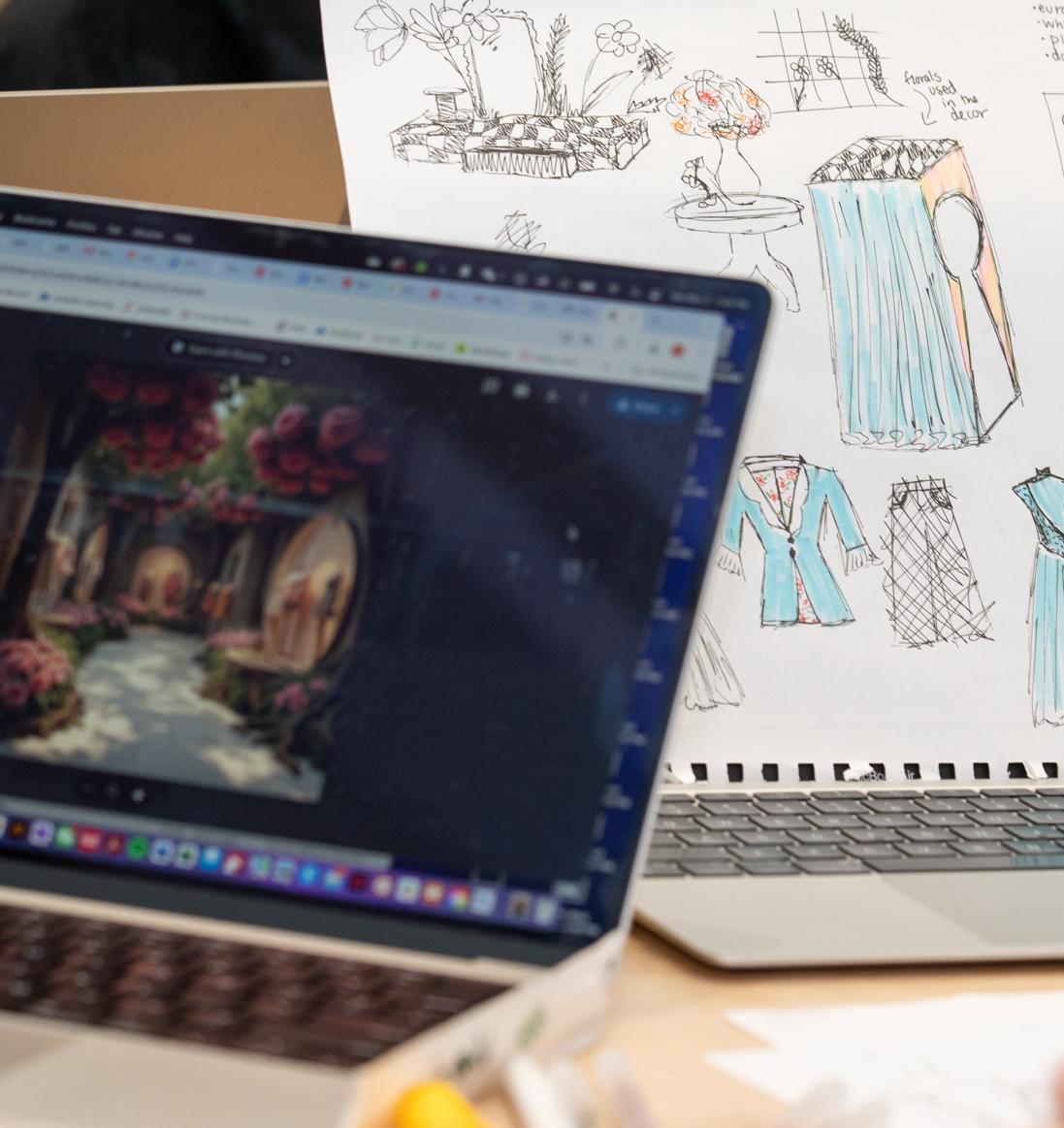
a computer screen with an illustration next to a book of fashion sketches
Fashion Product Management (FSAD 2310)

Learn about the fashion supply chain and concepts like consumer behavior, trend forecasting, brand management, merchandise planning and multi-channel distribution.
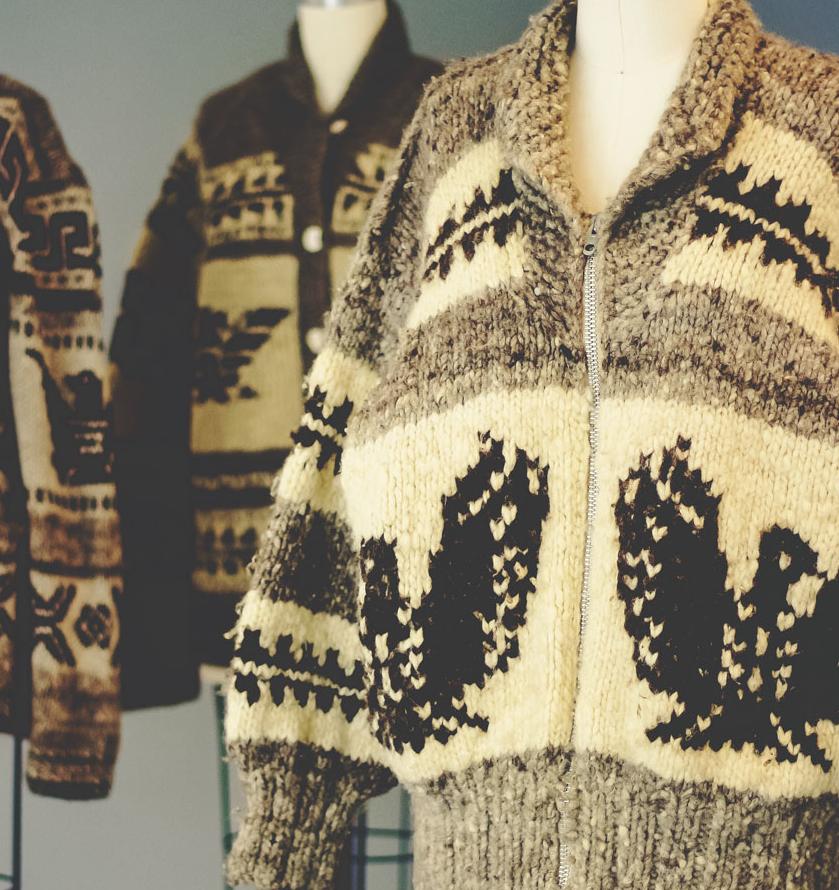
three heavy knit cowl neck zip sweaters on mannequins
Fashion, Aesthetics and Society (FSAD 2190)

Explore aspects of fashion phenomena, such as fashion-art collaborations, media-effects on body image, and the impact of new technologies on fashion and lifestyle trends.
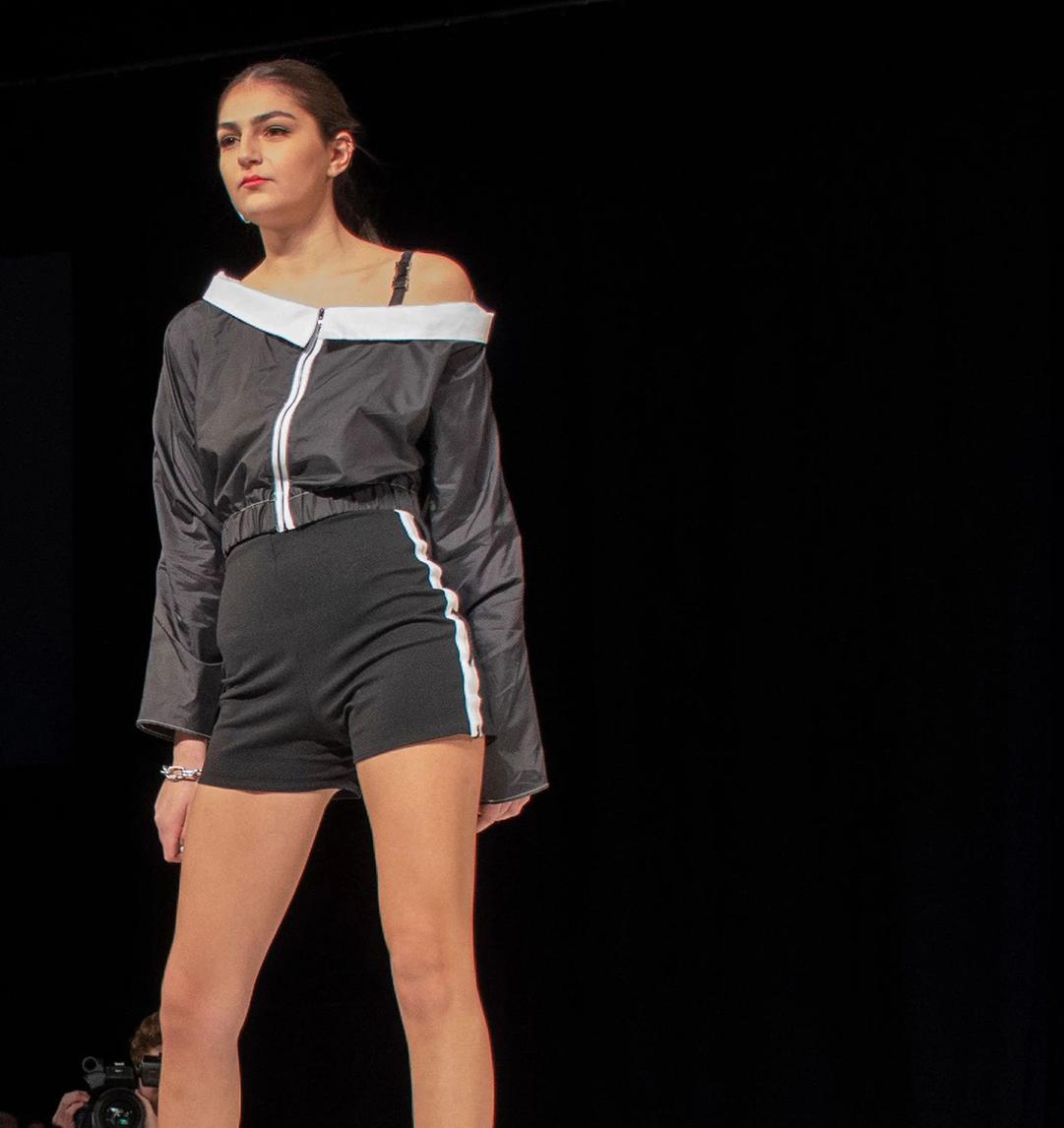
model in black and white shorts and off-shoulder top on the runway
Activewear Design and Product Development (FSAD 2660)

Learn computer-aided patternmaking; activewear construction methods; manufacturing technologies; communication of technical details, flats, specifications; and costing of garments.

student working with a stylus on a tablet
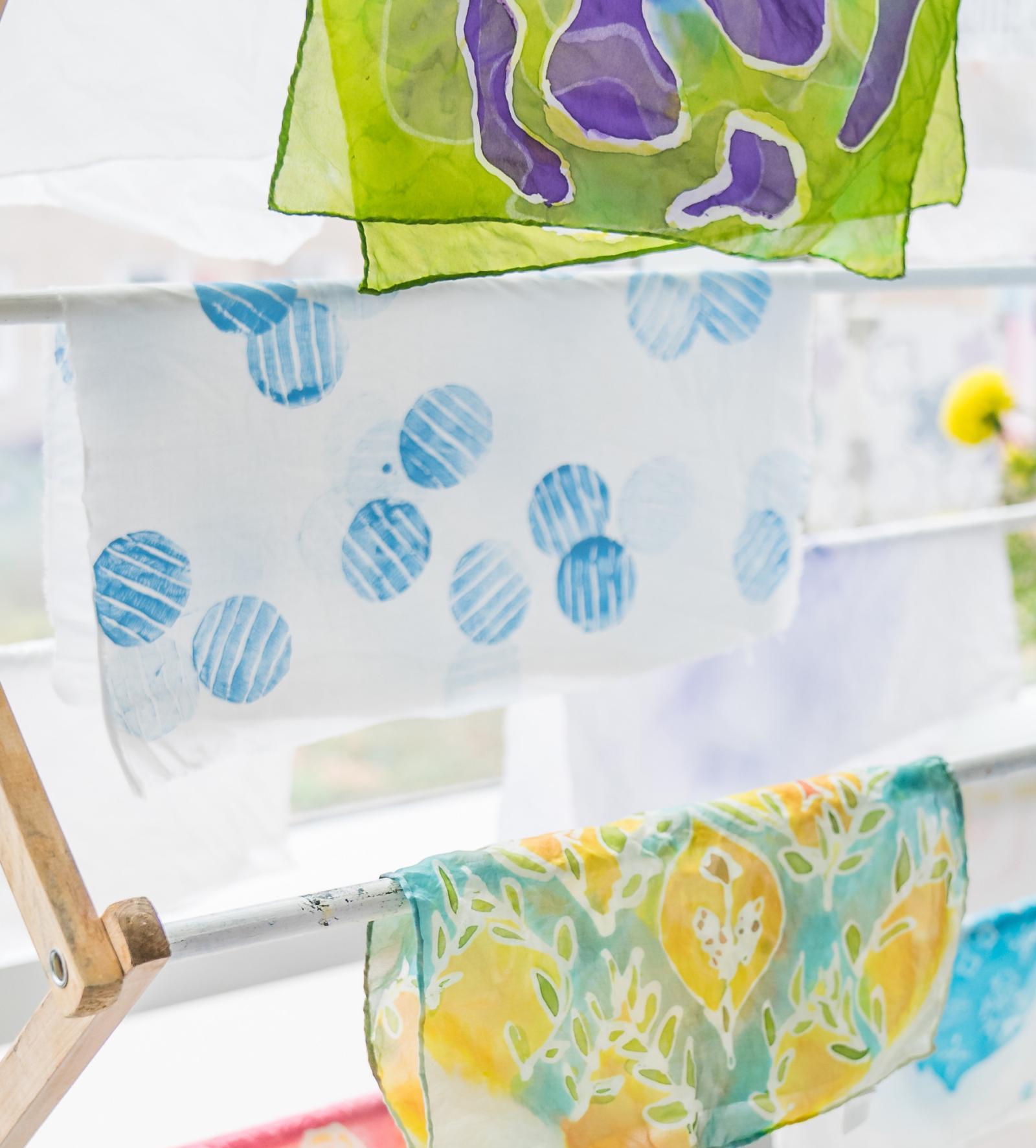
hanging prints on fabric

Career paths

Graduates of the FD+M major are attractive candidates for leadership positions in fashion and related industries and have earned a reputation among employers in the apparel and textiles industries for their ability to think creatively.

Alumni are designers, product developers, buyers, marketing managers, communicators, data application developers and financial analysts for influential fashion houses and retailers or as entrepreneurs under their own labels. Graduates also do specialized design in fields such as elite athletics and the protective clothing industry, and use their creativity in public-relations, fashion journalism, publishing and theater design.

Graduate/professional school

Students who go on to graduate work are well prepared for programs in business administration, art business, communications, marketing, law, museum studies, apparel design, costume history, textile design and theatrical costuming.

Sample career paths

  • Collection Designer-Own Label, BY., Bonnie Young
  • Senior Project Manager, Macy’s Merchandising Group
  • Senior Director of Supply Strategy, PVH
  • Creative Director, Echo Design
  • Executive Director, ShopBAZAAR.com at Harper’s BAZAAR
  • Senior Vice President Merchandising, BaubleBar
  • Senior Technical Developer, Target
  • Senior Digital Designer, Nike
  • Senior Director, Global Product Licensing, Michael Kors
  • Curatorial Manager, Rare and Historical, Ralph Lauren Library
  • Digital Marketing Entrepreneur, Maison MRKT
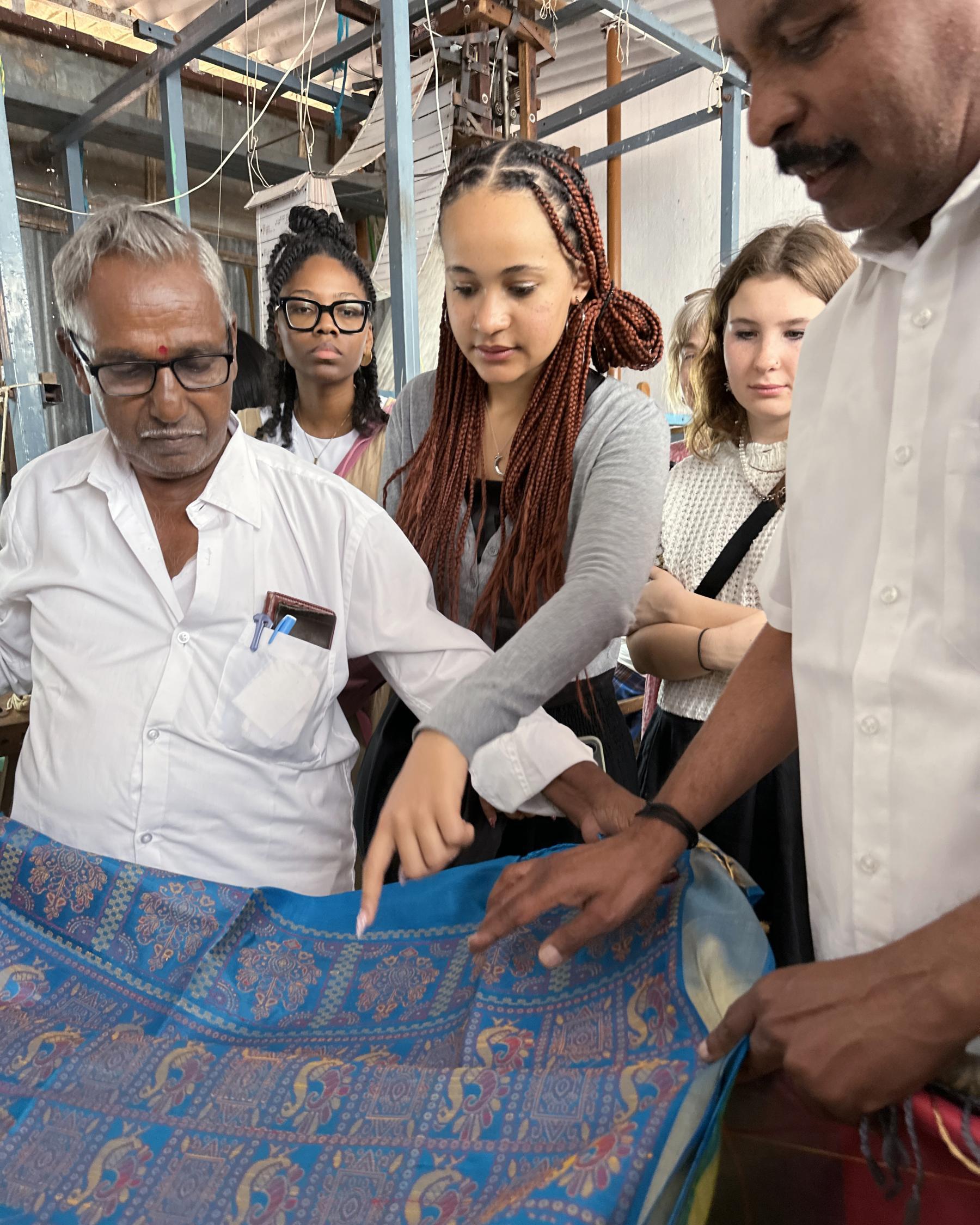
college students examine fabric in an Indian factory
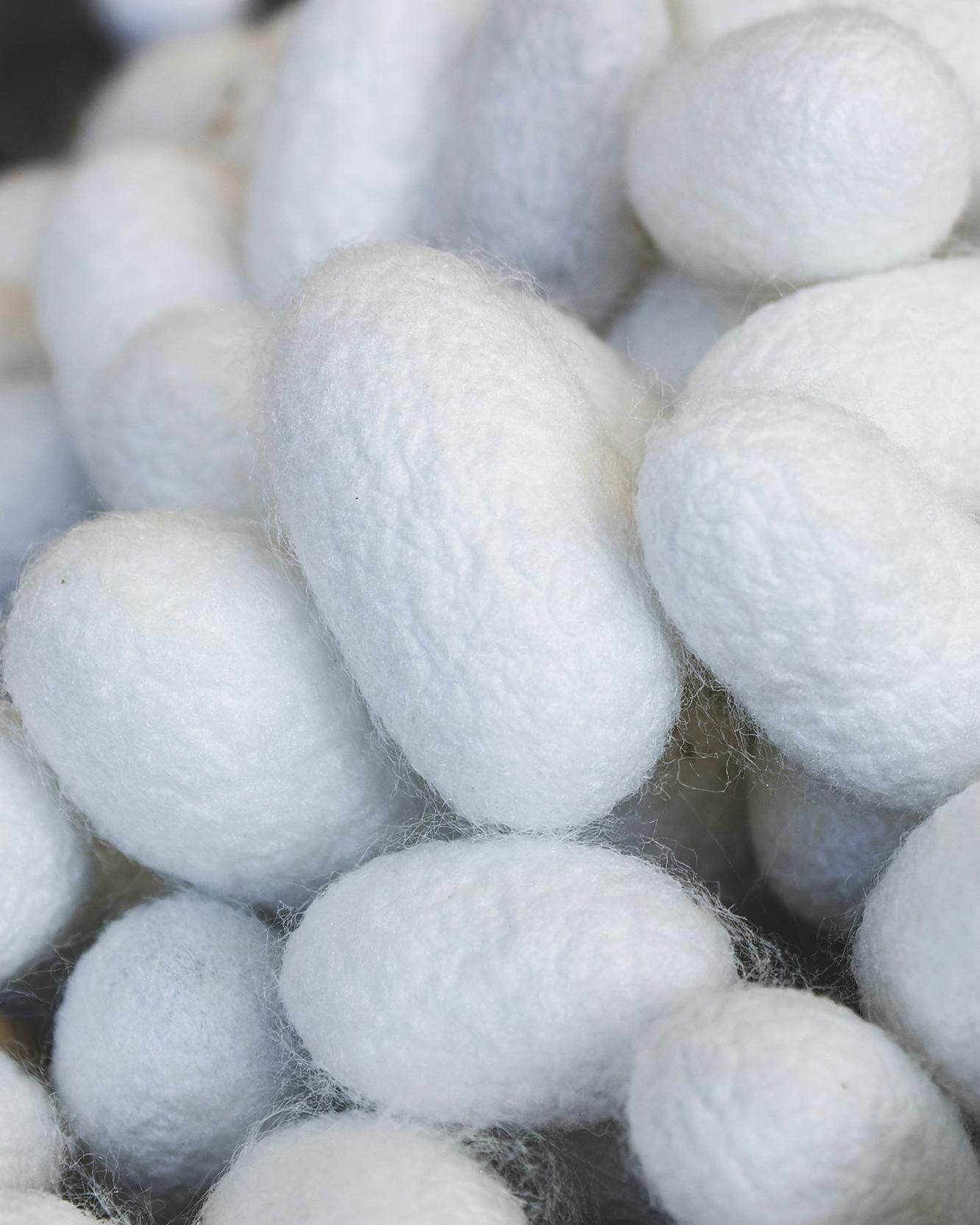
close up of silk pods

Experiential learning

FD+M students participate in engaged learning opportunities that provide valuable practical knowledge while testing their academic and career interests.

Participation in design competitions and mentored independent projects is encouraged. Students regularly participate in and win scholarships in the prestigious Fashion Scholarship Fund Competitions, and the Barbara L. Kuhlman fiber and wearable arts program.

Internship Examples

In the past Cornell Human Ecology Fashion Design Management students have worked with the following fashion houses and companies, among others.

  • Balenciaga
  • Love Shack Fancy
  • Malia Mills
  • Milly
  • Nike
  • Phillip Lim 3.1
  • Proenza Schouler
  • PVH Calvin Klein
  • The Row
  • Tommy Hilfiger
  • Tory Burch

Fashion Design Management internship requirements

Many summer internships require that you be eligible for academic credit for the experience. You may be awarded 1 S/U credit of FSAD 4020: Supervised Fieldwork in the subsequent fall semester if ALL the following requirements are met:

  • You have completed your first year and a minimum of 30 credits (Cornell, transfer and/or AP) prior to your internship.
  • Your HCD faculty advisor agrees to be your sponsor. If your internship employer requires proof that you will be receiving credit for the internship, your faculty advisor should write this letter for you.
  • You obtain an unpaid or paid summer internship of at least 10 hours a week for a minimum of 8 weeks.
    • More than one internship placement, completed in the same summer, may be combined to meet the minimum work hour and week requirement. You will need to provide your faculty advisor with written proof from your internship supervisor of completion of the internship(s).
  • During the summer internship, you keep a daily diary of your work experience.  
  • At the conclusion of your internship, you provide a few informal color photos of yourself working at various internship activities, with captions describing what, where, when and with whom.
  • The following fall semester, you register for FSAD 4020 for 1 S/U credit on a Special Studies form. You will need your advisor’s signature on this form.
  • You participate in an open panel at which you and other summer internship students describe experiences to fellow students. The undergraduate internship seminar will be arranged by the director of undergraduate studies during October or November.
  • Before the last day of fall term classes, you submit your letter proving your employment, your diary, 3-4 photos (.jpg) with descriptions, and a 6-page paper to your faculty advisor, reflecting on the internship and its relationship to your field of study and career goals, so that your advisor can submit the appropriate S or U grade.
  • Students may repeat the 1 S/U credit FSAD 4020 study for three separate fall semesters, for a total of 3 credits.  No more than 1 S/U credit will be given for each internship-related FSAD 4020 independent study.

The Cornell Fashion Collective presents an annual student-managed and designed Fashion Show, which features the apparel designs of our students and others across campus.

Students connect to fashion professionals through the student-run organization, the Cornell Fashion Industry Network.

Faculty you'll work with

portrait of a man wearing a blazer with bright red embroidered cuffs
Vincent V.C. Woo Professor
Focus areas Activewear and protective clothing, Smart wearable interface, Ethics of design and fashion
portrait of a woman wearing glasses and a patterned dress
Lau Family Associate Professor, Director of Graduate Studies in Fiber Science & Apparel Design
Focus areas Anthropological studies of style and fashion, History and curatorial practice of dress and textiles, Native American textiles and regalia
woman with purple hair wearing a sweater with black cats on it
Senior Lecturer
Focus areas Surface design + textile design, Knit structure and design, Drawing
portrait of a woman in a maroon top
Associate Professor
Focus areas Digitalization in the apparel industry, 3D body scan data + apparel simulation, 3D digital technologies
Associate Professor
portrait of a woman wearing glasses sitting in a red chair
Assistant Professor
Focus areas Self-definition + consumption for marginalized groups, Feminist theory + Black geography, Racism + representation in relation to beauty + identity

Honors Program

The Fiber Science and Apparel Design (FSAD) Honors Program is designed to allow a small number of talented undergraduates the opportunity to pursue independent creative scholarship/research under the supervision of a member of the FSAD faculty. The Honors Program is a rigorous and rewarding endeavor. Though the application process begins in your junior year, in order to be successful, it is important that you begin to plan for honors research carefully, even as a first-year student and sophomore.

In order to graduate with honors, students must be in residence for eight semesters (students can still study abroad, because these programs require registration as a Cornell student). Transfer students are eligible for the Honors Program as long as they remain in residence for all semesters after they transfer. 

Students must achieve and maintain a GPA of at least 3.4 to be eligible for the Honors Program, and the 3.4 GPA must be maintained even after being admitted into the Honors Program. Students whose GPA drops below 3.4 will be dropped from the Honors Program (though these students can register for special studies in order to complete their research).

Students should apply to the Honors Program during the first semester of their junior year (the beginning of the second semester of junior year is the latest possible period for application and registration). 

Students should contact the fsad-dus [at] cornell.edu (undergraduate program coordinator) to request the Honors Program application. To complete the form, students must identify and obtain the signature of an HCD faculty member who consents to serve as their academic mentor for the duration of the Honors Program. The academic mentor must approve the student's proposed topic for creative scholarship/thesis. 

The student will be notified within two weeks of submitting the Honors Program application whether they have been accepted into the program.

The major component of the Honors Program is the documentation of the creative scholarship/research (thesis). Each student is required to conduct original scholarship on a topic chosen by the student. Credit is given, so this work is part of the student's course load each semester. During the junior year, the student usually does preliminary scholarship/research under FSAD 4010, supervised by the faculty mentor. FSAD 4990 Honors Seminar is the official course for Honors Program creative scholarship/research. Students may register for up to 6 credits in FSAD 4990 over their last three semesters and must take FSAD 4990 for at least the two semesters of their senior year.

The scholarship must be documented in a formal manner appropriate for the specific research or creative work that may also include studio work or exhibition. The final written document/thesis must be submitted by April 1 of the senior year. The scholarly document/thesis will be evaluated during an oral scholarly defense by the student's Honors committee, which must meet no later than April 15. This committee consists of the Honors Program director, the academic mentor and an additional faculty representative who is assigned by the Honors Program director. The academic mentor and faculty representative may request revisions, which must be incorporated into the final version of the written documentation/thesis.

Students must complete all of the following requirements to successfully complete the Honors Program. For the most part, these requirements are designed to aid in the research process.

  1. Identify and obtain the consent of an HCD faculty member to act as faculty academic mentor. This should be done when applying for the Honors Program.
  2. Register for FSAD 4010 in the junior year and conduct preliminary research under the guidance of the academic mentor.
  3. Register for FSAD 4990 for both semesters of senior year.
  4. Meet with the academic mentor at the beginning of the fall semester senior year to set out written expectations regarding progress on the scholarship/thesis during the fall semester.
  5. Attend four professional departmental seminars during the senior year (decided with the academic mentor).
  6. Submit a complete draft of the documentation of scholarship/thesis to each member of your honors committee (Honors Program director and additional faculty assigned by the director), after receiving approval from the academic mentor, by April 1.
  7. Schedule oral defense of the scholarship/thesis for no later than April 15.
  8. Complete and present a poster of scholarship at a College of Human Ecology poster session organized to recognize undergraduate independent scholarship between April 15 and the last day of classes in the spring semester.
  9. Submit a copy of the honors scholarship/thesis to the fsad-dus [at] cornell.edu (undergraduate program coordinator).

Honors degree

Students who successfully complete the program will graduate in Honors in FSAD, a designation that is recorded on the student’s diploma and the official Cornell University academic record.

If you have additional questions please contact the fsad-dus [at] cornell.edu (undergraduate program coordinator).
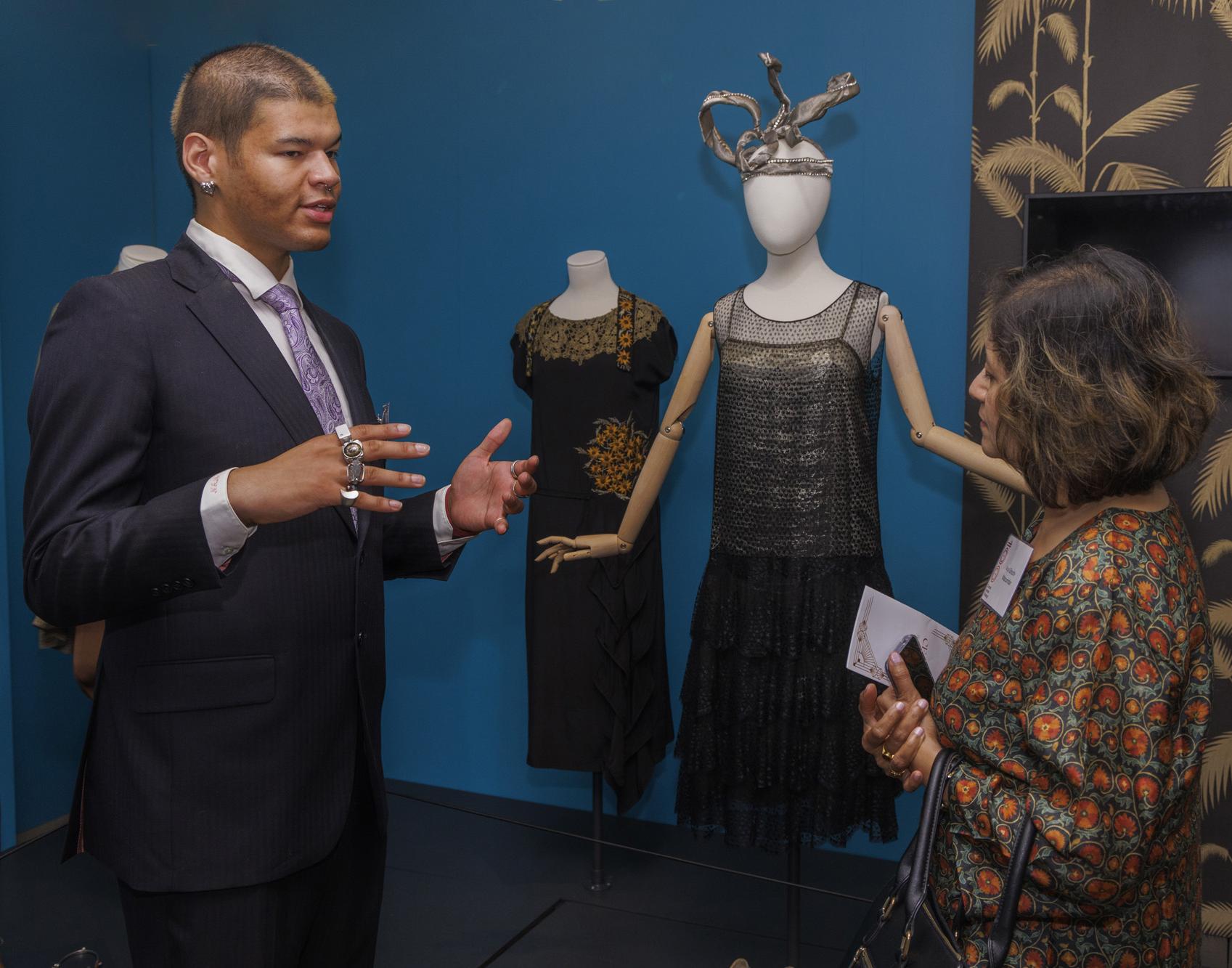

young person in a suit speaks to a woman as they stand in front of mannequins wearing clothing from the 1920s

Take the next step

pattern of woven strings with a red overlay color

We are trailblazers

Maya Abrol with Colonel Fitzpatrick examining an artifact.
Eskyla Chesson sitting in a chair at NY Fashion Week
Students posing in front of a step-and-repeat