


B.S. Design + Environmental Analysis
Learn how to design sustainable spaces that can inspire and empower people to work, learn, play and live well.

- Mar 6 ,2026
- by Karen Steffy
- Human Centered Design
- Human Ecology Building T01
Processing Biopolymer Nanofibers and Composites
In this presentation, an introduction to biopolymer electrospinning process, as well as an overview of applications of nanofibrous biopolymer mats and their composites created by both a traditional and modified electrospinning process will be discussed. Electrospinning is a fabrication technique, which can be used to create nanofibrous non-wovens from a variety of starting polymer materials. The structure, chemical and mechanical stability, functionality, and other properties of the mats can be modified to match end applications
- Jan 28 ,2026Jan 29 ,2026Jan 30 ,2026Feb 2 ,2026Feb 3 ,2026Feb 4 ,2026Feb 5 ,2026Feb 6 ,2026Feb 9 ,2026Feb 10 ,2026Feb 11 ,2026Feb 12 ,2026Feb 13 ,2026
- by Gary Evans
- Human Centered Design
- MVR 1250 Gallery
Ergonomics Analysis
The exhibit displays student work from DEA/PSYCH/COG SCI 1500: Introduction to Environmental Psychology for an Ergonomic Analysis exercise. This exercise asks students to conduct an ergonomic analysis of their surroundings, identify a problem and propose a solution to the observed problem.
Problem: Students identify an ergonomic problem and analyze what the likely causes of this poor interface are, based on human factors concepts learned in class. For their analysis, students also discuss a salient social
- Mar 2, 2026
- by Michelle Lucio
Cornell Center for Social Sciences names 2026-27 Faculty Fellows
- Feb 27, 2026
- by Galib Braschler
- Holistic Human Health, Student Life
Class serves up lessons in nutrition, culture and budgeting
For some students, NS 2470 is the first time they’ve ever held a chef’s knife or carefully measured out ingredients. For others pursuing a career as a registered dietitian, it is a requirement, and they learn alongside classmates who are just beginning in a kitchen. Across a semester that starts with baking simple muffins and culminates in creating complex culturally appropriate dishes, students learn to feed themselves, even on a budget.
Held in the Discovery
- Mar 11 ,2026
- by Karen Steffy
- Human Centered Design
- Zoom Passcode: 843821
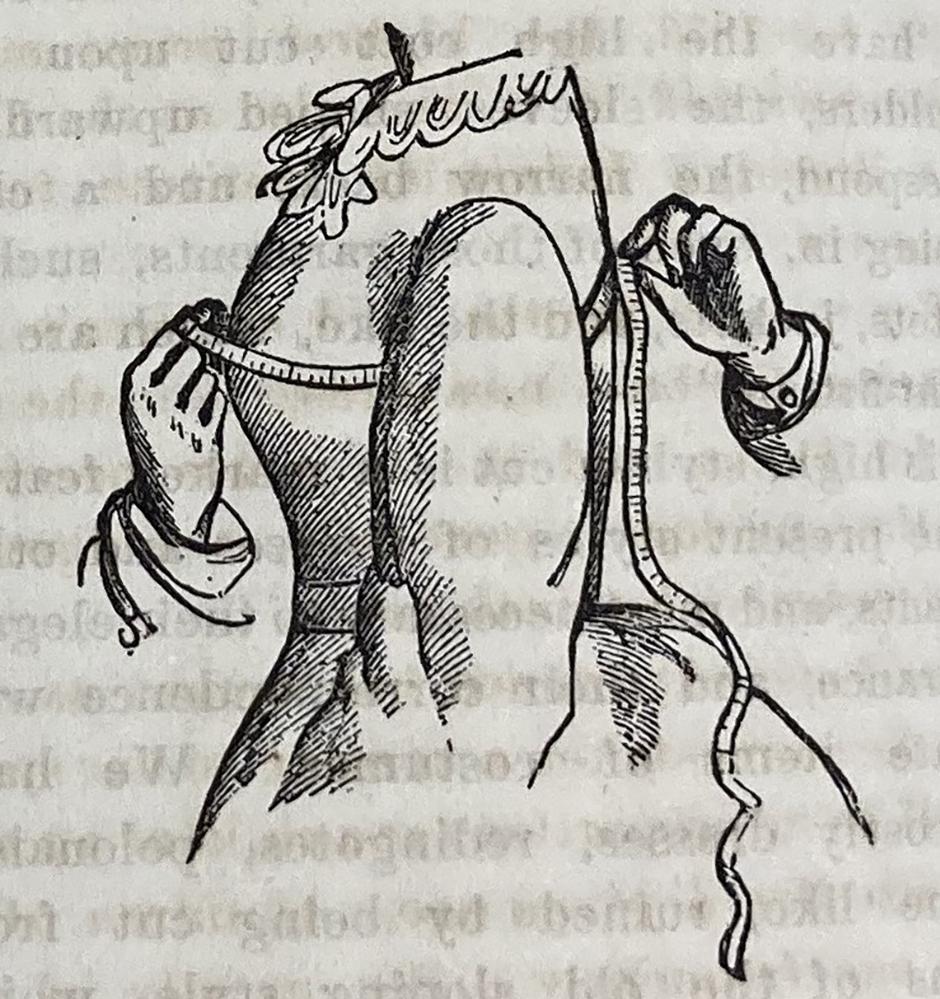
Sizing the Fashionable Body: Butterick Patterns, Standardization, and Normalcy 1860-1910
During the late nineteenth century, Ebenezer Butterick and The E. Butterick Company transformed women’s fashion by introducing mass-produced, precut sewing patterns based on a proportional grading system. While these patterns were marketed as accessible and democratic tools for amateur dressmakers, they were based on a rigid sizing framework that codified a vision of bodily “normalcy” centered on corsetry and the proportions of an idealized size “36.”
This talk shares research in progress on the origins
- Mar 4, 2026
- by Kathy Hovis