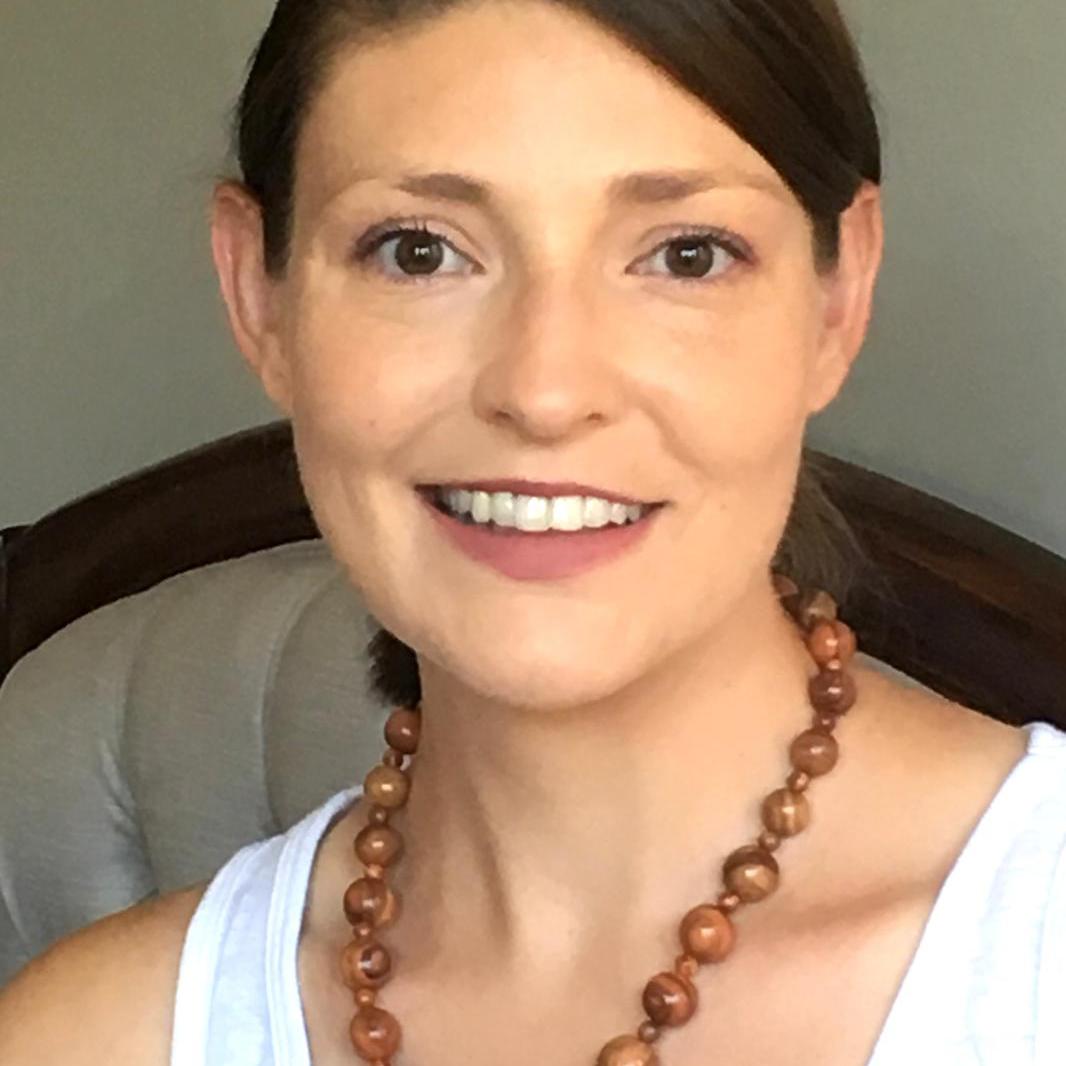
Anthony Burrow
I am a professor in the Department of Psychology, director of the Purpose Science and innovation Exchange and co-founder of Purpose Commons. I received my B.A. in Psychology from the University of North Carolina at Chapel Hill, and my Ph.D. in Developmental Psychology from Florida International University. I completed my postdoctoral training within the Multicultural Research Institute at the University of Notre Dame.
My research follows two paths. The first investigates why having a sense of self-direction – or purpose
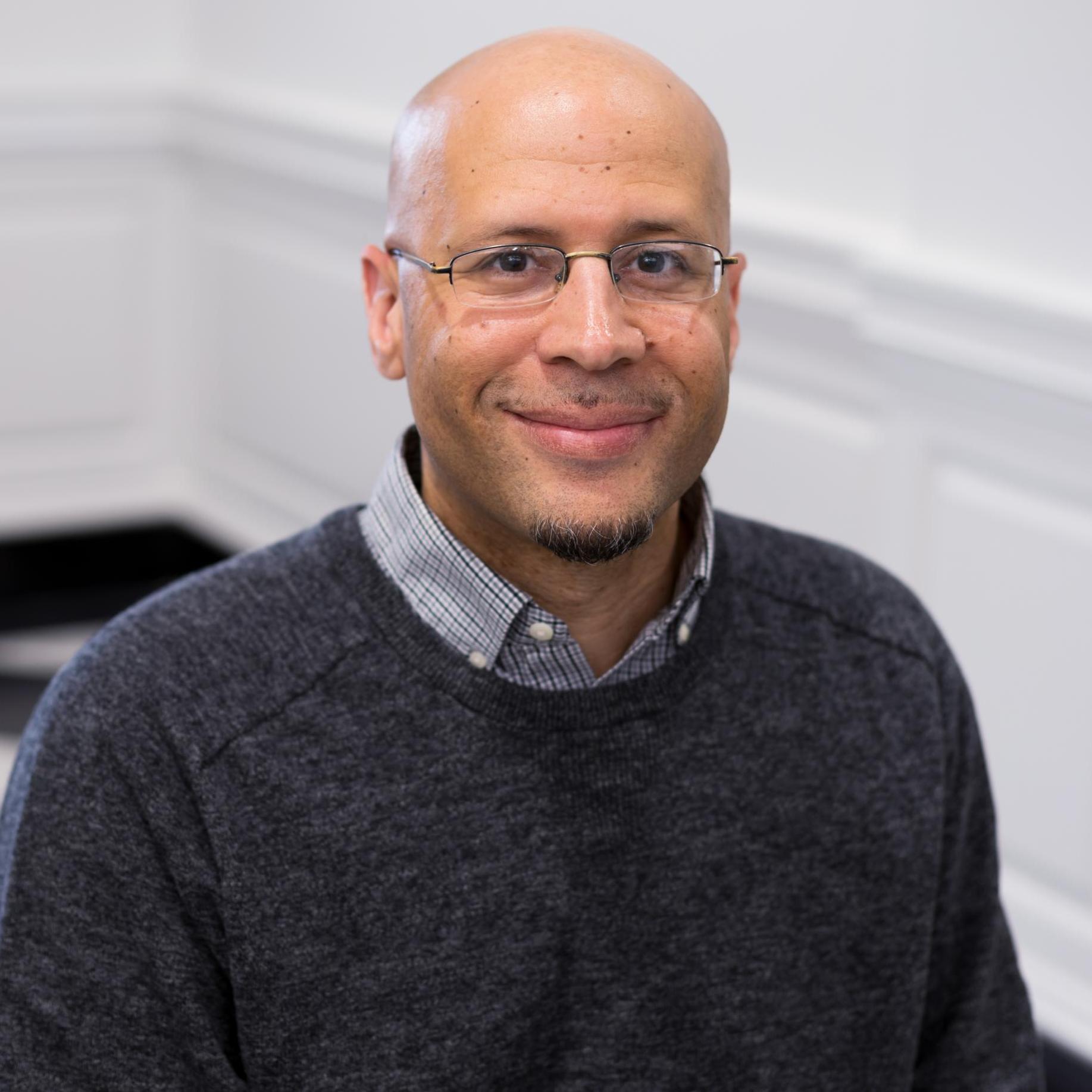
Christine Waby
Christine is a passionate, student-centered career development professional who began her higher education career in 2019. Before joining Cornell, she spent more than seven years at Syracuse University’s Whitman School of Management, most recently serving as Associate Director of Career Advising and Employer Relations. In that role, she led the school’s finance career advising and employer engagement initiatives, developing strategic partnerships, launching innovative programs, and enhancing career outcomes for students. Before transitioning to higher education
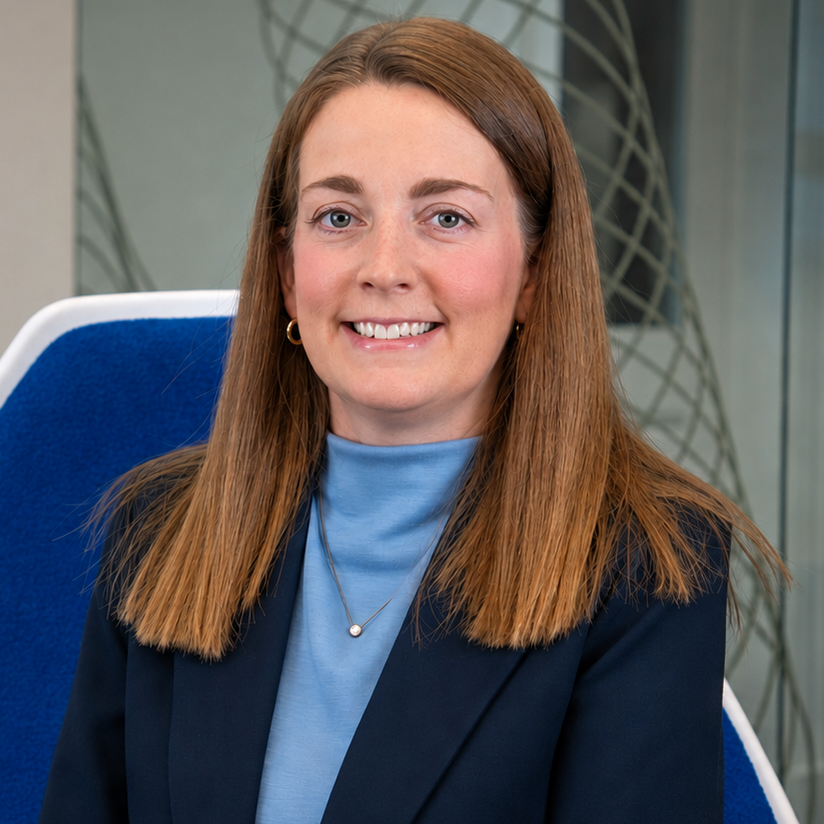
Tara Pearson
As a Ph.D. student in the field of Design and Environmental Analysis in our College’s Department of Human Centered Design, Tara Pearson explores the possibilities of design to positively impact emotional experience and bolster wellbeing. Her research examines the role of visual aesthetics in eliciting emotions in our environment—most recently, experiences of positive surprise and delight. As a Teaching Assistant here, Pearson has supported design-thinking related courses including: Design Graphics and Visualization (DEA1150); Making a