- Mar 5 — Apr 11 ,2025Mar 6 — Apr 12 ,2025Mar 7 — Apr 13 ,2025Mar 8 — Apr 14 ,2025Mar 9 — Apr 15 ,2025Mar 10 — Apr 16 ,2025Mar 11 — Apr 17 ,2025Mar 12 — Apr 18 ,2025Mar 13 — Apr 19 ,2025Mar 14 — Apr 20 ,2025Mar 15 — Apr 21 ,2025Mar 16 — Apr 22 ,2025Mar 17 — Apr 23 ,2025Mar 18 — Apr 24 ,2025Mar 19 — Apr 25 ,2025Mar 20 — Apr 26 ,2025Mar 21 — Apr 27 ,2025Mar 22 — Apr 28 ,2025Mar 23 — Apr 29 ,2025Mar 24 — Apr 30 ,2025Mar 25 — May 1 ,2025Mar 26 — May 2 ,2025Mar 27 — May 3 ,2025Mar 28 — May 4 ,2025Mar 29 — May 5 ,2025Mar 30 — May 6 ,2025Mar 31 — May 7 ,2025Apr 1 — May 7 ,2025Apr 2 — May 8 ,2025Apr 3 — May 9 ,2025Apr 4 — May 10 ,2025Apr 5 — May 11 ,2025Apr 6 — May 12 ,2025Apr 7 — May 13 ,2025Apr 8 — May 14 ,2025Apr 9 — May 15 ,2025Apr 10 — May 16 ,2025Apr 11 — May 17 ,2025
- Human Centered Design
- Human Ecology Building
Weaving Threads of Belonging: Cloth, Identity and Political Change in Africa and its Diasporas
This exhibit is created by students who were enrolled in HIST 2452/6452 – Dress, Cloth and Identity in Africa and the Diaspora with Professor Judith Byfield and in collaboration with the Cornell Fashion + Textile Collection. It builds on the insightful scholarship produced by Joanne B. Eicher and Sandra Lee Evenson who argue that dress is more expansive than clothing. Dress they argue is anything we do to the body and the things we put
- May 5 ,2025May 6 ,2025May 7 ,2025May 8 ,2025May 9 ,2025May 12 ,2025May 13 ,2025May 14 ,2025
- Human Centered Design
- Jill Stuart Gallery, Human Ecology Building
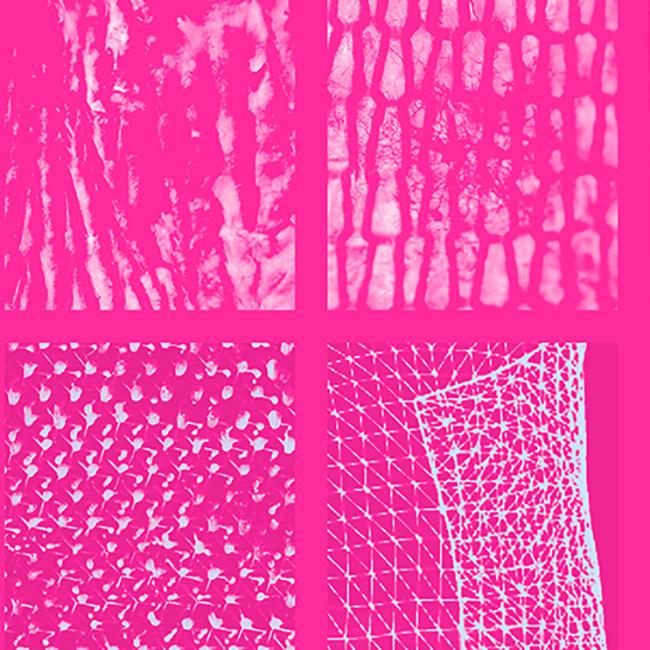
Experimental Textiles
Work by Melissa Conroy and HCD students Ethan Drake, Madison Feely, Lauren Franco, Marcus McDermott, and Zada Stuart.
- Oct 17 ,2025
- by Karen Steffy
- Human Centered Design
- Human Ecology Building T01
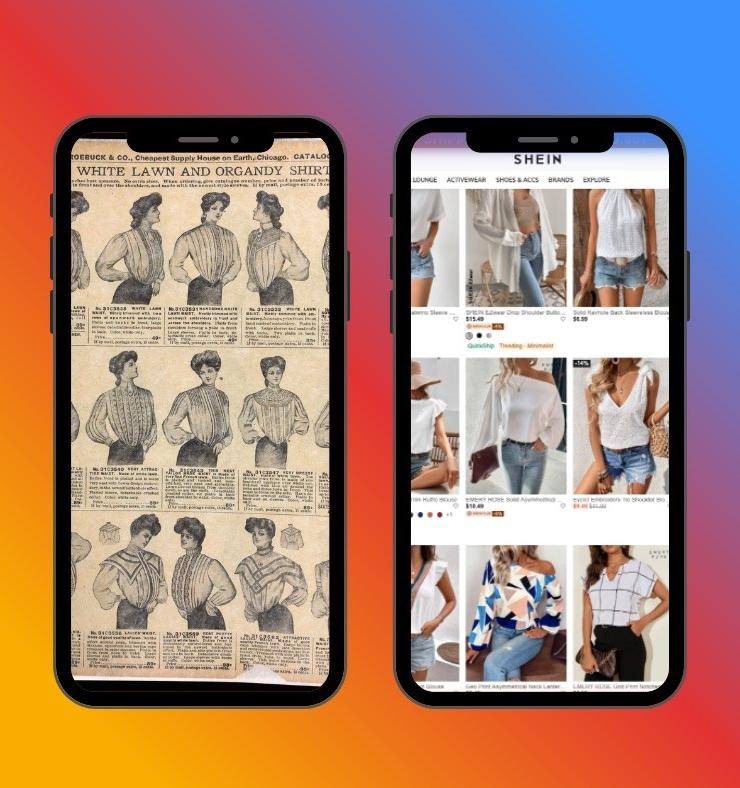
Fast Fashion Before Fast Fashion: Rethinking Histories of Mass-Produced Clothing
Fast fashion is often understood as a recent business model defined by speed, low cost, and disposability. Yet many of its challenges—labor exploitation, environmental harm, and the normalization of overconsumption—have much deeper historical roots. This talk traces the emergence of “fast fashion” through the lens of nineteenth- and twentieth-century shifts in media, merchandising, and consumer culture at large, showing how notions of “progress” and “prosperity” helped obscure the human and environmental costs of mass-produced clothing
- Oct 3 ,2025
- by Karen Steffy
- Human Centered Design
- Human Ecology Building, T01
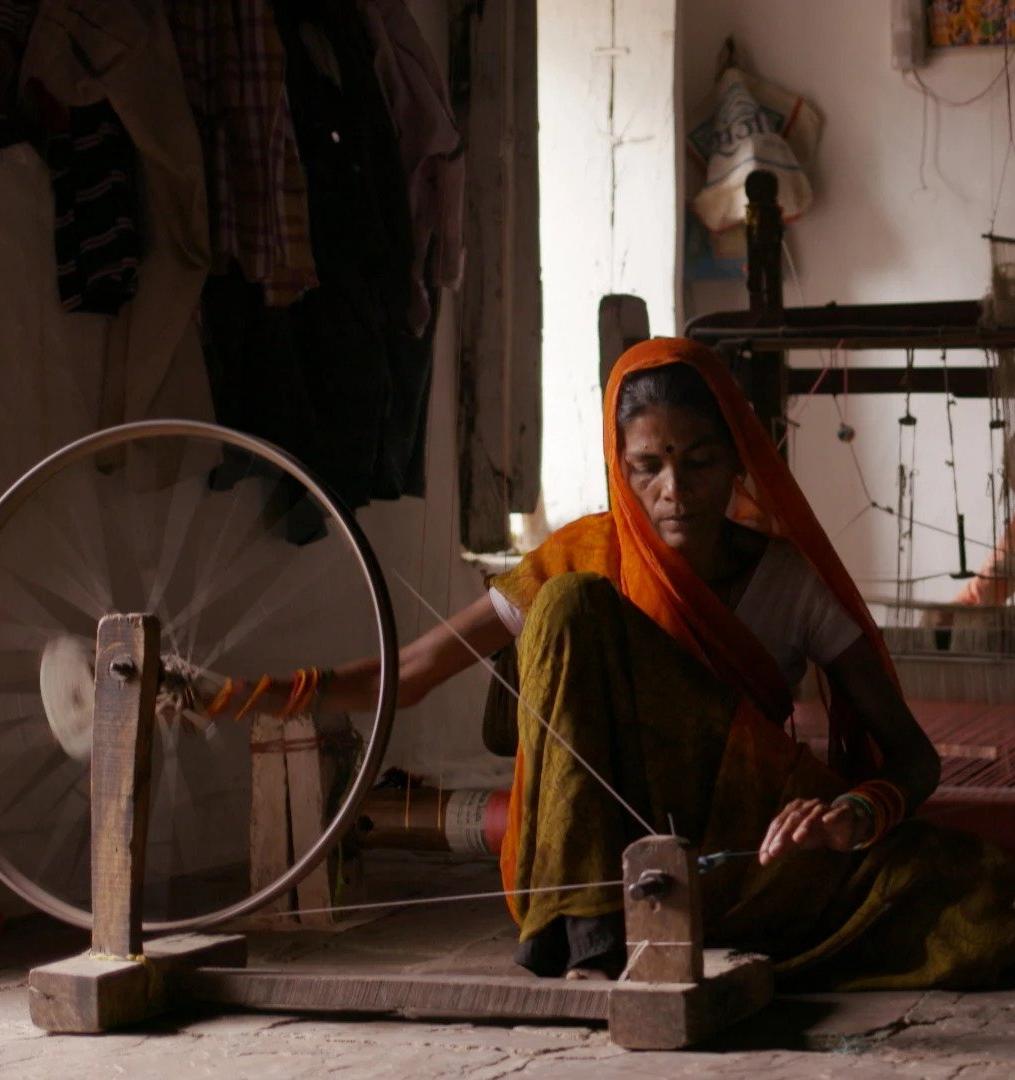
Threads: Sustaining India’s Textile Tradition
Threads: Sustaining India’s Textile Traditions features four Indian designers and their collaborations with traditional textiles artisans that produce fashion collections for a contemporary market. Through in-depth interviews and visually stunning footage, this film demonstrates how these committed, creative collaborations innovate traditional textile techniques and reinvigorate the communities who produce them.
Katherine Sender, PhD is a Professor and Director of Graduate Studies in the Department of Communication. She is also a member of Feminist, Gender, and
- May 1 ,2025May 2 ,2025May 5 ,2025May 6 ,2025May 7 ,2025May 8 ,2025May 9 ,2025May 12 ,2025May 13 ,2025May 14 ,2025May 15 ,2025May 16 ,2025May 19 ,2025May 20 ,2025May 21 ,2025May 22 ,2025May 23 ,2025May 26 ,2025May 27 ,2025May 28 ,2025May 29 ,2025May 30 ,2025Jun 2 ,2025Jun 3 ,2025Jun 4 ,2025Jun 5 ,2025Jun 6 ,2025Jun 9 ,2025Jun 10 ,2025Jun 11 ,2025Jun 12 ,2025Jun 13 ,2025Jun 16 ,2025Jun 17 ,2025Jun 18 ,2025Jun 19 ,2025Jun 20 ,2025Jun 23 ,2025Jun 24 ,2025Jun 25 ,2025Jun 26 ,2025Jun 27 ,2025Jun 30 ,2025Jul 1 ,2025Jul 2 ,2025Jul 3 ,2025Jul 4 ,2025Jul 7 ,2025Jul 8 ,2025Jul 9 ,2025Jul 10 ,2025Jul 11 ,2025Jul 14 ,2025Jul 15 ,2025Jul 16 ,2025Jul 17 ,2025Jul 18 ,2025Jul 21 ,2025Jul 22 ,2025Jul 23 ,2025Jul 24 ,2025Jul 25 ,2025Jul 28 ,2025Jul 29 ,2025Jul 30 ,2025Jul 31 ,2025Aug 1 ,2025Aug 4 ,2025Aug 5 ,2025Aug 6 ,2025Aug 7 ,2025Aug 8 ,2025Aug 11 ,2025Aug 12 ,2025Aug 13 ,2025Aug 14 ,2025Aug 15 ,2025Aug 18 ,2025Aug 19 ,2025Aug 20 ,2025Aug 21 ,2025Aug 22 ,2025Aug 25 ,2025Aug 26 ,2025Aug 27 ,2025Aug 28 ,2025Aug 29 ,2025Sep 1 ,2025Sep 2 ,2025Sep 3 ,2025Sep 4 ,2025Sep 5 ,2025Sep 8 ,2025Sep 9 ,2025Sep 10 ,2025Sep 11 ,2025Sep 12 ,2025Sep 15 ,2025Sep 16 ,2025Sep 17 ,2025Sep 18 ,2025Sep 19 ,2025Sep 22 ,2025Sep 23 ,2025Sep 24 ,2025Sep 25 ,2025Sep 26 ,2025Sep 29 ,2025Sep 30 ,2025
- Human Centered Design
- Level T Vitrines, Human Ecology Building
Threads of Progress: 100 Years of Fashion & Innovation
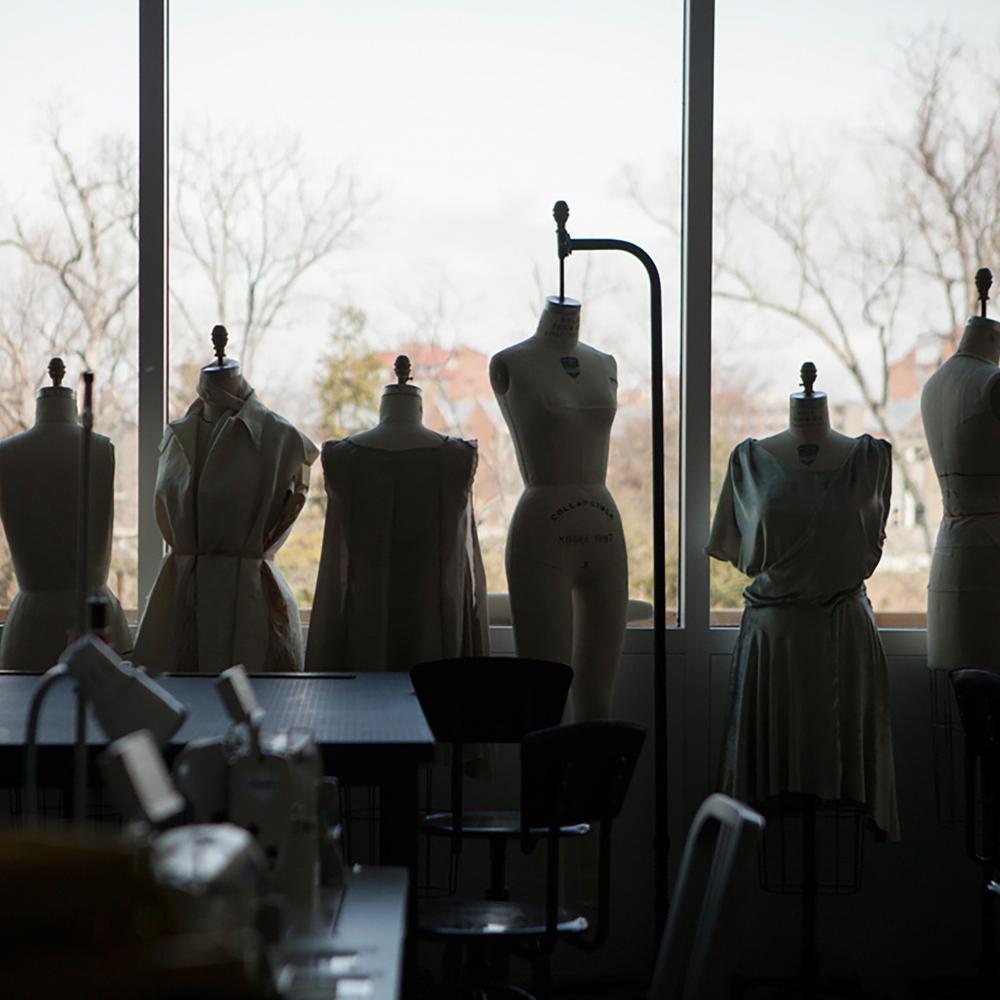
Threads of Progress: 100 Years of Fashion & Innovation celebrates over a century of fashion innovation, education, and outreach at Cornell University, tracing the evolution of the Textiles and Clothing program from its early days in the College of Home Economics to its current home in the Department of Human Centered Design in the Cornell Human Ecology. Visitors will see garments worn and made by students, faculty, and extension agents—from wartime uniforms to Olympic leotards—showcasing
- Oct 10 ,2025
- by Karen Steffy
- Human Centered Design
- Virtual
What do we talk about when we talk about fashion?
As a society, we talk about fashion – a lot! What we do to and put on our bodies, the social and economic value of those products and processes, and the identities into which we might step by participating in fashion/style/dress are constantly being reconstituted through the text and images published at a near constant rate into the contemporary media landscape. In this talk I will share what I have learned from more than a

- Dec 4 ,2025
- by Lynandrea Mejia
- Bronfenbrenner Center for Translational Research
- MVR 1102 and Zoom
What to Do When the Kids Are Not OK
This is part of the Talks at Twelve series from the Bronfenbrenner Center for Translational Research.
From the early days of online communities, many pundits envisioned a world where people could be more connected around the globe thanks to new technology. And yet, this is not the world that social media brought forth. After years of struggling with misinformation, political polarization, and rampant distrust in institutions, many have begun to wonder if social media might