Jaleesa Reed
Jaleesa Reed, Ph.D. is an assistant professor in the Department of Human Centered Design at Cornell University. As a fashion studies scholar with minor areas in Gender Studies and Human Geography, she examines how marginalized communities navigate and resist systems of power through dress and beauty culture, and what resistance reveals about the enduring relationship between commerce, identity, and place.

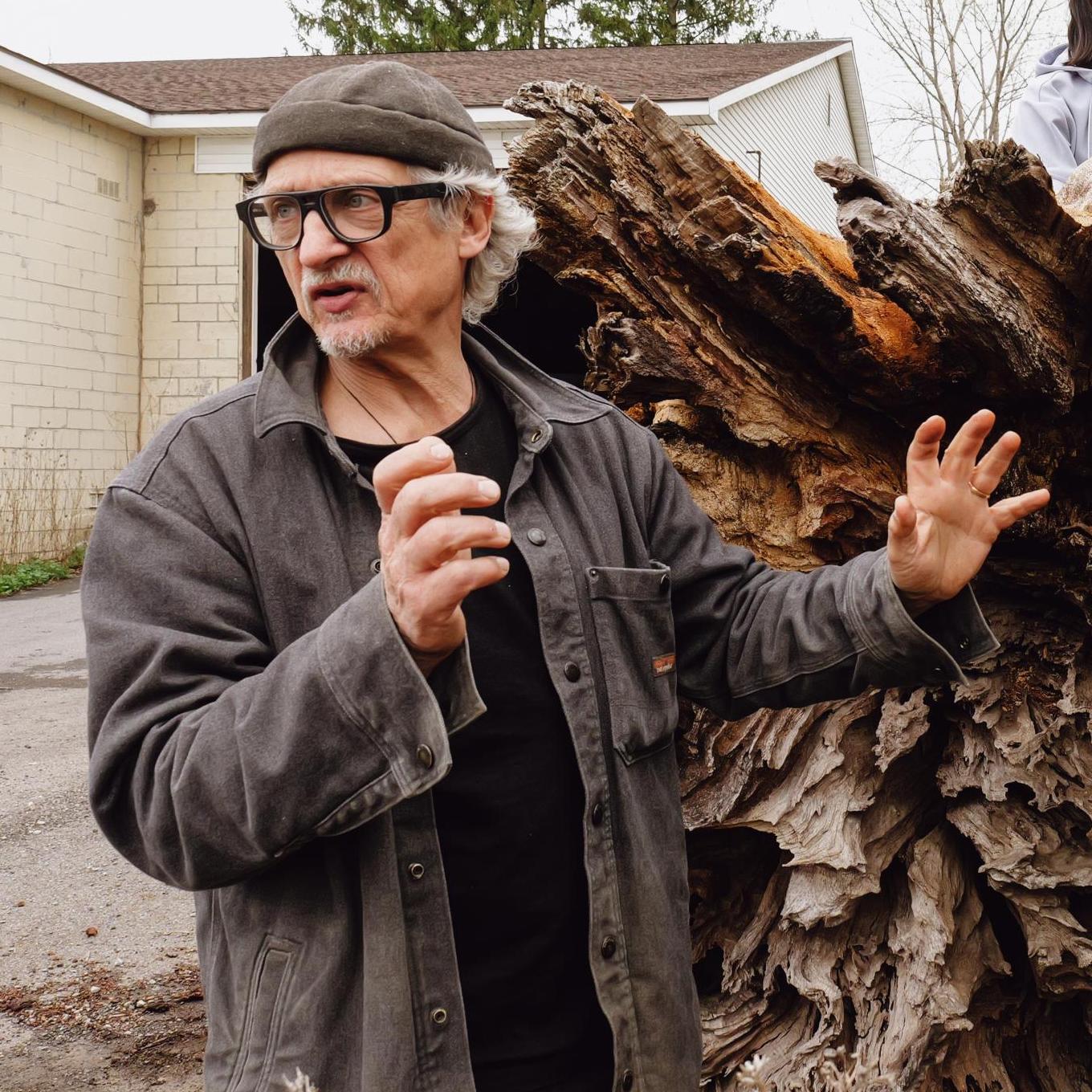
John Elliott
I have three areas of expertise in teaching, involving three types of design literacies. These are visual literacy in design (DEA 1101), material literacy in design (DEA 2422) and ecological literacy in design (DEA 4220).
My research interests are related to the idea of "Nature inside" both in a theoretical and a practical sense. In the theoretical domain, I am interested in the aspects of material culture of the built environment that express a society's
- Sep 1, 2026
- by Kathy Hovis
Marvel actor Dominique Thorne ’19 visits campus for screening, talks
- Sep 10, 2026
- by Marisa LaFalce
- Holistic Human Health, Social Impact + Justice, Sustainability + Society, Technology + Human Thriving, Student Life
Meet the Class of 2030
In August, we welcomed 260 first-year students to Cornell Human Ecology. They come from across the United States, from New York and Alabama to Idaho and Texas, as well as from around the world, including Jamaica, Jordan and Singapore. We asked five students to share a little about themselves, their aspirations and why they found their fit in the home of the human experience:
Hezekiah Riazi
Felisha Liang
Lea Martini
Camryn Kerr
Sandra Clarke
- Sep 4 ,2026Sep 7 ,2026Sep 8 ,2026Sep 9 ,2026Sep 10 ,2026Sep 11 ,2026Sep 14 ,2026Sep 15 ,2026Sep 16 ,2026Sep 17 ,2026
- by Denise N. Green
- Human Centered Design
- The Gold Gallery (MVR 1250)
Approaching America: Myth, Dress, and Belonging
American fashion constructs a story about who belongs in the national imagination. What is a myth, if not a story worn so often it starts to feel like fact? This exhibition asks what happens when that story confronts its own contradictions: when American myths are pressed up against the labor, land, histories, and people that make them wearable in the first place. Visitors move through the exhibition the way a newcomer might, from idyllic first