


Julia Finkelstein
Dr. Julia Finkelstein is a Professor of Epidemiology and Nutrition in the Division of Nutritional Sciences, and Professor of Epidemiology in the Division of Epidemiology, Department of Population Health Sciences at Weill Cornell Medical College. She is the Director of the Maternal and Child Nutrition Program and co-Director of the Joan Klein Jacobs Center for Precision Nutrition and Health and Cochrane Center and WHO Collaborating Centre at Cornell University. Dr. Finkelstein is the Program Director
James Dalton Rounds
Through my life and research experiences, I've become fascinated with the question: how do we tap into our full potential? Specifically, I investigate "learning readiness", or the social, cognitive and neural features that predict academic motivation and learning success. I believe these clues will reveal the depths of an individual's potential to learn. And tracking the development of these features, as well as how they vary over time, across individuals from diverse backgrounds, and across
- Apr 24 ,2026
- by Karen Steffy
- Human Centered Design
- Human Ecology Building T01
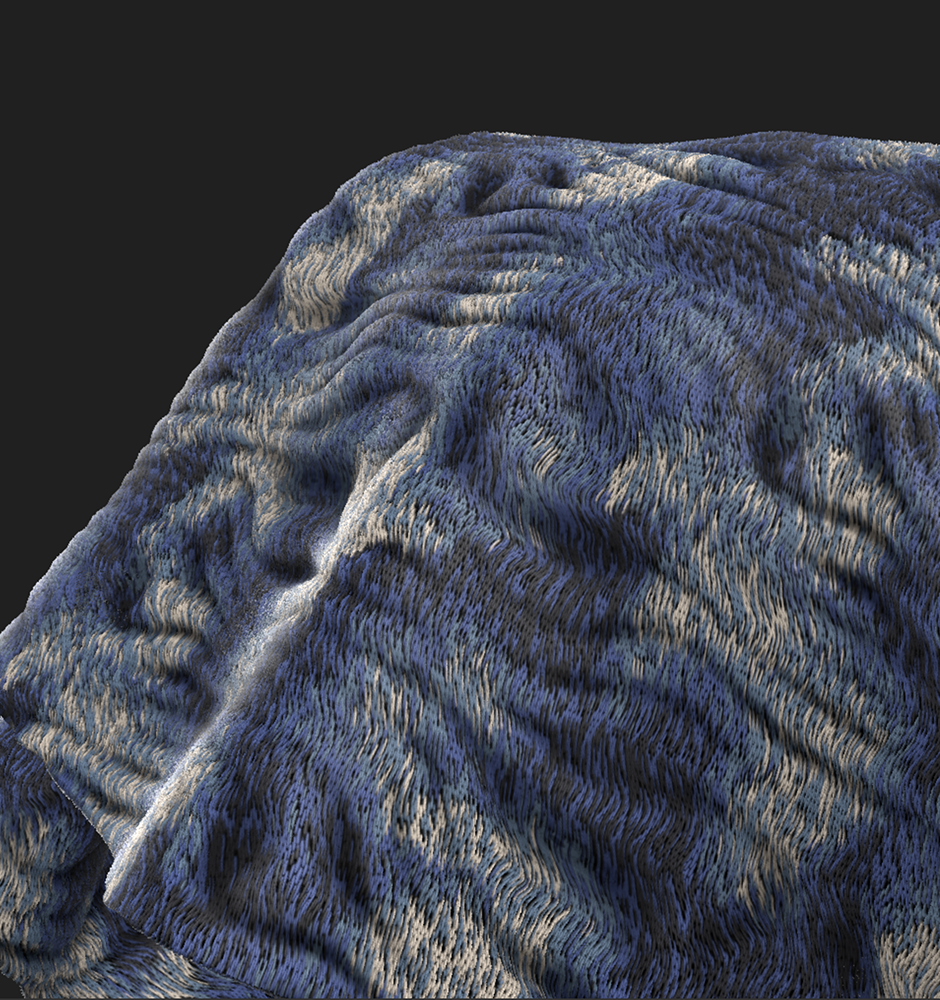
In X, in Y, in Z, in time: experiments in weaving
Woven fabrics derive their physical properties, and their potential uses, from the materials they’re made of and the structures in which they’re interlaced together. Operating within this binary – ingredients and recipe, “what” and “how” – we can radically change how a fabric looks, feels and behaves. Weaving, at its core an additive manufacturing process, has much in common with other fabrication methods: it’s receptive to many material inputs, capable of computer-controlled precision and yields
- Apr 14, 2026
- by James Dean, Cornell Chronicle
Why do people oppose violence and support war? How moral views evolve
In a new book, moral psychologist Audun Dahl explains why people change their minds about seemingly obvious moral truths, across situations, lifespans and history.
Lorraine Maxwell
I joined the Design and Environmental Analysis faculty in 1993 as my first full time academic appointment. My first graduate degree was a masters in city and regional planning. I worked as city planner for a large city in New Jersey and as a facility planner and programmer for an architectural firm in New York City. My PhD is in psychology, specifically environmental psychology. My research interests have always been, and continue to be, related