two college students with clipboards talk in front of a sign showing snack foods on a city street
brick facades of city buildings with fire escapes

Degree requirements

Core courses

  • NS 1400 Introduction to Human Biology, Health and Society
  • NS 1150 Nutrition, Health, and Society or NS 1220 Nutrition and the Life Cycle
  • Courses on the biological science, social science and nutritional science aspects of public health

After a year of introductory chemistry and biology, students complete a sequence of courses in organic chemistry, physiology and biochemistry. Students also choose advanced electives in biology in areas such as genetics, evolution, neurobiology, cell biology, microbiology and nutrition. A term of physics and a term of calculus also are required.

Curriculum sheets

Curriculum sheets give an overview of all course requirements and help chart your path to completing your degree. View the sheet for the year you entered the program.

View all CHE curriculum sheets

Courses you could take

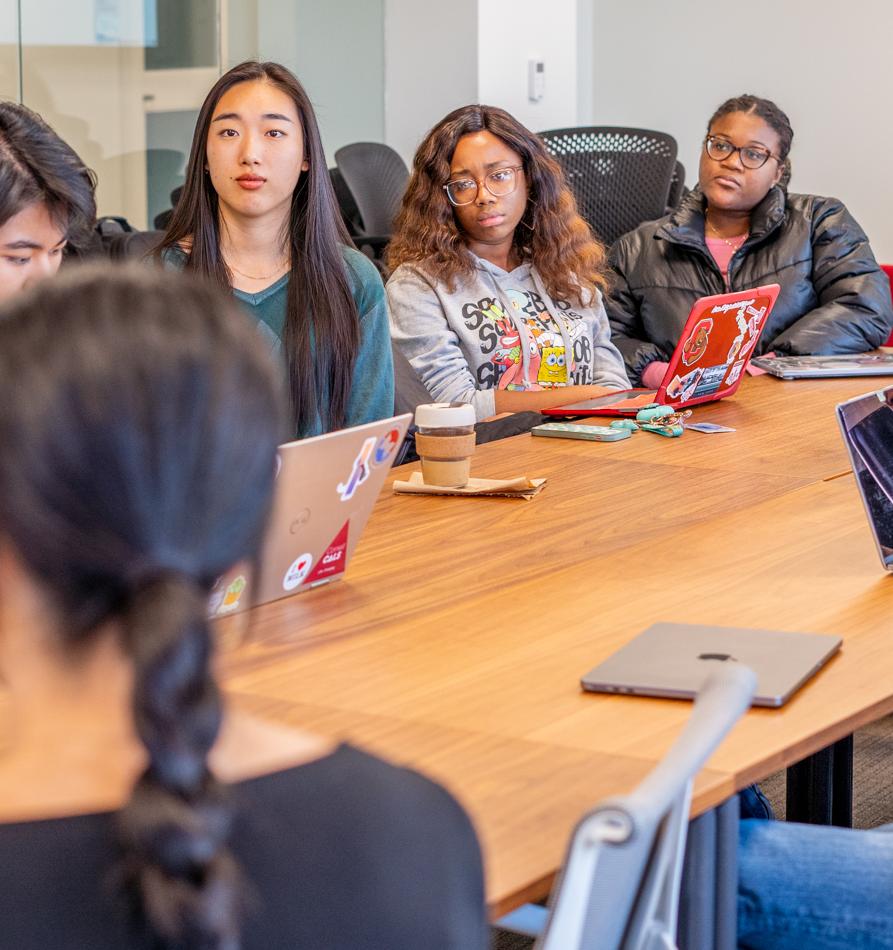
students sitting at a conference table
Obesity and the Regulation of Body Weight (NS 3150)

From psychology to genetics, engage in a multidisciplinary discussion of the causes, effects and treatments of human obesity.

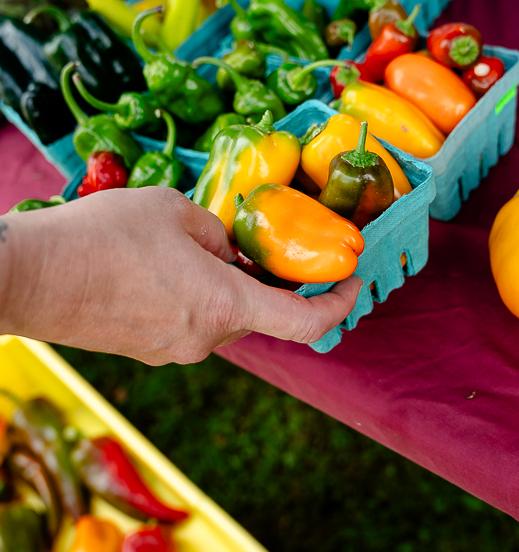
hand taking a pint of peppers from a farm stall
Public Health Nutrition (NS 4500)

Assess, develop and deliver health, nutrition and food assistance information to support population diets at the community, state and national levels.

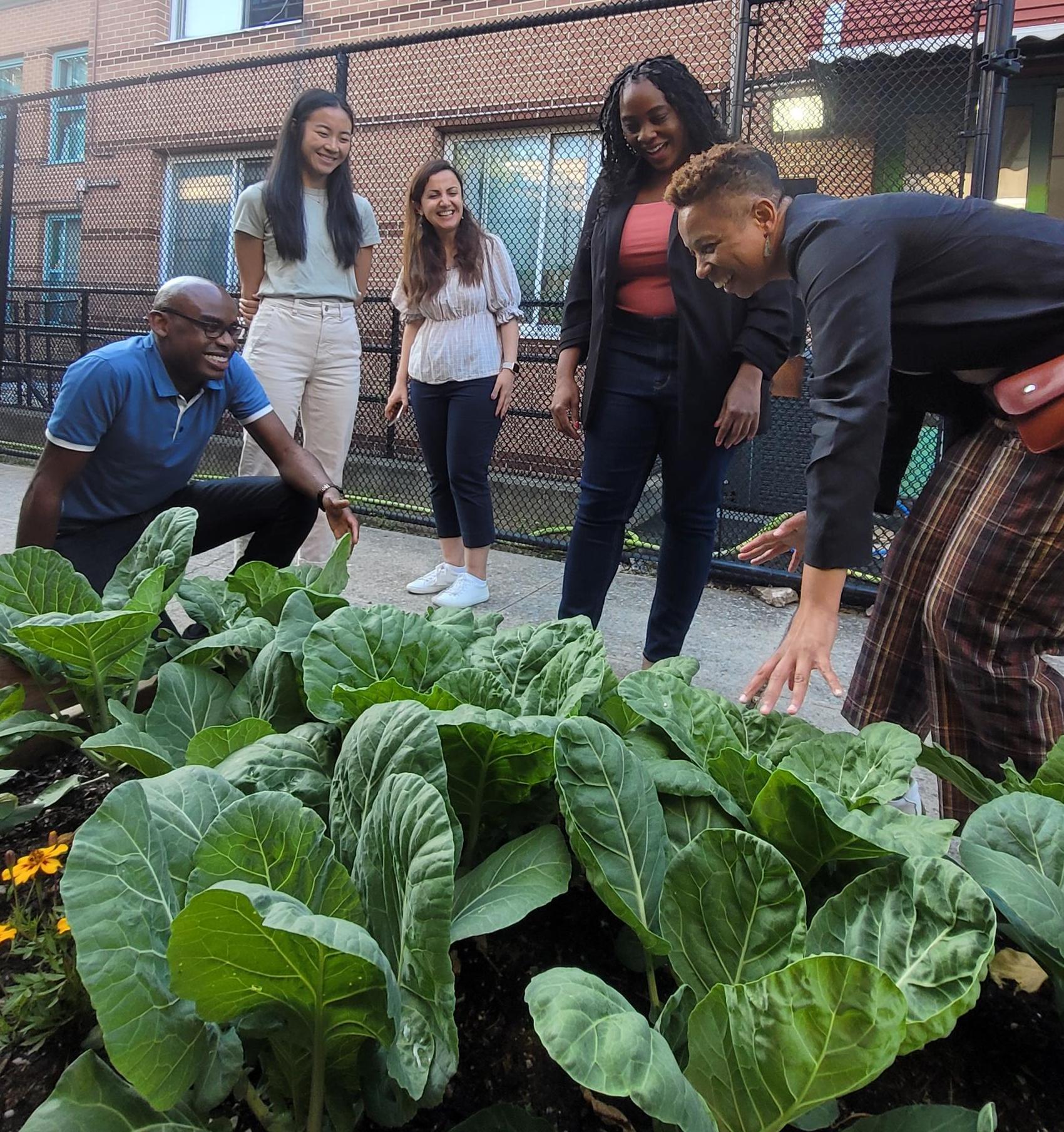
A group of people laugh while visiting an urban garden.
Economics of Food and Malnutrition (NS 4480)

Use a micro-economic approach to understand food and malnutrition from the perspective of individuals and households in the U.S. and developing countries.

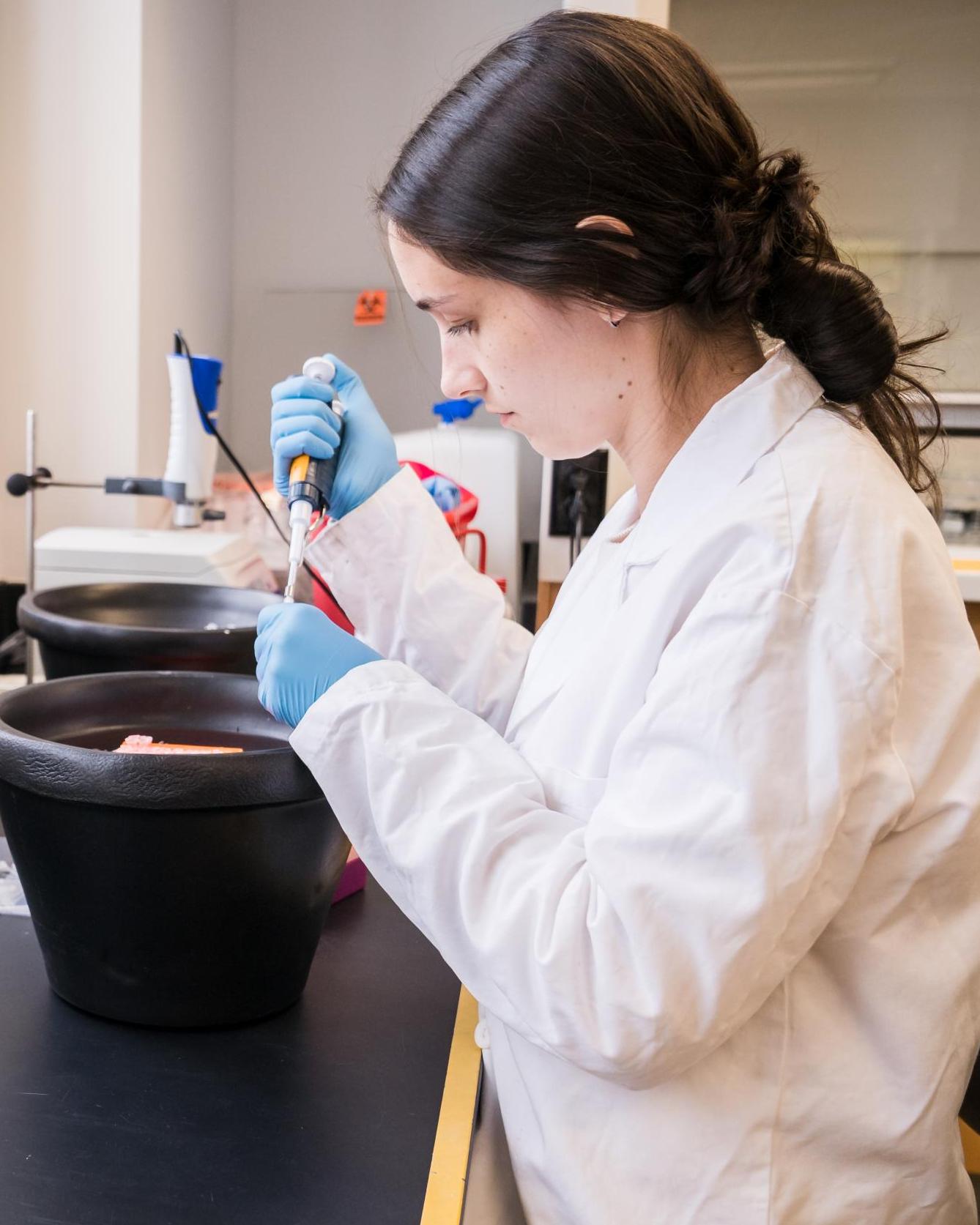
A student works in a lab with a white coat on filling a tube with a pipette.

Career paths

Our graduates thrive in complex environments, bringing a strong knowledge and understanding of the biological and social aspects of health to positions in research, communications, education and business. Many HBHS students pursue advanced degrees in medicine, dentistry, health administration, nutrition, physical therapy and other health-related fields. 

Graduate/professional school

Many HBHS graduates will need to pursue advanced study to attain the academic and experiential credentials to work in their chosen profession. 

Graduates have attended medical schools including Cornell, Yale, Baylor, Vanderbilt, Mount Sinai, and Albert Einstein, as well as Harvard and Columbia dental schools.

You may also apply to the Brooks School of Public Policy's Sloan Program in Health Administration for a five-year BS/MHA degree.

Sample career paths

  • AIDS Cellular Immunology Research, Harvard Medical School and Massachusetts General Hospital
  • Physician, Memorial Sloan Kettering Cancer Center
  • Equity Research Analyst, Suffolk Capital Management
  • Nutritionist, Women Infants and Children
  • Physical Therapist, Stanford Hospital
  • Project Manager, E-Commerce Group, Capital One
  • Research Analyst, Health Care Policy Practice, Lewin Group
  • Senior Counsel, Office of the Corporation Counsel, Law Department

Experiential learning

Beyond the required coursework, you may take advantage of other engaged learning opportunities that provide valuable practical knowledge while furthering your academic or career interests. 

Study away options

You can apply to study abroad through a Cornell University-sponsored program, overseas university, or a program sponsored by another institution. Off-campus study is also offered through one of Cornell’s internship-based programs such as Cornell in Washington in Washington, DC; or the Capital Semester in Albany, New Yoek. 

Internship examples

  • Health scholar, Centers for Disease Control and Prevention (CDC)
  • Health Policy and Analysis intern, Results for Development
  • Hospital volunteer, Crouse Hospital
  • Orthopedic surgical intern, Weill Cornell Medical Center
  • Research assistant, Mount Sinai Hospital
  • Socioeconomics Research Fellowship, International Socioeconomics Lab


DNS experiential learning
group talking in a deli aisle
crowd of people on a city sidewalk
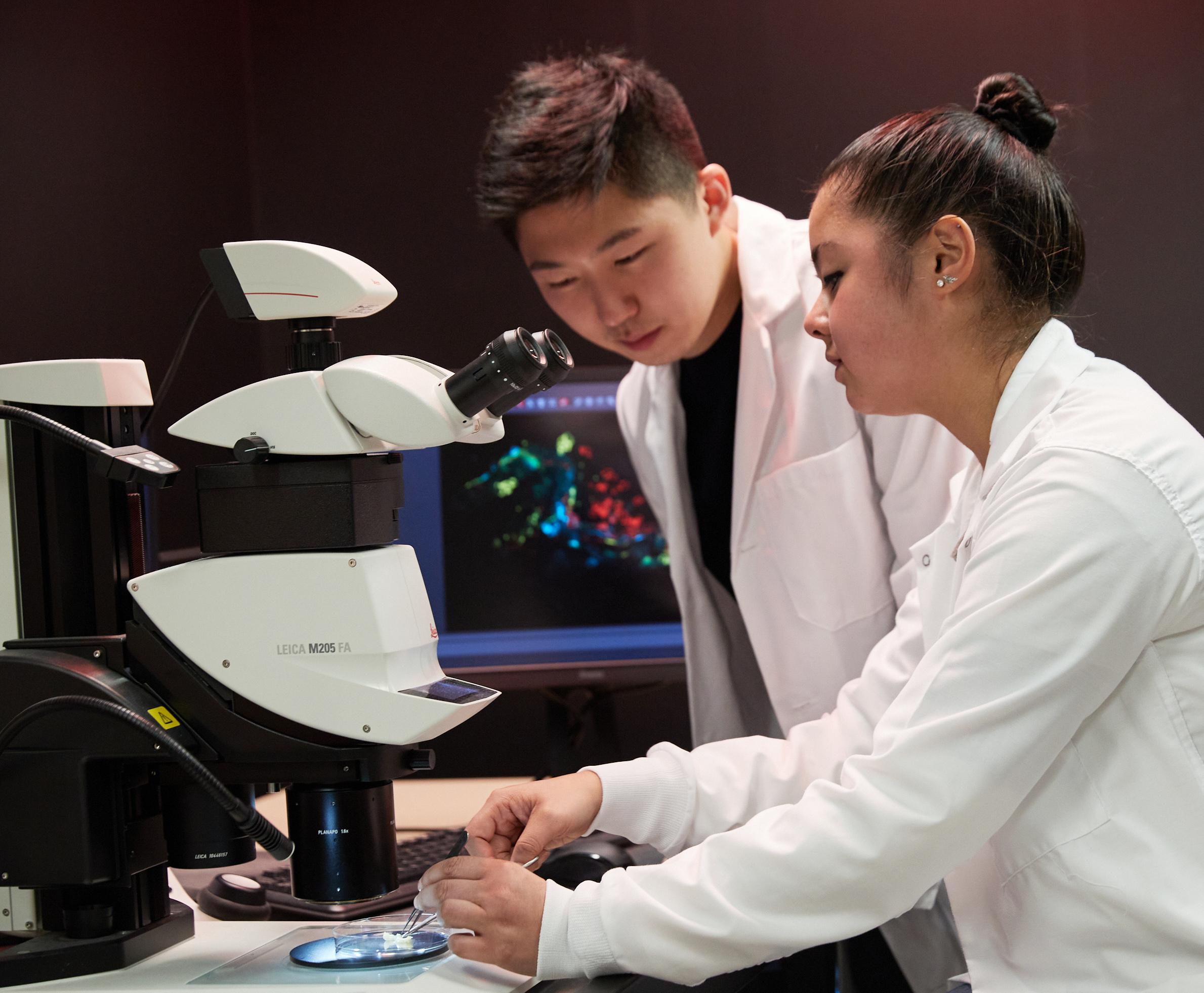
two students in white lab coats look at a specimen under a microscope

Research

Develop, implement and analyze research inquiries as part of a faculty research team or through independent research projects. Or grow your research skills through the DNS Honors Program.

Faculty you'll work with

woman sitting in a bright blue chair smiling
Assistant Clinical Professor
Focus areas Obesity, Disordered eating, Age related weight gain and weight cycling
woman smiling at the camera with a background of artwork made up of bright green squares
Assistant Professor
Focus areas Mitochondrial disease, Metabolic disease, Obesity
Laura Bellows
Associate Professor
Focus areas behavioral nutrition, physical activity, community-based interventions
man sitting in a bright blue chair
H.E. Babcock Professor of Food & Nutrition Economics and Policy
Focus areas Food security, Early life nutrition, Poverty
Associate Professor
Focus areas Polycystic ovary syndrome (PCOS), Ovarian morphology and follicle development, Nutritional and metabolic regulation of ovulation

We are trailblazers

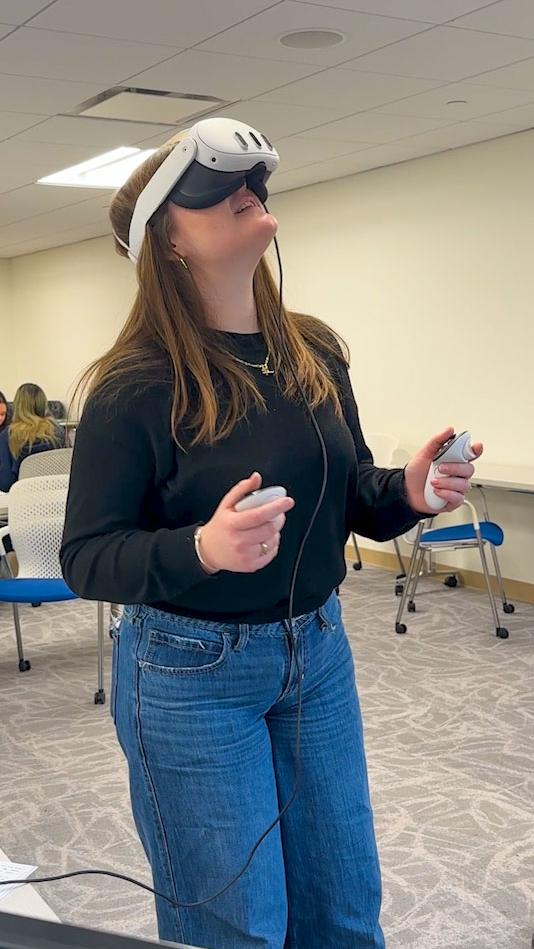
Maeve O'Callaghan with a VR headset
Student in scrubs at hospital
Katja Jackson at a lab table with a sheep brain
Zoe Tarun standing in front of a building
Andrew Meissner working with culture in lab