Cornell University Cornell Human Ecology
  • CHE in NYC
    • Current Students
    • Faculty + Staff
Give
    • What is Human Ecology?
    • Strategic Vision 2030
    • Peek Inside CHE
    • Administration
    • CHE in NYC
    • CHE at 100
    • People Directory
    • News + Profiles
    • Events
    • Undergraduate majors + minors
    • Graduate degrees
    • Career Outcomes
    • Student Services
    • Research
    • Departments
    • Faculty Directory
    • Centers + Institutes
    • Community-Engaged Learning
    • Off-Campus Learning
    • Student Life
    • Social Impact + Justice
    • Alumni
    • People Directory
    • Community Engagement Overview
    • Community-Engaged Learning
    • Bronfenbrenner Center for Translational Research
    • Center for Precision Nutrition + Health
    • Cornell Cooperative Extension
    • Cornell University Cooperative Extension - NYC
    • Alumni Overview
    • Our Alumni
    • Give to CHE
    • Get Involved
    • Contact AAD
    • Admissions Overview
    • First-Year Admissions
    • Transfer Admissions
    • Graduate Admissions
    • Exchange Programs
    • Design Application Supplements
    • Cornell Financial Aid
    • Apply
    • Visit
Popular search terms
  • CHE News
  • Sustainability
  • Human Centered Design
Cornell University Cornell Human Ecology
  • What is Human Ecology?
  • Strategic Vision 2030
  • Peek Inside CHE
  • Administration
  • CHE in NYC
  • CHE at 100
  • People Directory
  • News + Profiles
  • Events
  • Undergraduate majors + minors
  • Graduate degrees
  • Career Outcomes
  • Student Services
  • Research
  • Departments
  • Faculty Directory
  • Centers + Institutes
  • Community-Engaged Learning
  • Off-Campus Learning
  • Student Life
  • Social Impact + Justice
  • Alumni
  • People Directory
  • Community Engagement Overview
  • Community-Engaged Learning
  • Bronfenbrenner Center for Translational Research
  • Center for Precision Nutrition + Health
  • Cornell Cooperative Extension
  • Cornell University Cooperative Extension - NYC
  • Alumni Overview
  • Our Alumni
  • Give to CHE
  • Get Involved
  • Contact AAD
  • Admissions Overview
  • First-Year Admissions
  • Transfer Admissions
  • Graduate Admissions
  • Exchange Programs
  • Design Application Supplements
  • Cornell Financial Aid
  • Apply
  • Visit
Give
  • CHE in NYC
  • Current Students
  • Faculty + Staff
  1. Home
  2. Search

Search

Popular search terms
  • CHE News
  • Sustainability
  • Human Centered Design
  • (-) All (1562)
  • Degrees (39)
  • Events (87)
  • News and Profiles (684)
  • People (574)
Degrees

M.S. Human Environment Relations

About

Use evidence-based design strategies to create spaces that help every user reach their unique and varied goals.

two pairs of hands holding square, clear, colored, transparent building material samples
Pages

Dietetic Internship

Pages

Summer + Winter Courses

Pages

Human Ecology Alumni Association

People

Catherine Kueffer Blumenkamp

Department
Human Centered Design
About

Catherine Kueffer Blumenkamp is a designer and educator whose work is guided by her interest in material culture and the aesthetic, cultural, and collective meanings of design.

As an assistant teaching professor in Human Centered Design, she teaches courses in fashion, aesthetics and society and fashion draping; hosts workshops that invite outside experts to share their experience with the Human Centered Design community; and serves as associate director of the Cornell Fashion + Textile Collection

portrait of a woman standing in front of bright green panels
Event
  • Nov 12 ,2026
  • by Saleh Kalantari
  • Human Centered Design
  • Human Ecology Building T01

From SuperAging to preclinical Alzheimer’s disease: how spatial navigation can help uncover mechanisms of cognitive aging

Department
Human Centered Design
About

Deficits with spatial navigation are a hallmark of healthy aging, which can compromise mobility and independence. In addition, wandering behavior is the second most common behavioral deficit in advanced Alzheimer’s disease (AD), and path integration has been proposed as a sensitive indicator for detecting patients at increased risk of AD. In this talk, I will present a series of studies with human participants combining blood biomarker analysis, immersive virtual reality and functional / molecular neuroimaging
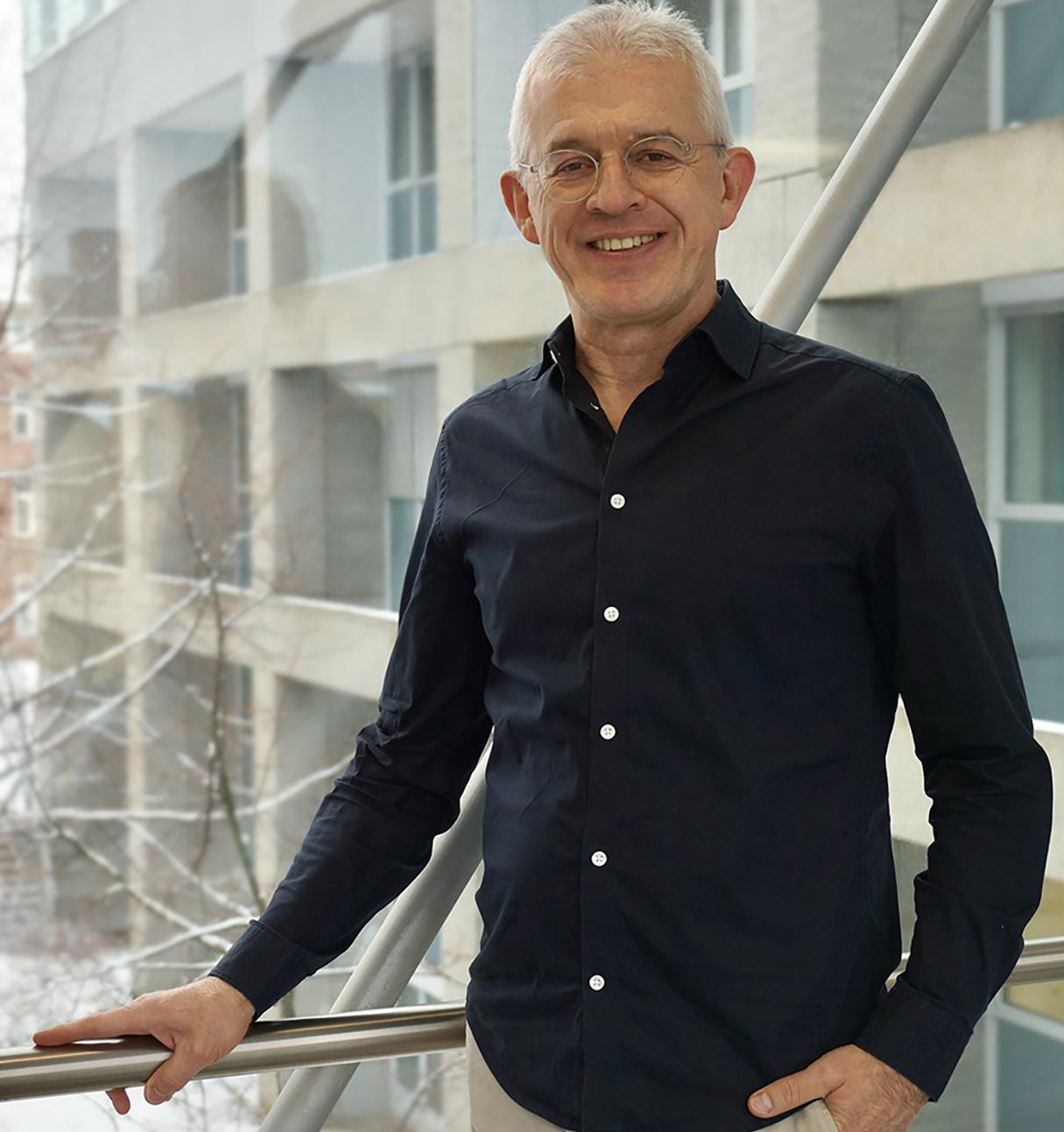
Thomas Wolberg
Pages

Our Alumni

First Previous
  • First Page 1
  • …
  • Page 218
  • Page 219
  • Current page 220
  • Page 221
  • Page 222
  • …
  • Last Page 224
Next Last
Cornell University Cornell Human Ecology

Footer

  • For the Media
  • Support CHE
  • Contact + Directions
Follow US
  • Facebook
  • Instagram
  • LinkedIn
  • X
Acknowledgement of
Gayogo̱hó:nǫ' Land
fall scene with trees with yellow leaves and a small waterfall
chefacilities [at] cornell.edu (Martha Van Rensselaer Hall)

Ithaca, NY 14853

(607) 255-2446
  • Web Accessibility
  • Privacy Notice
  • Equal Education and Employment
  • Cornell University
© 2026 College of Human Ecology