Curriculum

The MPS in Human Ecology requires a minimum of 30 credits. The individualized curriculum combines core courses, electives and an experiential project. You will select courses in consultation with a faculty advisor to align with your professional goals and project focus.

The focused electives in nutrition science typically include:

  • 4 credits advanced nutrition foundational course 
  • 2 credits of nutrition seminars
  • 6 credits for nutrition project in area of interest
  • 2 credits for professional development
  • 12-16 credits of nutrition electives 
  • Up to 6 credits of other elective courses 
See additional program and university requirements
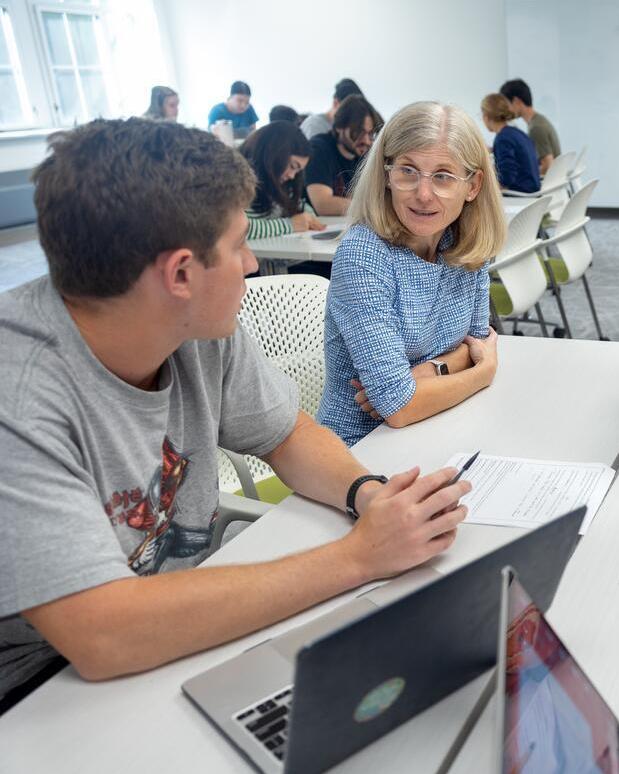
A student talks with a professor

Courses you can take

You will complete 12-16 credits of nutrition science electives and up to 6 credits of other elective courses. Visit the University Catalog for course descriptions.

Offered in the fall semester:

  • NS 6140 Maternal and Child Nutrition and Health
  • NS 6310 Micronutrients: Function, Homeostasis, and Assessment
  • NS 6330 Nutrition and the Brain
  • NS 6410 Nutrition and Disease
  • NS 6480 Economics of Food and Malnutrition
  • NS 6500 Public Health Nutrition

Offered in the spring semester:

  • NS 5150 Obesity and the Regulation of Body Weight
  • NS 5510 Nutrition Assessment
  • NS 5600 Epidemiology
  • NS 6210 Precision Nutrition and Health
  • NS 6300 Proteins, Transcripts and Metabolism: Big Data in Molecular Nutrition
  • NS 6320 Regulation of Macronutrient Metabolism
  • NS 6510 Nutrition and Health Equity
  • NS 6200 Translational research and Evidence-based Policy and Practice in Nutrition

Offered in the fall semester: 

  • HD 6650 Poverty, Children, and the Environment 
  • DEA 6200 Studies in Human-Environment Relations
  • PUBPOL 5360 Program Evaluation for Community Organizations 
  • BME 6120 Precision and Genomic Medicine
  • CS 5700 Foundations of AI Reasoning and Decision-Making
  • INFO 5355 Human Computer Interaction Design
  • VTPEH 6184 Strategic Public Health Communication
  • VTPEH 6121 Food Systems and Health

Offered in the spring semester

  • DEA 6550 Healthcare Innovations  
  • PUBPOL 5180 Strategic Planning for Nonprofit Organizations  
  • PUBPOL 5670 Health Policy
  • FDSC 6220 Foods, Dietary Supplements, and Health
  • FDSC 6260 We Are What We Eat: Linking Food With Intestinal Functionality and Microbiome
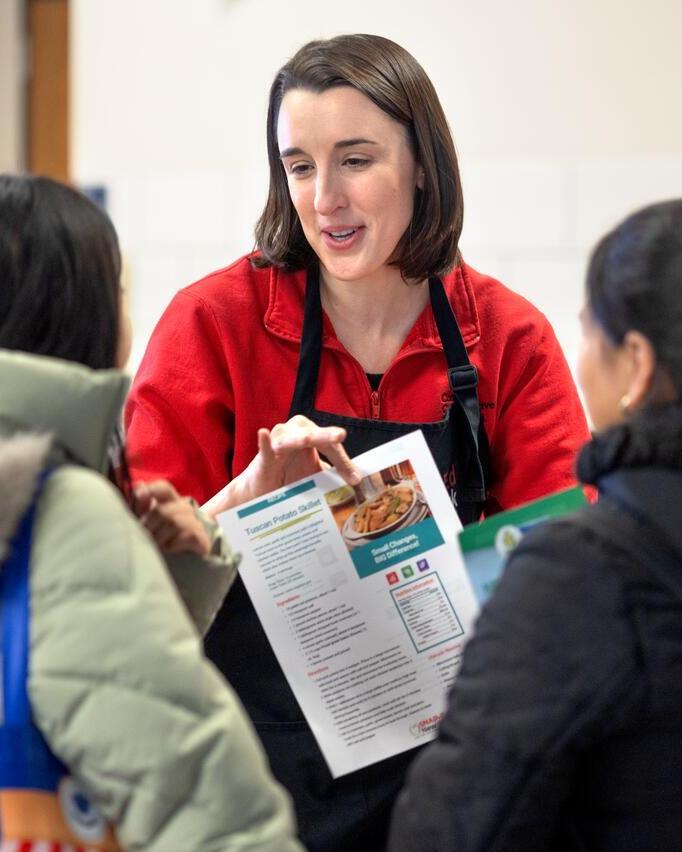
Person providing community nutrition educatin

What you can do with the degree

You'll be ready for a career in a variety of health, nutrition and wellness-focused organizations.

  • Public health nutrition specialist: local and state health departments, WIC, SNAP-Ed, community health organizations, nonprofit organizations
  • Community health communication or nutrition education specialist
  • Nutrition policy analyst
  • International public health nutrition specialist or program associate: WHO/PAHO, Cochrane, RTI International, UNICEF, GAIN 
  • School Nutrition Program coordinator
  • Food is Medicine program coordinator
  • Employee health and wellness manager
  • Regulatory affairs specialist
  • Nutrition content creator/writer
  • Consumer affairs representative
  • Nutrition sales representative
  • Digital health nutrition specialist: develop user education for telehealth and virtual care companies
  • Content specialist for nutrition apps: nutrition evidence review
  • Health equity and algorithm evaluation specialist for AI health companies
  • Registered Dietitian Nutritionist or Clinical Nutrition Specialist (the MPS partially meets the requirements for these career paths)
  • Medicine (physician, physician assistant, nurse practitioner, registered nurse)
  • Dentistry
  • Physical therapy, occupational therapy, speech therapy
  • Other allied health careers

Ph.D. program in public health, nutrition, or similar

Project examples

The project is a chance to translate your coursework and research into professional practice, under the mentorship of a faculty member.

Maternal and child health

  • Prenatal micronutrient counseling evidence brief
  • Infant feeding communication audit
  • Gestational weight gain data visualization

Metabolic health

  • Nutrition education tools for patients with polyendocrine metabolic ovarian syndrome
  • Culinary medicine teaching module connecting cooking skills to metabolic risk reduction
  • Secondary data analysis exploring intermittent fasting and metabolic dysfunction associated steatotic liver disease (MASLD)

Public health and health equity

  • School meal or early childhood nutrition environment scan
  • Food insecurity support scan to identify gaps and equity barriers in a community
  • Food bank access and racial equity secondary data analyses
  • Social media nutrition education campaign for student-athletes

Precision health

  • AI tools and personalized nutrition ethics brief
  • Wearable technology and precision nutrition review
  • Exploration of racial differences in iron status measured by the NutriPhone

Our faculty

Faculty in the Division of Nutritional Sciences study human nutrition at levels ranging from molecules to populations, drawing on the chemical, biological, and social sciences to understand the complex relationships among human health, nutritional status, food and lifestyle patterns, and social and institutional environments. Understanding these relationships includes studying:

  • the metabolic regulation and function of nutrients
  • nutrient requirements throughout the life span
  • the role of diet in reducing disease risk
  • the nutritional quality of foods
  • interventions and policies designed to promote the nutritional health of individuals and populations
Learn more about our faculty research
A lab research fills a tube as Martha Field looks on

Research and teaching faculty

woman wearing a checked top
Associate Professor
Associate Dean for CHE in NYC
Focus areas Nutrition and health equity, Adolescents, Community-based interventions
portrait of a man with a colorful hanging sculpture behind him
Janet and Gordon Lankton Professor
Focus areas Precision nutrition, Global health, Point-of-care diagnostics
portrait of a woman with long brown hair
Professor
Focus areas Maternal/fetal nutrition, Vitamin D + iron, Gut microbiome
woman sitting in a bright blue chair smiling
Assistant Clinical Professor
Focus areas Obesity, Disordered eating, Age related weight gain and weight cycling
woman smiling at the camera with a background of artwork made up of bright green squares
Assistant Professor
Focus areas Mitochondrial disease, Metabolic disease, Obesity
Tolunay Beker Aydemir
Associate Professor
Focus areas Micronutrient-gene, Micronutrient-macronutrient, Micronutrient-disease
Laura Bellows
Professor
Focus areas maternal child nutrition, physical activity, community-engaged research
man wearing glasses and a button down shirt
Andre Bensadoun Associate Professor
Focus areas Adipose tissue biology, Systemic metabolism
paige
Assistant Professor
Focus areas Eating behavior, Sensory science, Obesity, Satiation and energy intake
David Erickson
Joint Professor
portrait of a woman in a black blouse
Associate Professor
Focus areas Mitochondrial one-carbon metabolism, Erythritol as a biomarker
man in a blue button down shirt
Assistant Professor in Social and Behavioral Science in Nutrition
Focus areas Community-based interventions to promote nutrition security, Local agriculture and food insecurity, Urban food environments
woman in a black shirt with an iridescent mobile hanging behind her
Professor of Epidemiology and Nutrition
Focus areas Epidemiology, One-carbon metabolism, Maternal and child nutrition

Extension Associate
Focus areas Food and nutrition education in communities, Farmer's market nutrition programs
Portrait of Shibani Ghosh
Associate Professor
Focus areas Global nutrition (maternal and infant), Food systems, Nutritional and environmental determinants, Public health interventions and policy
woman in a brown shirt smiling at the camera
Associate Professor of Practice, Dietetic Internship Director
Focus areas Dietetics education and accreditation, Medical nutrition therapy + management
woman outside
Assistant Professor
Focus areas Molecular regulation of human milk production, Human milk composition
Lecturer & Didactic Program in Dietetics (DPD) Director
Focus areas Dietetics, Early adolescent food choice, Community nutrition
man sitting in a bright blue chair
H.E. Babcock Professor of Food & Nutrition Economics and Policy
Focus areas Food security, Early life nutrition, Poverty
portrait of a woman wearing a dark coat standing in a garden
Associate Professor
Focus areas Host-microbe interactions, Infant nutrition, Sphingolipids
portrait of a man in a blue button down shirt standing in front of a colorful outdoor sculpture
Division Director; Schleifer Family Professor
Focus areas Lipid metabolism, Molecular response to fasting, Precision nutrition
portrait of a person in a blue button down shirt and dark jacket
Joint Professor
Focus areas Sustainable animal agriculture, Food security, Environmental protection
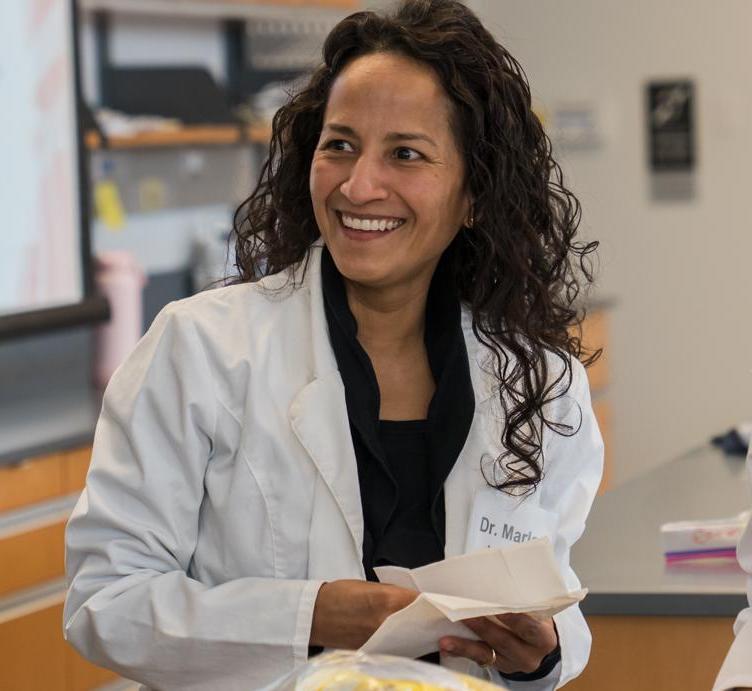
Professor
Focus areas Polycystic ovary syndrome (PCOS), Ovarian morphology and follicle development, Nutritional and metabolic regulation of ovulation
Portrait of Melisa Medina Rivera
Lecturer
Focus areas Biomedical sciences, Biochemistry, Breastfeeding and viral disease transmission
portrait of a woman in black framed glasses looking at the camera
The Nancy Schlegel Meinig Associate Professor of Maternal and Child Nutrition
Focus areas Health equity/racism, Food and nutrition security, Social and structural determinants
smiling woman wearing an off-shoulder top
Assistant Professor
Focus areas Precision nutrition, Gut microbiota and metabolic health, Oral microbiota and pathologies
man wearing glasses standing in a lab with shelves of glass bottles behind him
James Jamison Professor
Focus areas Translational reprogramming, Nutrient stress response, mRNA epigenetics
Kelly Quinn
Lecturer
Focus areas Community-engaged learning, Dietetics
Research Associate
Research Associate
David Sahn headshot
Professor
Focus areas Global health, Nutrition + economics in developing countries, Global food policy
portrait of a man wearing glasses sitting in a bright blue upholstered chair
Assistant Professor
Focus areas Molecular nutrition, Proteomics, Bioinformatics
man in a blue sweater and glasses
Assistant Professor
Focus areas Nutrition and metabolism in DNA damage, Cancer and aging, Targeted treatments for DNA damage
portrait of a woman in a black shirt
Lois and Mel Tukman Assistant Professor
Focus areas Brain-body interactions that govern metabolic regulation

How to apply

Submit your application for graduate study directly to the Graduate School.

  • A complete application includes:
  • An academic statement of purpose
  • A personal statement
  • Unofficial transcripts
  • Two (preferably three) letters of recommendation
  • Resume or CV

Please do not include copies of certificates, passports or other documents.

We will not review your application until it is fully complete, including TOEFL/IELTS test scores. No individual faculty member can offer you admission. A graduate admissions committee will read your application when it is complete and make the decision. 

If you have questions, please email DNSGrad [at] cornell.edu (DNSGrad[at]cornell[dot]edu).

Application deadlines

The priority deadline for fall admission is January 15. The final deadline is May 1. We do not admit for spring. 

Apply to the Graduate School

Tuition and fees

Visit the Office of the Bursar for information on tuition and fees.

Tuition rates and fees

Contact us

Program email

DNSGrad [at] cornell.edu (DNSGrad[at]cornell[dot]edu)

Directors of the Graduate Field of Nutrition

Laura Bellows (laura.bellows [at] cornell.edu (laura[dot]bellows[at]cornell[dot]edu)

Kimberly O’Brien (KOO4 [at] cornell.edu (KOO4[at]cornell[dot]edu))

Director of epidemiology

Julia Finkelstein (JFinkelstein [at] cornell.edu (JFinkelstein[at]cornell[dot]edu))

Dietetics director

Emily Gier (EG47 [at] cornell.edu (EG47[at]cornell[dot]edu))