Minor in Translational Research
Learn how to turn research into social impact

- Aug 21, 2026
- by Juan Vazquez-Leddon
- Community Engagement
New Leadership at Bronfenbrenner Center for Translational Research
Laura Bellows, a professor in the Division of Nutritional Sciences, has been named the new faculty director of the Bronfenbrenner Center for Translational Research (BCTR). She begins her term on Sept. 1, taking over for Anthony Burrow, professor of psychology, who led the center for six years.
Bellows came to Cornell in 2021 after 20 years at Colorado State, where she earned a Ph.D. in community nutrition. Bellows’ research focuses on early childhood
- Sep 19 ,2026
- by Kristen Carter Elmore
- Psychology, Cornell Human Ecology, Bronfenbrenner Center for Translational Research
- 570 Lexington Ave., 12th Floor, New York, NY 10022
Head Start & Early Childhood Education Summit
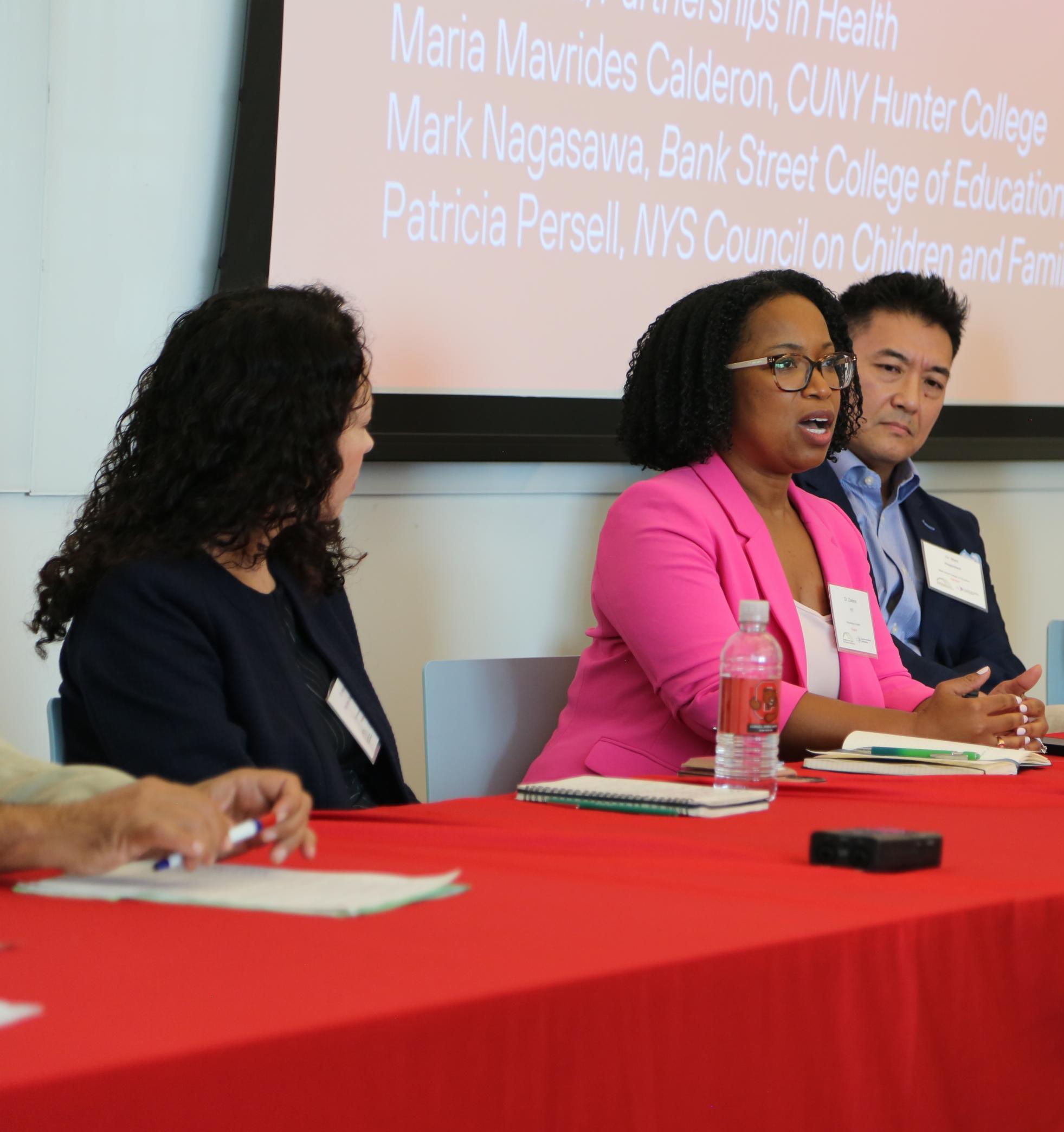
This summit brings together early childhood researchers, policymakers and practitioners to examine the research foundations, policy implications and practical applications of early child care programs.
Registration has closed for the event. For registered attendees, event information can be found at the summit website.
Stephen Ceci
I am the author of approximately 450 articles, books, commentaries, reviews, and chapters, many in the premier journals in the field. According to Google Scholar, my work has been cited about 43,000 times and my h-index is 83-84, i10=261, with ~40 publications each cited over 100 times and 10 cited over 1,000 times. I have given hundreds of invited addresses and keynote speeches around the world (Harvard, Cambridge University, Oxford, Yale, Princeton, University of Rome
Denise N. Green