- Mar 20 ,2026
- by Karen Steffy
- Human Centered Design
- Human Ecology Building T01
Understanding the chemical principles underpinning the fundamental features of life beyond biochemistry within the origins of life context
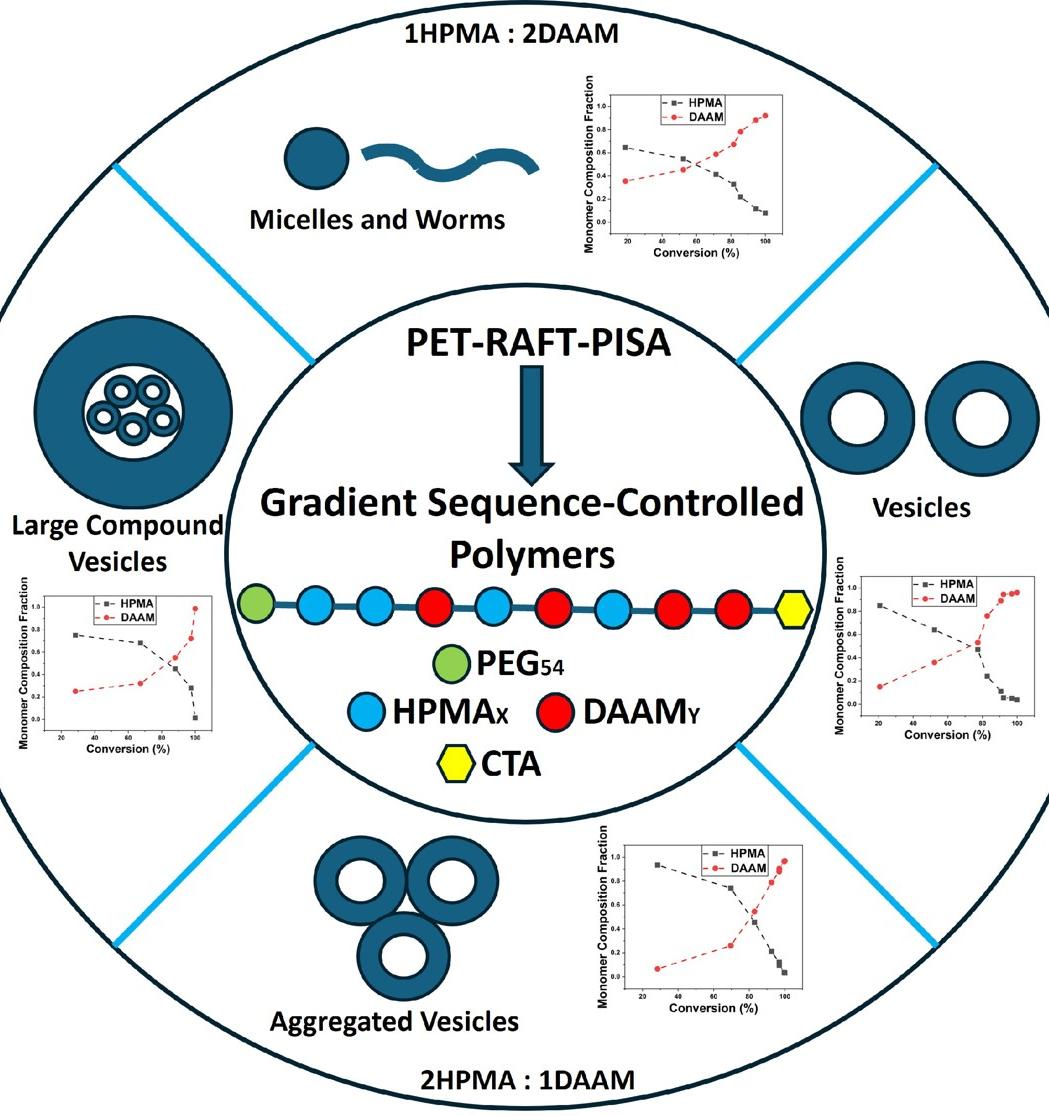
Investigating prebiotic chemistry and the fundamental features of life like metabolism, information, self-reproduction, natural selection and computation, is significant within the origins of life research. In this context, one of the key elements constitutes the synthesis of chemistry-based natural-life-mimicking artificial or synthetic living systems, starting from a homogeneous aqueous blend of a few strictly non-biochemical compounds, using a technique called polymerization-induced self-assembly (PISA). In one of the studies, gradient sequence-controlled polymers were generated through PET-RAFT-PISA
- Mar 25 ,2026
- by Lynandrea Mejia
- Bronfenbrenner Center for Translational Research
- MVR 1102 and Zoom
Relational Stability and Social Support of Children in Out-of-Home Care
This is part of the Talks at Twelve series from the Bronfenbrenner Center for Translational Research.
This talk will will focus on how relationships for children in out-of-home care can be supported and sustained beyond placement endings, recognizing the importance for young people and their carers to have an ongoing relationship, even if they are no longer living together, along with the importance of facilitating relationships with birth family.
A particular focus will be on

- Apr 9 ,2026
- by Lynandrea Mejia
- Bronfenbrenner Center for Translational Research
- MVR 1102 and Zoom
Data-Driven Policy Change – A Rigorous Approach to System Analysis and Transformation
This is part of the Talks at Twelve series from the Bronfenbrenner Center for Translational Research.
Systems transformation efforts grounded in deep engagement with stakeholders, rigorous analysis of data, and a nuanced understanding of the complexity of policy and practice can maximize the impact of changes and improve outcomes among youth and families involved with public human service systems. Using examples from her work in Illinois and across the country, Dana Weiner ’92 will describe