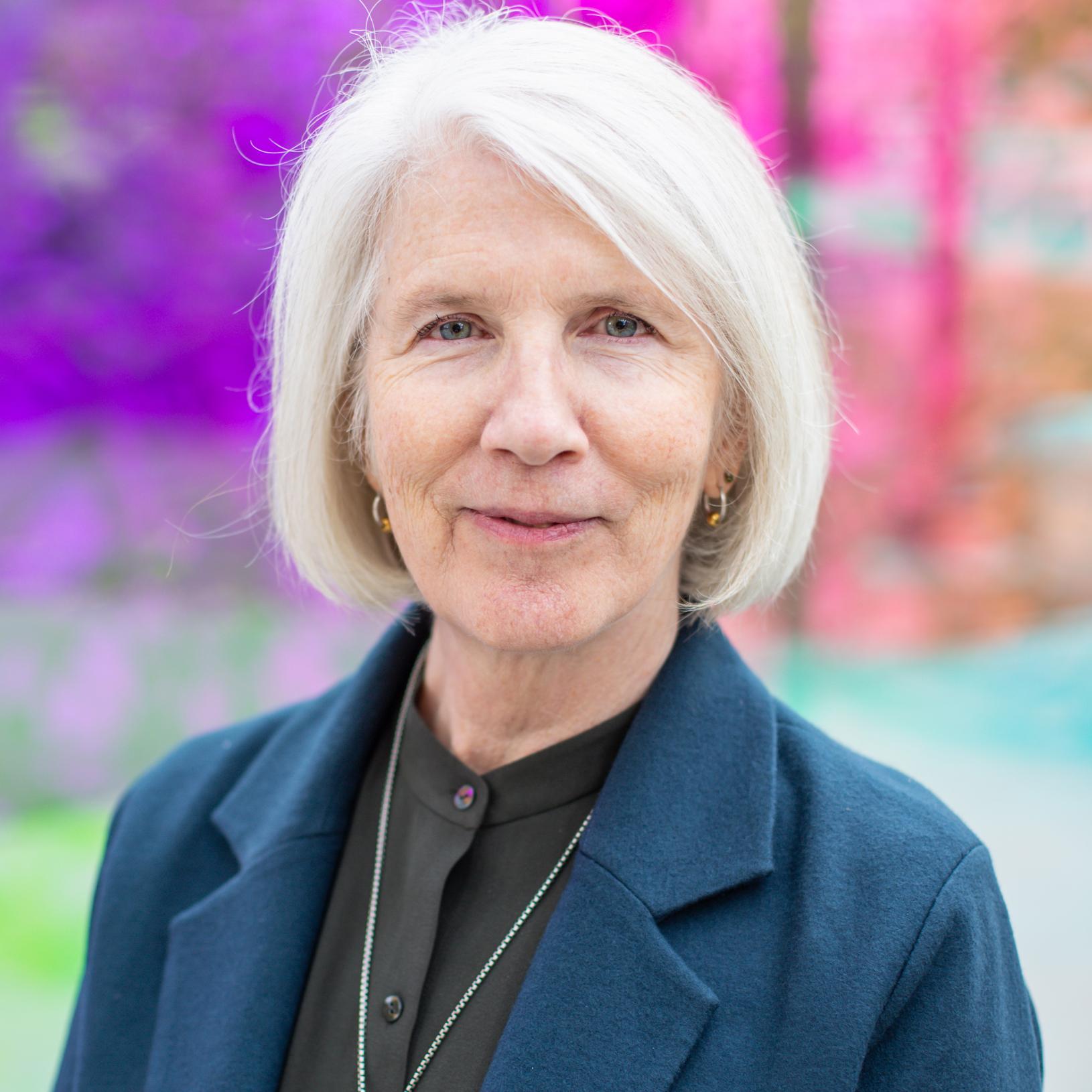
Rachel Dunifon
Rachel Dunifon is the Rebecca Q. and James C. Morgan Dean of Cornell University’s College of Human Ecology, where she leads efforts to connect knowledge with action to address society’s most pressing human challenges.
Since becoming dean in 2018, Dunifon led a transformative strategic planning process that expanded the college’s presence in New York City, recruited faculty in critical areas of excellence, strengthened public engagement and elevated the student experience. A centerpiece of Dunifon’s leadership
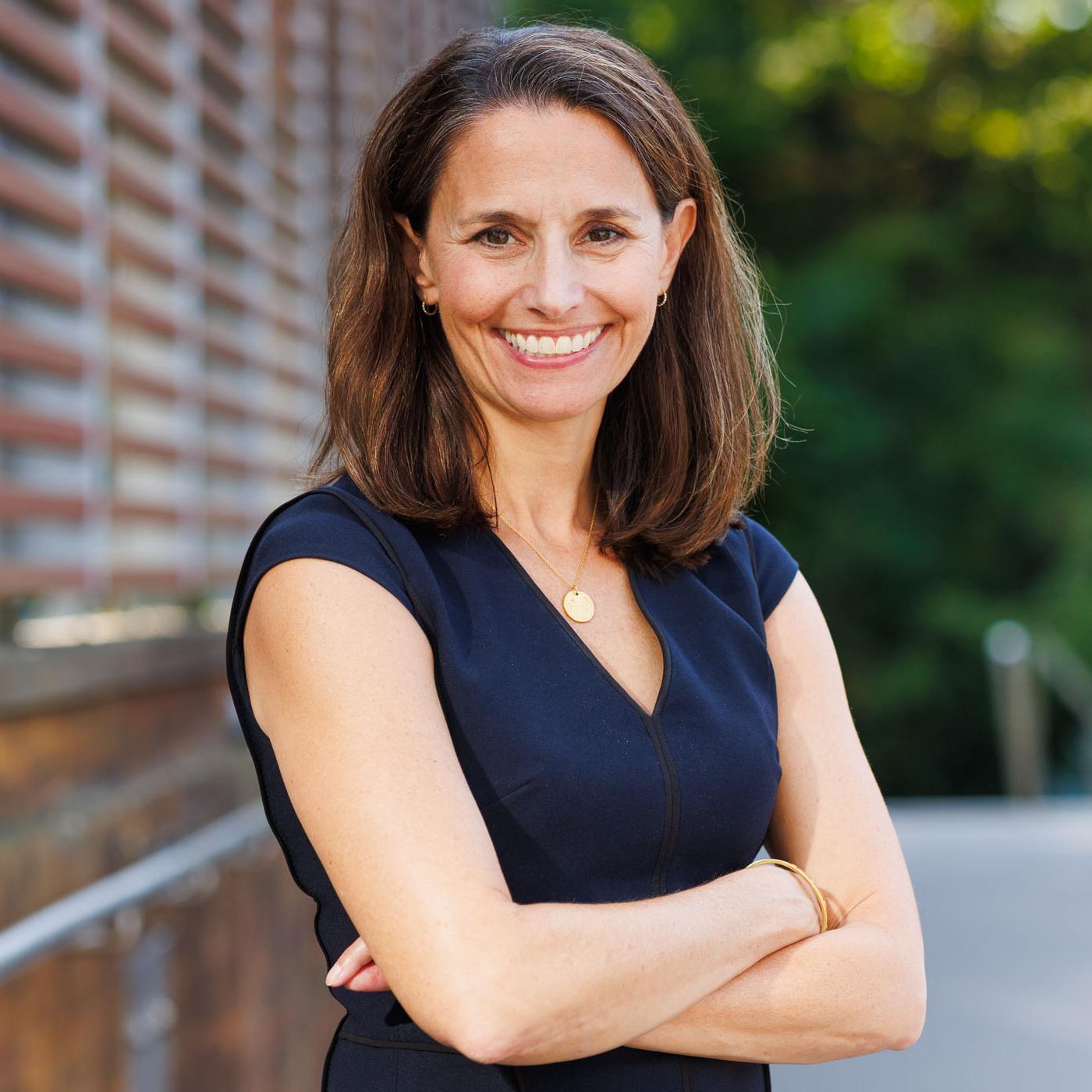
Fatma Baytar
Dr. Fatma Baytar is an Associate Professor in the Department of Human Centered Design at Cornell University. Her research foci are two-fold. The first is on developing new computational tools and methods for achieving seamless digitalization of new product development in the apparel industry. The second is on educating current and future workforce on using 3D digital technologies. Dr. Baytar is cross-trained in textile engineering and apparel design, and has extensive research and teaching experiences
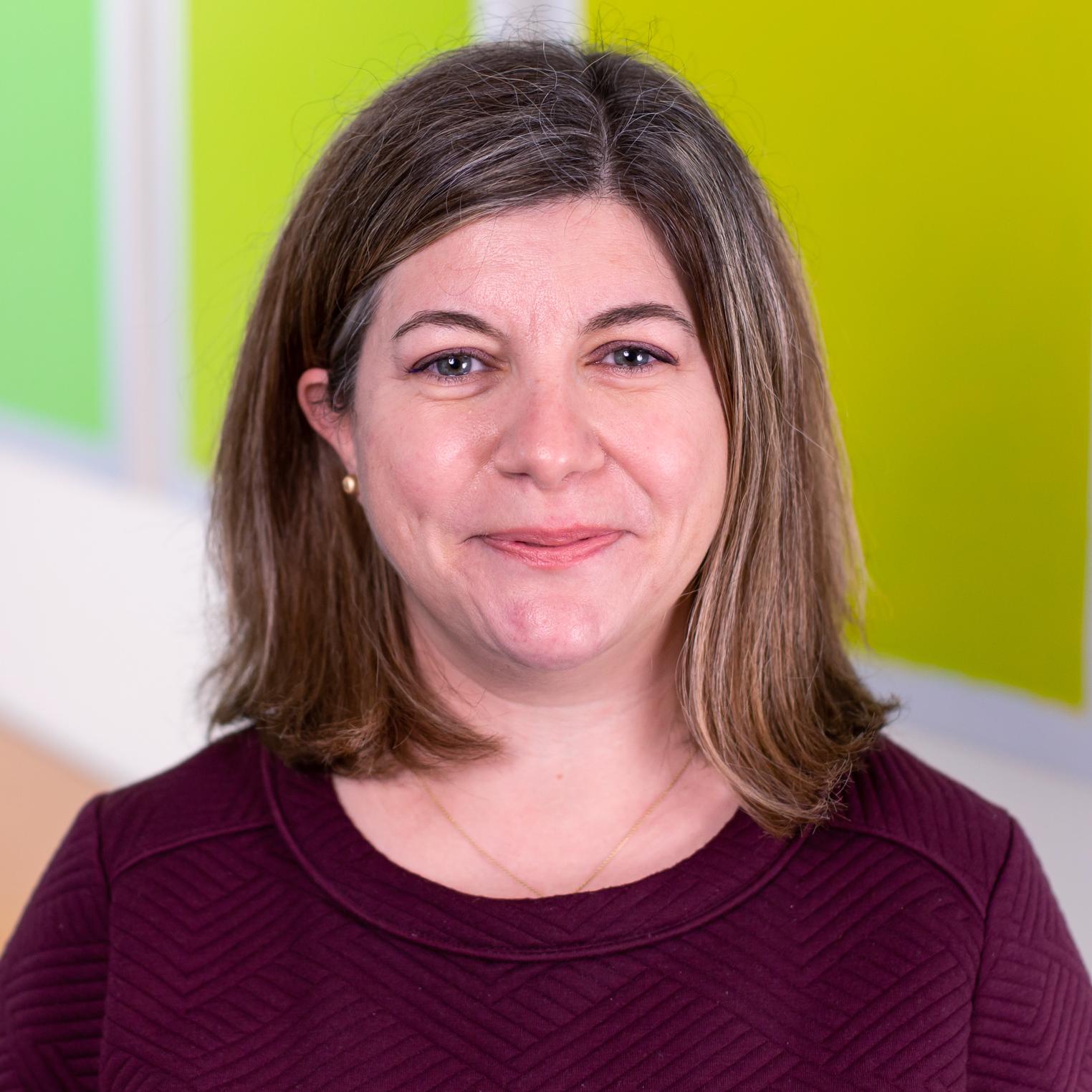
Jung-hye Shin
I believe in the power of how we design our homes and communities to influence our everyday well-being. The experiences we have within their designs reflect complex interactions among the physical structure, social relations, and sociocultural expectations that govern our built environment. My most recent research has focused on the role of home and communities in helping older adults age in place. I listen to their lived experiences and observe their everyday practices in hopes
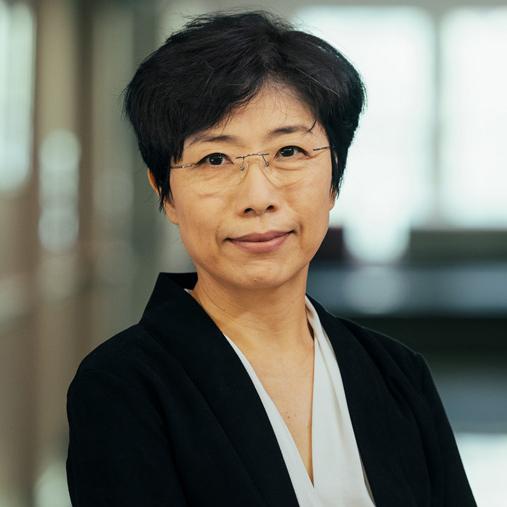
Angela Odoms-Young
Angela Odoms-Young, PhD (she/her/hers)
- The Nancy Schlegel Meinig Associate Professor of Maternal and Child Nutrition
- Director of the Food and Nutrition Education in Communities Program (FNEC) and New York State Expanded Food and Nutrition Education Program (EFNEP)
- Cornell Cooperative Extension Critical Issue Lead for Human Nutrition, Food Safety and Security, and Obesity Prevention
Dr. Odoms-Young's research explores how social and structural factors shape dietary behaviors and contribute to disparities in diet-related chronic diseases. Using
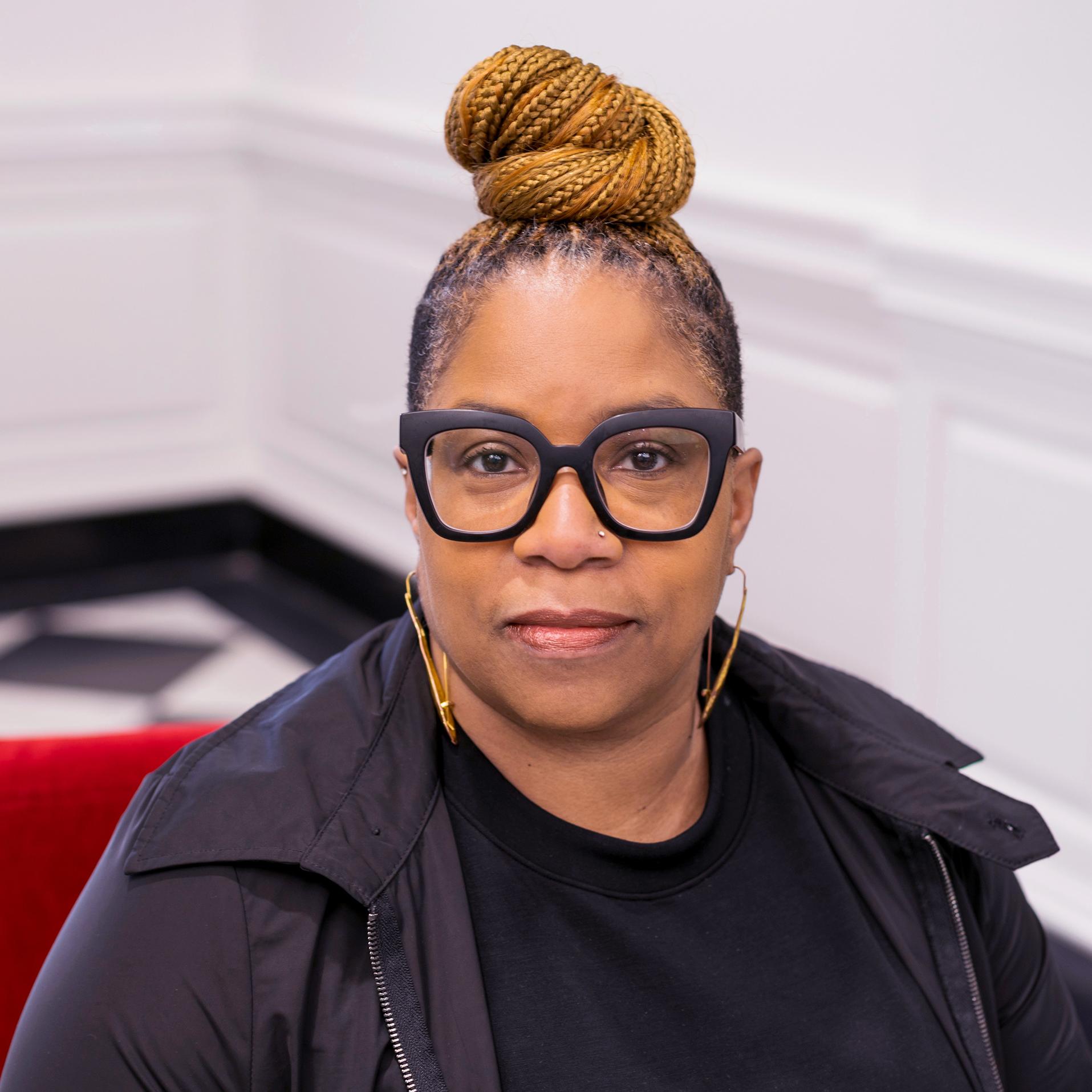
Karl Pillemer
Dr. Karl Pillemer is the Hazel E. Reed Human Development Professor in the College of Human Ecology, Professor of Gerontology in Medicine at Weill Cornell Medicine, and founding Director of the Cornell Institute for Translational Research on Aging. Pillemer also directs the Cornell Legacy Project and is author of the book 30 Lessons for Living: Tried and True Advice from the Wisest Americans. His major interests center on human development over the life
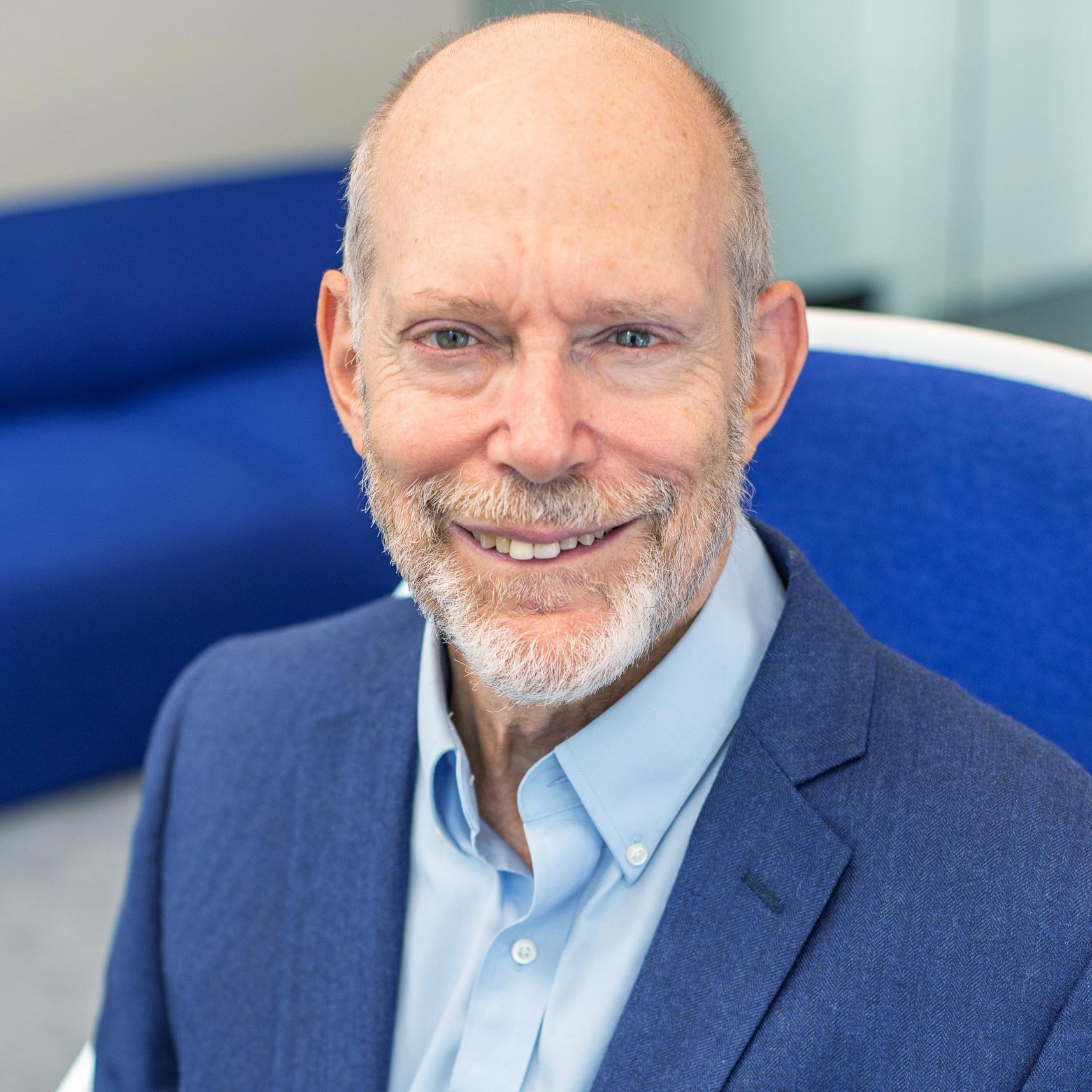
Sander Kersten
Sander Kersten, Ph.D. is the director of the Division of Nutritional Sciences and the Schleifer Family Professor at Cornell University. Dr. Kersten received his MSc degree in Human Nutrition from Wageningen University in 1993, and his Ph.D. degree in Nutritional Biochemistry from Cornell University in 1997. After a postdoctoral stay in the laboratory of Dr. Walter Wahli at the University of Lausanne, Switzerland, he moved back to Wageningen University in 2000 with a career development
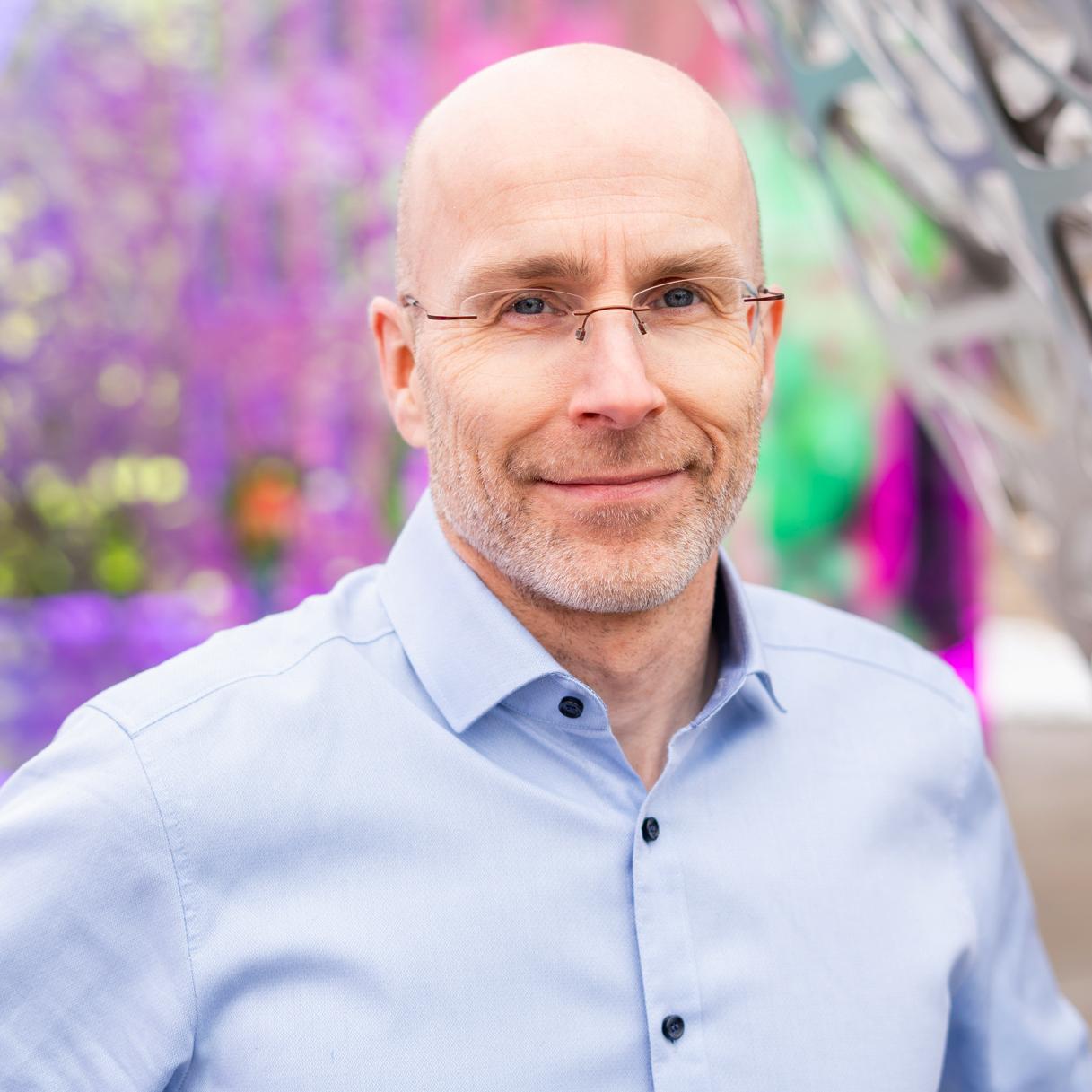
Patricia Ann Cassano
Patricia A. Cassano, MPH, Ph.D., is the Alan D. Mathios Professor Emerita in the Division of Nutritional Sciences, Cornell University. The Division of Nutritional Sciences is in the Colleges of Human Ecology and Agriculture and Life Sciences. Dr. Cassano served as Interim Director (2018-2019), then as Director of the Division of Nutrition Sciences (2019-Jan 2024). She is also Professor in the Department of Population Health Sciences Division of Epidemiology at Weill Cornell Medical College, and