


- Jan 24, 2025
- Holistic Human Health, Technology + Human Thriving
Objective feelings: New research suggests our brain tells us feelings are reality
Feelings, although central to human existence, are our most mysterious and subjective sense. Feelings, we are told, are personal and internal, while reality is physical and external. New research published in Nature Communications combines machine learning, perception, neuroscience, and generative AI to reveal that the brain may treat feelings as real as any aspect of the physical facts of the external world.
It has been long understood that feelings and emotions emerge from a complex
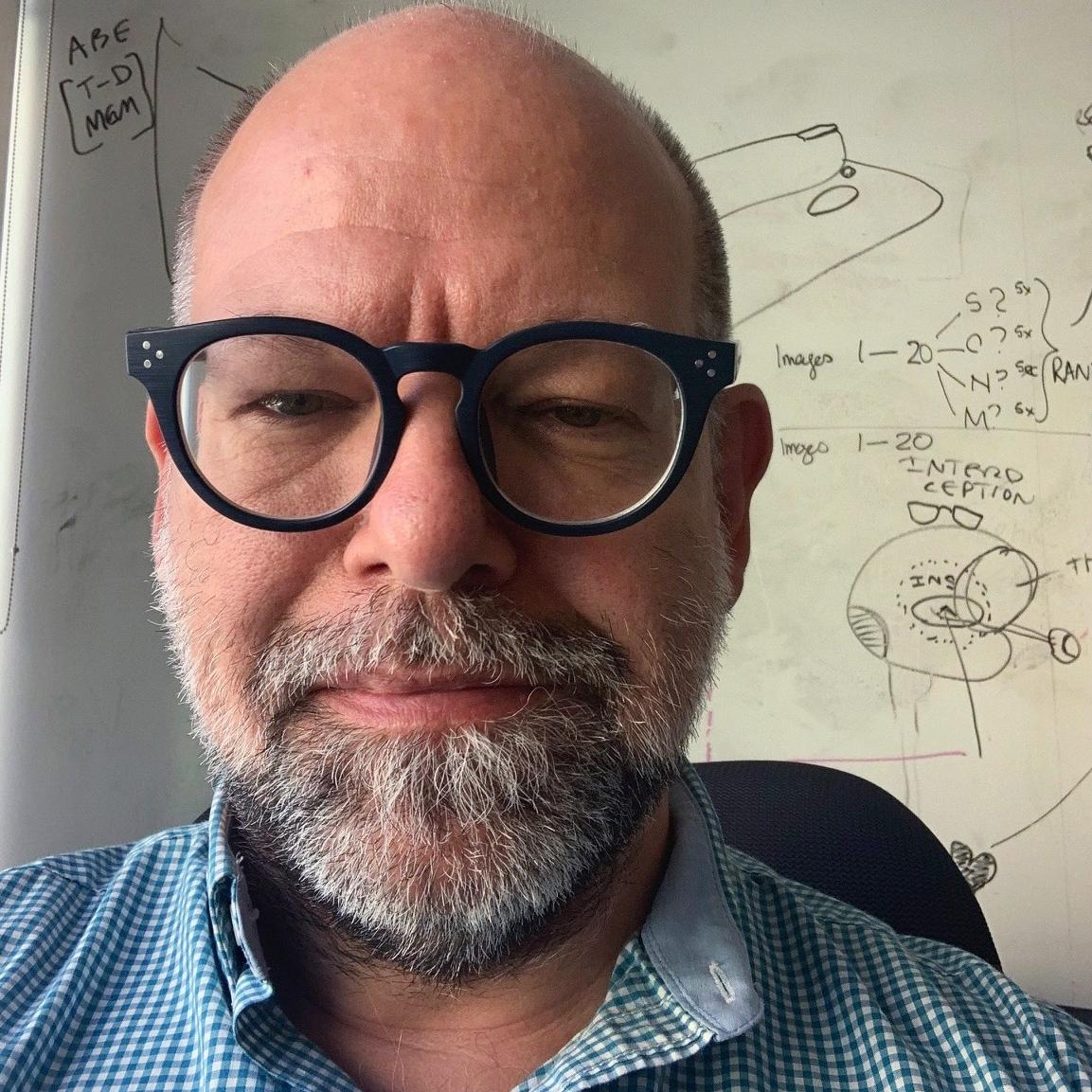
Adam Anderson
At some point in time I have found myself at Vassar, Harvard, City College NY, Yale, Stanford, and the University of Toronto. Born in Brooklyn and raised in Staten Island, I am happy to be back in my home state of NY and hoping to live up to Cornell's land grant mission.
I am interested in the role of the emotions in all human faculties. Considering both psychological, physiological and neural levels of analysis, a
- Nov 15, 2023
- Technology + Human Thriving, CHE in NYC
Student entrepreneurs pitch ideas at Cornell Tech event
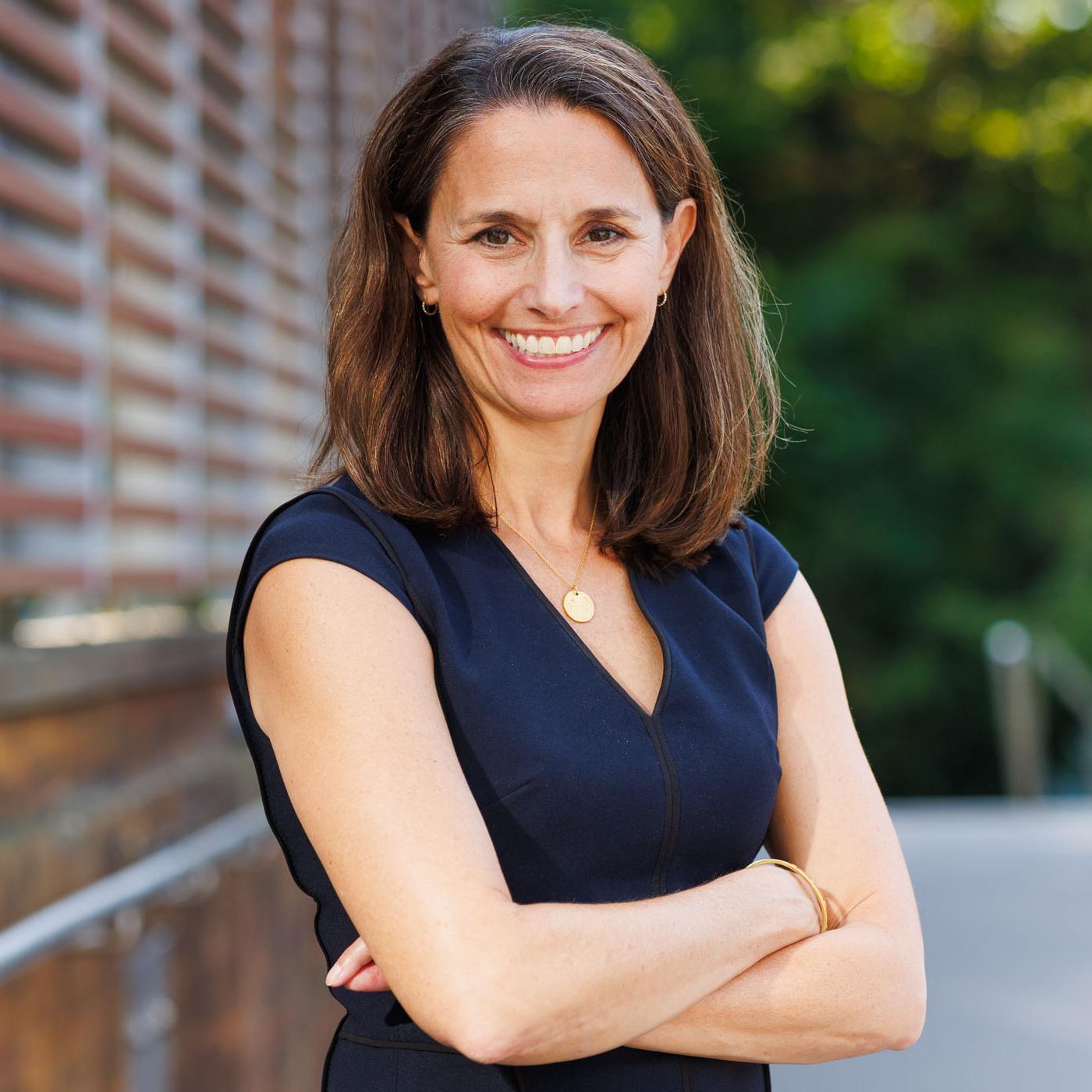
Rachel Dunifon
Rachel Dunifon is the Rebecca Q. and James C. Morgan Dean of Cornell University’s College of Human Ecology, where she leads efforts to connect knowledge with action to address society’s most pressing human challenges.
Since becoming dean in 2018, Dunifon led a transformative strategic planning process that expanded the college’s presence in New York City, recruited faculty in critical areas of excellence, strengthened public engagement and elevated the student experience. A centerpiece of Dunifon’s leadership
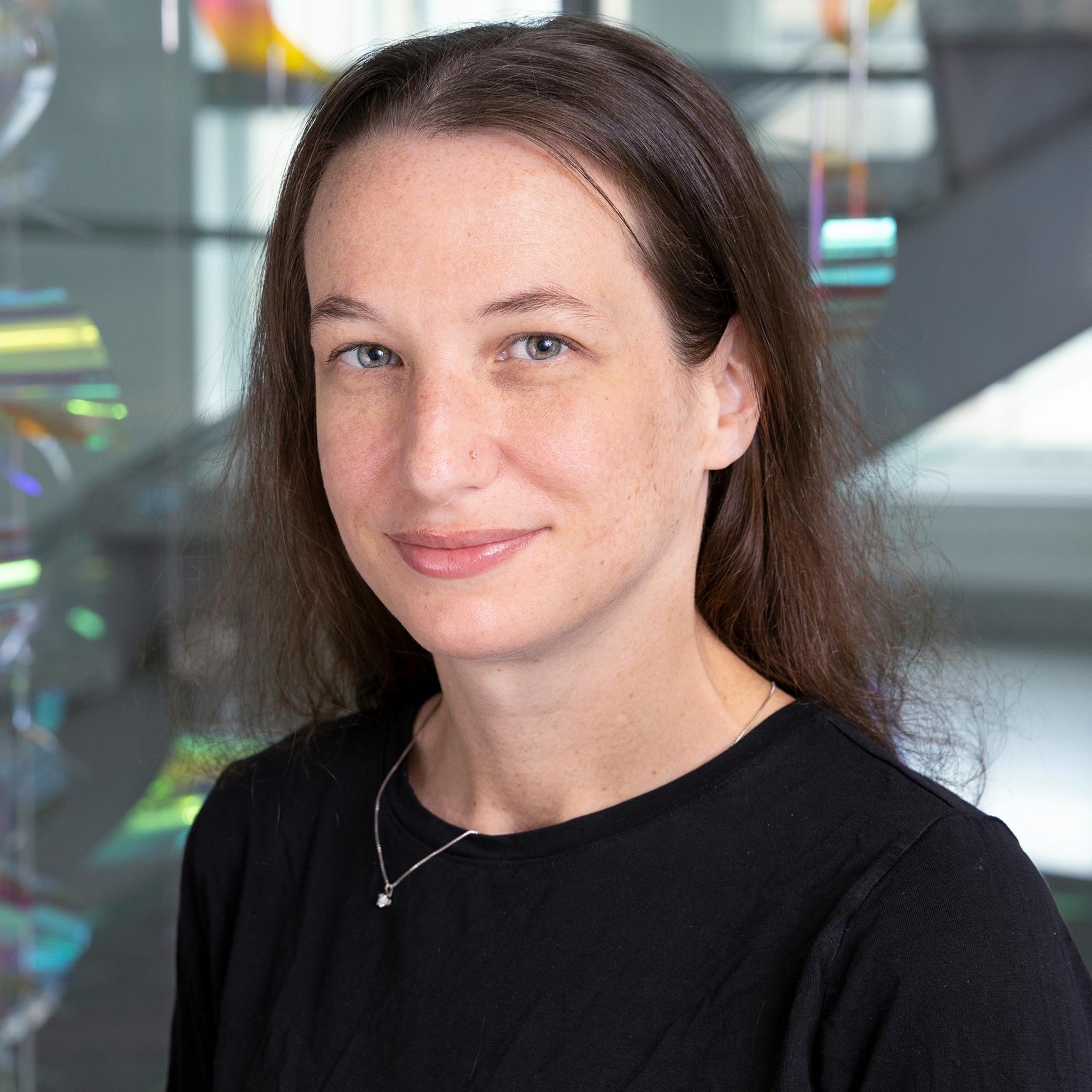
Julia Finkelstein
Dr. Julia Finkelstein is a Professor of Epidemiology and Nutrition in the Division of Nutritional Sciences, and Professor of Epidemiology in the Division of Epidemiology, Department of Population Health Sciences at Weill Cornell Medical College. She is the Director of the Maternal and Child Nutrition Program and co-Director of the Joan Klein Jacobs Center for Precision Nutrition and Health and Cochrane Center and WHO Collaborating Centre at Cornell University. Dr. Finkelstein is the Program Director
- Mar 25, 2026
- Holistic Human Health, Technology + Human Thriving
Social media’s legal reckoning has begun: ‘We are in a new world’
Adam Hoffman, assistant professor in the Psychology Department, told The Wrap that he expected a “major overhaul” in social media design.