- Oct 27, 2023
- by Emily Groff
- Community Engagement, Holistic Human Health, Sustainability + Society, Technology + Human Thriving
New CHE grant funds sustainability research
Cornell Human Ecology has awarded six faculty members with grants to support research projects related to sustainability over the 2023-2024 academic year.
The projects range from helping New York State nutrition programs support sustainable food systems, to developing self-powered on-skin computers, to expanding a program that trains retirees as environmental volunteers, reflecting Human Ecology’s interdisciplinary approach to understanding the human experience and helping people thrive.
This first round of the CHE Faculty Sustainability Research Program
- Jul 12, 2023
- by Galib Braschler
- Student Life
For Adam Lippes ’95, fashion has always been in the blood
The key to success as a designer is listening to your customer, understanding what she wants and responding accordingly, Adam Lippes ’95 told Cornell Human Ecology students on May 8.
Lippes, the fashion designer behind the successful sportswear label of the same name, was the invited speaker for the Laundress Lecture, an annual event that brings fashion industry experts to campus to share their experiences as both artists and entrepreneurs. The event is supported by
- Sep 11, 2023
- by Juan Vazquez-Leddon
- Holistic Human Health, Sustainability + Society, Donor
Two new faculty fellowships named in CHE
Two Cornell Human Ecology faculty members have recently been awarded fellowships, including one that was newly endowed.
Denise Green ’07, associate professor in the Department of Human Centered Design, has been named the inaugural Morgan Engaged Faculty Fellow, and Laura Bellows, associate professor in the Division of Nutritional Sciences, has been named the new Evalyn Edwards Milman ’60 Fellow, both in the Bronfenbrenner Center for Translational Research (BCTR). Both will serve in their roles through
- Oct 30, 2023
- by Marisa LaFalce
- Student Life
Students learn from and collaborate with Bauhaus staff
The Bauhaus Dessau Foundation ran a two-part virtual workshop for students in the Department of Human Centered Design (HCD) this fall. The program was coordinated by Catherine Blumenkamp, lecturer and associate director of the Cornell Fashion + Textile Collection (CF+TC); this is the second year the enrichment was offered.
Participants began the workshop with a simple exercise of printing their name in four different orientations. The goal was to unlearn the literal approach to writing
- Oct 3 ,2025
- by Karen Steffy
- Human Centered Design
- Human Ecology Building, T01
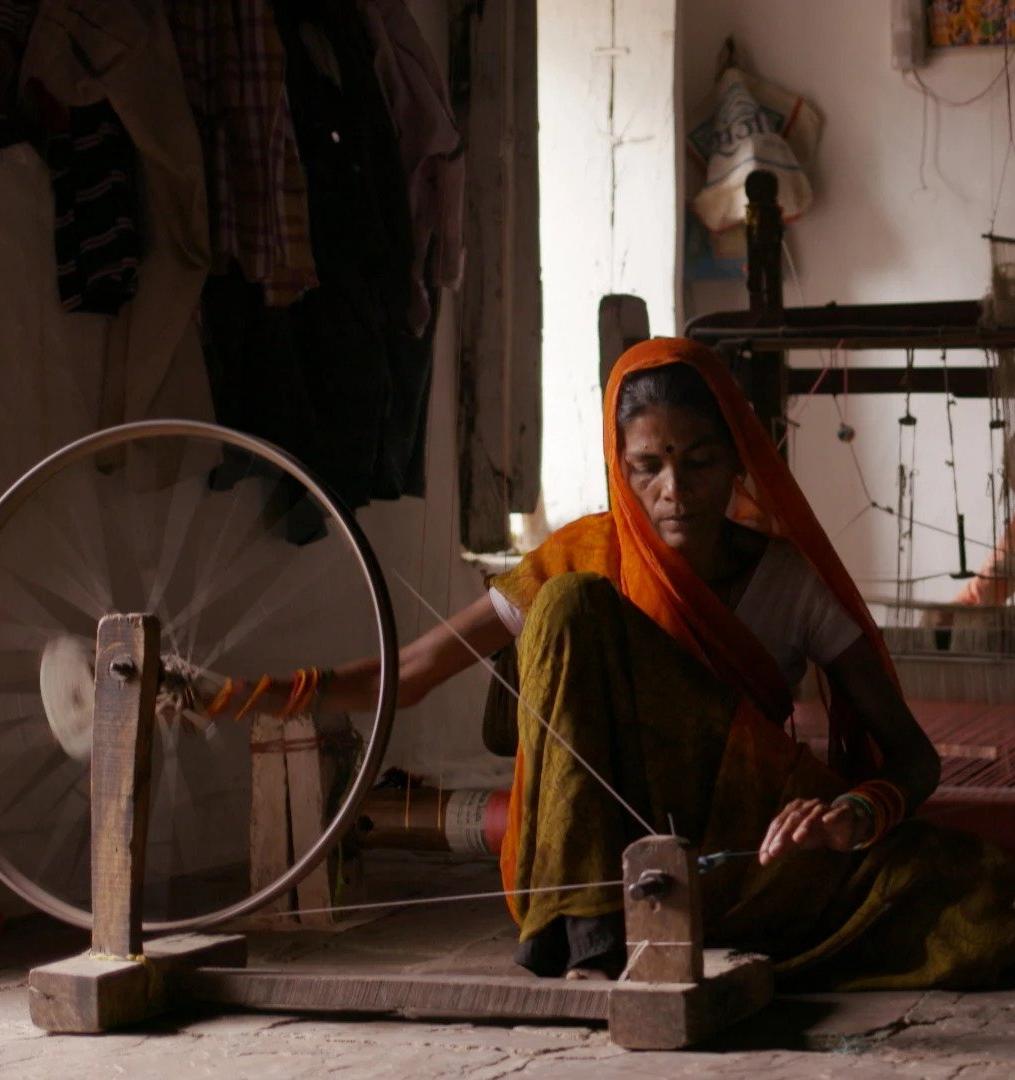
Threads: Sustaining India’s Textile Tradition
Threads: Sustaining India’s Textile Traditions features four Indian designers and their collaborations with traditional textiles artisans that produce fashion collections for a contemporary market. Through in-depth interviews and visually stunning footage, this film demonstrates how these committed, creative collaborations innovate traditional textile techniques and reinvigorate the communities who produce them.
Katherine Sender, PhD is a Professor and Director of Graduate Studies in the Department of Communication. She is also a member of Feminist, Gender, and
- Apr 17, 2024
- by Natalia Rommen
- CHE in NYC
College names inaugural associate dean of CHE in NYC
Tashara M. Leak, associate professor in the Division of Nutritional Sciences, has been named the inaugural associate dean of Cornell Human Ecology in New York City (CHE in NYC). The new position coordinates human ecology research, education, and public engagement in the city as part of the college’s strategic commitment to foster a vibrant, unified network.
Leak has lived and worked in New York City for several years, conducting research in collaboration
- May 1 ,2025May 2 ,2025May 5 ,2025May 6 ,2025May 7 ,2025May 8 ,2025May 9 ,2025May 12 ,2025May 13 ,2025May 14 ,2025May 15 ,2025May 16 ,2025May 19 ,2025May 20 ,2025May 21 ,2025May 22 ,2025May 23 ,2025May 26 ,2025May 27 ,2025May 28 ,2025May 29 ,2025May 30 ,2025Jun 2 ,2025Jun 3 ,2025Jun 4 ,2025Jun 5 ,2025Jun 6 ,2025Jun 9 ,2025Jun 10 ,2025Jun 11 ,2025Jun 12 ,2025Jun 13 ,2025Jun 16 ,2025Jun 17 ,2025Jun 18 ,2025Jun 19 ,2025Jun 20 ,2025Jun 23 ,2025Jun 24 ,2025Jun 25 ,2025Jun 26 ,2025Jun 27 ,2025Jun 30 ,2025Jul 1 ,2025Jul 2 ,2025Jul 3 ,2025Jul 4 ,2025Jul 7 ,2025Jul 8 ,2025Jul 9 ,2025Jul 10 ,2025Jul 11 ,2025Jul 14 ,2025Jul 15 ,2025Jul 16 ,2025Jul 17 ,2025Jul 18 ,2025Jul 21 ,2025Jul 22 ,2025Jul 23 ,2025Jul 24 ,2025Jul 25 ,2025Jul 28 ,2025Jul 29 ,2025Jul 30 ,2025Jul 31 ,2025Aug 1 ,2025Aug 4 ,2025Aug 5 ,2025Aug 6 ,2025Aug 7 ,2025Aug 8 ,2025Aug 11 ,2025Aug 12 ,2025Aug 13 ,2025Aug 14 ,2025Aug 15 ,2025Aug 18 ,2025Aug 19 ,2025Aug 20 ,2025Aug 21 ,2025Aug 22 ,2025Aug 25 ,2025Aug 26 ,2025Aug 27 ,2025Aug 28 ,2025Aug 29 ,2025Sep 1 ,2025Sep 2 ,2025Sep 3 ,2025Sep 4 ,2025Sep 5 ,2025Sep 8 ,2025Sep 9 ,2025Sep 10 ,2025Sep 11 ,2025Sep 12 ,2025Sep 15 ,2025Sep 16 ,2025Sep 17 ,2025Sep 18 ,2025Sep 19 ,2025Sep 22 ,2025Sep 23 ,2025Sep 24 ,2025Sep 25 ,2025Sep 26 ,2025Sep 29 ,2025Sep 30 ,2025
- Human Centered Design
- Level T Vitrines, Human Ecology Building
Threads of Progress: 100 Years of Fashion & Innovation
Threads of Progress: 100 Years of Fashion & Innovation celebrates over a century of fashion innovation, education, and outreach at Cornell University, tracing the evolution of the Textiles and Clothing program from its early days in the College of Home Economics to its current home in the Department of Human Centered Design in the Cornell Human Ecology. Visitors will see garments worn and made by students, faculty, and extension agents—from wartime uniforms to Olympic leotards—showcasing