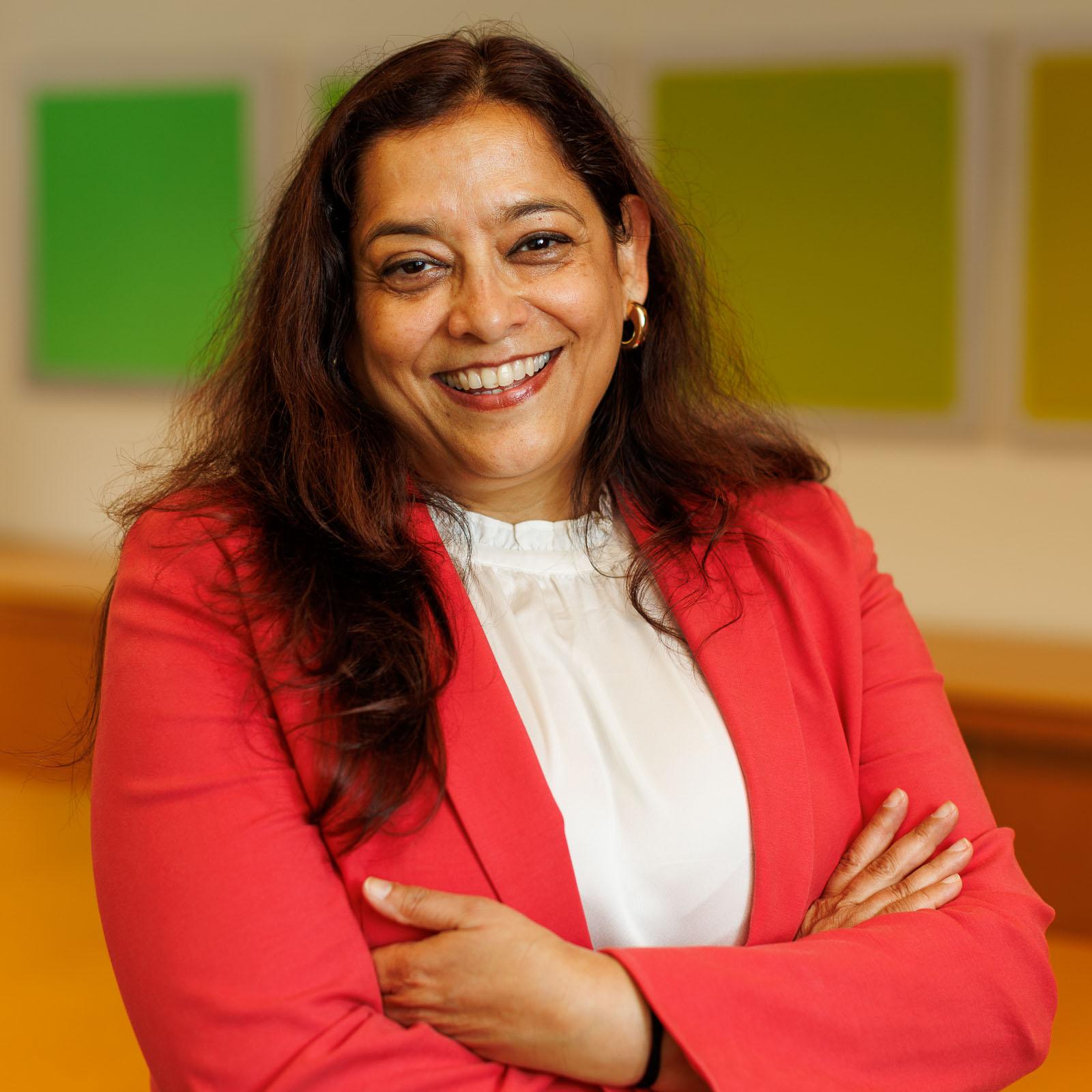
Charles Brainerd
My research and teaching are interwoven so that the two activities reinforce each other and so that, to the greatest extent possible, the latest research findings are integrated into the courses I teach. Throughout my career, my research and teaching have revolved around a single broad theme: the scientific study of human cognition. I have concentrated most extensively on the development of cognitive processes in normal and atypical children, but I have also published considerable research

Martha Field
I am an Associate Professor in the Division of Nutritional Sciences at Cornell University. I received a B.S. in chemistry from Butler University in 2000 and a Ph.D. in Biochemistry, Molecular and Cell Biology from Cornell University in 2007.
My laboratory studies gene-nutrient interactions that lead to development of disease. It is clear that what we eat can be associated with disease onset, and some individuals are more likely to be affected based on certain genetic
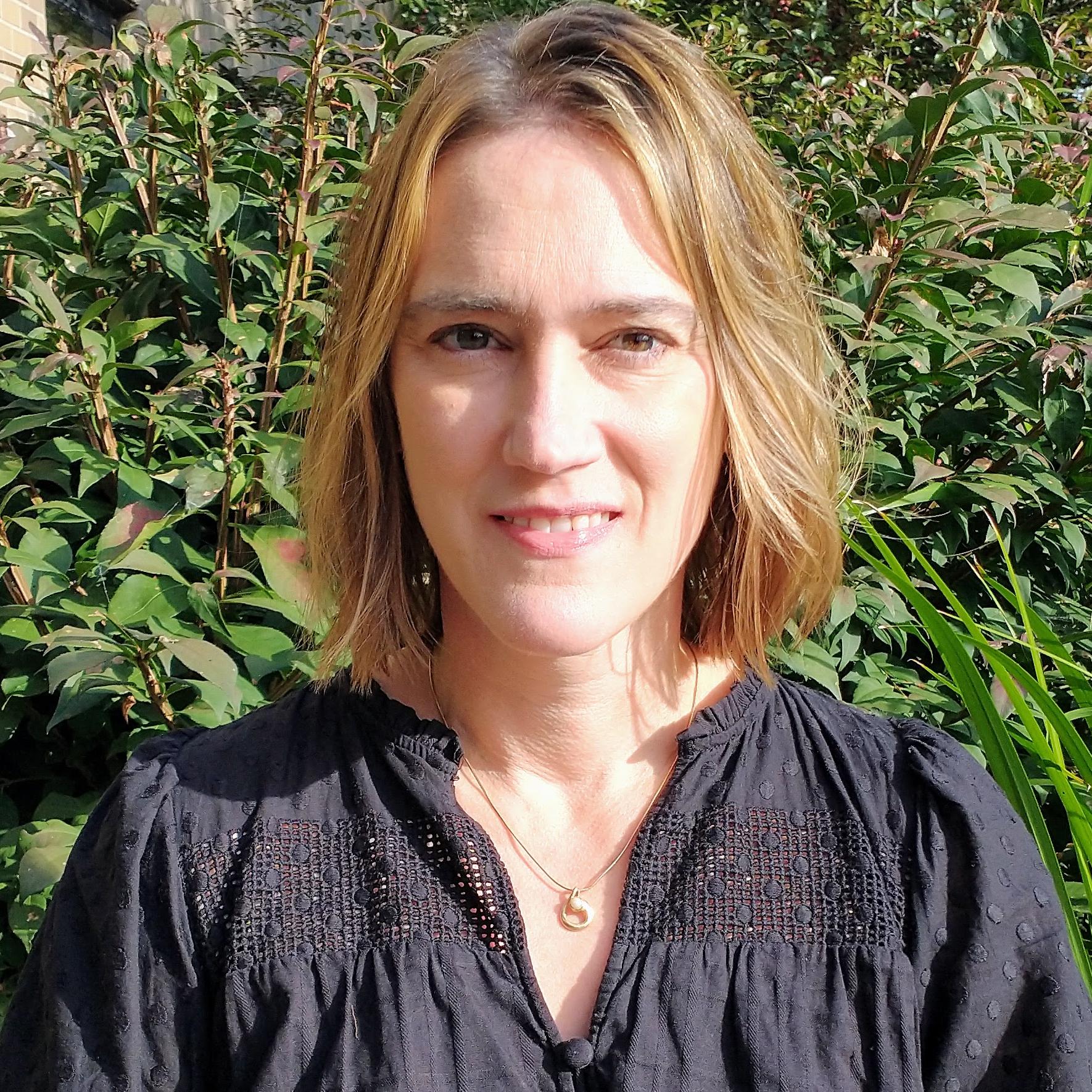
Alisha Gaines
Juan Hinestroza
Juan P. Hinestroza, a U.S. Fulbright Scholar and a PMP®, is the Rebecca Q. Morgan ’60 Professor of Fiber Science & Apparel Design, and directs The Textiles Nanotechnology Laboratory in the College of Human Ecology at Cornell University in Ithaca, NY.
Professor Hinestroza has extensive experience in a variety of research environments, including academia, the military, non-profit organizations, start-ups, and large corporations. He has worked in institutions across Asia, the Middle East, Europe, and
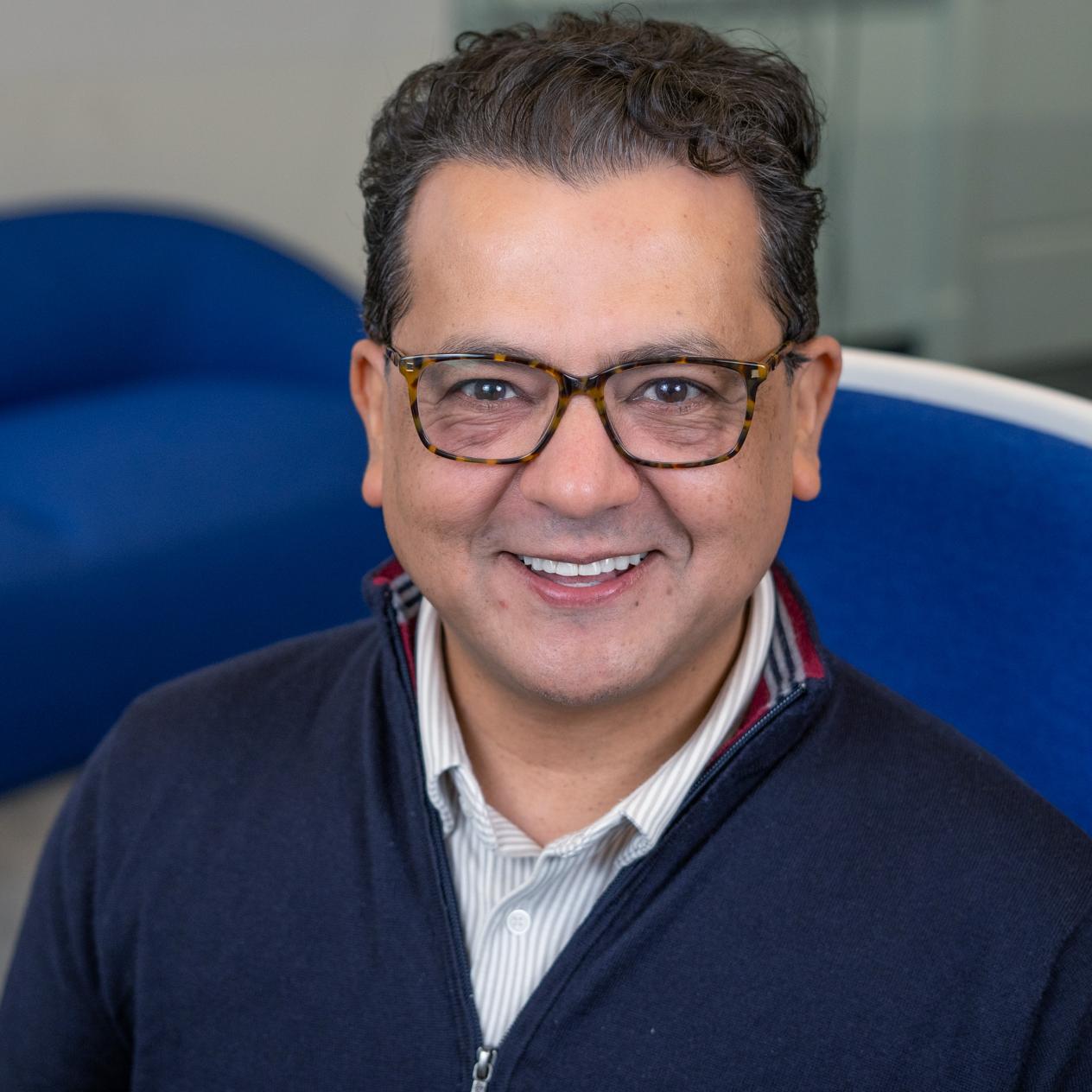
Kimberly Kopko
Kimberly Kopko received her Ph.D. in Child Development from the Department of Human Development at Cornell University and joined the Bronfenbrenner Center for Translational Research (BCTR) in the College of Human Ecology. Her research and Extension work examines child development and parenting and family processes. Current research and outreach projects include: parenting and youth development, parenting and child learning, and the use of research and evidence-based parent education programs to promote positive parenting and strengthen families. Ongoing academic and research interests include

Marlen Gonzalez
My work takes a behavioral ecology perspective on understanding the reciprocal relationships between environments, brains, and behaviors in humans. Specifically, my lab, the Life History Lab, looks at how social and physical affordances in development and in the present impact neural sensitivity to rewards and punishment, vigilance, cognitive load, and stress as well positive stimuli like social support and contemplative practices. These sensitivities can encourage certain behaviors and be influenced by them, creating emergent ecologies
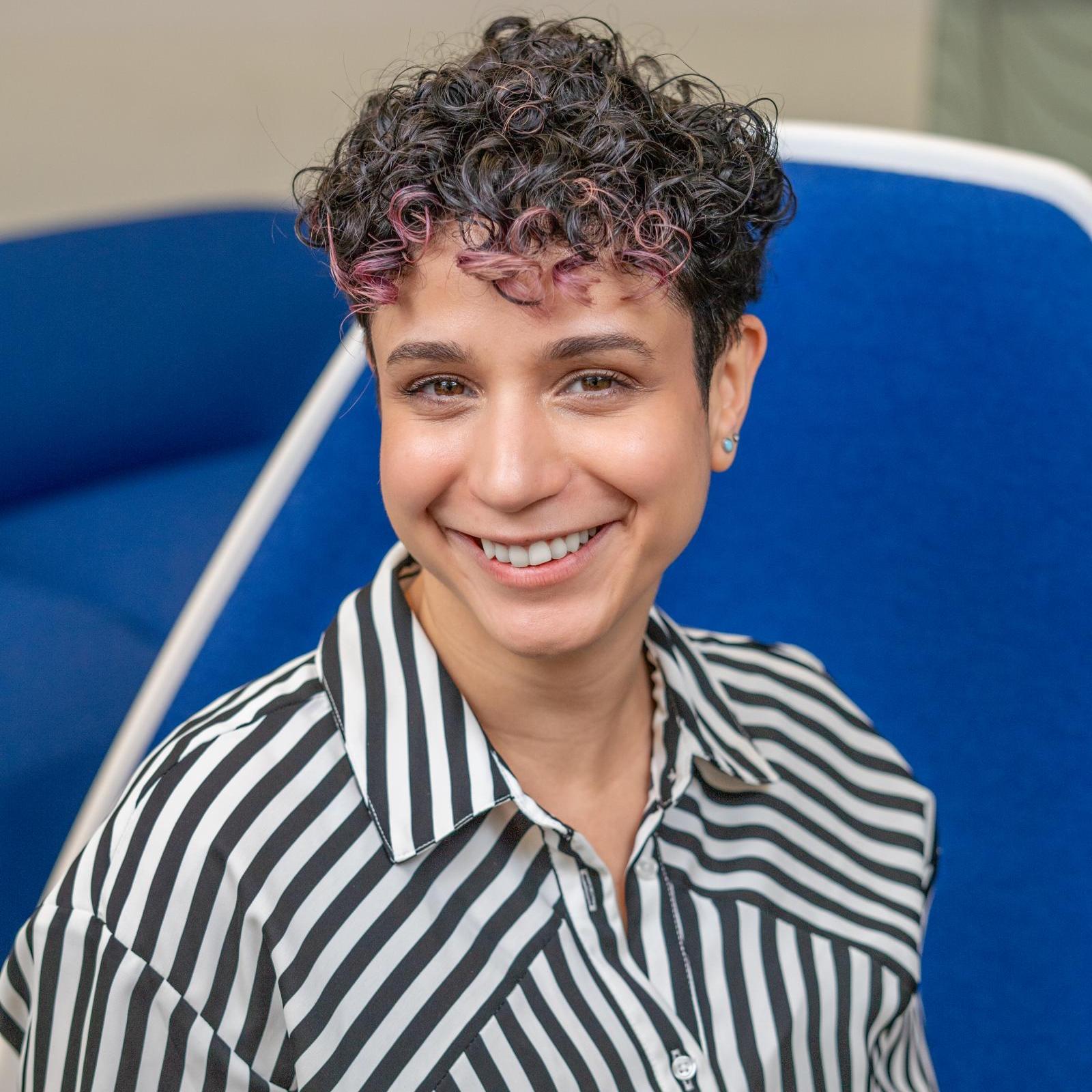
Shibani Ghosh
Shibani is an Associate Professor at Cornell University in the Division of Nutritional Sciences. Her research focuses on formulating and testing solutions targeting malnutrition in all its forms in women and children. Drawing on expertise in social science approaches, combined with epidemiological and biomedical methods, she has designed and implemented randomized controlled trials and longitudinal birth cohort studies focused on the maternal-infant life cycle. Her research aims to identify effective interventions and generate evidence to