


Adam Anderson
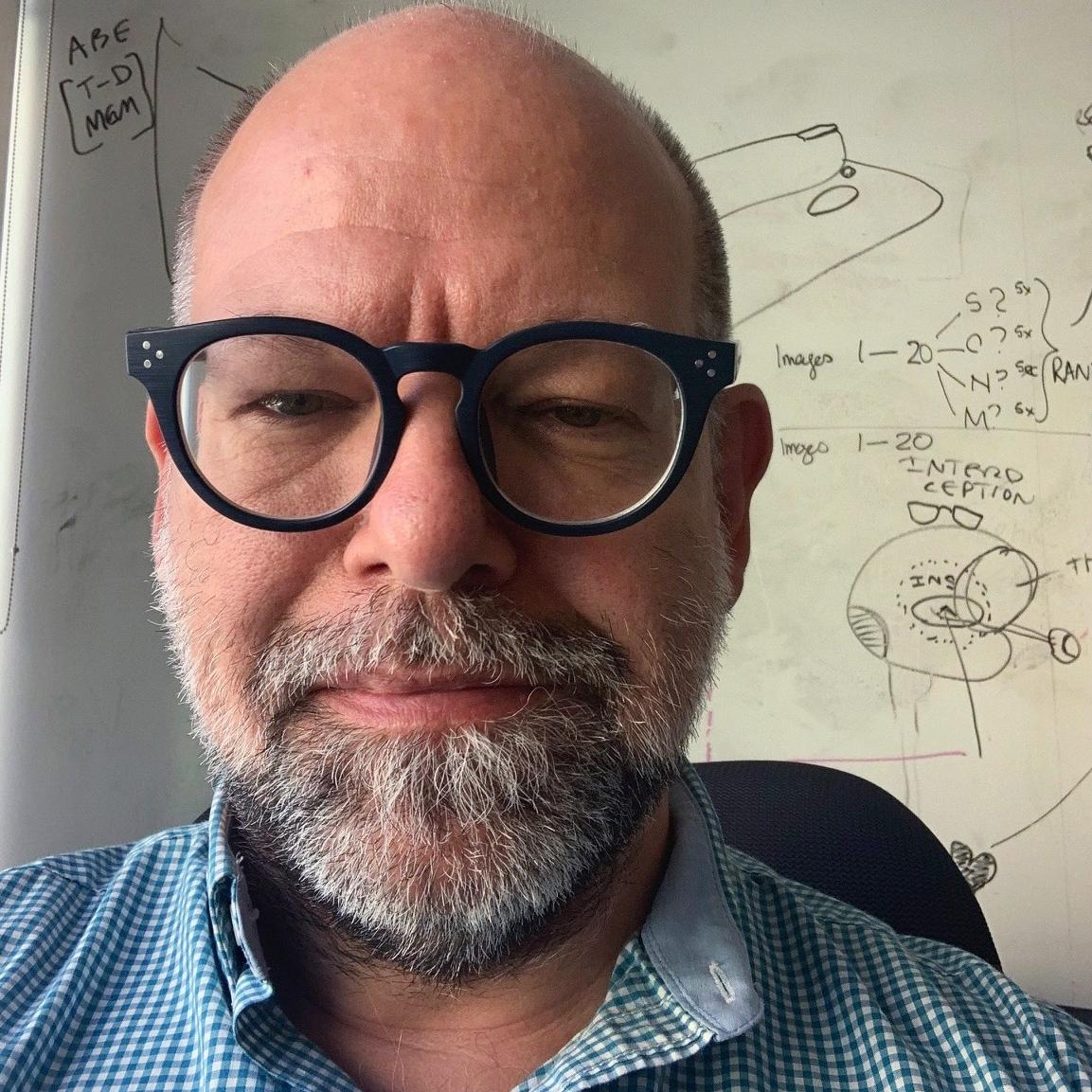
At some point in time I have found myself at Vassar, Harvard, City College NY, Yale, Stanford, and the University of Toronto. Born in Brooklyn and raised in Staten Island, I am happy to be back in my home state of NY and hoping to live up to Cornell's land grant mission.
I am interested in the role of the emotions in all human faculties. Considering both psychological, physiological and neural levels of analysis, a
Rachel Dunifon
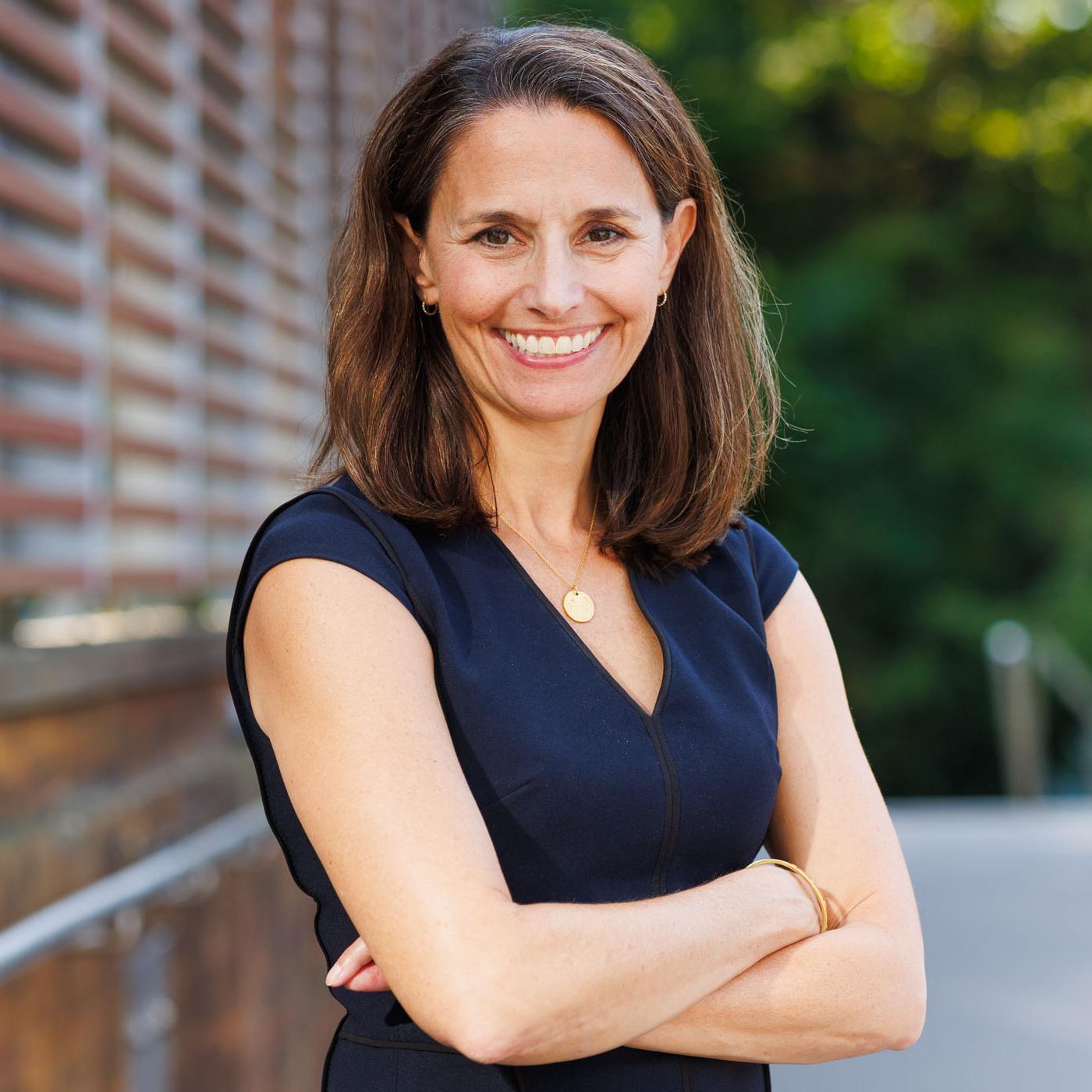
Rachel Dunifon is the Rebecca Q. and James C. Morgan Dean of Cornell University’s College of Human Ecology, where she leads efforts to connect knowledge with action to address society’s most pressing human challenges.
Since becoming dean in 2018, Dunifon led a transformative strategic planning process that expanded the college’s presence in New York City, recruited faculty in critical areas of excellence, strengthened public engagement and elevated the student experience. A centerpiece of Dunifon’s leadership
Julia Finkelstein
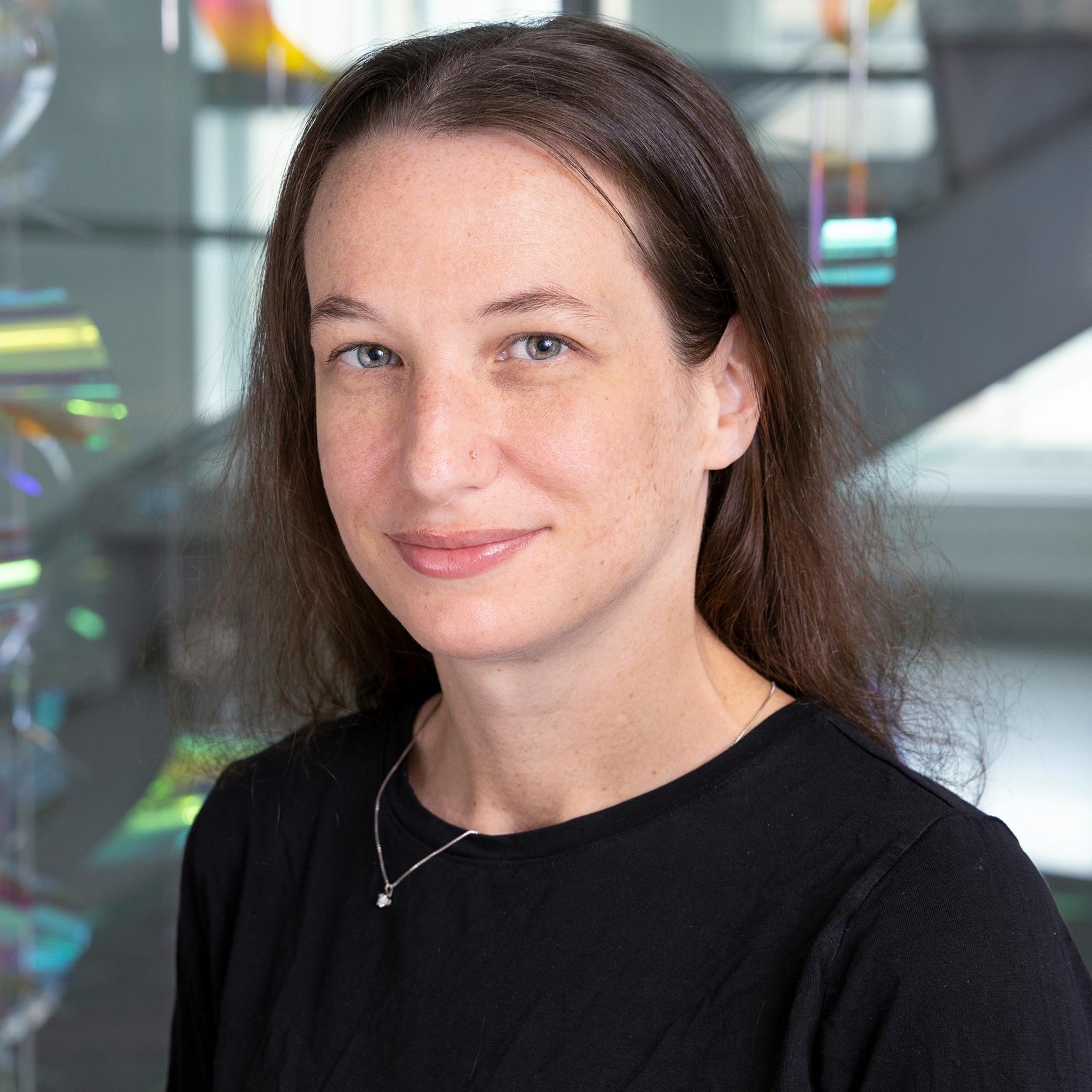
Dr. Julia Finkelstein is a Professor of Epidemiology and Nutrition in the Division of Nutritional Sciences, and Professor of Epidemiology in the Division of Epidemiology, Department of Population Health Sciences at Weill Cornell Medical College. She is the Director of the Maternal and Child Nutrition Program and co-Director of the Joan Klein Jacobs Center for Precision Nutrition and Health and Cochrane Center and WHO Collaborating Centre at Cornell University. Dr. Finkelstein is the Program Director
Eve De Rosa
My work can be best described as comparative cognitive neuroscience, which is characterized by two related approaches. One is a cross-species approach, comparing rat models of the neurochemistry of attention and learning to humans, focusing on the neurochemical acetylcholine. The other is an across the lifespan approach, examining the cholinergic hypothesis of age-related changes in cognition.
We use activity mapping from fMRI data to provide theoretical models that can then be more fully tested
Marisa LaFalce
Charles Izzo
Charles Izzo is a Senior Research Associate at the BCTR and a member of the research team on the Residential Child Care Project. His background is in Clinical and Community Psychology with a specialty in the design and evaluation of community-based services for children and families. His work has focused on applying social science research methods to measure and improve the quality of youth care services and on translating social and neuroscience research to better
Carol Devine
During her time at Cornell, Dr. Devine focused on understanding how working women and men, especially those in low income families with children, manage food and eating in the context of work and family demands, social networks, and food and eating environments and on fostering community environments that promote healthy eating.