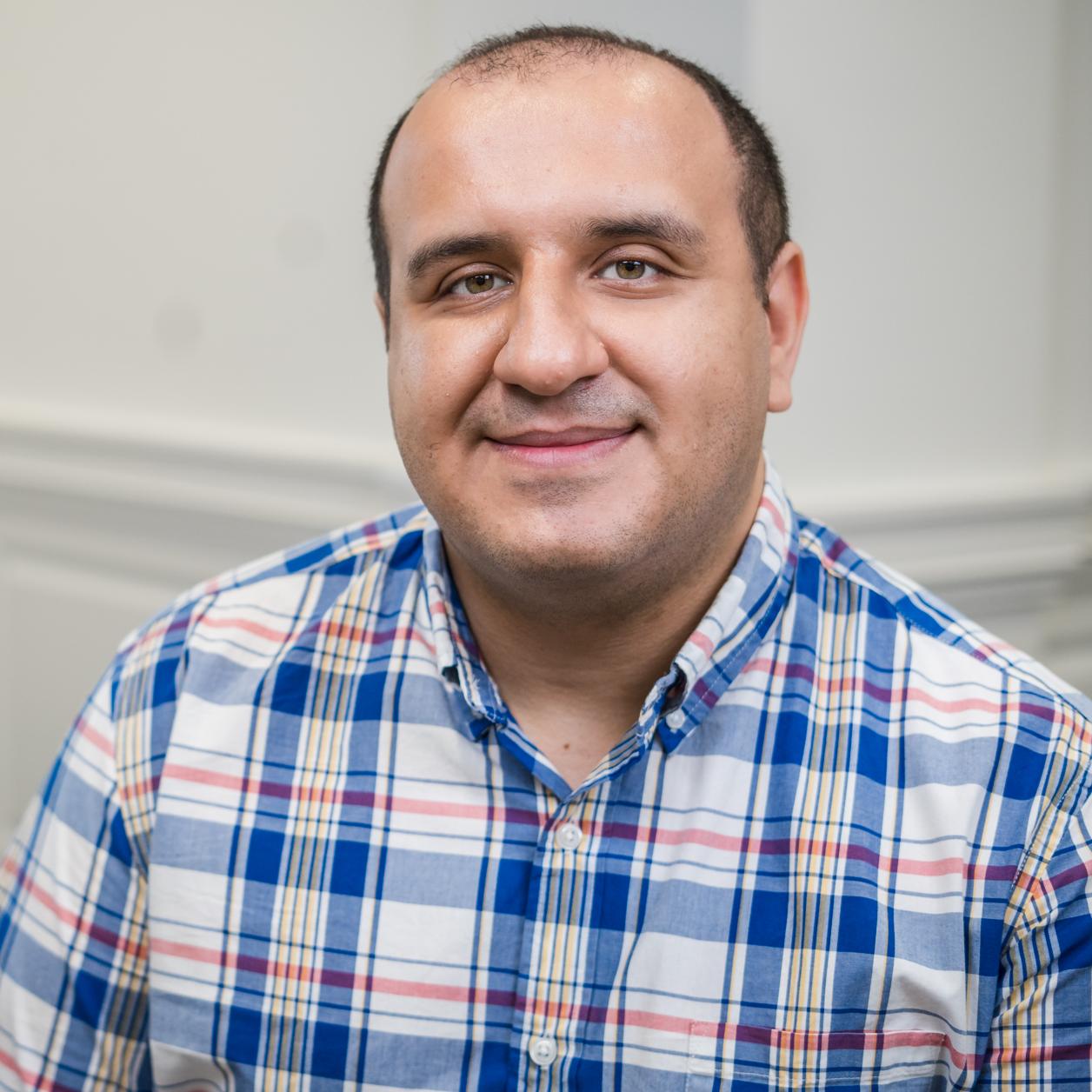
Rhonda Gilmore
As a design educator, I believe in balancing critical inquiry with skill development: teaching students how to use their intellect and utilize their skills to problem-solve for a design-hungry world is both challenging and immensely rewarding. This combination of left brain / right brain functions known as the design process improves the human condition and I view my role as a guide for students as they endeavor to learn from those problems that require and
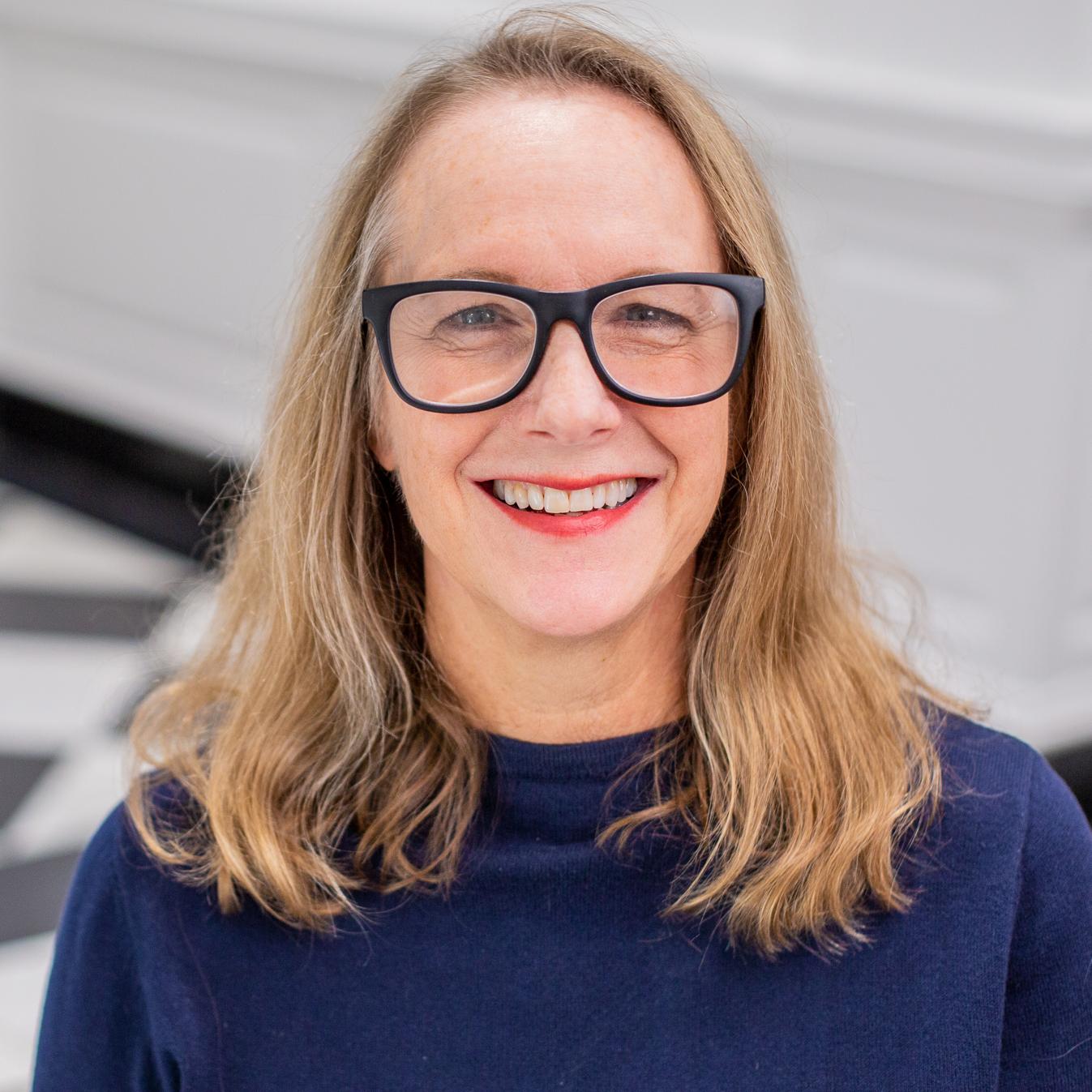
Jamie Dollahite
My expertise is in the area of nutrition education for limited-resource audiences that is designed to prevent obesity and chronic disease. Prior to my retirement, I lead the Expanded Food and Nutrition Education Program for New York State and provide program leadership in collaboration with the NYS Office of Temporary and Disability Assistance for the Supplemental Nutrition Assistance Program--Education. I was active in national leadership for both programs. My research was closely integrated with the outreach
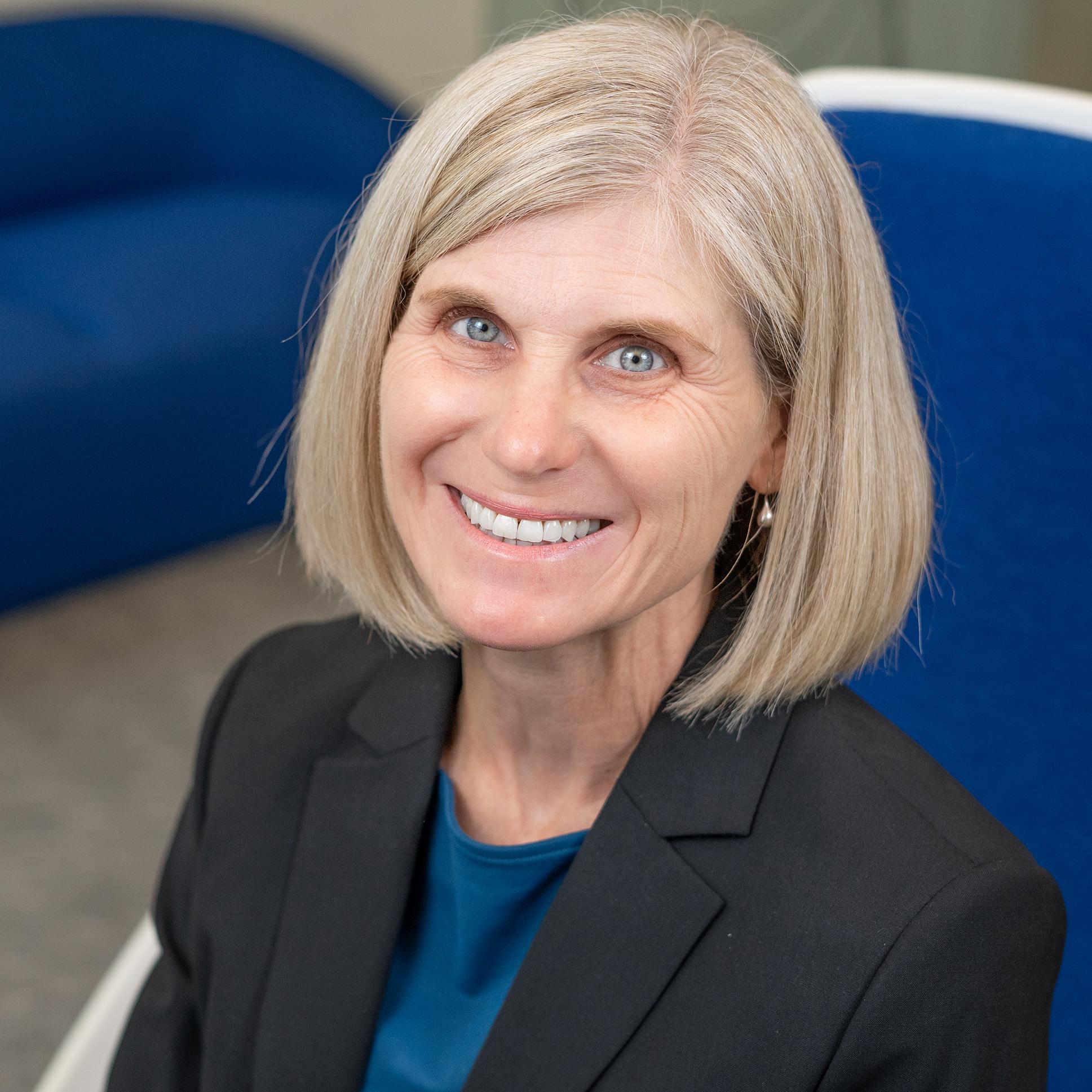
Laura Barre
I received my B.S. in Nutritional Sciences from Cornell University in 1991 and completed a dietetic internship at Emory University in Atlanta, GA in 1992. I started my clinical career practicing as a registered dietitian focusing on the nutritional care of oncology, general medicine, and geriatric patient populations in the acute and long-term care settings. I furthered my clinical training at the Geisel School of Medicine at Dartmouth, graduating in 2001 with an M.D. degree
Mingla Charoenmuang
Matthew Williams
Matthew is a PhD student in the field of Nutrition with a deep interest in glucose homeostasis. After completing undergrad, he worked as a research assistant at the University of the West Indies where he investigated the effect of nitric oxide synthase inhibitors on blood glucose tolerance in diabetic animal models. In his master's thesis he focused on the potential of moderate intermittent hypoxia to lower blood glucose and reduce pathological elevations in sympathetic neural

Nancy M. Wells
Nancy Wells is an environmental psychologist who studies people's relationship to the built and natural environment through the life course. Her studies have focused on residential environments -- housing and neighborhoods -- and more recently schools. Dr. Wells completed a joint PhD in Psychology and Architecture at the University of Michigan; and then NIMH post-doctoral training at the University of California, Irvine.
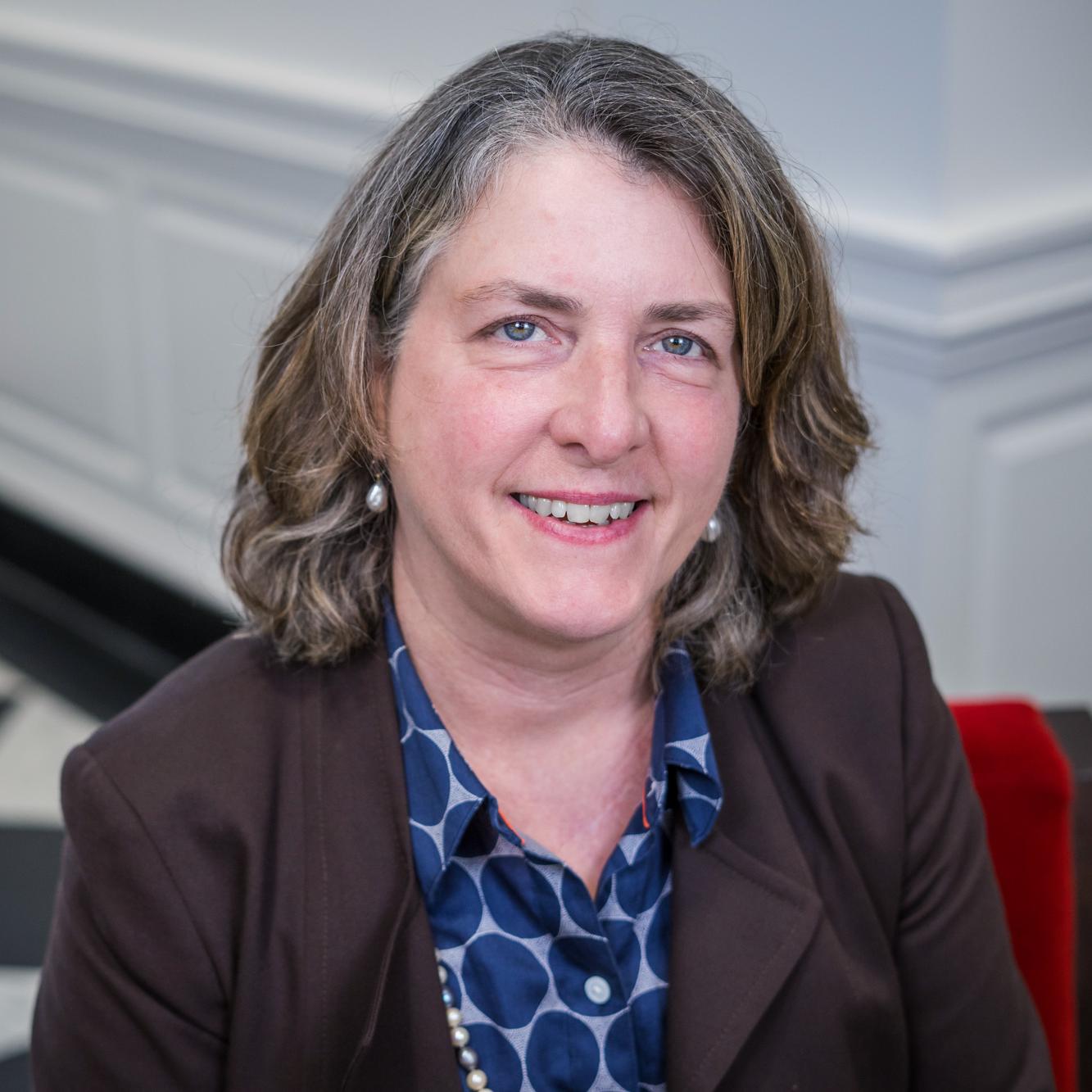
Mohsen Alishahi
Having earned my master's degree in polymer engineering, I've dedicated my research to the use of nanomaterials such as nanofibers, nanoparticles, and hydrogels for biomedical and textile applications. My master's thesis explored the development of nanofibrous wound dressings as an innovative treatment for cutaneous leishmaniasis. Since then, as a member of the Department of Fiber Science and Apparel Design, my focus has expanded to encompass the development of functional fibers and textiles for health and