Summer You entered Cornell Human Ecology (CHE) as a human biology, health and society major. She enjoyed her classes, but she knew that she wasn’t destined for a 10-year medical school journey.
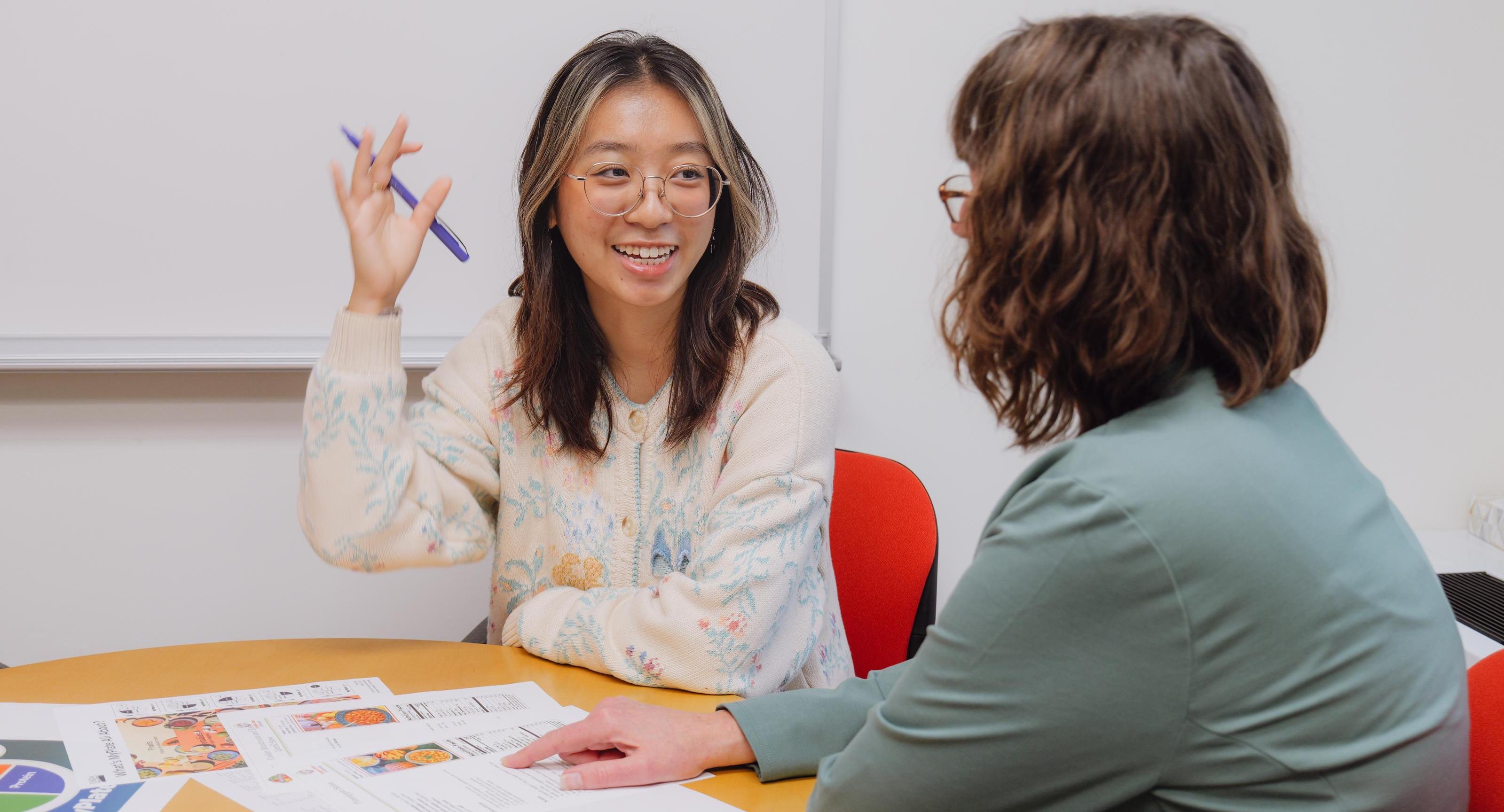
Then she saw a flyer for an information session for the Didactic Program in Dietetics (DPD), which prepares students to become Registered Dietitians and obtain the RD/RDN credential.
“I felt like that was a much faster path to what I wanted to do in healthcare,” said You. “And the more I learned about what dietitians do, the more that the nutrition pathway resonated with me.”
She eventually applied to and was accepted into the DPD program and changed her major to nutritional sciences. After she graduates, You will continue her education at the Johns Hopkins Bloomberg School of Public Health.
CUDA — finding community in nutrition
As a sophomore, You joined the Cornell University Dietetics Association (CUDA), a student organization that advances student interests in dietetics and career development. CUDA brings guest speakers to campus, offers social mixers, and plans nutrition-focused cooking events. Over the past three years, You has served as a member, treasurer, and now president.
“Last year, in celebration of the CHE Centennial, we held themed cooking lessons in the Discovery Kitchen,” she said. “We coordinated with the Division of Nutritional Sciences (DNS), the Discovery Kitchen manager, and student helpers to handle everything, from selecting recipes to overseeing the attendees. It was a lot to manage but also fun, and that's where I got a sense of how to lead.”
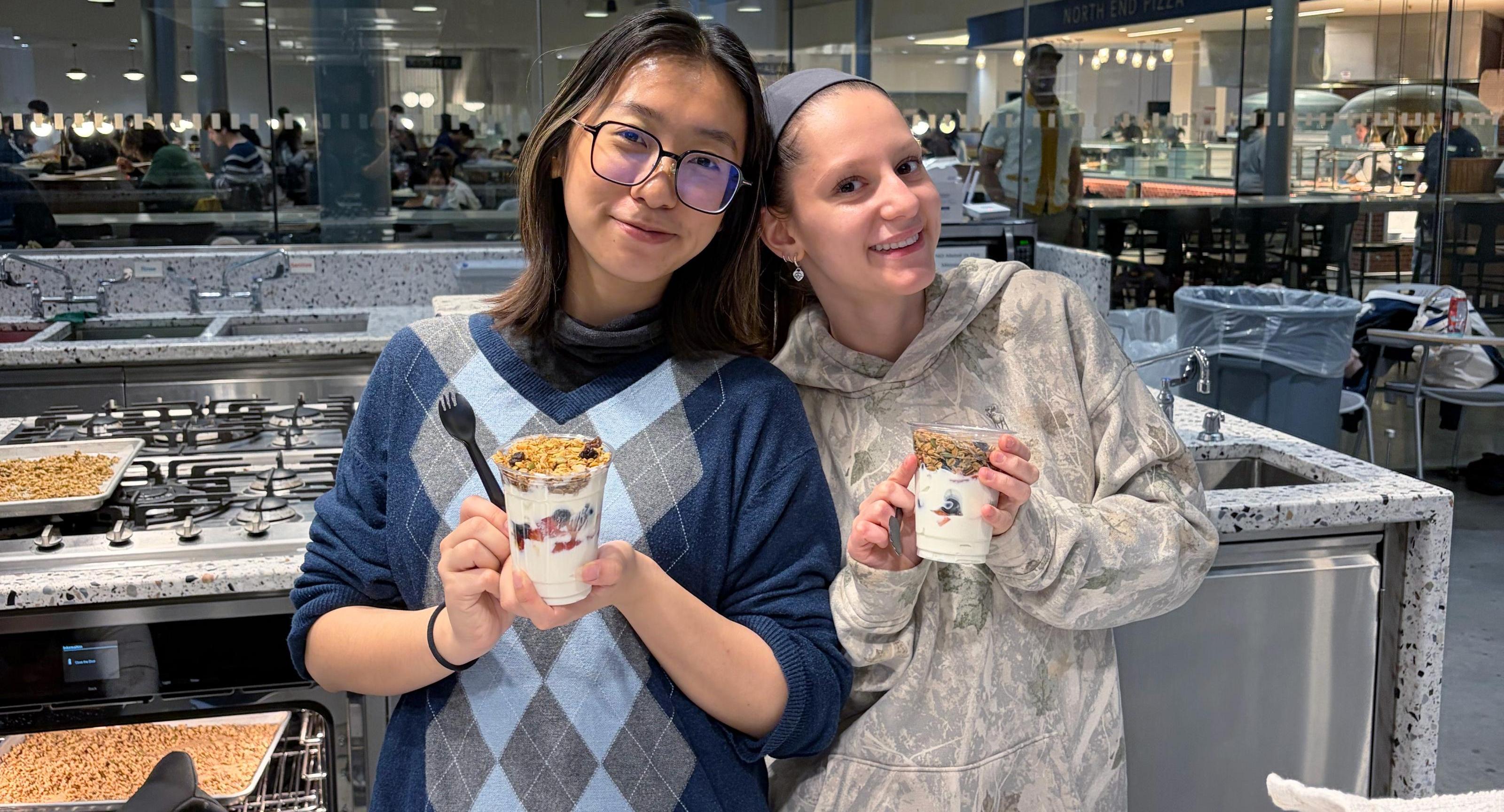
This year, under You’s leadership, CUDA expanded its cooking activities to reach a broader community beyond dietetics students. In March, they hosted a granola-making event for National Nutrition Month, mixing homemade granola with fruit and yogurt and educating attendees about fiber-rich foods.
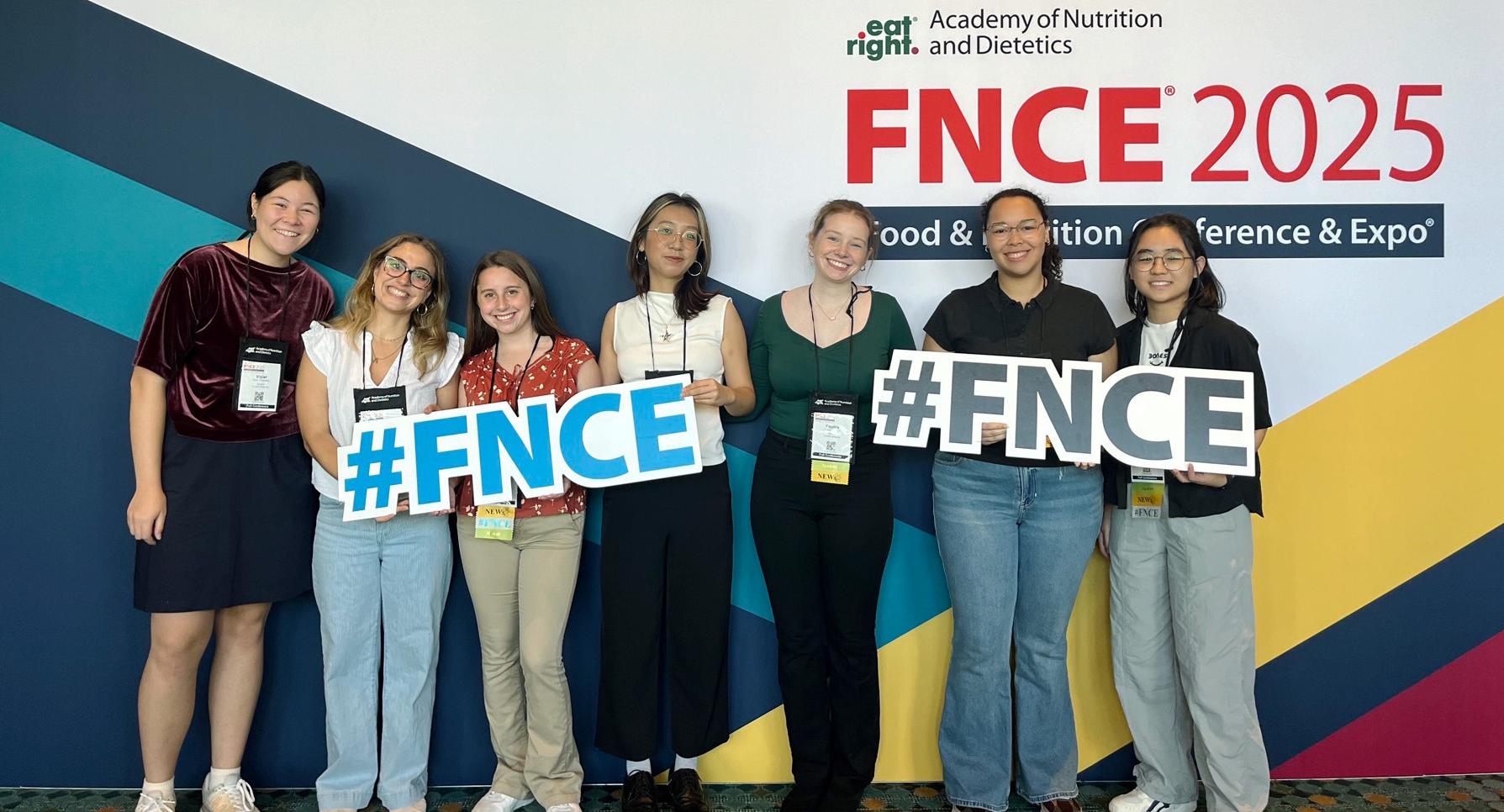
You also wanted to build connections beyond Cornell. Eight DPD students including You attended the annual Food and Nutrition Conference and Expo in Nashville, Tennessee, with support from CUDA.
“Dietetics is such a niche corner of Cornell, so the conference was a rare chance to connect with nutrition professionals across all types of career paths,” said You. “It was inspiring to see what dietitians practice in the field, and I learned so much about what I want to explore in my own academic career.”