Rethinking the research lab
A key outcome of the renovation is a division-wide research space where researchers share specialized equipment, rather than having equipment assigned to a single faculty member or lab. Faculty members help oversee instruments that align with their expertise.
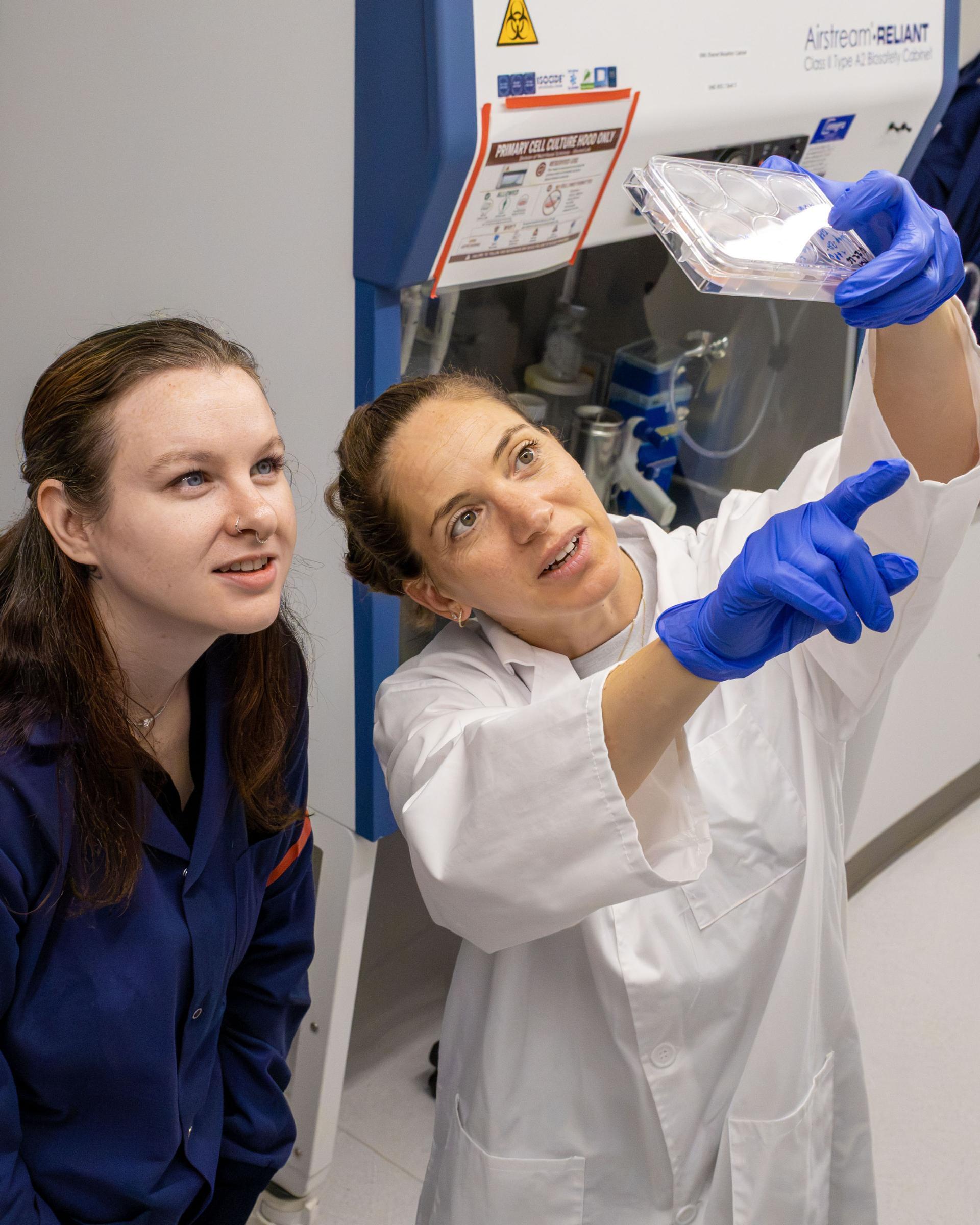
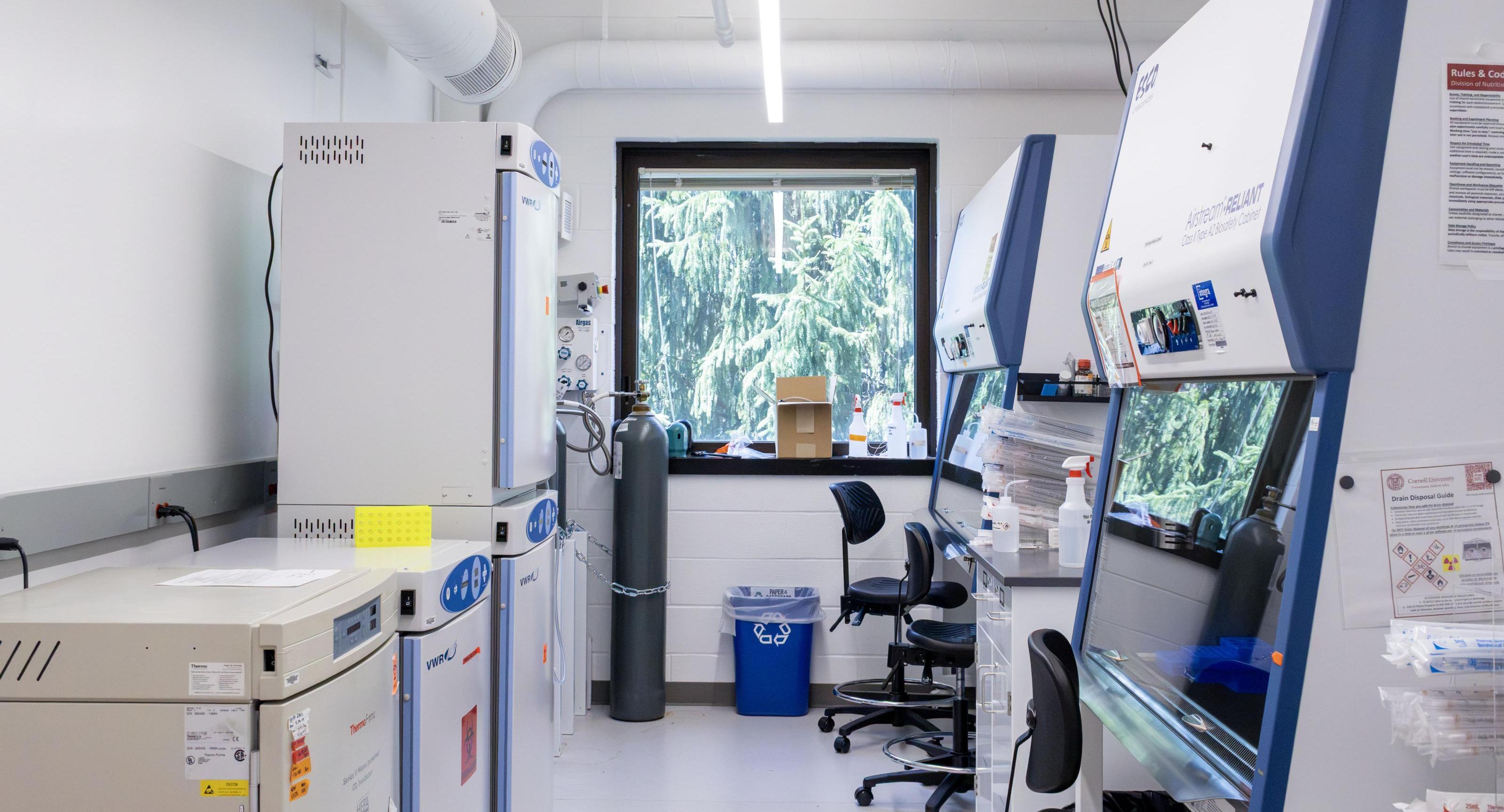
That includes dedicated cell culture space. Researchers use the space to grow and study cells, work that requires carefully controlled conditions to prevent contamination. The room is equipped with shared biosafety cabinets that create a sterile workspace, protecting cell cultures from bacteria, fungi and other microorganisms.
Previously, individual labs maintained their own equipment for cell culture. The new shared space reduces the need to duplicate that equipment while giving researchers across the division access to the same infrastructure.
We wanted to create a more interactive lab environment. By creating that shared lab space, people also see each other more often, lowering the barrier to ask for help.
Opening new research possibilities
Tolunay Beker Aydemir, associate professor of molecular nutrition, said access to shared equipment also expands the kinds of research questions faculty and trainees pursue.
“We have access to multiple devices that we wouldn’t have as individual groups,” Aydemir said. “It allows us to diversify our research and think more about how interdisciplinary work could be done, which is very important for us, especially in nutrition.”
The design process also gave faculty a chance to shape how the new labs would function. Their input on how researchers move between benches, equipment and procedures helped create spaces that support more efficient workflows.
Updated infrastructure includes improved emergency power systems that help protect sensitive equipment during unexpected outages.
The dedicated cell culture space in Kinzelberg Hall, a new feature of the renovation. Photo by Galib Braschler.
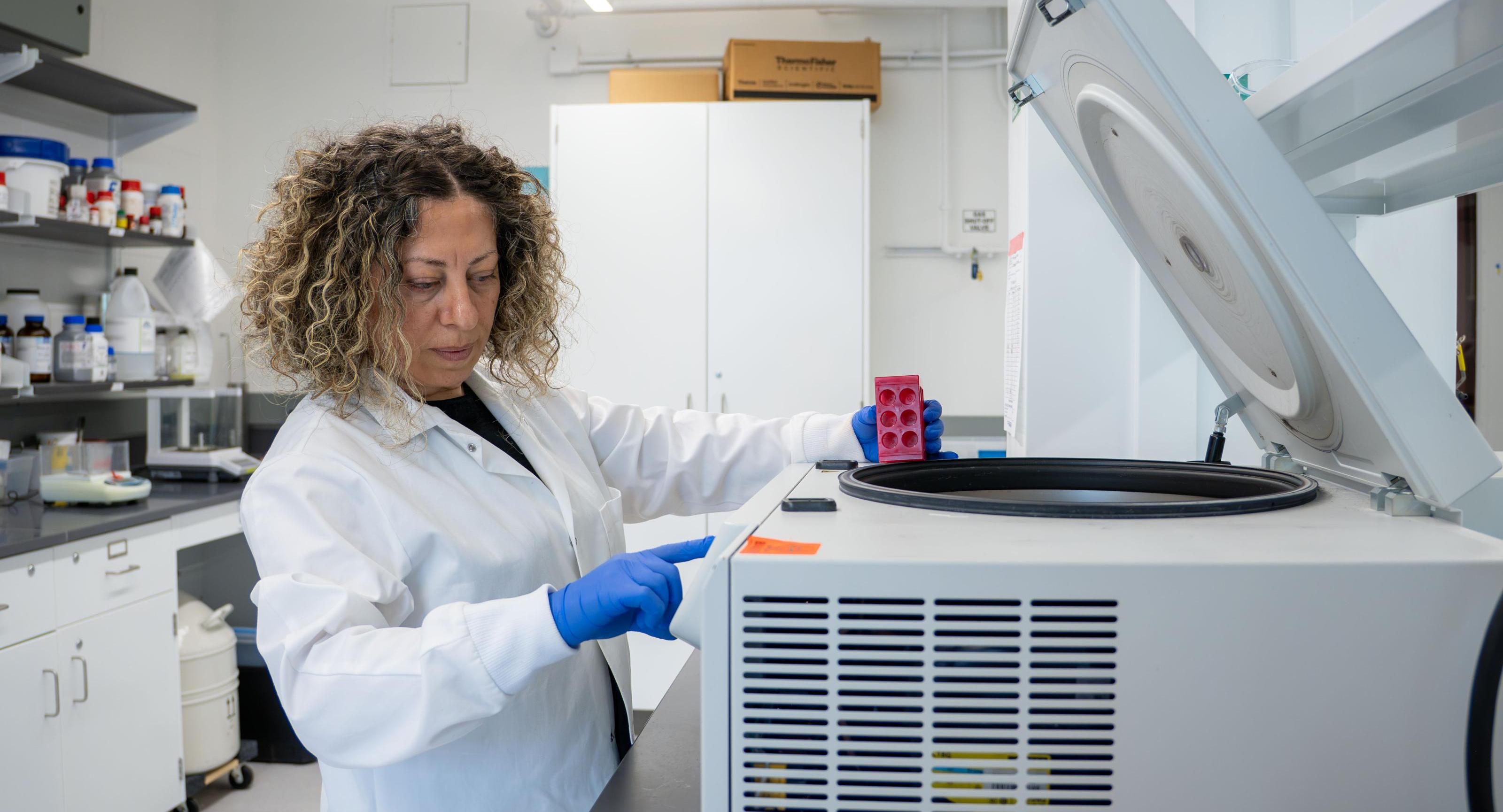
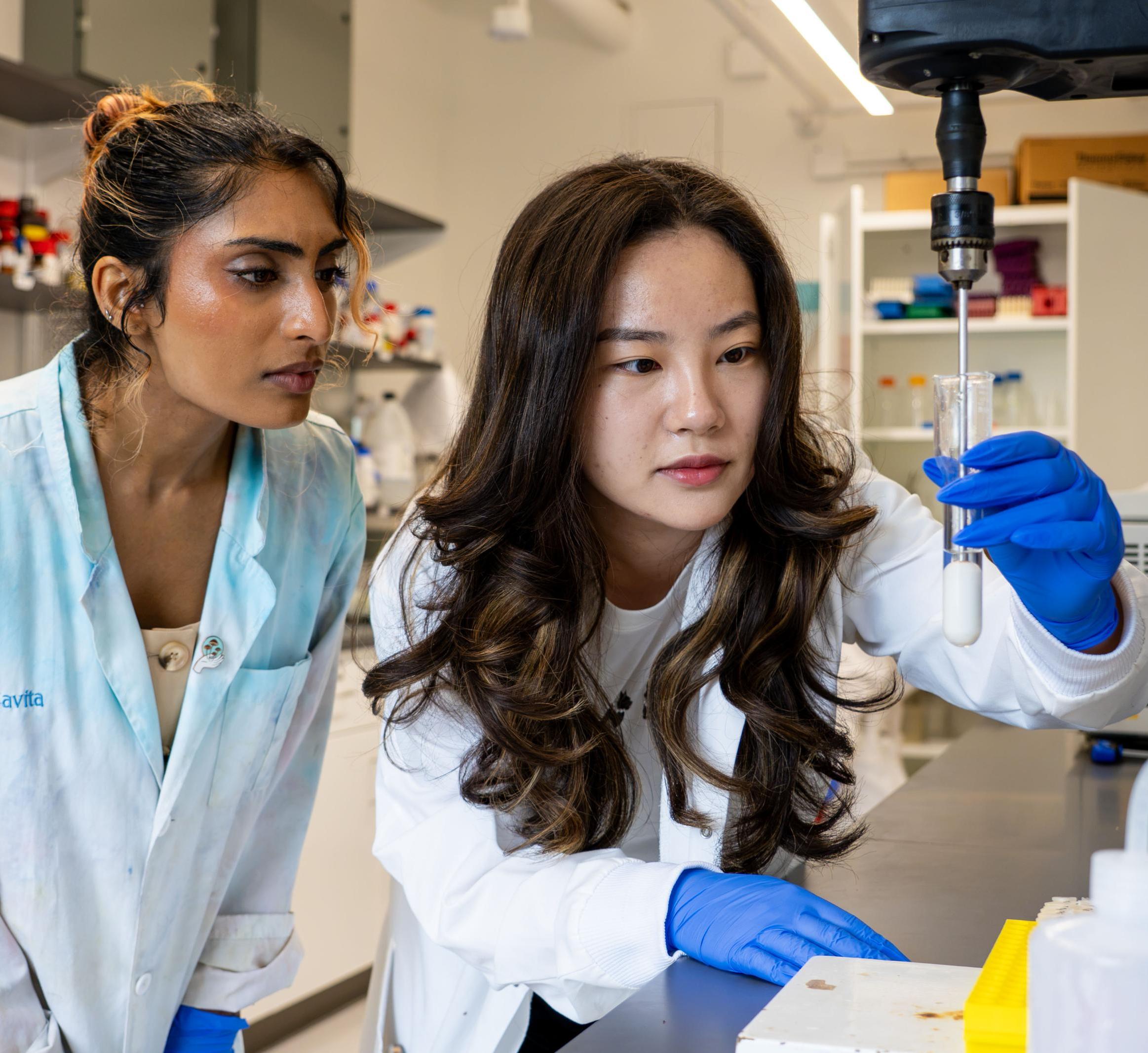
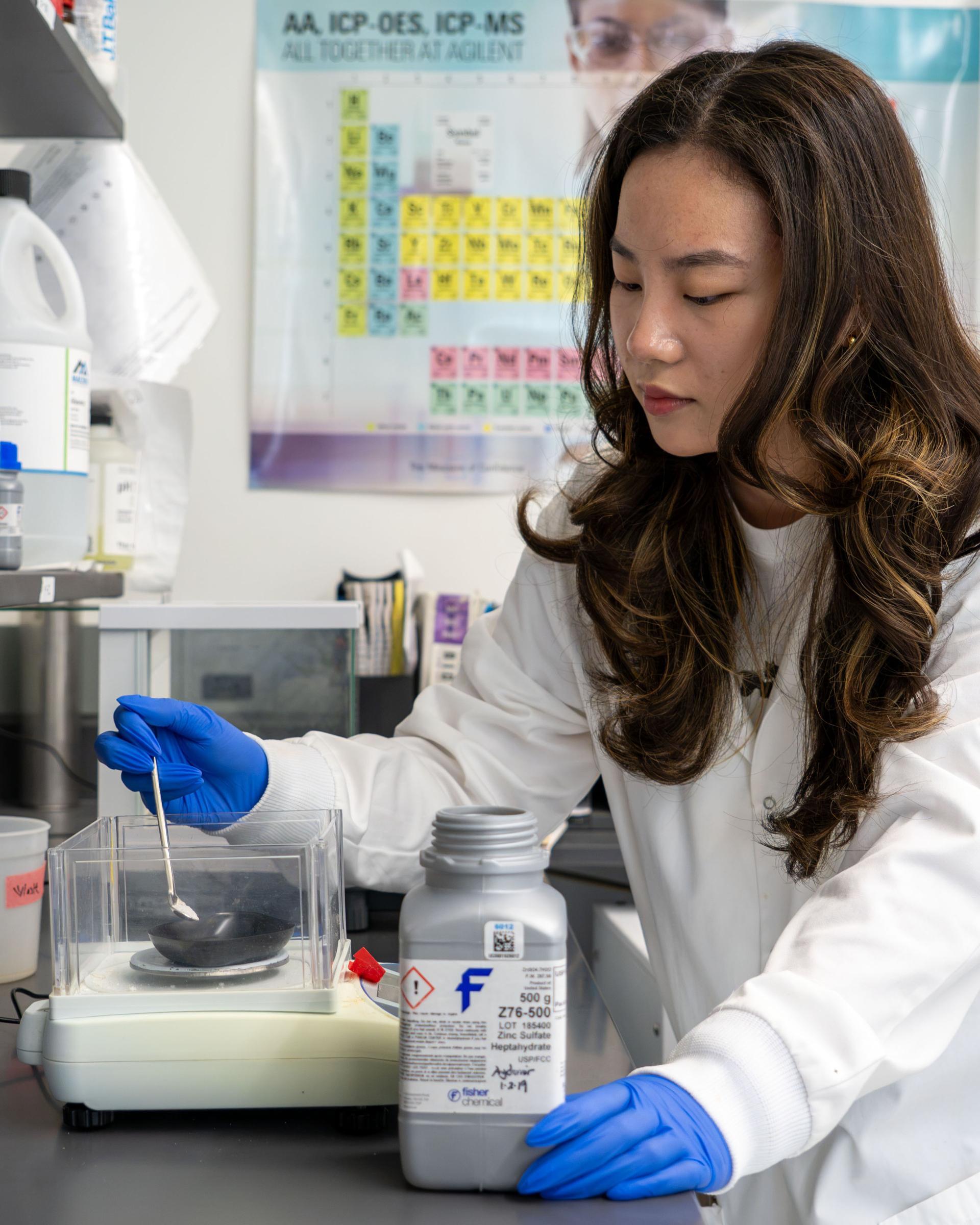
Tolunay Beker Aydemir, associate professor of molecular nutrition, prepares samples for processing in a high-capacity centrifuge in her renovated lab space. Photo by Galib Braschler.
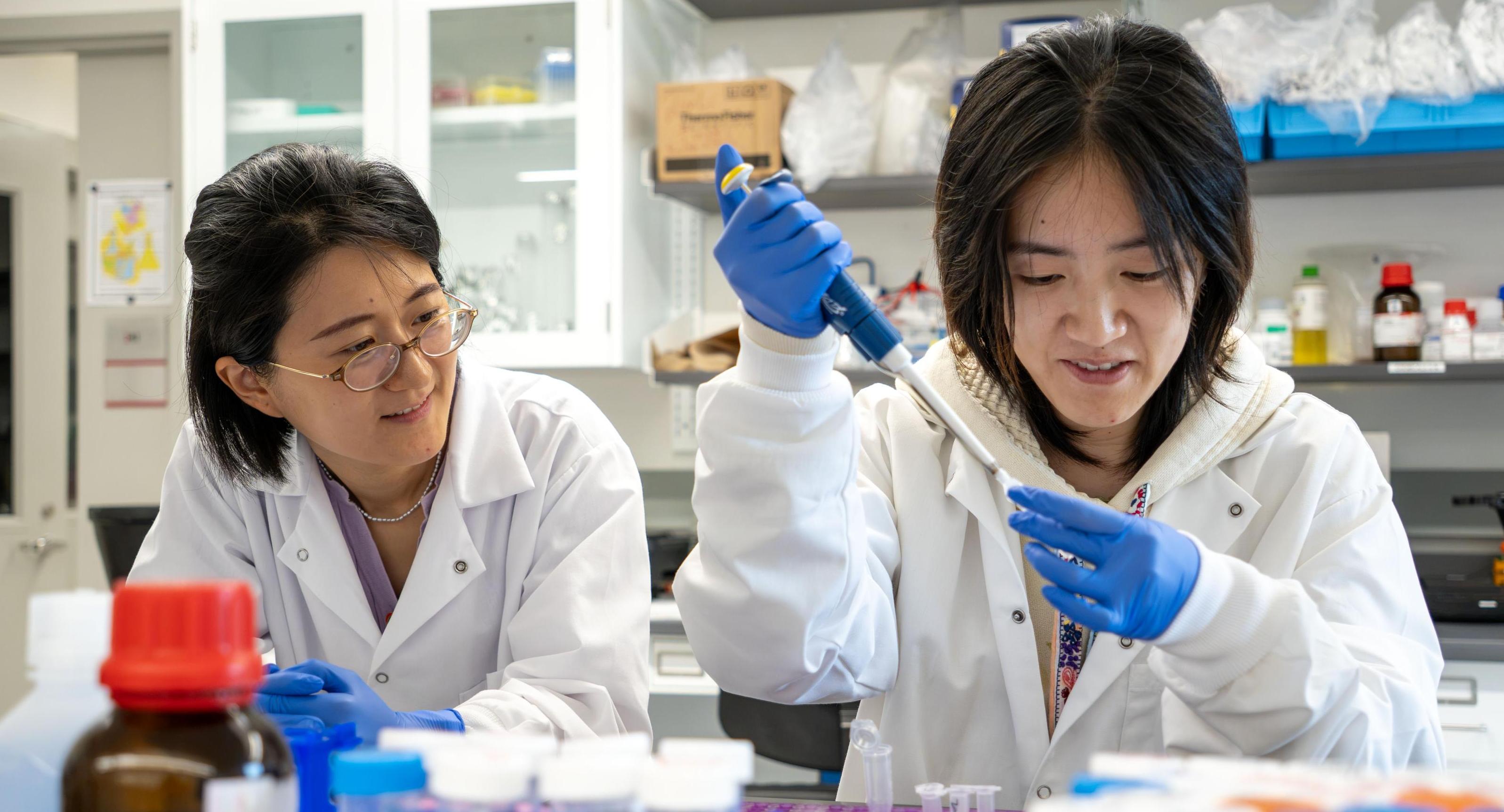
Yuhan Wang, left, assistant professor of molecular nutrition, works alongside her graduate student as they prepare samples in one of the new shared lab spaces. Photo by Galib Braschler.
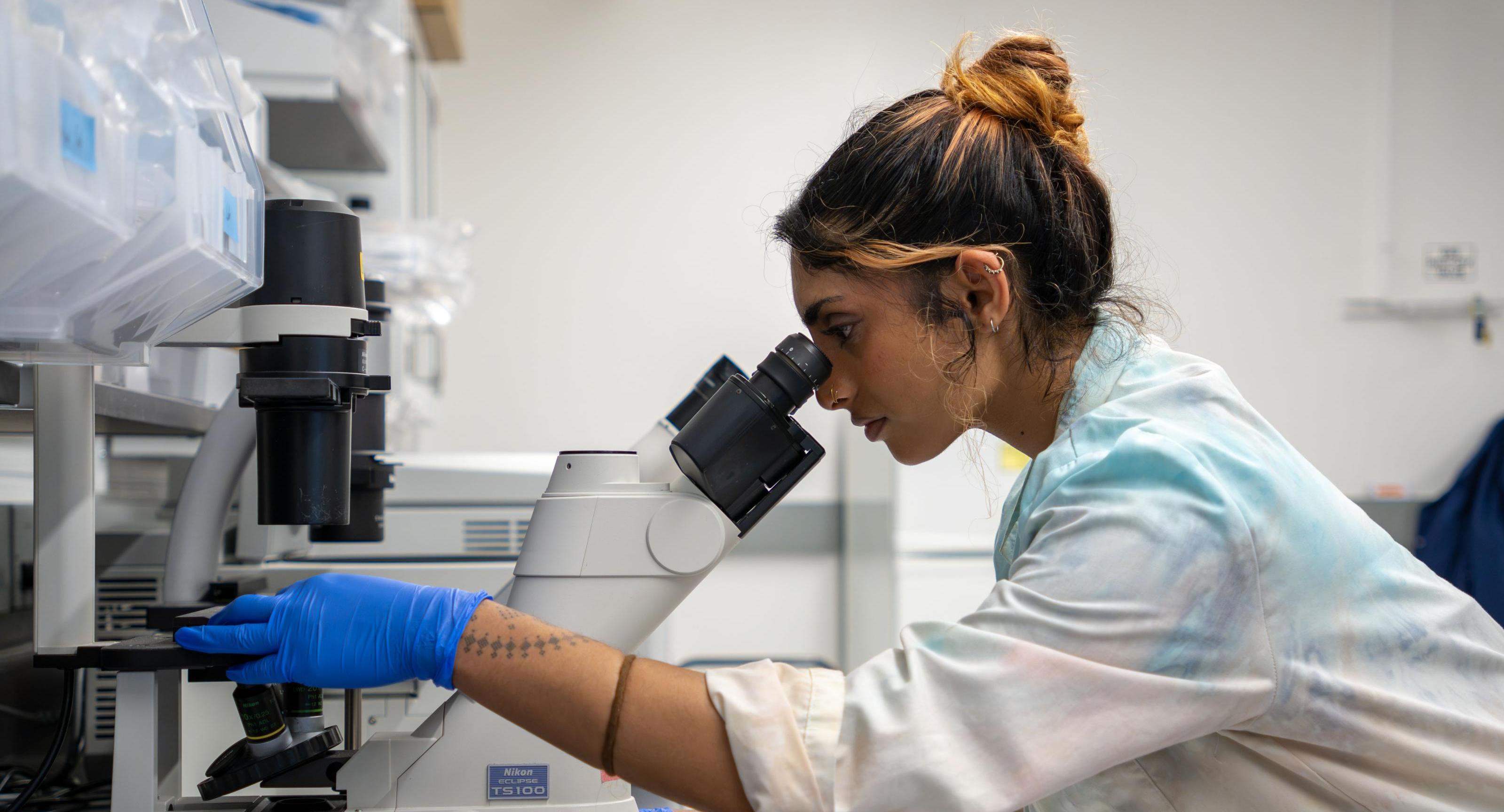
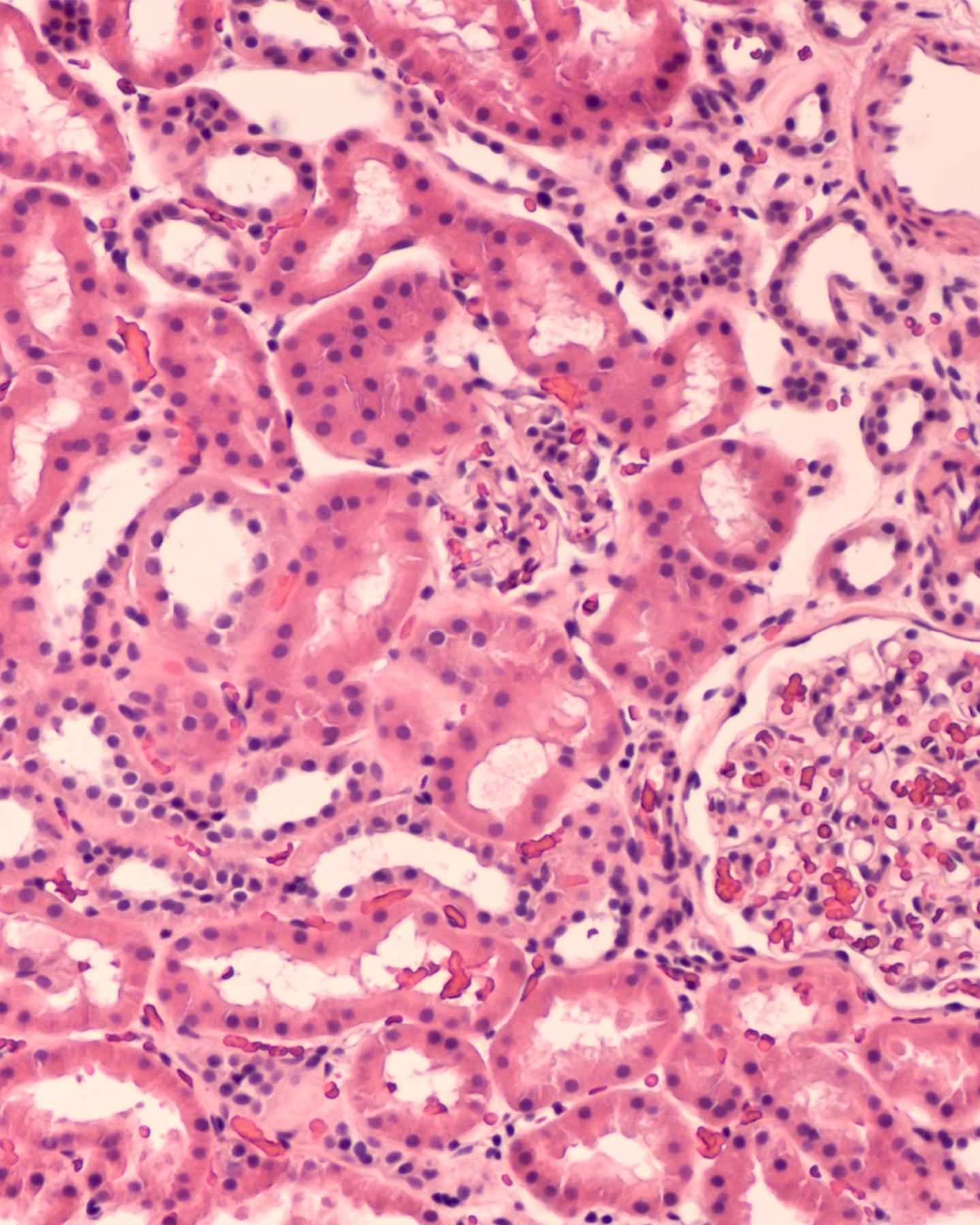
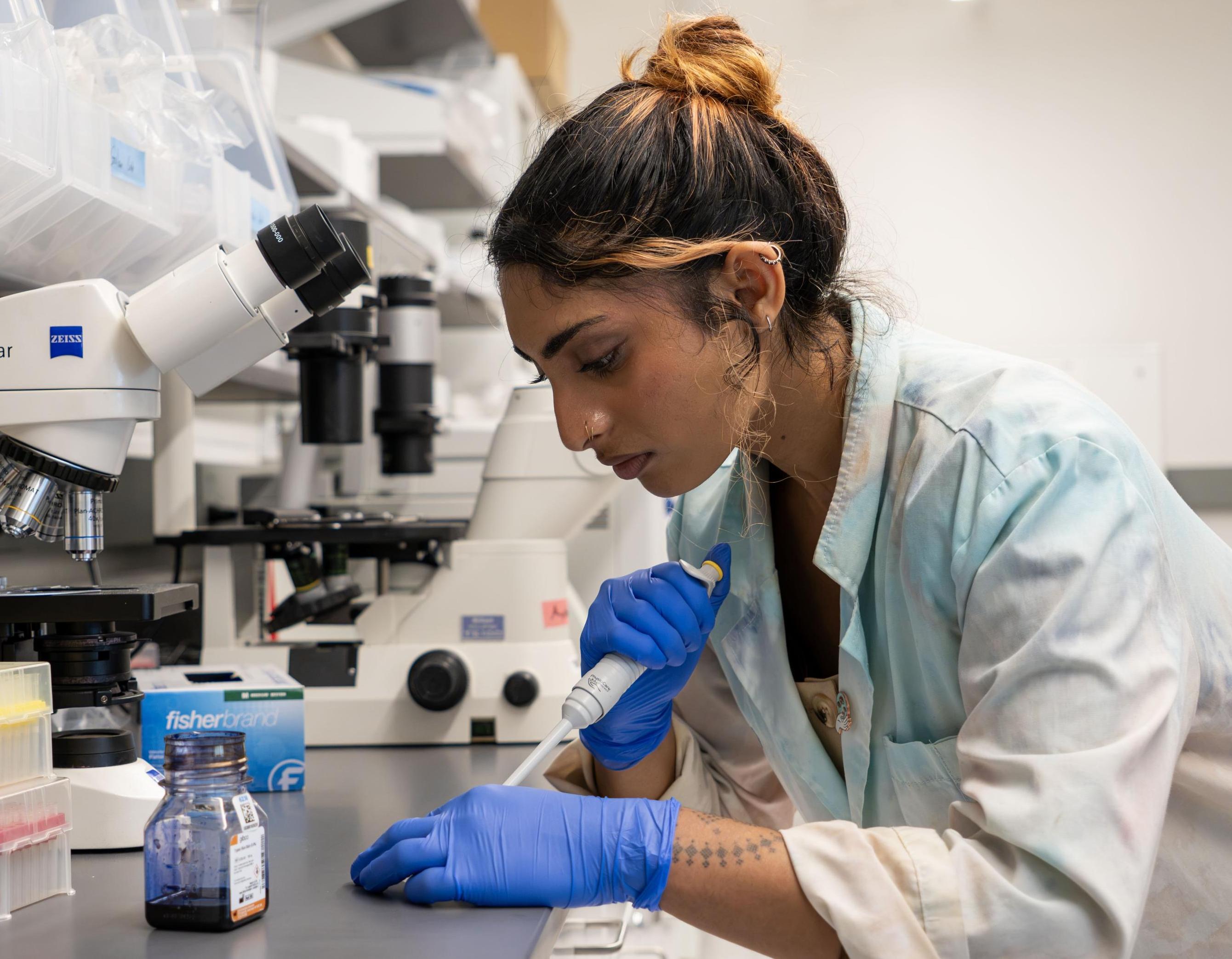
Savita Sastry, a Ph.D. candidate in molecular nutrition, puts her microscopy skills to use in one of the newly renovated research labs in Kinzelberg Hall. Photo by Galib Braschler.
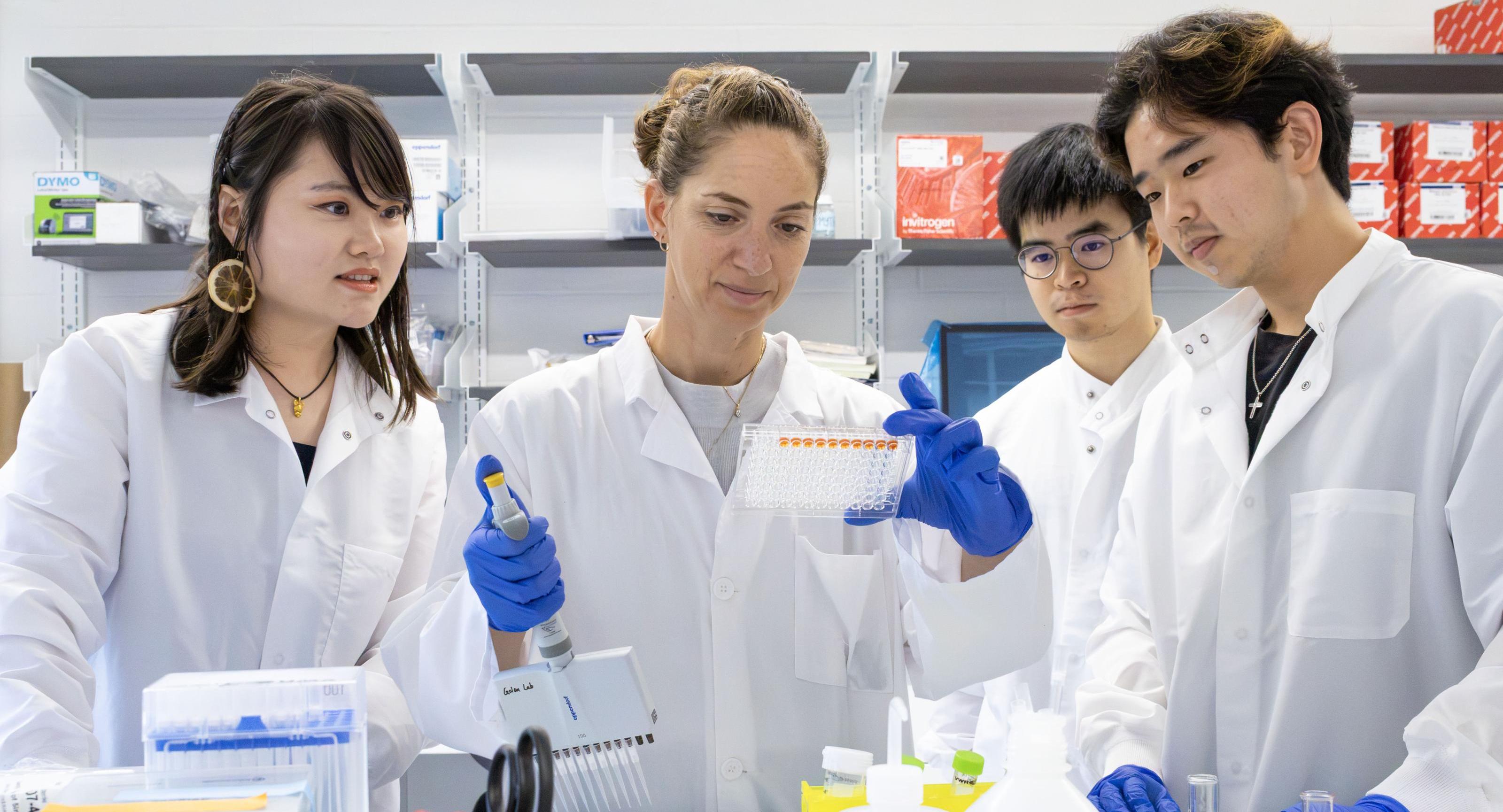
Yarden Golan, second from left, assistant professor, works alongside undergraduate and graduate researchers in her lab in one of the newly renovated research spaces in Kinzelberg Hall. Photo by Galib Braschler.
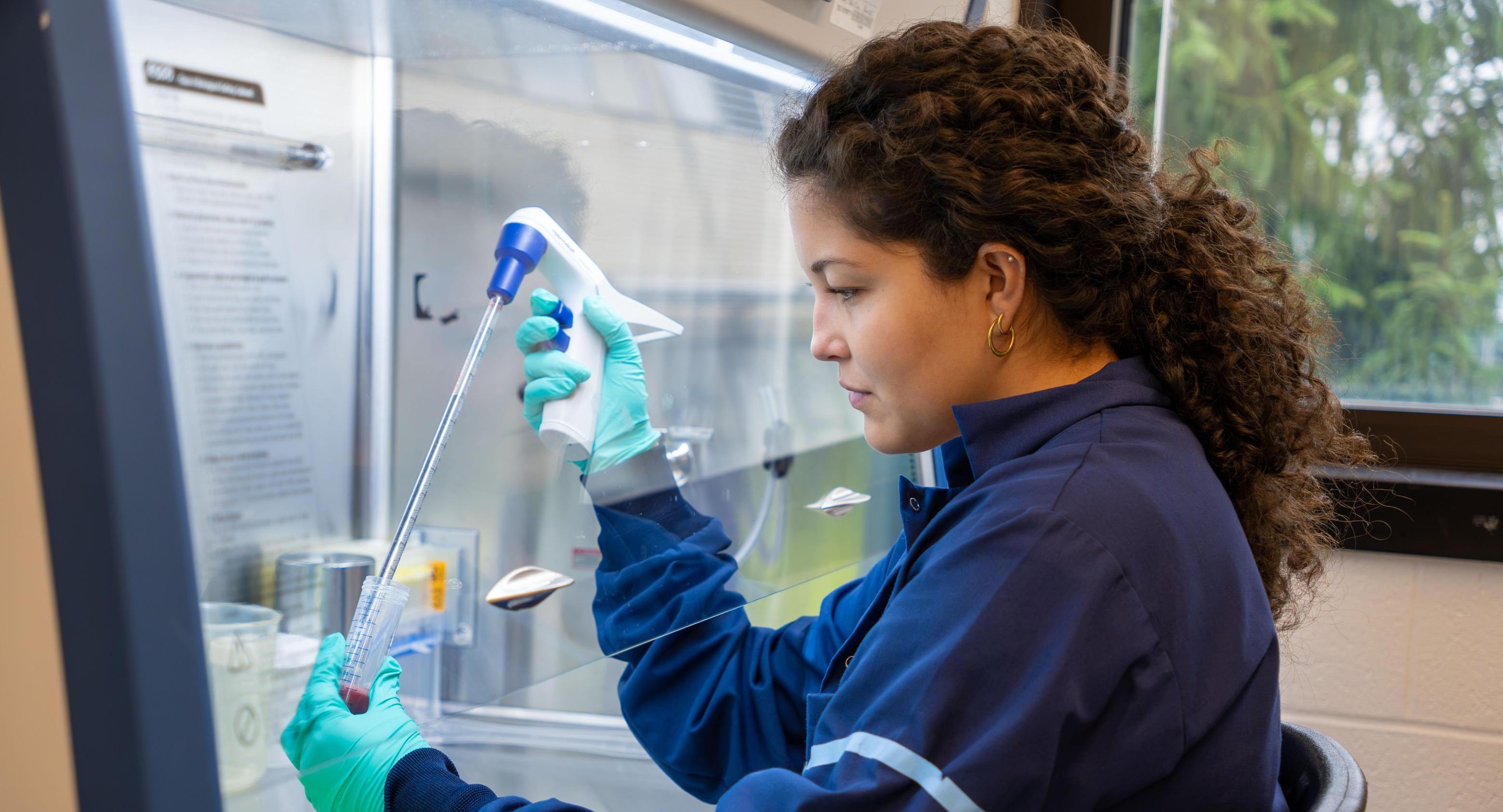
Angelina Mejia ’28, an undergraduate research assistant in the Kersten lab, works in the new shared cell culture space in Kinzelberg Hall. Photo by Galib Braschler.
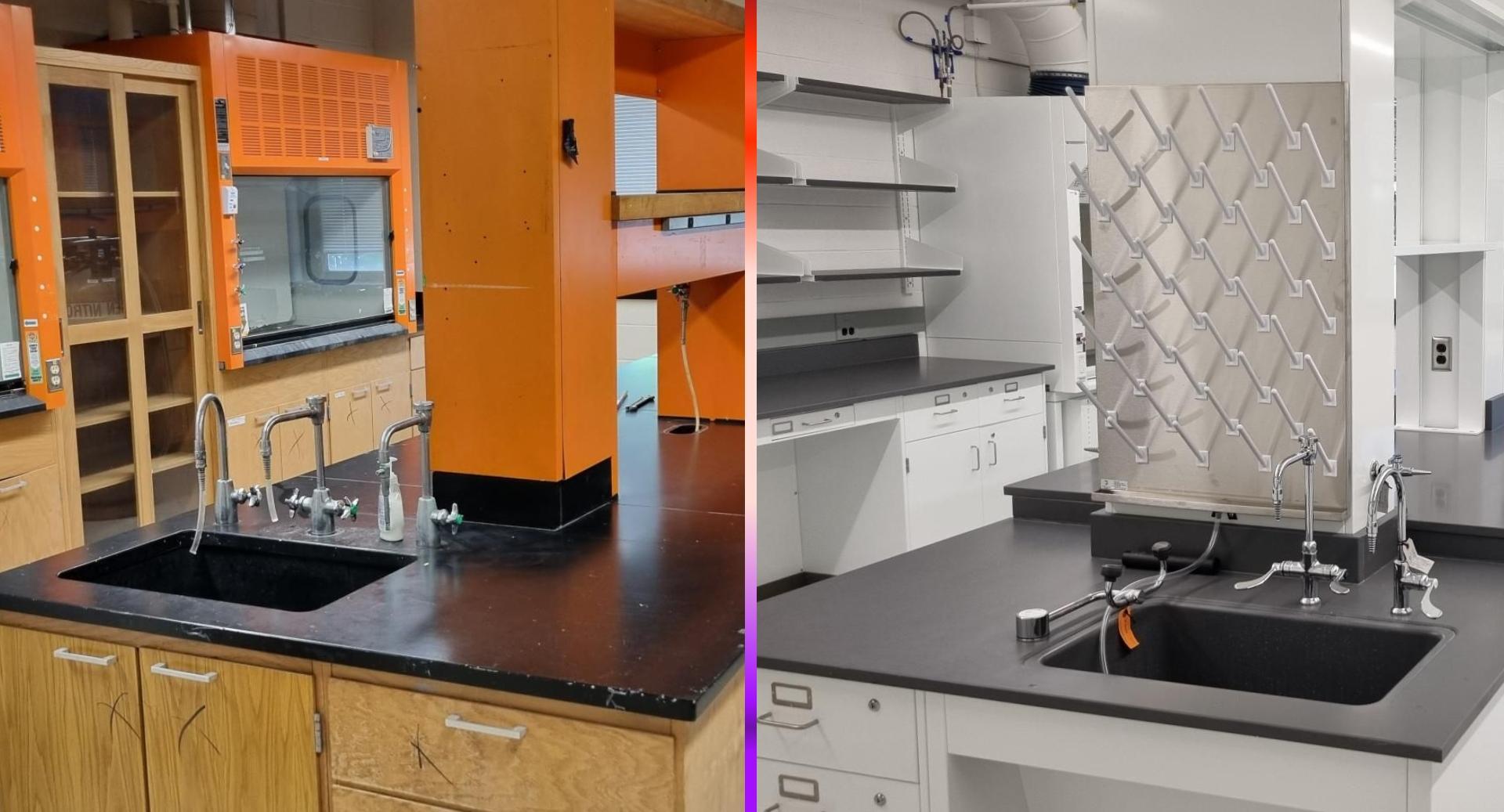
Research lab space in Kinzelberg Hall before, left, and after renovations that modernized the Division of Nutritional Sciences’ second- and third-floor facilities. Photos provided.
Building a research community
For Aydemir, one of the biggest changes is what happens between experiments. Shared space puts graduate students and other trainees in regular contact with researchers outside their own labs.
Sastry has experienced that change firsthand.
“The number of grad students I talk to increased so much with this lab space,” she said. “Usually, I just interacted with my own lab mates and the friends that I knew, but I made so many new friends because of this new lab space.”
Sometimes those connections begin simply because two researchers are waiting to use the same equipment. “You’re waiting for something. Somebody else is waiting for something. What do you do? You start talking,” Kersten said. “That’s very indirect, but that’s also how you advance in science.”
For Kersten, the renovated labs are also an investment in the future of DNS. As scientific technologies become more specialized, he sees an environment built around sharing knowledge, equipment and expertise as increasingly important for both the researchers working in Kinzelberg Hall today and those who will join the division in the years ahead.
“You’re an expert in one thing. Somebody else is an expert in something else, and then you work together,” Kersten said. “That has been the success story of science, and it will also be in the future.”
Interested in advancing your research in nutrition?
Explore graduate study in the Division of Nutritional Sciences and gain interdisciplinary training alongside faculty working across biochemistry, epidemiology, physiology, genetics, precision nutrition and more.