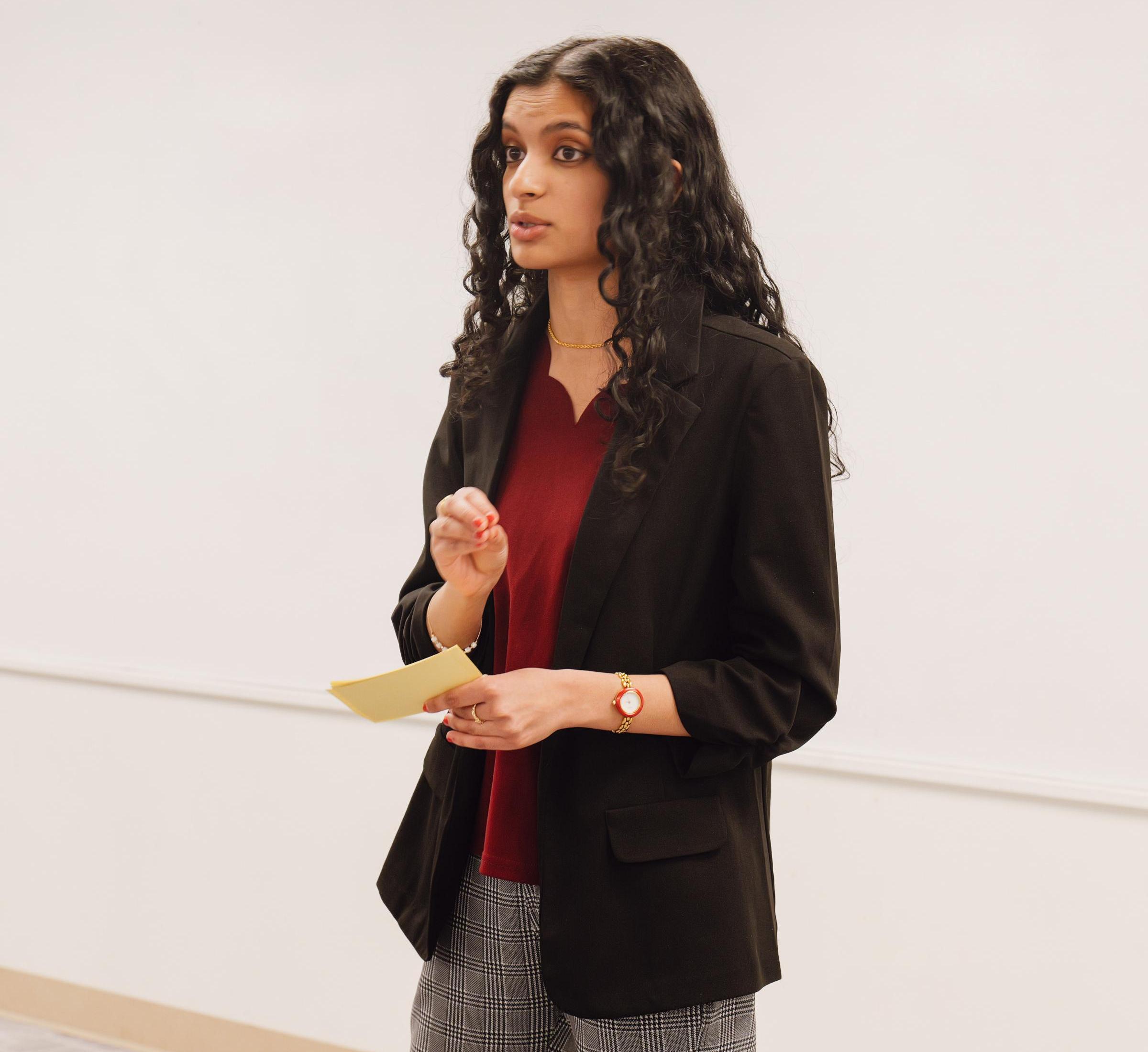
For Marie Cajoux ’26, her interest in aging began long before she declared a minor.
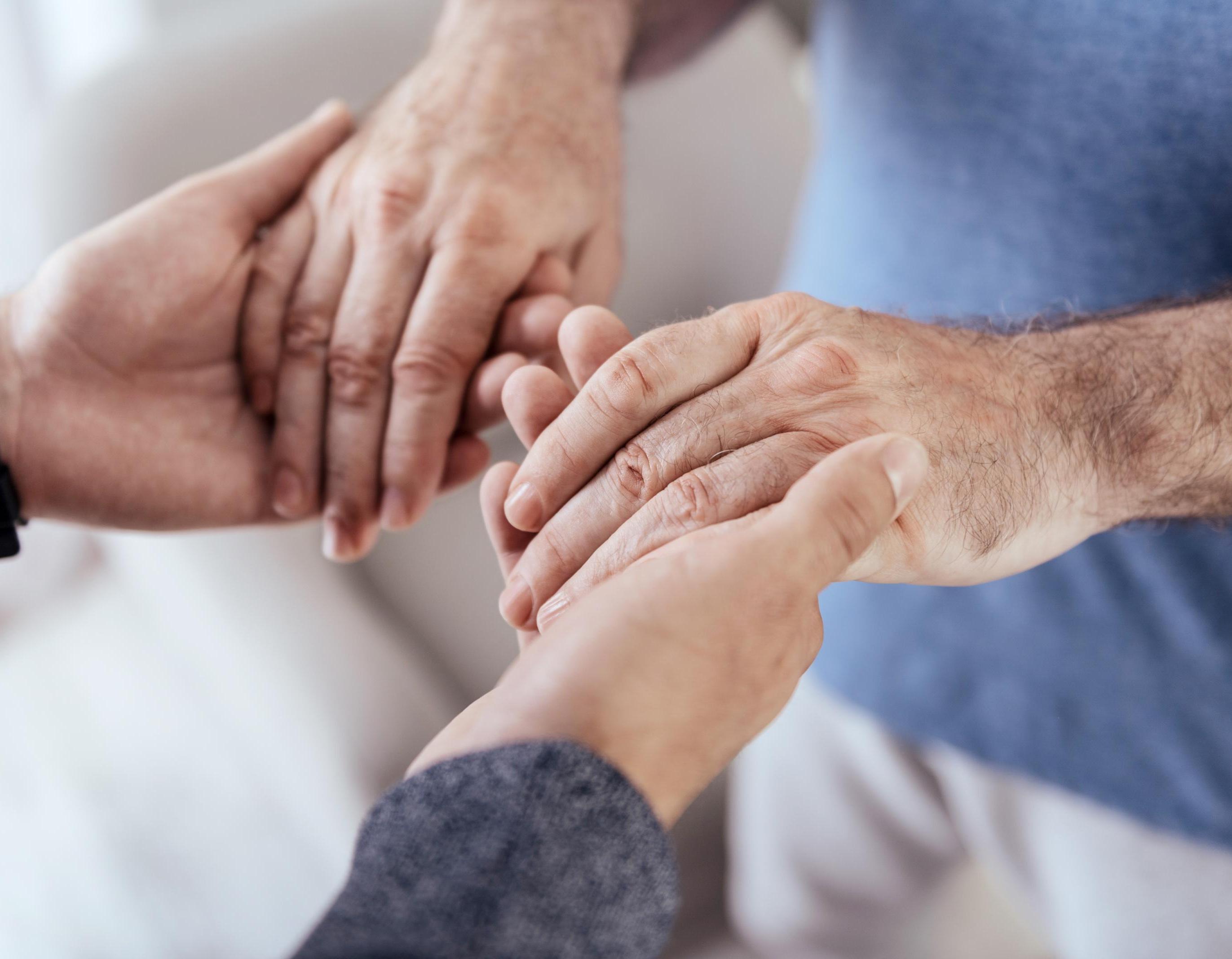
Watching her grandmother navigate the health-care system, she saw firsthand how difficult and deeply personal aging can be. There were moments when her grandmother struggled to be heard. Moments that stayed with her. That experience shaped Cajoux’s path, leading her to geriatric care and eventually to Cornell’s gerontology minor.
“It inspired me to really think about pursuing geriatrics as my medical specialty,” said Cajoux, a senior majoring in human biology, health and society.
More Americans are living longer than ever before. With that shift comes a growing need for people who understand aging not just as a biological process, but as something shaped by environment, relationships and lived experience.
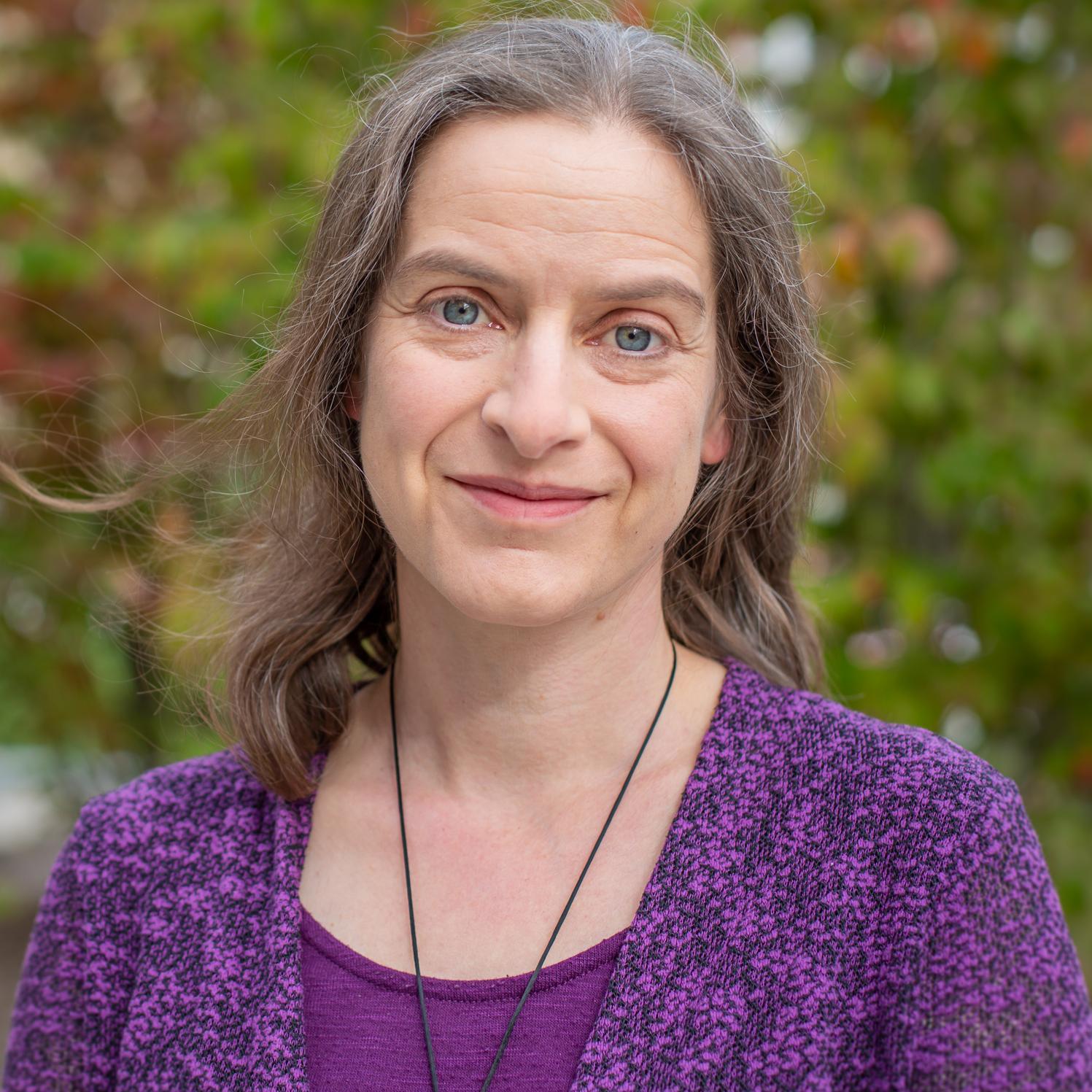
“The future is going to be characterized by an aging population, and so even younger adults should be very aware of the experiences, challenges, strengths and lived realities of older adults,” said Corinna Loeckenhoff, the Janet and Gordon Lankton Professor of Development Psychology and Professor of Gerontology in Medicine at Weill Cornell Medicine, who directs the minor.
An interdisciplinary minor, open to all students
The gerontology minor is open to students across Cornell and requires 12 credits. Students complete one of two core courses — HD 2180: Human Development: Adulthood and Aging or HD 2510: Social Gerontology: Aging and the Life Course — along with additional coursework drawn from across the university. With courses spanning multiple disciplines, from design to nutrition to public policy, the minor is designed to be flexible and easy to integrate into a wide range of majors.
“It’s about students getting knowledge that they don’t have from lived experience, and won’t have for another 50 years,” said Loeckenhoff.
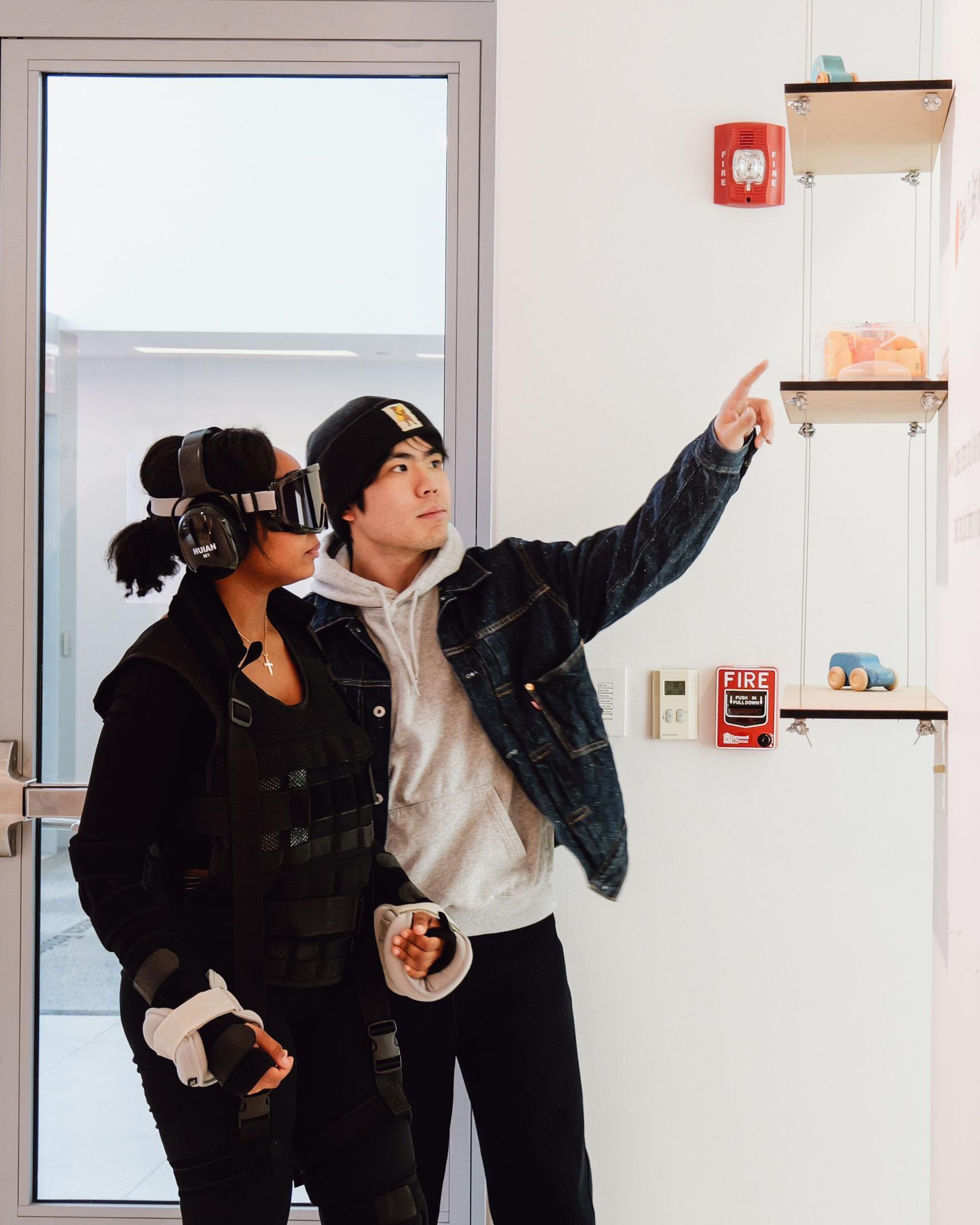
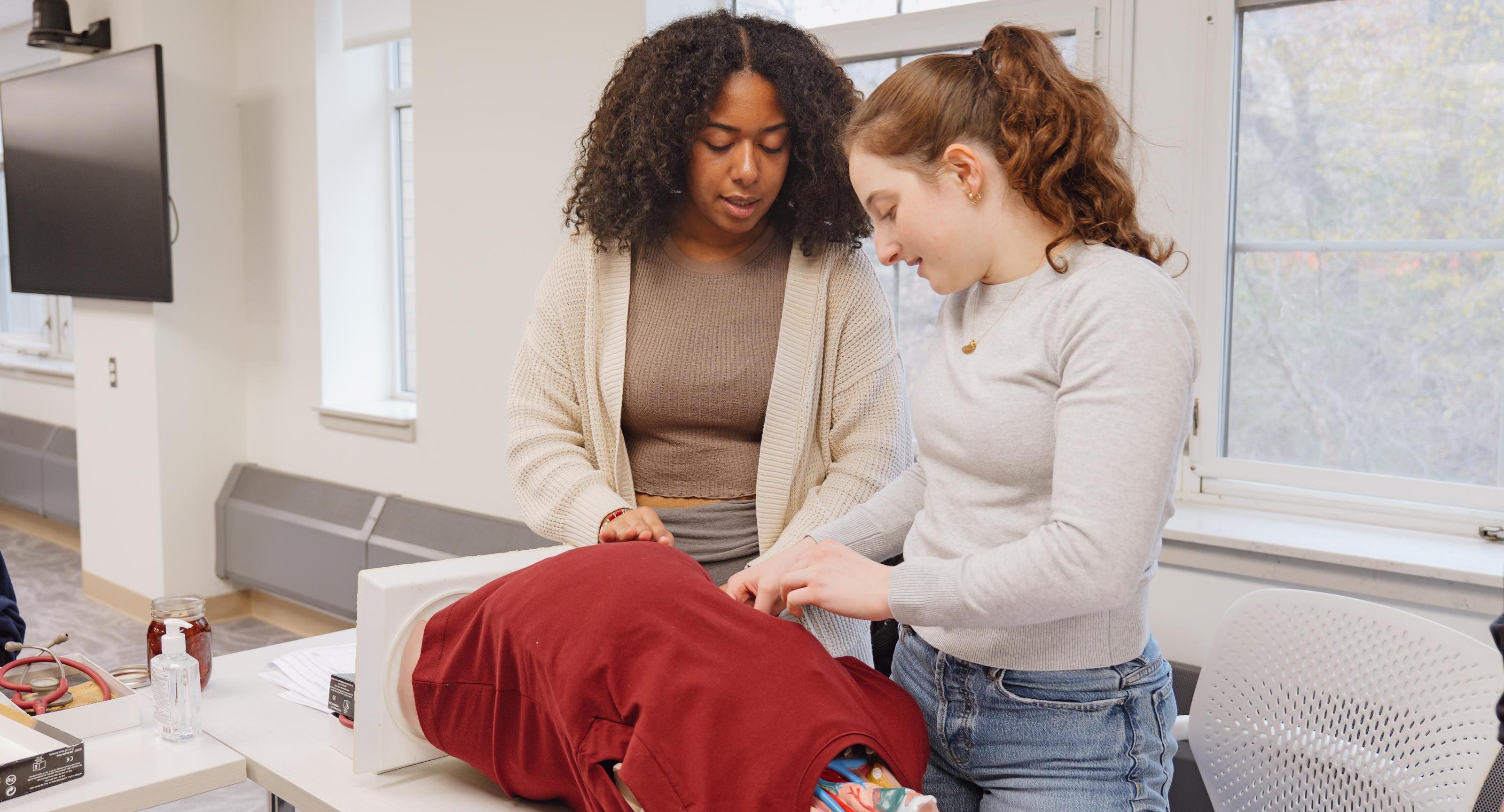
As part of the minor, students also take part in hands-on experiences, working directly with older adults through research, community programs or clinical settings. For Cajoux, that work happens in long-term care facilities, where she serves as a certified nursing assistant. Much of the job is routine, helping with daily tasks and moving through the rhythms of care, but the moments that stay with her are the quieter ones.
“Allowing people to feel seen when it’s a vulnerable moment is really important,” she said.