
Nutrition for Maternal and Child Health
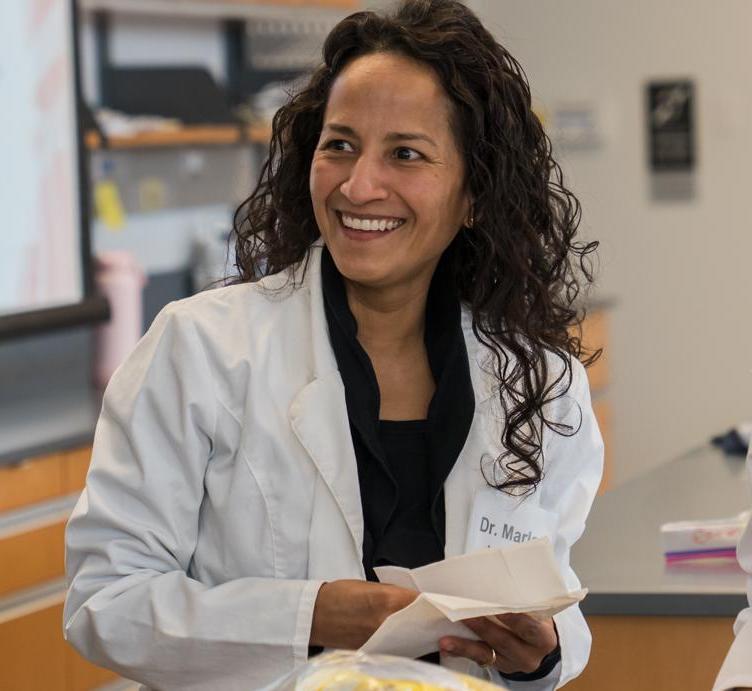
Appropriate nutrition from preconception through pregnancy, infancy and early childhood provides the foundation for optimal health during adolescence, adulthood and old age. Nutrition for Maternal and Child Health brings together faculty across the disciplinary spectrum of nutrition to advance the nutrition and health of mothers, infants and children.
Nutrition for Metabolic Health
The number of people with chronic metabolic disorders such as obesity, metabolic dysfunction-associated fatty liver disease, and type 2 diabetes is growing rapidly. Using a translational research approach from cells to society, Nutrition for Metabolic Health aims to generate a detailed mechanistic understanding of how nutrient metabolism can be leveraged to improve metabolic health.
Nutrition for Precision Health
The relationship between nutrition and health is highly complex, with many factors contributing. The current population-based, one-size-fits-all approach to dietary guidelines may not provide optimized dietary advice for subgroups and individuals. Nutrition for Precision Health is a unifying and holistic approach to developing more precise nutritional recommendations to advance individual and population health by incorporating insights from genetics, dietary habits and eating patterns, circadian rhythms, health status, socioeconomic and psychosocial characteristics, food environments, physical activity and the microbiome.
Nutrition for Public Health and Health Equity
Across the United States and globally, the composition and quality of the diet vary substantially between populations and communities. Nutrition for Public Health and Health Equity aims to study the role of nutrition in population health and investigate how to leverage nutrition policies, programs and services to improve public health, emphasizing communities facing the disproportionate burden of diet-related chronic conditions.
Depending on their thesis topic, Ph.D. students may be involved in:
- Designing, implementing and evaluating nutrition interventions and policies, for example, in pregnant or lactating mothers or for limited resource and under-served populations
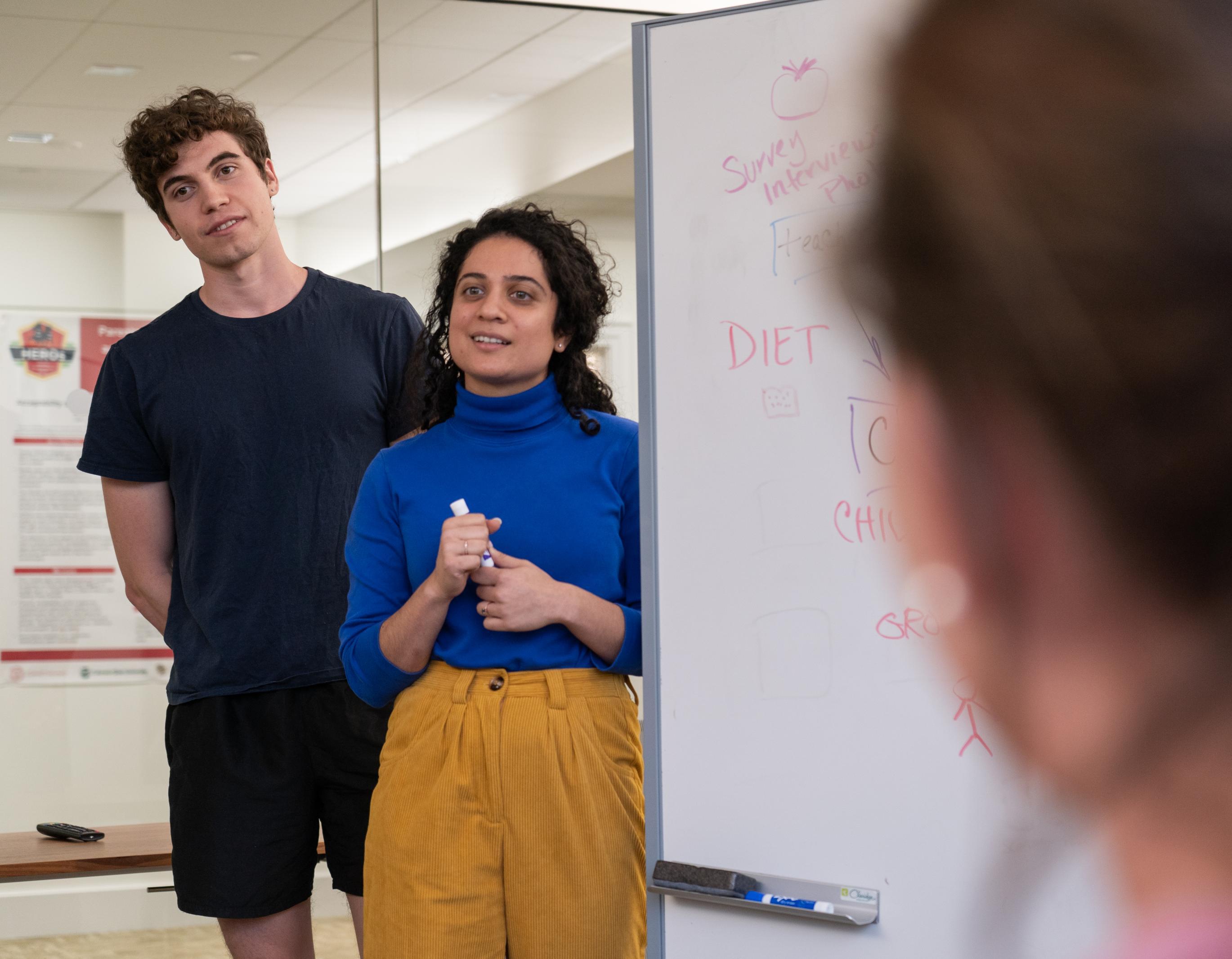
- Understanding people’s food choices and the contributions of social, cultural, policy and food systems to those behaviors
- Understanding the distribution and causes of nutritional disparities in populations using tools from epidemiology, social sciences, systems science and policy analysis
- Designing and conducting trials in human volunteers in local or international settings to study the health effects of specific diets or nutrients, or studying how specific nutrients are metabolized
- Conducting studies in genetically modified mice to gain further insights into the regulation of nutrient metabolism under specific dietary, physiological or environmental conditions
- Collecting milk from lactating mothers or stools from newborn babies for detailed molecular analysis to gain further understanding of how breastmilk supports the health of babies
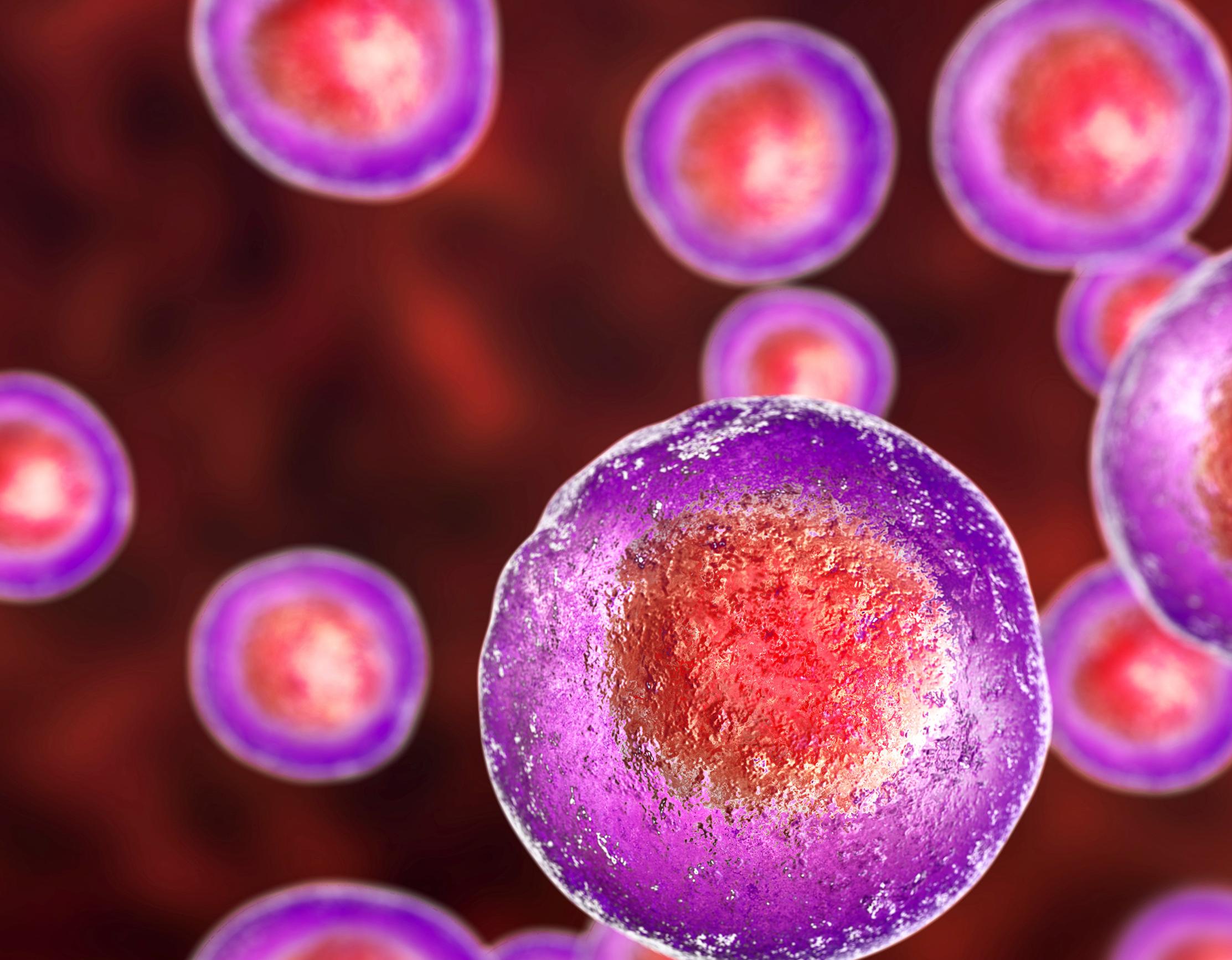
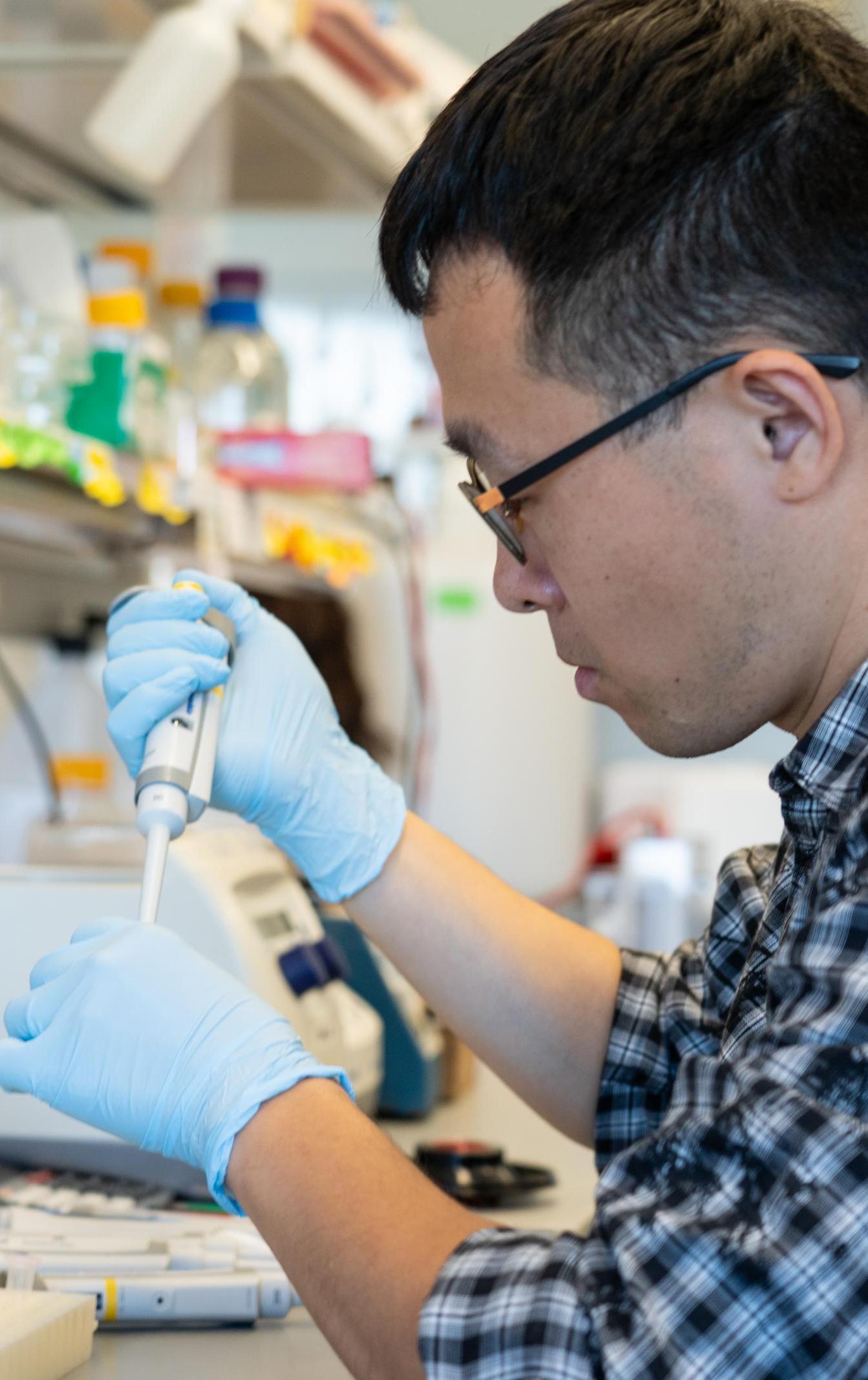
- Performing experiments in cultured cells to better characterize how specific nutrients influence the function of cells, as well as how nutrients are metabolized, stored or released from cells
Graduates of our program typically work in universities; national and international government agencies such as the National Institutes of Health, the Centers for Disease Control and Prevention, and the World Health Organization; non-governmental organizations such as UNICEF and the Gates Foundation; applied research institutions; and the food, biotech and health industries.
Program description
- an acclaimed faculty with a wide-variety of research interests, which provide an exceptional range of opportunities for multidisciplinary research, and
- the preeminence of the Division of Nutritional Sciences at Cornell globally for nutrition education, research and service.
Doctoral students can plan their graduate programs to fit their career goals. Combined Ph.D./R.D. students also complete courses in Nutrition in Action: Theory to Practice, Epidemiology, and Translational Research and Evidence-based Practice and Policy and a translational "field" experience. Funding support is available from a graduate training program.
Graduates of the combined Ph.D./R.D. program are well-prepared to meet the pressing needs in academic, medicine and policy sectors for translational nutrition researchers. They also are well-positioned because of the limited number of R.D.s in the U.S. who also hold a Ph.D. (4%), few of whom have direct translation and evidence-based policy experience.
Application deadline: December 1
This is a program only open to applicants with a graduate degree who have completed or are completing an ACEND-accredited Didactic Program in Dietetics (DPD) or ACEND-accredited Foreign Dietitian Education (FDE) program. Accepted students begin doctoral studies in year 1 and the Dietetic Internship (DI) in year 2. Following the DI, students are eligible to sit for the CDR examination for RDs. Students continue with doctoral studies following the DI.
Applications must be submitted by December 1 to both the Graduate Field of Nutrition at the Graduate School and to the Dietetic Internship (DI) online through DICAS.
- Dietetic internship application requirements are the same as for applicants to only the DI. See the Dietetic Internship page for more information.
- Additional coursework is helpful for molecular nutrition (molecular/cell biology, genetics, etc.) and community nutrition (statistics, social sciences, etc.); significant experience in a developing country is required for international nutrition.
- Prior research experience is advantageous for all specializations.
- Admission by both the Internship and Graduate Field of Nutrition Admissions committees and funding (providing a stipend and tuition waiver) are decided by early March.
- Applicants not selected for the Ph.D./R.D. option may be considered for dietetic internship-only option.
Learn more by visiting our Dietetic Internship page or by contacting the program at dietetics [at] cornell.edu.


Director, Bronfenbrenner Center for Translational Research





Schleifer Family Professor

Associate Dean for CHE in NYC