- Sep 4 ,2026Sep 7 ,2026Sep 8 ,2026Sep 9 ,2026Sep 10 ,2026Sep 11 ,2026Sep 14 ,2026Sep 15 ,2026Sep 16 ,2026Sep 17 ,2026
- by Denise N. Green
- Human Centered Design
- The Gold Gallery (MVR 1250)
Approaching America: Myth, Dress, and Belonging
American fashion constructs a story about who belongs in the national imagination. What is a myth, if not a story worn so often it starts to feel like fact? This exhibition asks what happens when that story confronts its own contradictions: when American myths are pressed up against the labor, land, histories, and people that make them wearable in the first place. Visitors move through the exhibition the way a newcomer might, from idyllic first

- May 19 — Sep 30 ,2026
- by Catherine Kueffer Blumenkamp
- Human Centered Design
- Human Ecology Building T45
Who Owns What?
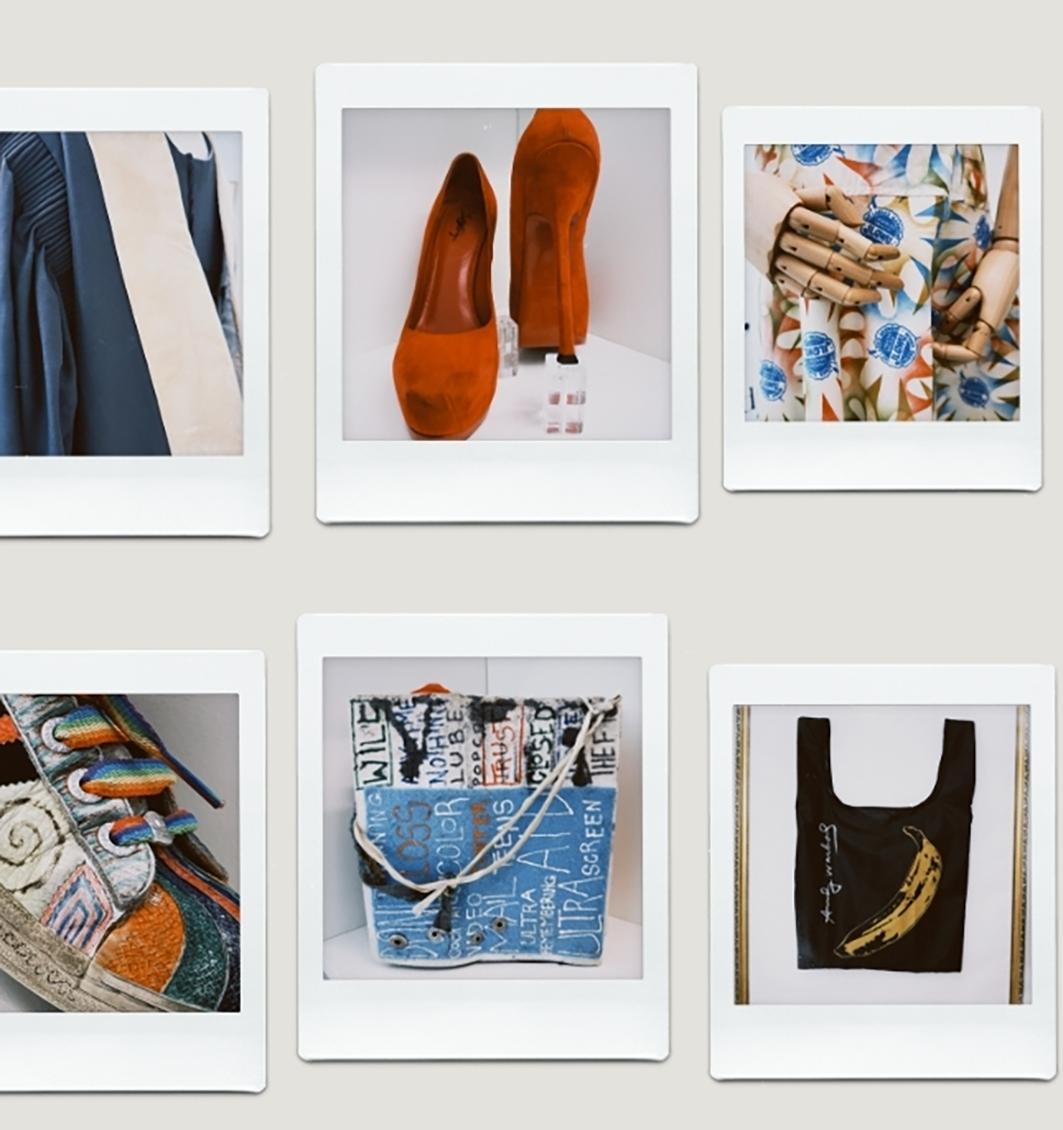
“Who Owns What?” investigates fashion’s relationship with identity through the various perspectives of those who may refer to themselves as “The Owner.” The exhibit is divided into three sections: “The Creator,” “The Wearer,” and “The Steward.” “The Creator” explores design process, brand identity, labor, and consumerism. “The Wearer,” reveals how clothing can become intimately personalized. “The Steward,” raises questions about the slipperiness of meanings over time. Through a series of vignettes, identity becomes something owned
M.P.S. Human Ecology – Design + Environmental Analysis
Explore people, environments, and technology — and launch your next career move.
Daniel Casasanto
Daniel Casasanto is an Associate Professor of Human Development and Psychology at Cornell University and director of the Experience and Cognition Laboratory. He studies how the diversity of human experience is reflected in our brains and minds: how people with different physical and social experiences come to think, feel, and act differently, in fundamental ways. To study cognitive diversity across cultures, his lab conducts research on five continents, using methods that range from watching children
Rhonda Gilmore
As a design educator, I believe in balancing critical inquiry with skill development: teaching students how to use their intellect and utilize their skills to problem-solve for a design-hungry world is both challenging and immensely rewarding. This combination of left brain / right brain functions known as the design process improves the human condition and I view my role as a guide for students as they endeavor to learn from those problems that require and