


- Aug 28 ,2026
- by Larissa Shepherd
- Human Centered Design
- Human Ecology Building T01
Biomass to Biomaterials: Engineering Regenerated Cellulosic Materials from Agricultural Feedstocks—and Why So Few Reach Market
Agricultural biomass represents one of the world’s largest underutilized renewable resources, yet only a small fraction is transformed into high-value materials. Advances in regenerated cellulosic fibers have created new opportunities to diversify feedstocks beyond conventional wood pulp. Despite significant progress, however, relatively few next-generation biomaterials successfully transition from lab to commercial adoption.
This seminar explores the journey from agricultural biomass to regenerated cellulosic materials through the lens of both materials science and commercialization. Using CocoaFiber’s
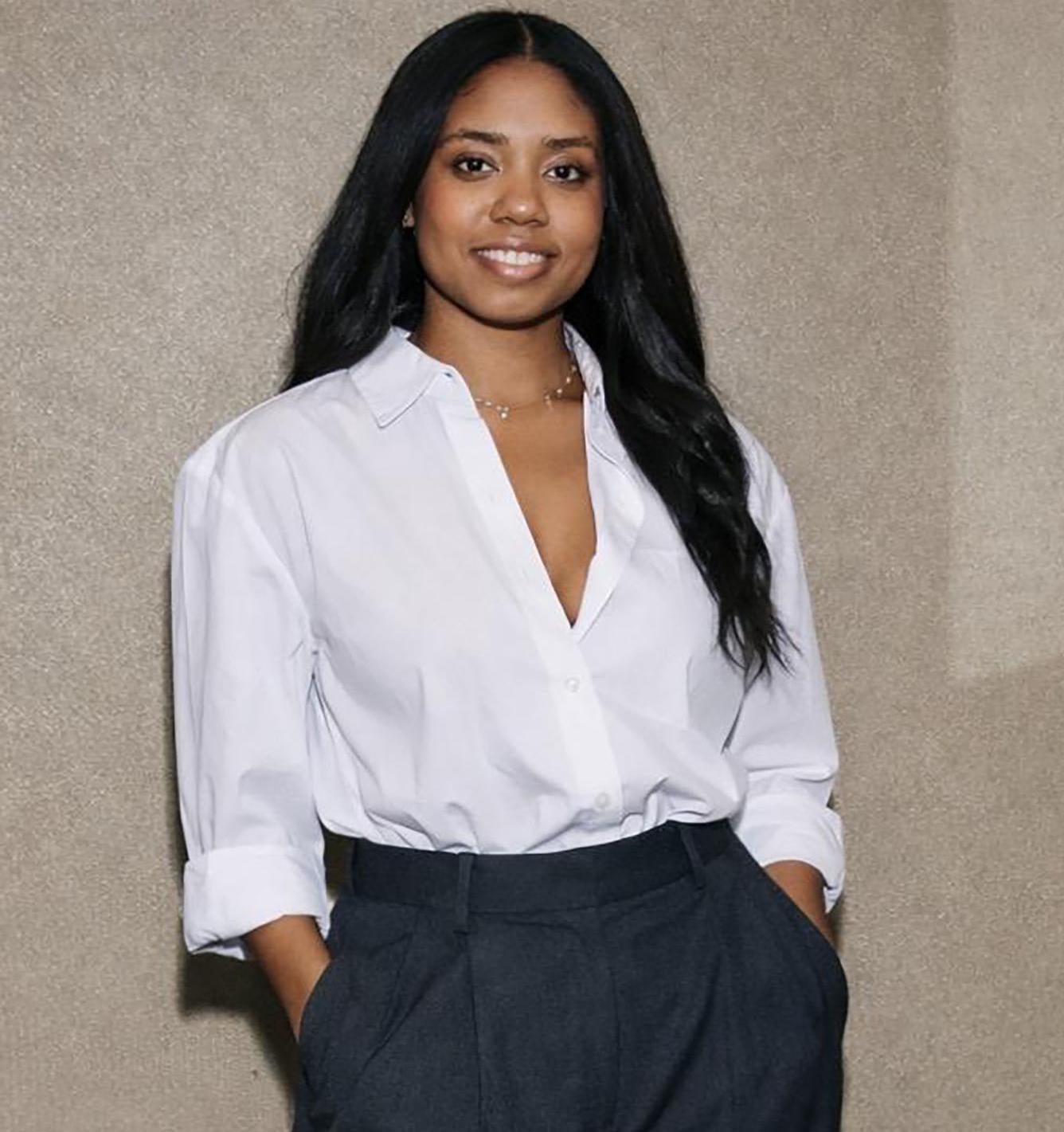
Qingyue (Emily) Sun
Emily (Qingyue) is a Master’s student in Nutritional Science at Cornell University studying adipose and skeletal muscle biology. Her research uses lineage tracing to investigate adipocyte progenitor dynamics and how imatinib affects myogenic fusion and skeletal muscle regeneration.
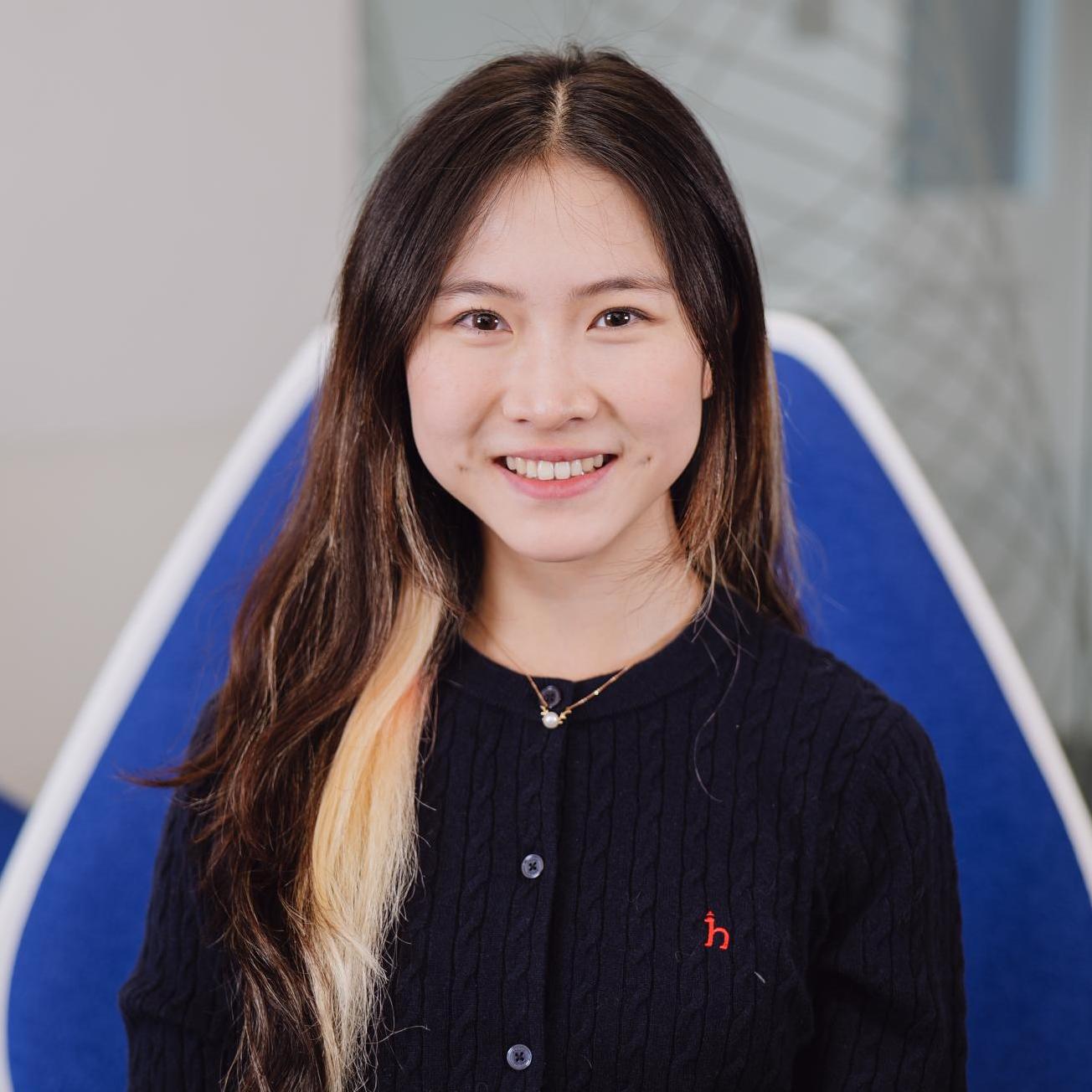
Lauren Korfine
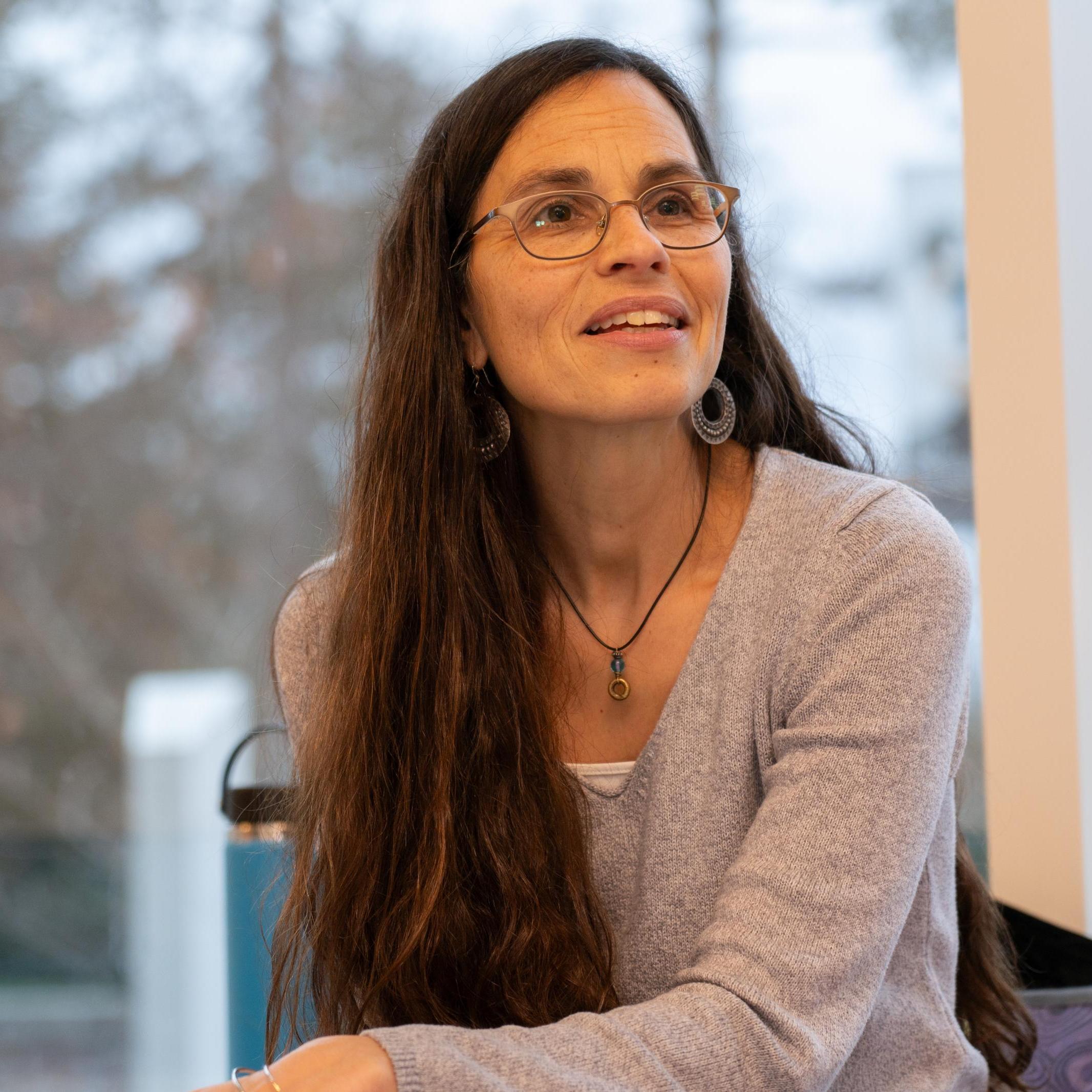
Armin Mostafavi
Armin Mostafavi is a postdoctoral researcher at Cornell University’s Design and Augmented Intelligence Lab (DAIL) in the Department of Human-Centered Design. His interdisciplinary research merges architecture, environmental psychology, and neuroscience, focusing on how built environments influence human behavior and cognition. Through innovative biofeedback and behavioral frameworks, Dr. Mostafavi aims to enhance architectural design by understanding and leveraging human responses.
Since 2019, he has worked on NIH-, NSF-, and NIDILRR-funded research projects led
- Aug 22, 2026
- Holistic Human Health
3 Things About the Brain That Actually Get Better with Age
Julia Nolte conducted research on age and regret while a psychology graduate student in Cornell Human Ecology's Healthy Aging Laboratory.
- Aug 24, 2026
- by Marisa LaFalce
- Community Engagement, Holistic Human Health, Social Impact + Justice, Sustainability + Society, Technology + Human Thriving, Student Life, CHE in NYC
With internships and research experiences, students turn summer into opportunity
Summer break is an ideal time for students to gain work experience and earn money for college. The challenge? Internships that provide direct work experience are often unpaid or may be located far from home.
Thanks to support from Cornell Human Ecology, students in all eight majors can gain valuable experience, earn a stipend, and give back to the community where they work.
CHE-funded opportunities include:
- BCTR Scholars: a one-year program through the Bronfenbrenner