Summer break is an ideal time for students to gain work experience and earn money for college. The challenge? Internships that provide direct work experience are often unpaid or may be located far from home. 

Thanks to support from Cornell Human Ecology, students in all eight majors can gain valuable experience, earn a stipend, and give back to the community where they work. 

CHE-funded opportunities include:

Funding opportunities are also available across the university, such as the Jiang Fellowship for entrepreneurship.

Six students shared their summer experiences:

Posted on
08/24/2026
Author
Marisa LaFalce
Tags
Community Engagement, Holistic Human Health, Social Impact + Justice, Sustainability + Society, Technology + Human Thriving, Student Life, CHE in NYC

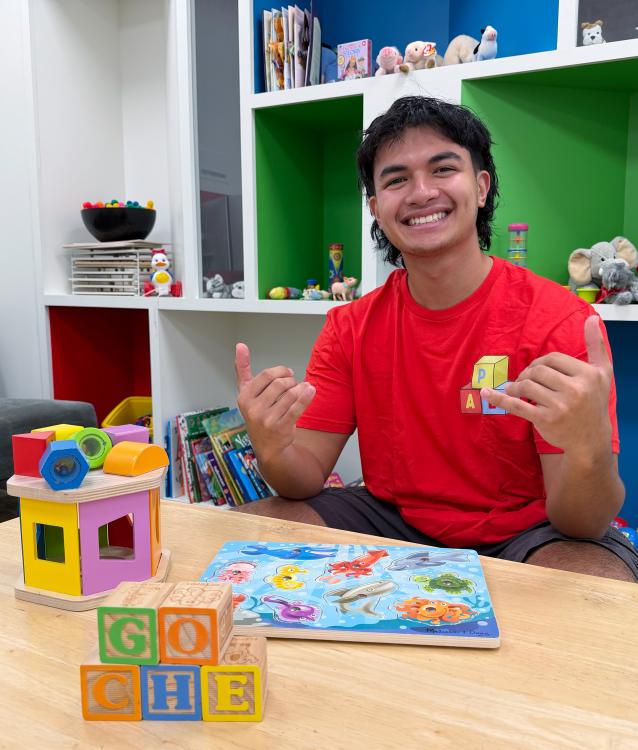
Melchior Goldfarb ’29 learned the science behind children’s play

Major: Human Development
Summer experience: Undergraduate Research Assistant, Play and Learning Lab, Ithaca, New York

What did you do this summer?

I helped David Tompkins, a Ph.D. student, with a study on behavioral coding. I compared videos of two children completing a shape-sorting task and determined which child performed better. I also recruited participants at the Sciencenter and helped Prof. Casasola with a literature review. Outside of the lab, I explored Ithaca’s attractions, including hiking trails and restaurants.

What interested you in this opportunity?

This lab felt like a perfect fit. It focuses on translational research, so there is a community-facing side. I eventually hope to become a pediatrician, and I've volunteered at a children's hospital back home. I'm also involved with Big Red Buddies, where I play with kids at Head Start sites. 
I've seen firsthand how much children gain from play, but I never understood the science behind it. Learning how play contributes to development is fascinating, and understanding how kids learn and grow feels essential to becoming a patient-centered pediatrician.

Did anything surprise you?

Research is a lot of repetition. I completed more than 1,000 comparisons. It made me appreciate how much behind-the-scenes work goes into producing a single result in a paper.

Do you have advice for other students seeking internships?

Make personal connections. I wrote about Prof. Casasola and the Play and Learning Lab in my Cornell admissions essay. We spoke during Orientation, and I made an effort to connect with her during CHE seminars. By the time I emailed her about an opportunity, she already recognized my name.
 

Portrait of Melchi Goldfarb in the Play and Learning Lab

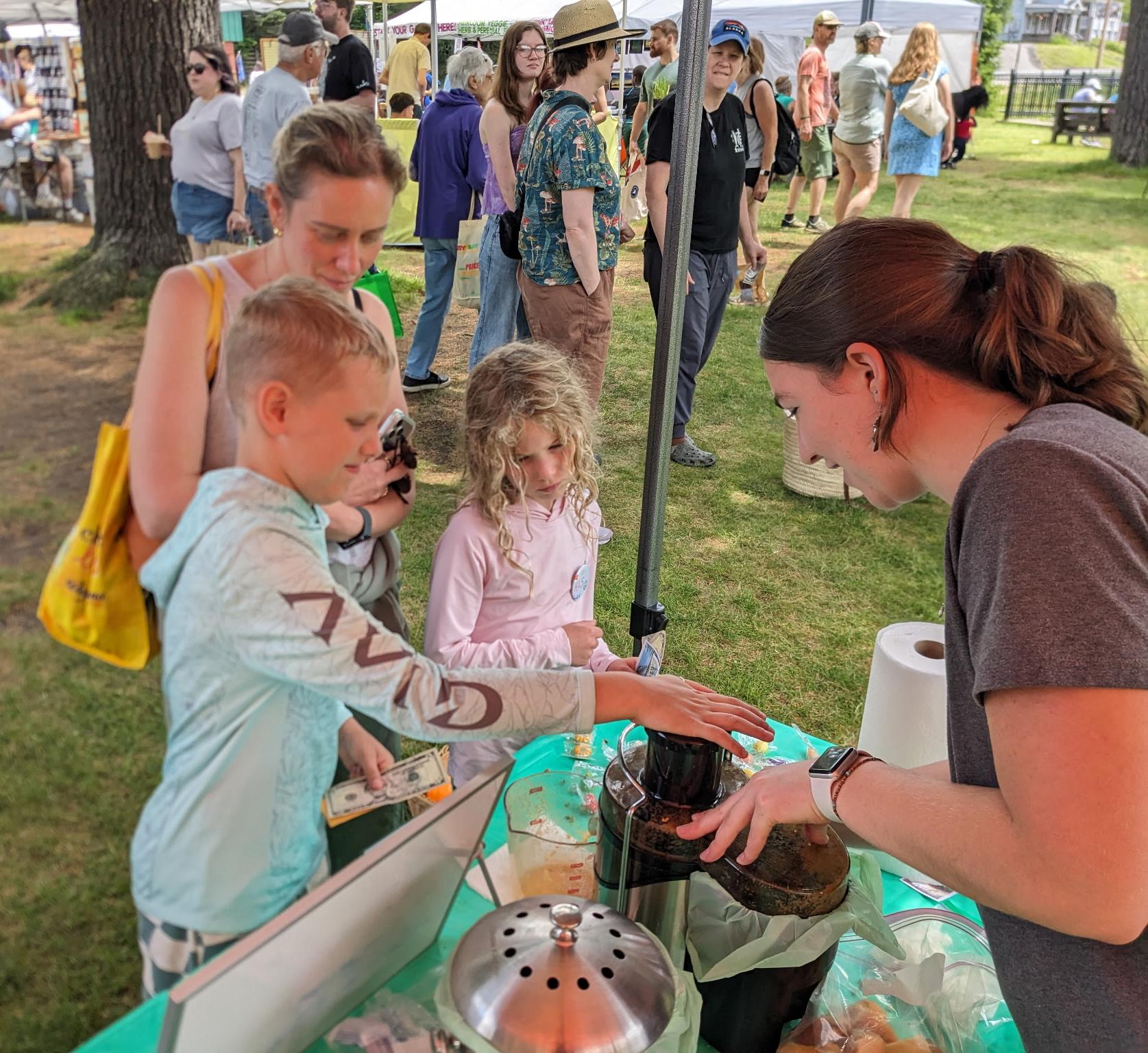
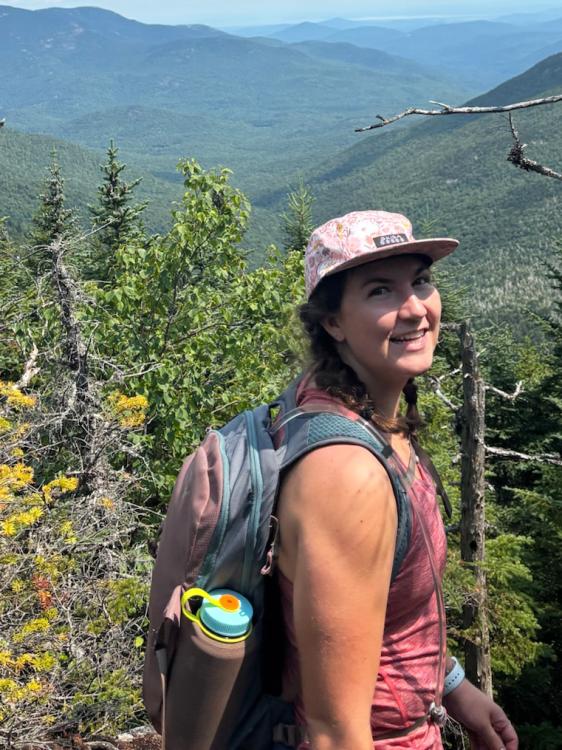
Reeve Applegate ’28 educated communities on the benefits of local produce

Major: Global and Public Health Sciences
Summer experience: Power of Produce (POP) Club Educator, Cornell Cooperative Extension, Essex County, New York

What did you do this summer?

I led youth activities, provided nutrition education, and offered produce vouchers and local food resources at farmers markets. When I wasn't at market, I wrote blog posts, designed social media promotions, and created grab-and-go local food guides, scavenger hunts, and surveys.

What interested you in this opportunity?

I was immediately excited about this internship because of its intersection of nutrition, sustainable food systems and youth engagement. The way we grow, distribute and consume our food affects both our health and our environment.
I’ve worked with youth for the past five summers, so I was excited to bring that experience into a more professional, health-related internship.

How did your courses prepare you for this experience?

As a GPHS major, my foundational public health coursework taught me about diet-related diseases and the health disparities that arise from unequal food access. COMM 2850: Communication, Environment, Science, and Health helped me share information with marketgoers in a way that felt approachable while still being accurate and evidence-based.

Do you have advice for other students seeking internships?

Dive into Cornell’s many networks. Before this internship, I knew very little about Cornell Cooperative Extension. Now, I’ve gained a new professional network with fascinating historical roots and an organization that I could see myself being involved with long term. 

CHE and DNS do a great job of sharing opportunities, so check your email! 
 

Portait of Reeve Applegate hiking in the Adirondaks

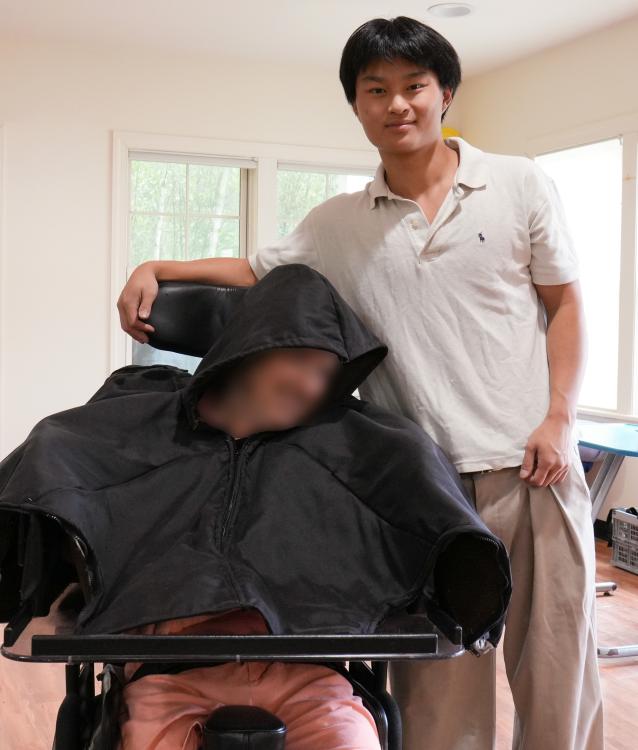
Alan Van ’28 designed a jacket prototype to empower users with cerebral palsy

Major: Fashion Design Management
Summer experience: Research and Design Intern, The Center for Discovery, Harris, New York

What did you do this summer?

I conducted research and designed, prototyped, and constructed an adaptive garment for people with cerebral palsy who have mobility impairments and need help with dressing. I began by shadowing occupational therapists and direct-care staff to understand individuals' daily routines, mobility needs, range of motion, and dressing challenges. I wanted to understand not only the challenges they faced with clothing but also how their mobility affected everyday activities. I then developed preliminary prototypes and worked with caregivers and staff in an iterative process of observing, designing, constructing, testing, and refining the garment.

The final product was a Hybrid Poncho-Jacket, a two-in-one garment that can function as either a poncho or a jacket to make dressing easier. It accommodates wheelchair positioning and medical equipment. The prototype reduced average jacket-mode donning time by 52.6% and doffing time by 72.2%.

What interested you in this opportunity?

I’m interested in healthcare and had considered pursuing a pre-med path, but I’m also passionate about product design and apparel. This experience allowed me to explore the intersection of those interests through a project with the potential to improve people’s lives.

Did anything surprise you?

The experience changed how I think about the relationship between form and function. Form is about more than making something look good. In adaptive apparel, appearance can contribute to dignity, personal style, confidence and self-esteem. At the same time, functionality must provide meaningful improvement in usability and safety. 

Most important, I learned the importance of being an empathetic, user-centered designer. The more I understood the people I was designing for, the better I was able to address their actual needs through design.
 

Alan Van models his finished jacket with the patient

Madeline Lee ’28 supported mental health and fostered community for New Yorkers

Major: Human Development
Summer experience: CHE in NYC Intern, Henry Street Settlement, New York, New York

What did you do this summer?

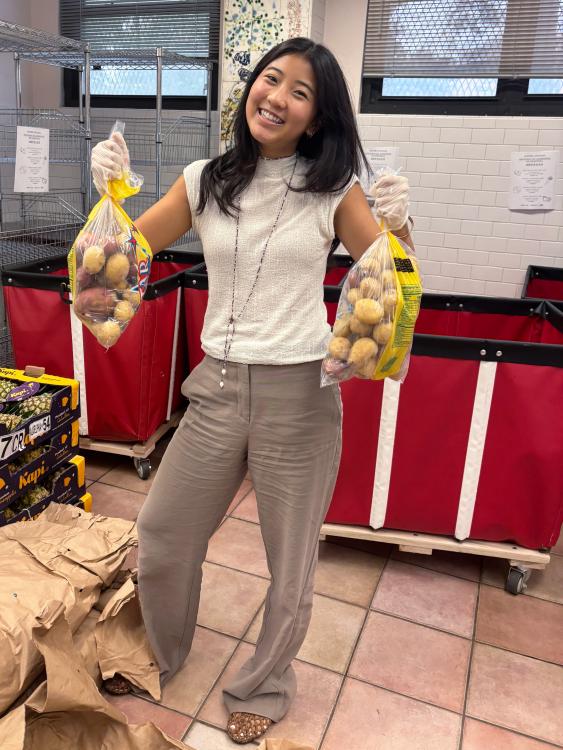
I worked at a wraparound mental health clinic. Henry Street Settlement offers residents of the Lower East Side and other New Yorkers social services, arts and health care resources.  Every day was different, but much of my work focused on client support and outreach. I conducted home visits, facilitated warm handoffs to partner organizations, and led weekly community groups.

What interested you in this opportunity?

I was drawn to the holistic support that Henry Street Settlement provides. Clients receive not only medication management and therapy, but also assistance with needs ranging from housing and food insecurity to finding community and building support systems.

How did your courses prepare you for this experience?

As a CHE in NYC intern, we all take an internship course during the spring semester to prepare us for both the workplace and to make the most of our experience in New York City. PUBPOL 3280: Fundamentals of Population Health also helped me navigate Medicare and Medicaid while working at the clinic.

Did anything surprise you?

One of my responsibilities was leading a support group. Each week, I organized and planned games and activities. Initially, I saw these events as opportunities for community members to have fun. As I got to know people better, I learned that the weekly gatherings were much more than that. Many participants plan their week around these events. They provide a sense of connection, support, and stability — the backbone that keeps them going. 
 

Madeline Lee holding a sack of potatoes

Angelina Mejia ’28 contributed to a human metabolic research study

Major: Human Biology, Health and Society
Summer experience: Undergraduate Researcher, Kersten Lab, Ithaca, New York

What did you do this summer?

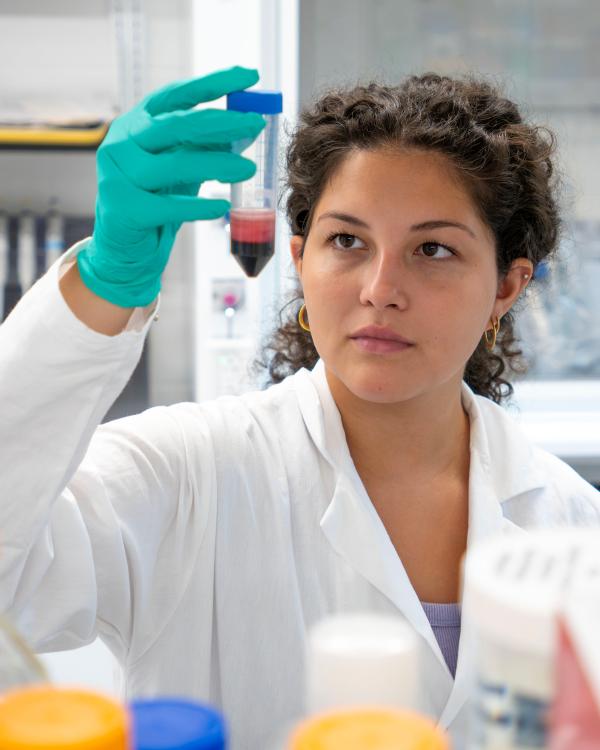
I supported the operations of the Meta-SHIFT study, a project investigating how fasting affects immune function and metabolism. My responsibilities included processing and organizing participant blood samples, isolating and cryopreserving peripheral blood mononuclear cells, preparing and aliquoting plasma samples, and maintaining accurate sample labeling and records. I also assisted with participant recruitment and study logistics, including social media promotion.

What interested you in this opportunity?

I was particularly interested in this study because it allowed me to apply my background in human biology to a real-world research project and gain hands-on experience with both laboratory research and clinical study procedures. With the focus on metabolism, fasting and immune function, I could explore how physiological changes can affect human health.

Did anything surprise you?

I was surprised by how much organization and coordination goes into conducting a human research study. Before this experience, I thought of research primarily as conducting experiments and analyzing results. I learned that accurate sample handling, participant communication, detailed record keeping, and collaboration among research team members are just as important.

This experience also changed how I think about the connection between laboratory research and human health. Even simple measurements can provide meaningful insights into physiological changes and overall health.

Do you have advice for other students seeking internships?

Don’t be afraid to reach out and ask for opportunities. The worst-case scenario is, you don't get a response. But reaching out may turn into a great experience to learn something new. 
 

Angelina Mejia holds up a human sample in a test tube.

Kate Stiens ’27 created a sustainable fashion collection

Major: Fashion Design
Summer experience: Design Intern, Studio Constance, Stockholm, Sweden

What did you do this summer?

I helped design and produce 20 looks for Copenhagen Fashion Week. As a Jiang Fellow, I also developed the entrepreneurial skills related to building and running a sustainable fashion brand. 

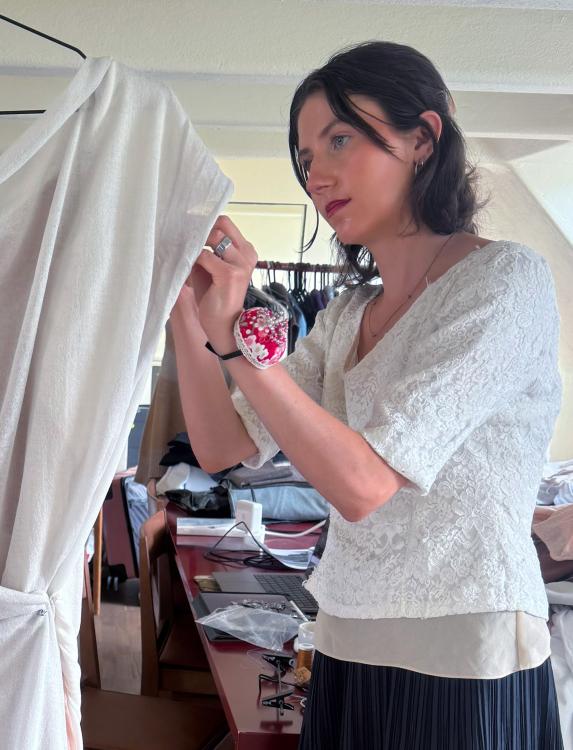
Day to day, I researched, sketched, sourced, draped, fitted garments, and sewed in preparation for the show. This was a unique learning experience because the company is still in the early stages of a startup, and I was the only intern. I received direct mentorship from the founder and gained lots of hands-on experience.

What interested you in this company?

Studio Constance prioritizes sustainability in its production and is still in the startup stage. After graduation, I hope to use my entrepreneurial experience to create a brand that values sustainability and ethical labor without compromising creativity and individuality.

How did your courses prepare you for this experience?

FSAD 4800 Ethical Design: Engine of Positive Change inspired me to further pursue sustainable production in fashion.

Did anything surprise you?

In a startup environment, resourcefulness is one of the most valuable skills you can bring to the table because resources are very limited. I used creativity to adapt and to make the most of my experience.
 

Kate Stiens tailors a dress
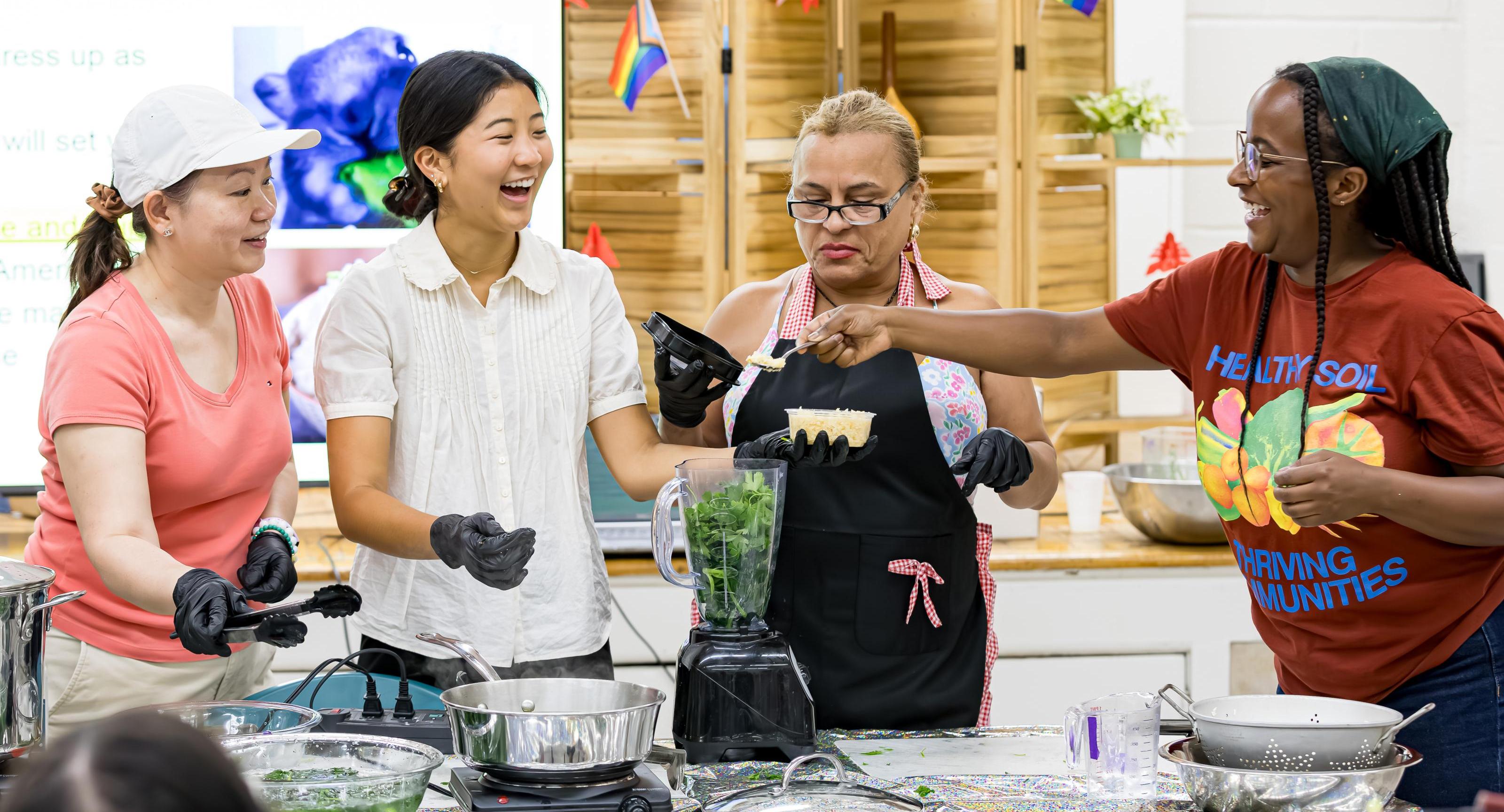
4 women offer a cooking demonstration

Madeline Lee (white shirt), CHE in NYC intern and human development major, leads a healthy cooking demonstration with colleagues from the Henry Street Settlement. Photo by J.J. Ignotz.
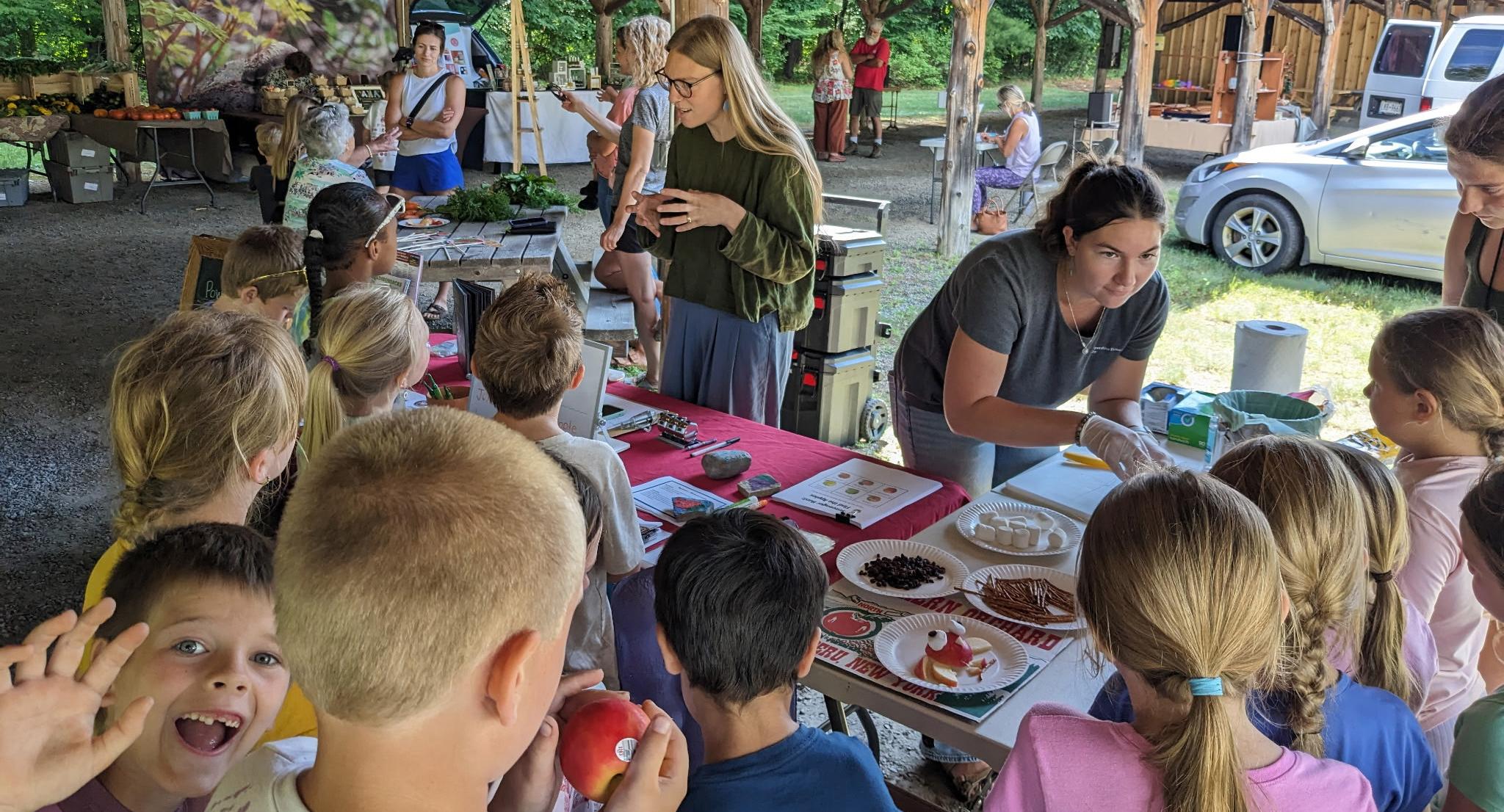
Two volunteers teach kids to make owls out of an apple.

From making apple owls to zucchini boats, Reeve Applegate ’28, a CCE intern and GPHS major (grey t-shirt), helped youth discover the joy of eating fresh produce at farmers markets across Essex County, New York, this summer. Photo provided.
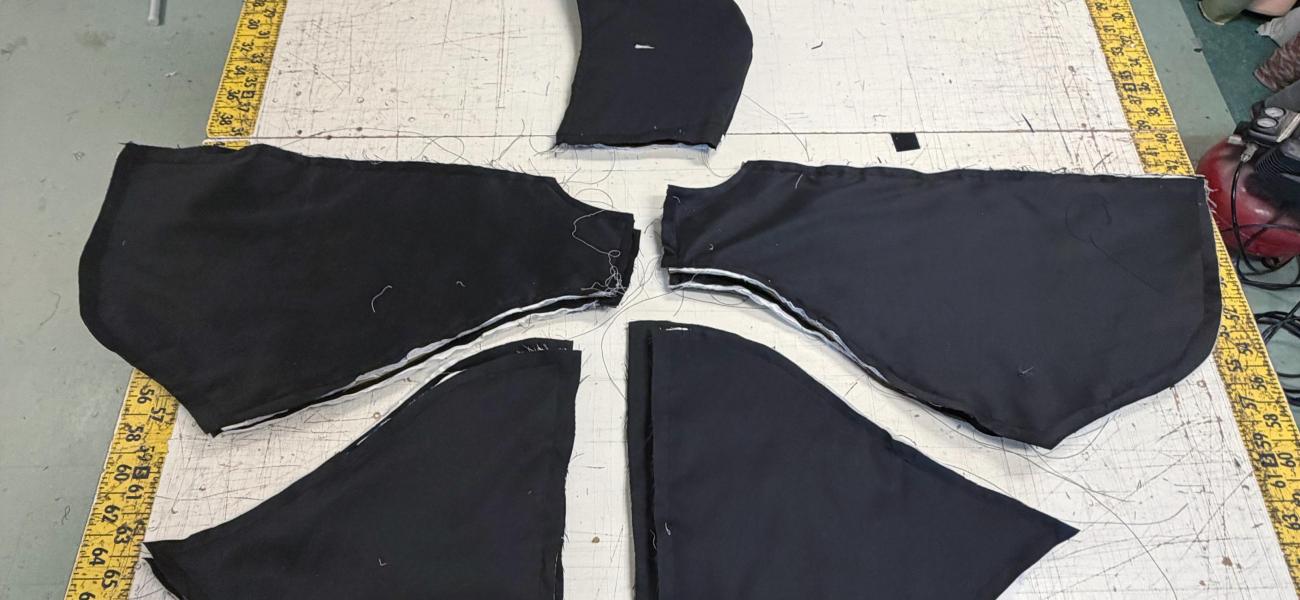
Cut fabric ready to be assembled.
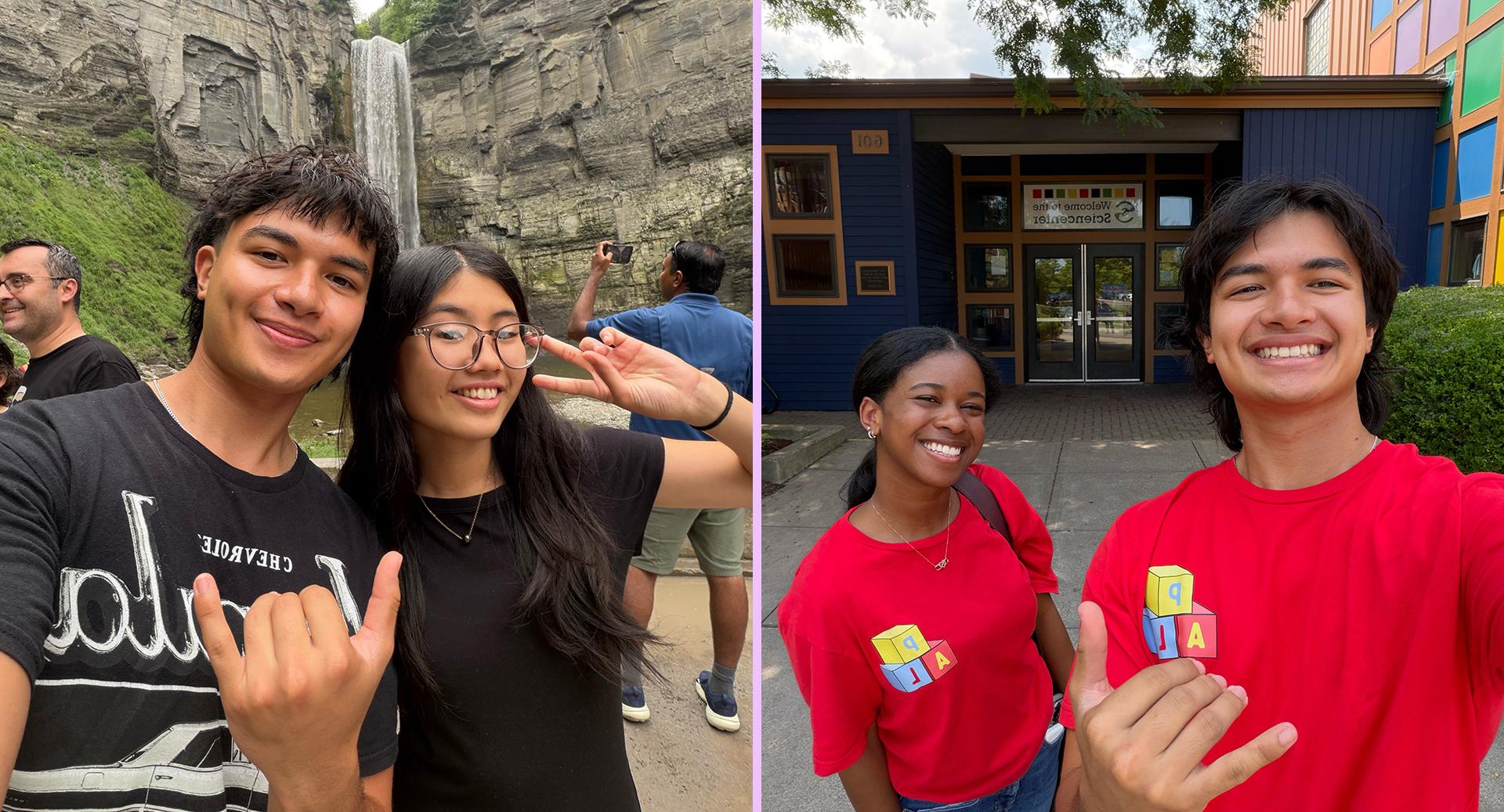
Two students pose infront of Ithaca landmarks.

Thanks to the CHE summer research stipend, Melchi Goldfarb ’29 learned the science behind children’s play, while also spending time exploring Ithaca’s resaurants and natural beauty. Photos provided.
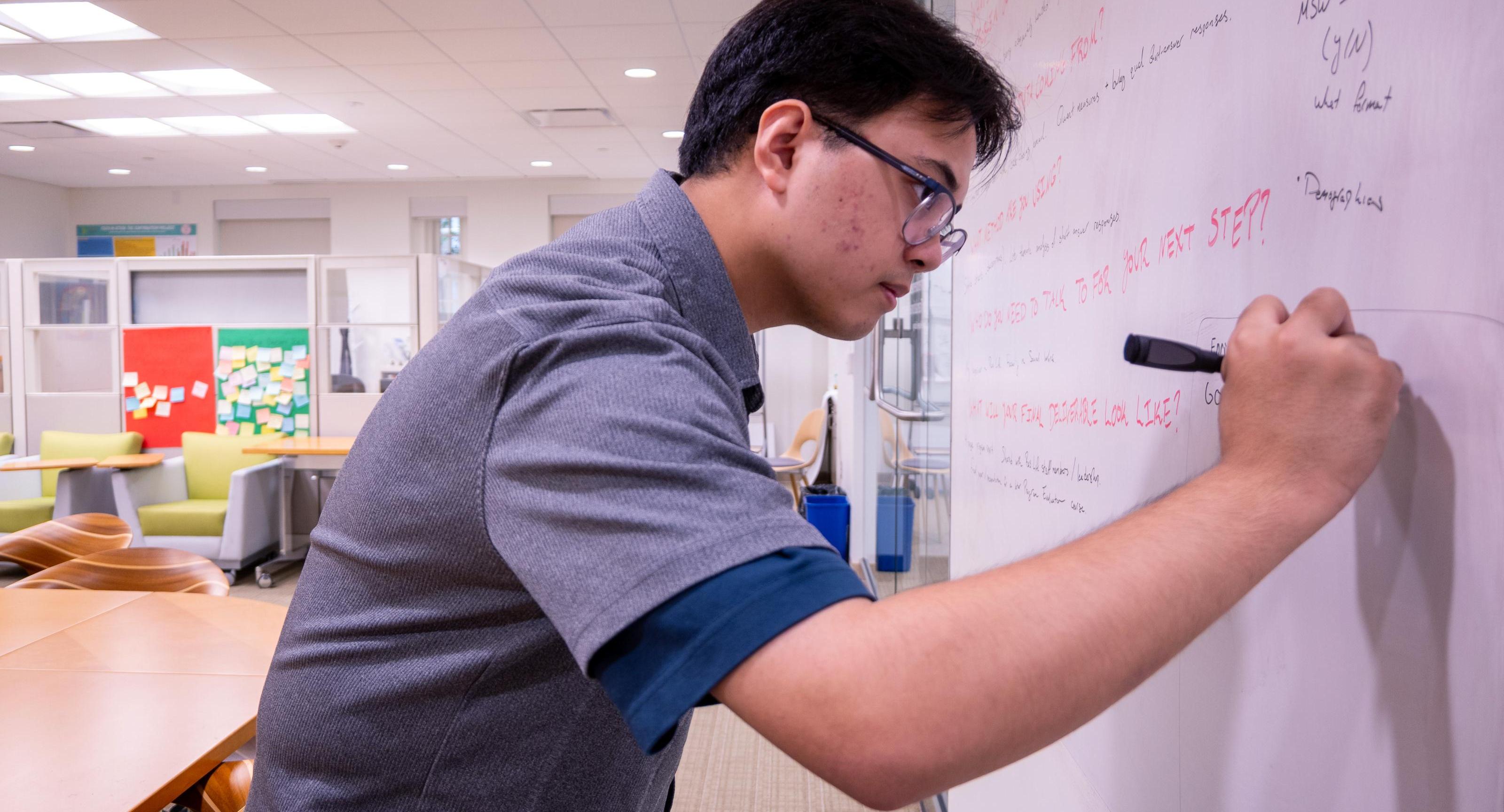
A student writes on a marker board

Enrico Hernandez ’28, a BCTR Scholar and GPHS major, spent the summer at the Cayuga Health Center for Health Equity Transformation. As a social care navigator, he connected patients with community resources and support services to help address their needs. Photo by Juan Vazquez-Leddon.
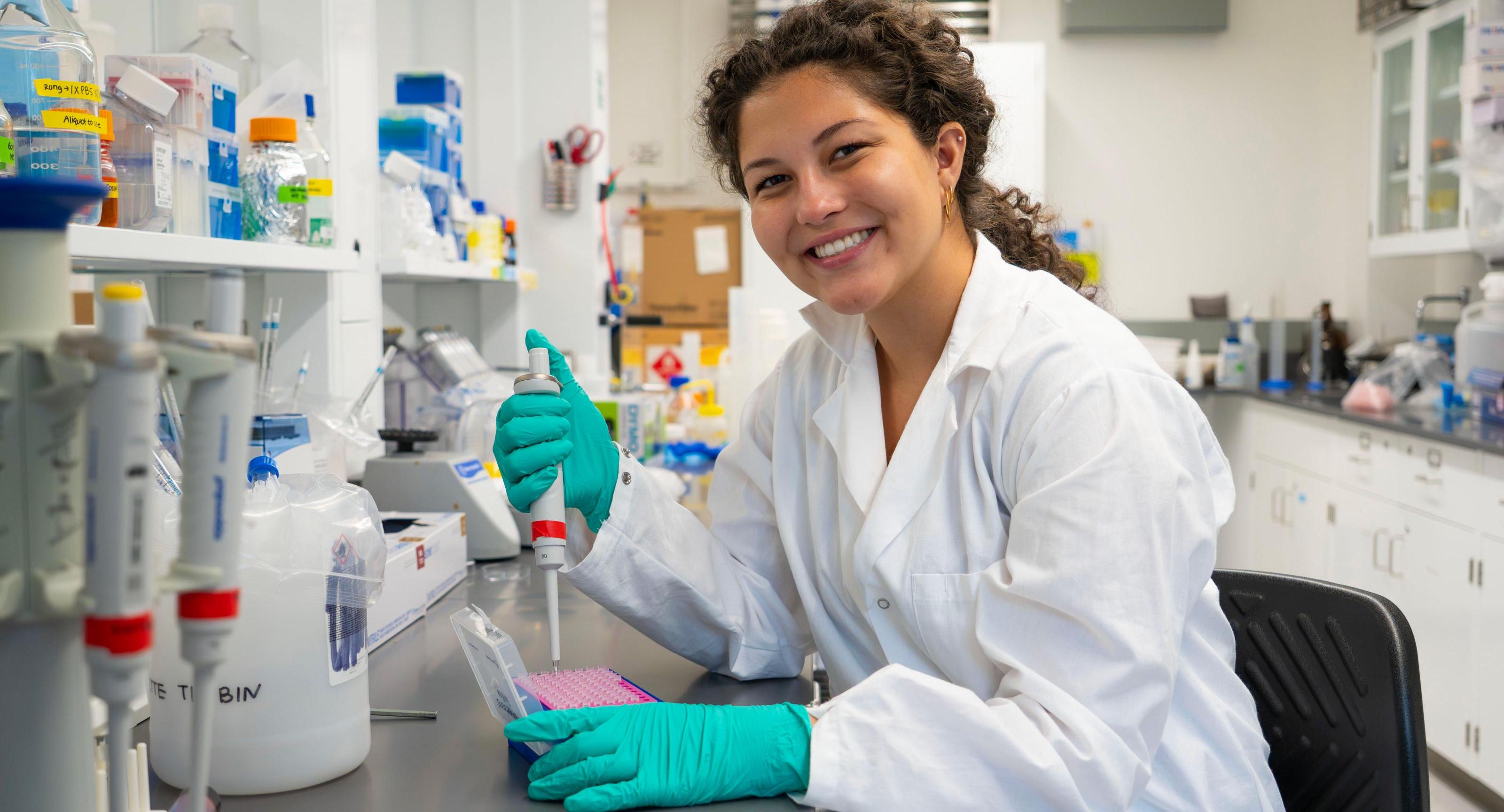
Angelina Mejia uses a pipette in the lab.

Angelina Mejia ’28, an HBHS major and researcher in the Kersten Lab, investigated how fasting affects immune function and metabolism while processing and organizing participant samples, recruiting participants, and coordinating logistics. Photo by Galib Braschler.
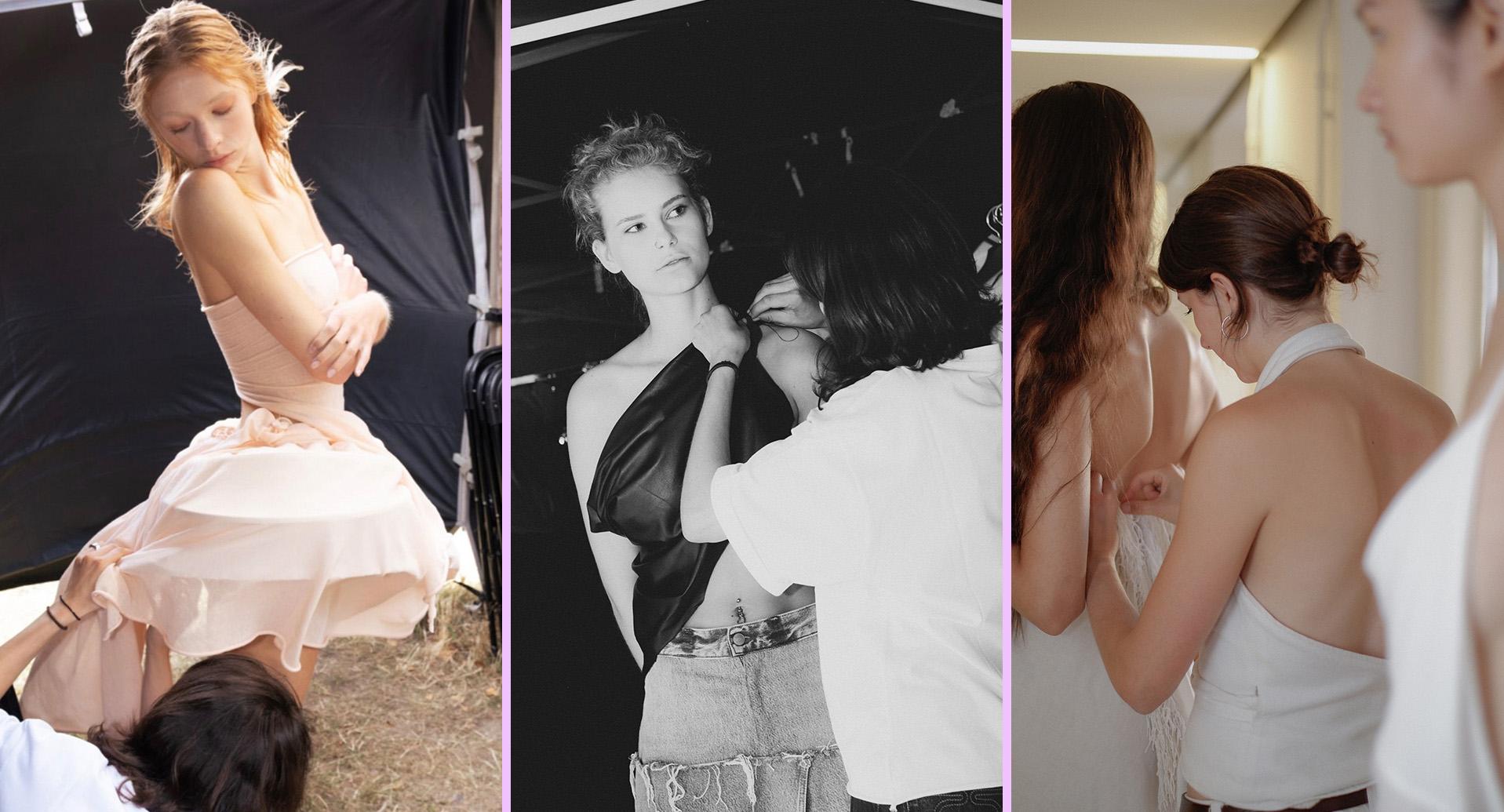
Kate Stiens dresses models at Copenhagen Fashion Week

Kate Stiens ’28 interned with a sustainable fashion brand. Her internship culminated in the presentation of her work at Copenhagen Fashion Week (photos above; provided). The fashion design major hopes to use her entrepreneurial experience to make a meaningful impact on the fashion industry by creating a brand that values sustainability and ethical labor practices without compromising creativity or individuality.
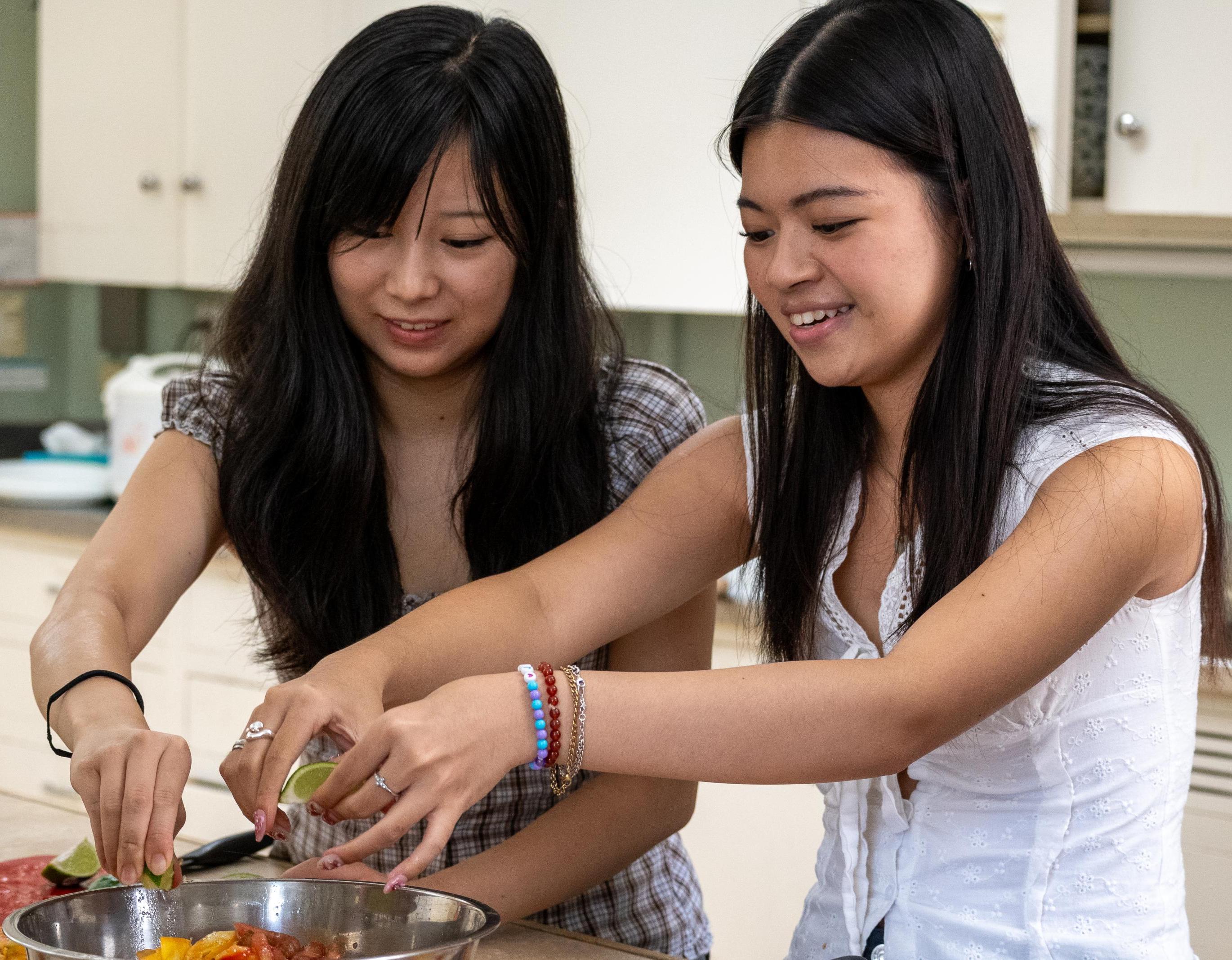

Two students cooking together

Support CHE students

Our students are driven changemakers who seek meaningful, hands-on experiences that allow them to translate classroom learning into real-world impact. 

If you are an employer or alumnus interested in hiring an intern, contact Christine Waby, director of Human Ecology Career Development.

pattern of woven strings with a red overlay color