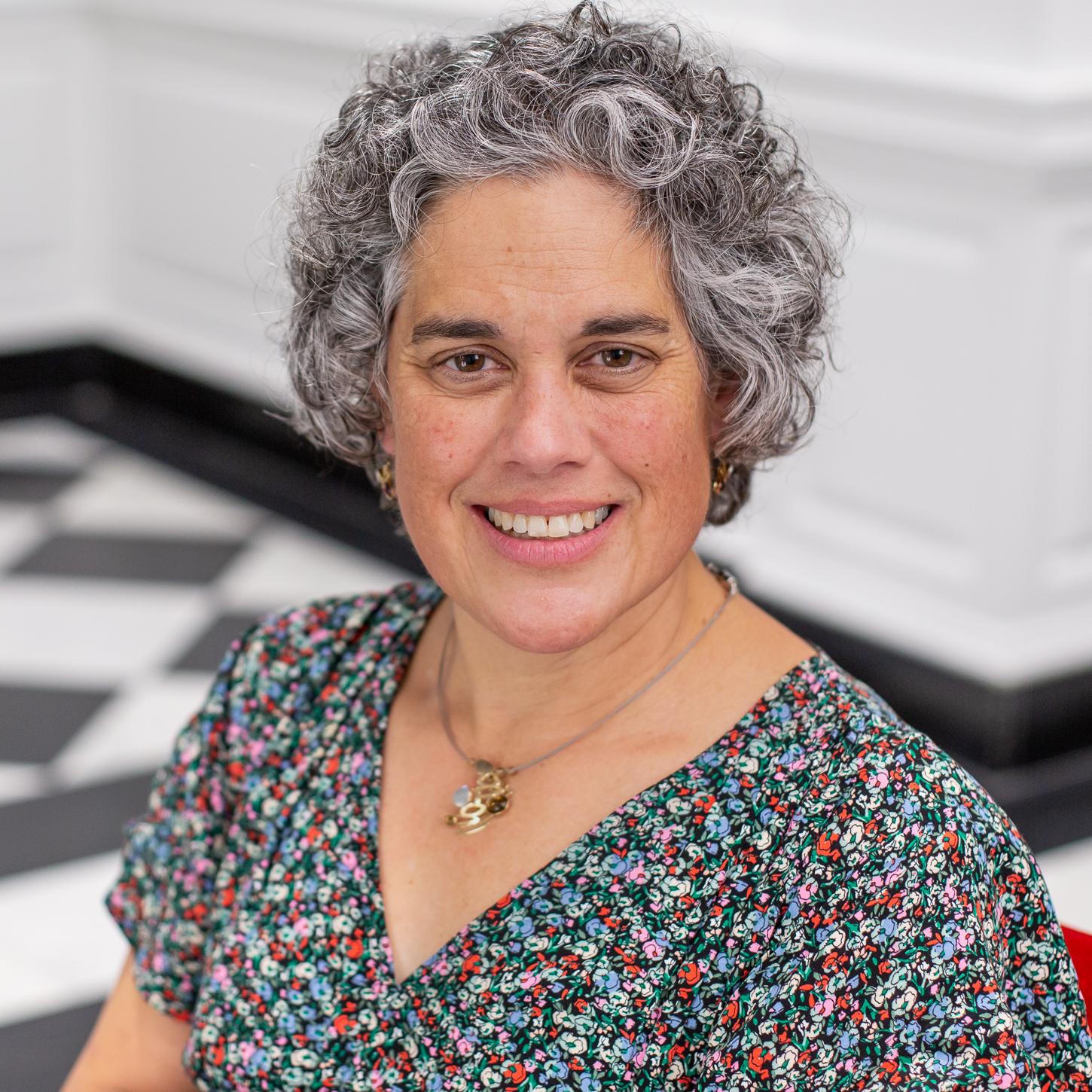
Patrick Schrauwen
As a basic scientist by training, my research has initially included both pre-clinical and human interventions, but since the last ~20 years I have focused my research on human translational intervention studies. Currently I work at the German Diabetes Center in Düsseldorf, Germany. At CHE I aim to contribute to the further stimulation of the translational relevance of the excellent metabolic investigations, and provide my expertise and ongoing research on collaborative projects. In particular, I
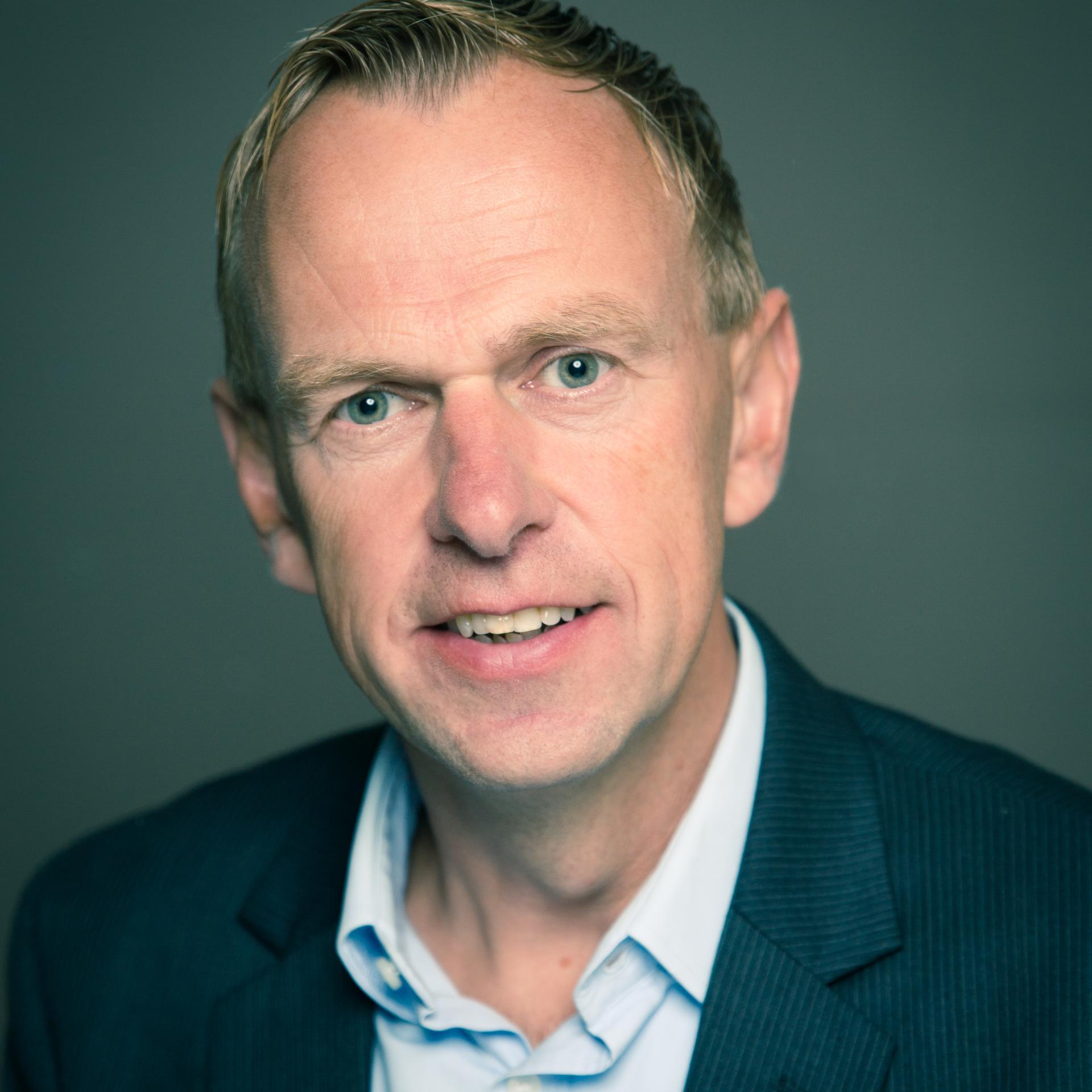
Valerie Reyna
LABORATORY FOR RATIONAL DECISION MAKING
Valerie Reyna is the Lois and Melvin Tukman Professor of Human Development, Director of the Human Neuroscience Institute, and Co-director of the Center for Behavioral Economics and Decision Research. Her research integrates brain and behavioral approaches to understand and improve judgment, decision making, and memory across the life span. Her recent work has focused on the neuroscience of risky decision making and its implications for health
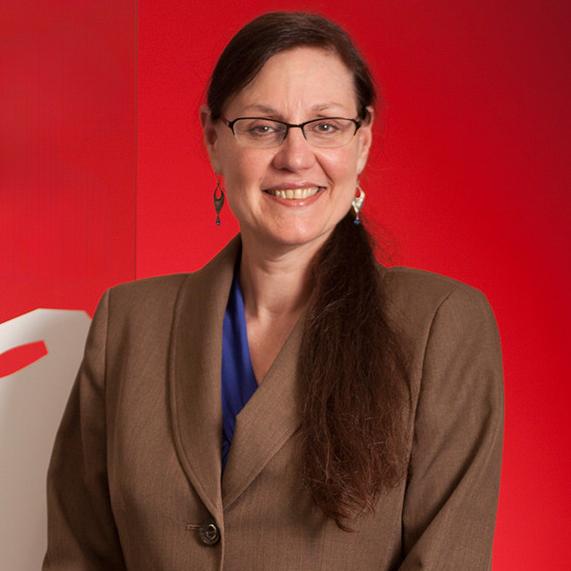
Cindy Hazan
Dr. Hazan’s general area of interest is human mating and pair bonding. Most of her research has been conducted within the framework of ethological attachment theory, which focuses on the predisposition of people of all ages to form strong interpersonal bonds. Her initial work helped establish the theory’s usefulness for understanding and explaining individual differences in the way adults think, feel, and behave in their closest relationships. More recently, she has been investigating the processes
Annett Richter
Philip Ruppert
Nancy M. Wells
Nancy Wells is an environmental psychologist who studies people's relationship to the built and natural environment through the life course. Her studies have focused on residential environments -- housing and neighborhoods -- and more recently schools. Dr. Wells completed a joint PhD in Psychology and Architecture at the University of Michigan; and then NIMH post-doctoral training at the University of California, Irvine.
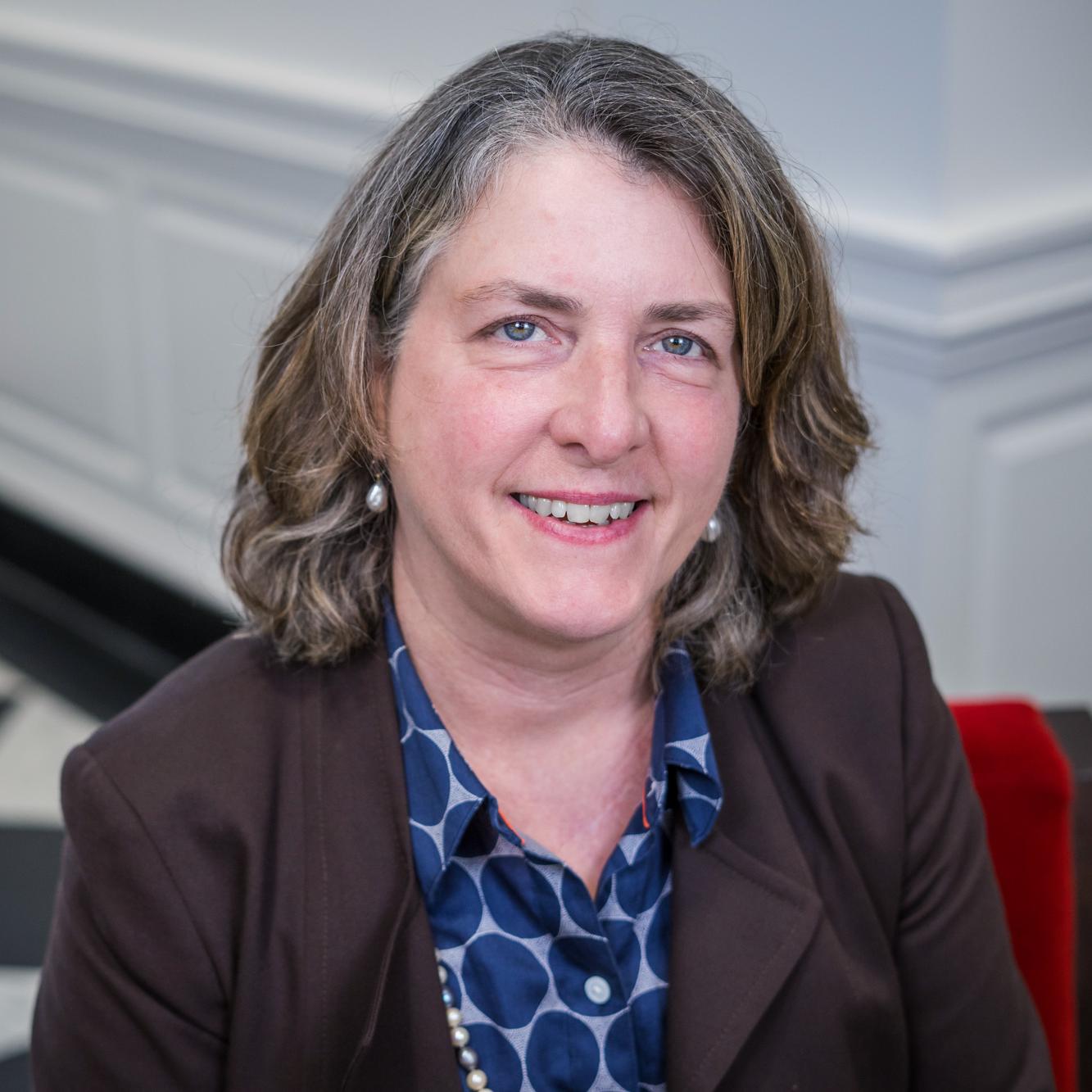
Marianella Casasola
Marianella Casasola earned her undergraduate degrees in Psychology and Spanish Literature from the University of California, Berkeley. She earned her Ph.D. in Psychology from the University of Texas at Austin. Her expertise is in infant cognitive development and early word learning with a particular interest in the interaction between language and thought during the first years of development. Along with her students, she examines various aspects of early cognitive and linguistic development, but is especially interested