


- Oct 31 ,2025Nov 3 ,2025Nov 4 ,2025Nov 5 ,2025Nov 6 ,2025Nov 7 ,2025Nov 10 ,2025Nov 11 ,2025Nov 12 ,2025Nov 13 ,2025
- by Melissa Conroy
- Human Centered Design
- Jill Stuart Gallery, Human Ecology Building
Farm to Fashion
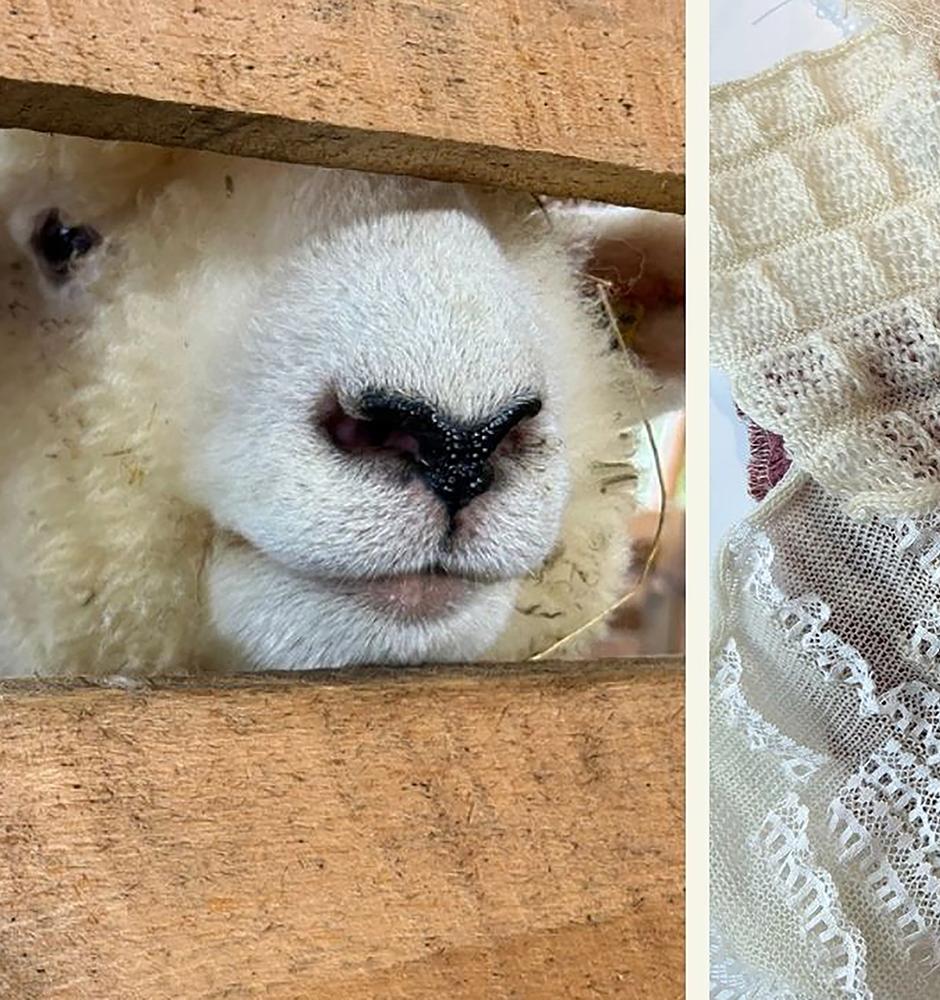
Farm to Fashion is an exhibit that shares the story of an ongoing collaboration between knitwear design students at Cornell University and partners within our regional textile economy. The exhibit features work by students from the Department of Human Centered Design as well as others engaged in fiber farming and textile manufacturing. The exhibit was funded by a generous donation from the Cornell Center for Teaching Innovation and a grant from New York Fashion Innovation
- Apr 9 ,2026
- by Hannah E. Bailey
- Human Centered Design, Cornell Human Ecology
- MVR G151
The Kay Obendorf Lecture with Founder and co-CEO of Another Tomorrow, Vanessa Barboni Hallik
The Kay Obendorf Lecture welcomes Founder and co-CEO of Another Tomorrow, Vanessa Barboni Hallik, a leading voice on regenerative fashion and building a sustainable luxury brand. The Kay Obendorf Lecture brings fashion industry experts to campus to share their experiences as both artists and entrepreneurs. With a focus on educating students and strengthening industry partnerships, this interactive event encourages students to envision themselves as the next generation of fashion entrepreneurs.
This lecture is generously sponsored
Mingla Charoenmuang
- Dec 4, 2023
- by Marisa LaFalce
- Sustainability + Society, Technology + Human Thriving
3D garment simulation software reduces customer returns
Have you ever bought new clothes online and purchased more than one size, color or style knowing that you will only keep the items that fit you best?
This behavior is called bracketing, and it comes at a major environmental cost because more items must be shipped and returns often end up in the landfill. Do-yeon Kong, a PhD student in apparel design, with a background in computer science, is using 3D imaging to reduce
- Apr 24 ,2026
- by Karen Steffy
- Human Centered Design
- Human Ecology Building T01
In X, in Y, in Z, in time: experiments in weaving
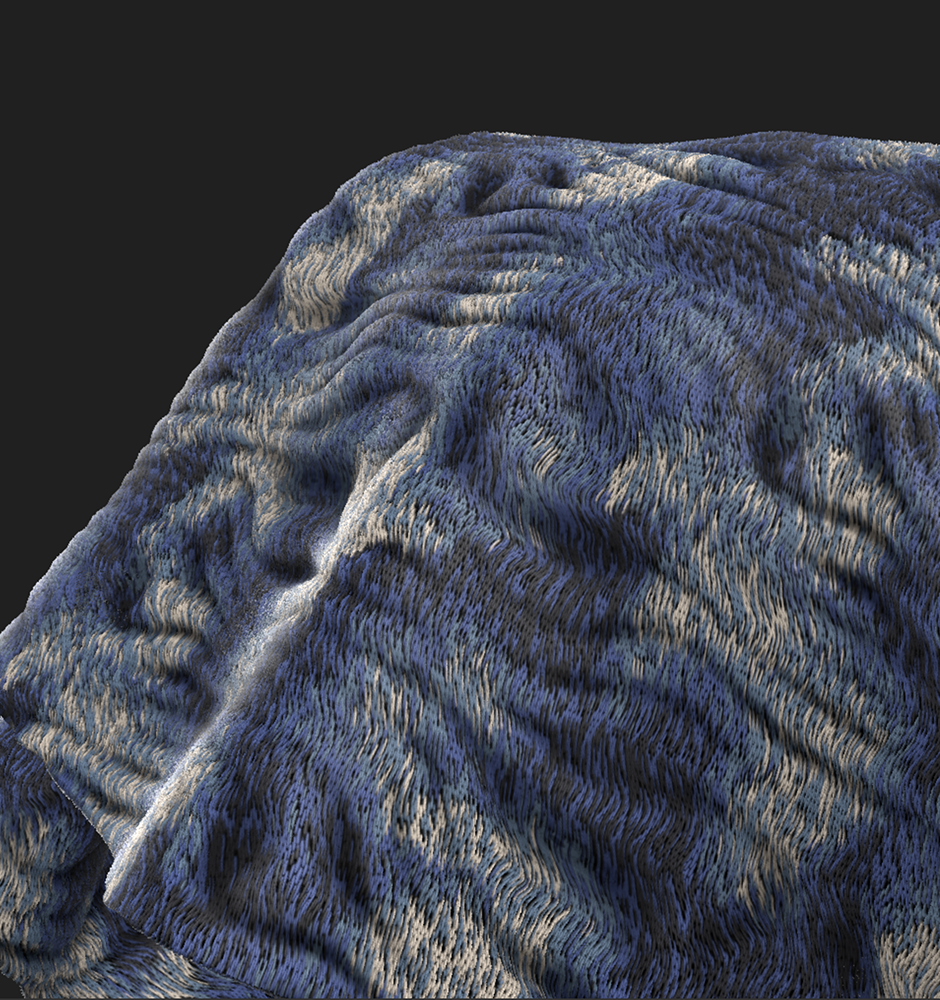
Woven fabrics derive their physical properties, and their potential uses, from the materials they’re made of and the structures in which they’re interlaced together. Operating within this binary – ingredients and recipe, “what” and “how” – we can radically change how a fabric looks, feels and behaves. Weaving, at its core an additive manufacturing process, has much in common with other fabrication methods: it’s receptive to many material inputs, capable of computer-controlled precision and yields
Joseph Laquatra
Joseph Laquatra, Ph.D., Professor Emeritus, focused his teaching and research efforts on sustainable aspects of housing with emphases on residential energy efficiency, indoor air quality, and construction site waste management. As an Extension Housing Specialist, Joe developed and implemented educational programs on these and other topics through the statewide network of Cornell Cooperative Extension (CCE). One of these, the Consumer Education Program for Residential Energy Efficiency, engaged 60 Local Associations of CCE in the 13 years of its
- Aug 2, 2022
- by Marisa LaFalce
- Sustainability + Society, Technology + Human Thriving
Kyuin Park wins best poster award at nanotechnology symposium
Kyuin Park, a first-year master’s student in Fiber Science won a best poster award at the New York State Nanotechnology Network Symposium (NNN). The annual event brings together industry partners and Cornell undergraduate and graduate students to problem solve, build relationships and grow awareness.
Park’s winning poster “Polymer Nano/Microfiber as a Solar Reflector or Absorber,” explores heat transfer from solar energy in the near-infrared region of solar radiation. More than half of radiation from the