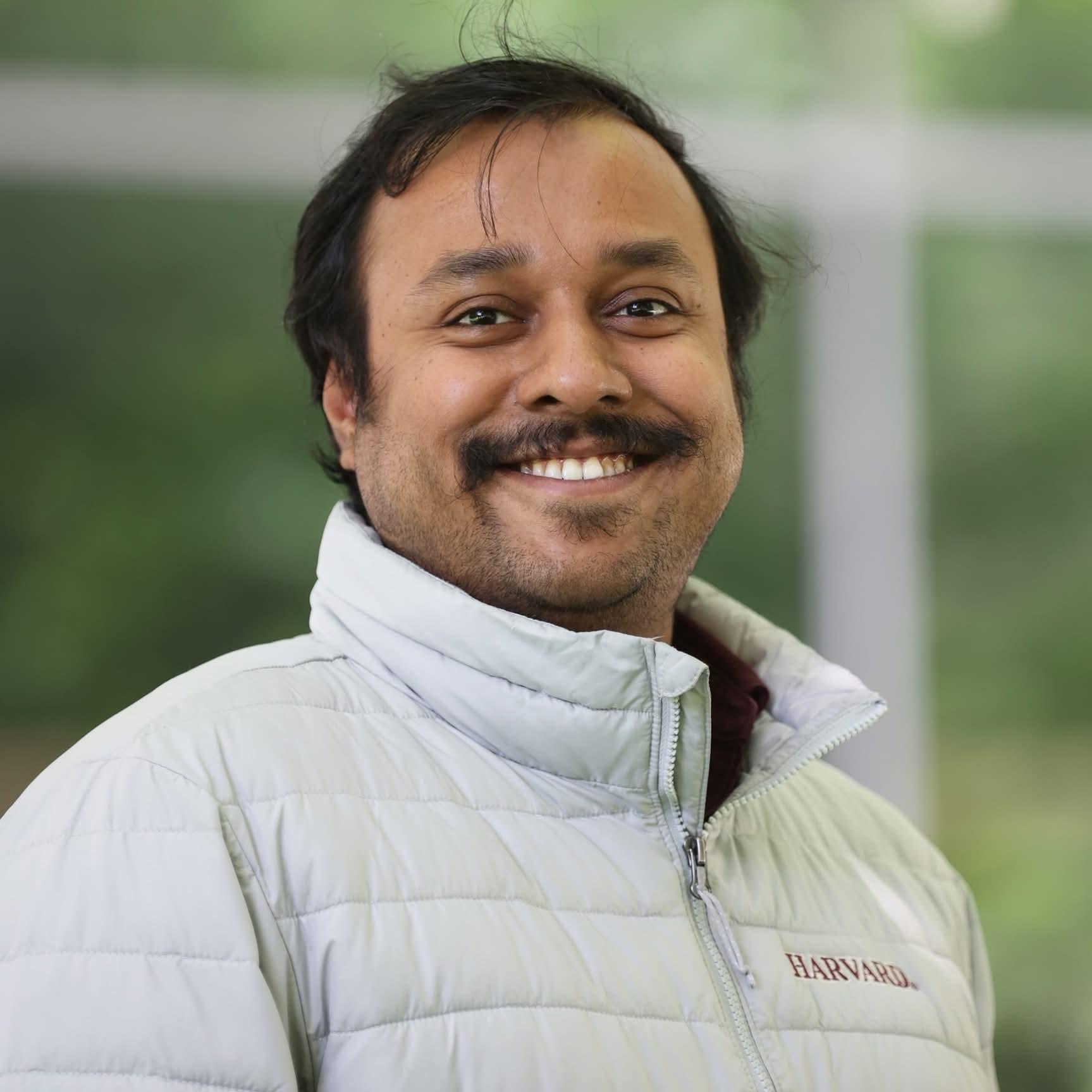
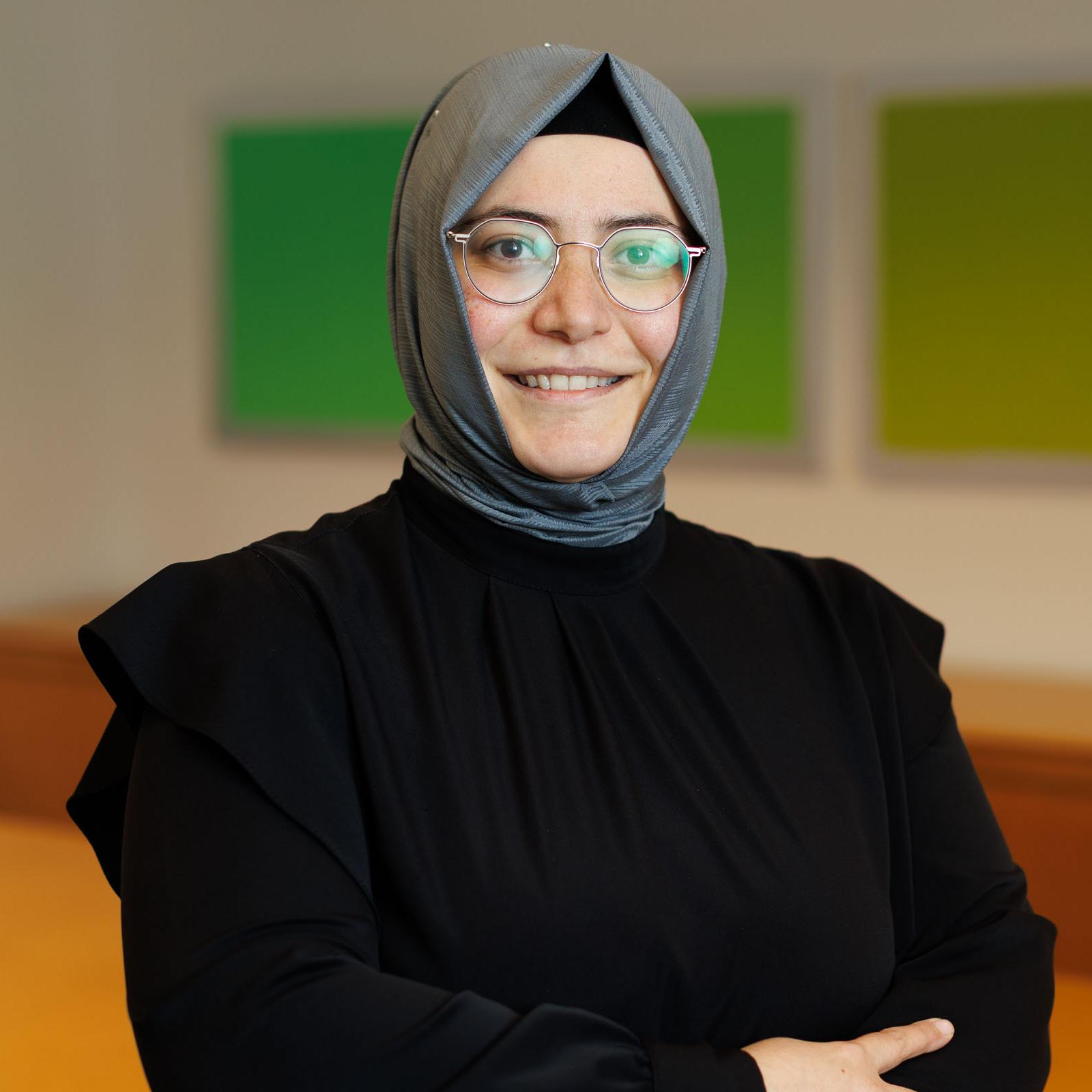
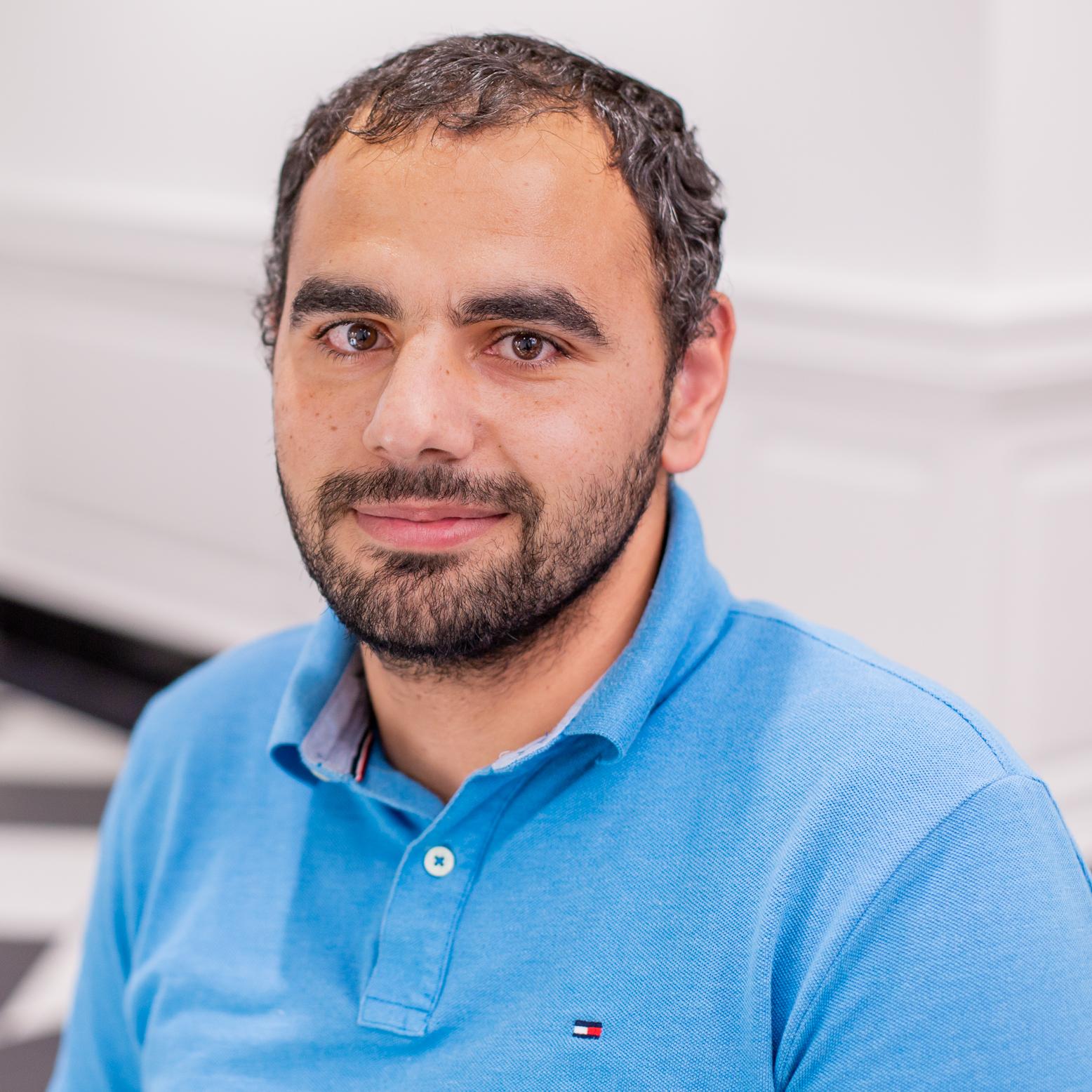
Tim Mateer
Timothy J. Mateer is a Postdoctoral Research Associate in the Department of Human Centered Design at Cornell University. He received a dual PhD from the Pennsylvania State University in Human Dimensions of Natural Resources and the Environment & Recreation, Park and Tourism Management. His research focuses on how exposure to natural environments through recreational and educational experiences helps to support thriving social and ecological systems.
- Aug 15, 2024
- by Robin Roger
- Alumni, Donor, Student Life
100 scholarships to celebrate CHE’s 100th year
On the eve of the college’s 100th anniversary celebration, an alumnae-led fundraising initiative in Cornell Human Ecology (CHE) has achieved a milestone. As part of the university’s campaign To Do the Greatest Good, the ‘100 at 100’ initiative has increased the number of endowed undergraduate scholarships from women donors to 100, marking a commitment to student access and affordability, honoring the college's history of women's leadership, and paving the way for future generations of
- May 24, 2023
- by Emily Groff
- Holistic Human Health, Social Impact + Justice, Technology + Human Thriving, Student Life
Humecathon 2023 is an interdisciplinary sprint for refugee wellbeing
This spring's Humecathon brought together students from across Cornell Human Ecology (CHE) and Cornell’s College of Arts and Sciences to come up with novel solutions to improve refugee wellbeing.
Students on the Dean’s Undergraduate Advisory Council (DUAC) launched the Humecathon in 2019 with the understanding that some problems are just too big for experts from any one discipline to solve. The hackathon-style sprint gives students from across the College’s departments the chance to leverage their
Kenjin Chang
Kenjin is a doctoral candidate interested in the design of food environments and its role in promoting transitions to healthier, more sustainable diets. In addition to his position within the Department of Human-Centered Design, he also serves as the Co-Chair of Research and Education for the Menus of Change University Research Collaborative (MCURC).
Kenjin received his master's degree from the Johns Hopkins Bloomberg School of Public Health and, prior to joining the College of Human
- Feb 18 ,2026Feb 19 ,2026Feb 20 ,2026Feb 23 ,2026Feb 24 ,2026Feb 25 ,2026Feb 26 ,2026Feb 27 ,2026Mar 2 ,2026Mar 3 ,2026Mar 4 ,2026Mar 5 ,2026Mar 6 ,2026Mar 9 ,2026Mar 10 ,2026Mar 11 ,2026Mar 12 ,2026Mar 13 ,2026Mar 16 ,2026Mar 17 ,2026Mar 18 ,2026Mar 19 ,2026
- by Karen Steffy
- Human Centered Design
- MVR 1250 Gallery
Snow Day
Snow Day
A guide for how to play in the snow
Snow Day is a public space for practicing winter.
Cold weather is not an obstacle, but a condition. Snow is not an absence of activity, it is a material. A surface. This installation acts as a guide for how to enter it.
Wood frames hold flexible bands of color suspended like thresholds, like weather made visible. They mark a temporary territory within the landscape
Mohsen Alishahi
Having earned my master's degree in polymer engineering, I've dedicated my research to the use of nanomaterials such as nanofibers, nanoparticles, and hydrogels for biomedical and textile applications. My master's thesis explored the development of nanofibrous wound dressings as an innovative treatment for cutaneous leishmaniasis. Since then, as a member of the Department of Fiber Science and Apparel Design, my focus has expanded to encompass the development of functional fibers and textiles for health and
Angela Odoms-Young
Angela Odoms-Young, PhD (she/her/hers)
- The Nancy Schlegel Meinig Associate Professor of Maternal and Child Nutrition
- Director of the Food and Nutrition Education in Communities Program (FNEC) and New York State Expanded Food and Nutrition Education Program (EFNEP)
- Cornell Cooperative Extension Critical Issue Lead for Human Nutrition, Food Safety and Security, and Obesity Prevention
Dr. Odoms-Young's research explores how social and structural factors shape dietary behaviors and contribute to disparities in diet-related chronic diseases. Using