Cornell University Cornell Human Ecology
  • CHE in NYC
    • Current Students
    • Faculty + Staff
Give
    • What is Human Ecology?
    • Strategic Vision 2030
    • Peek Inside CHE
    • Administration
    • CHE in NYC
    • CHE at 100
    • People Directory
    • News + Profiles
    • Events
    • Undergraduate majors + minors
    • Graduate degrees
    • Career Outcomes
    • Student Services
    • Research
    • Departments
    • Faculty Directory
    • Centers + Institutes
    • Community-Engaged Learning
    • Off-Campus Learning
    • Student Life
    • Social Impact + Justice
    • Alumni
    • People Directory
    • Community Engagement Overview
    • Community-Engaged Learning
    • Bronfenbrenner Center for Translational Research
    • Center for Precision Nutrition + Health
    • Cornell Cooperative Extension
    • Cornell University Cooperative Extension - NYC
    • Alumni Overview
    • Our Alumni
    • Give to CHE
    • Get Involved
    • Contact AAD
    • Admissions Overview
    • First-Year Admissions
    • Transfer Admissions
    • Graduate Admissions
    • Exchange Programs
    • Design Application Supplements
    • Cornell Financial Aid
    • Apply
    • Visit
Popular search terms
  • CHE News
  • Sustainability
  • Human Centered Design
Cornell University Cornell Human Ecology
  • What is Human Ecology?
  • Strategic Vision 2030
  • Peek Inside CHE
  • Administration
  • CHE in NYC
  • CHE at 100
  • People Directory
  • News + Profiles
  • Events
  • Undergraduate majors + minors
  • Graduate degrees
  • Career Outcomes
  • Student Services
  • Research
  • Departments
  • Faculty Directory
  • Centers + Institutes
  • Community-Engaged Learning
  • Off-Campus Learning
  • Student Life
  • Social Impact + Justice
  • Alumni
  • People Directory
  • Community Engagement Overview
  • Community-Engaged Learning
  • Bronfenbrenner Center for Translational Research
  • Center for Precision Nutrition + Health
  • Cornell Cooperative Extension
  • Cornell University Cooperative Extension - NYC
  • Alumni Overview
  • Our Alumni
  • Give to CHE
  • Get Involved
  • Contact AAD
  • Admissions Overview
  • First-Year Admissions
  • Transfer Admissions
  • Graduate Admissions
  • Exchange Programs
  • Design Application Supplements
  • Cornell Financial Aid
  • Apply
  • Visit
Give
  • CHE in NYC
  • Current Students
  • Faculty + Staff
  1. Home
  2. Search

Search

Popular search terms
  • CHE News
  • Sustainability
  • Human Centered Design
  • (-) All (1115)
  • Degrees (35)
  • Events (68)
  • News and Profiles (615)
  • People (240)
News and Profiles
  • Aug 2, 2022
  • by Marisa LaFalce
  • Sustainability + Society, Technology + Human Thriving

Kyuin Park wins best poster award at nanotechnology symposium

Department
Sustainability + Society, Technology + Human Thriving
About

Kyuin Park, a first-year master’s student in Fiber Science won a best poster award at the New York State Nanotechnology Network Symposium (NNN). The annual event brings together industry partners and Cornell undergraduate and graduate students to problem solve, build relationships and grow awareness.

Park’s winning poster “Polymer Nano/Microfiber as a Solar Reflector or Absorber,” explores heat transfer from solar energy in the near-infrared region of solar radiation. More than half of radiation from the

Event
  • Apr 10 ,2026
  • by Karen Steffy
  • Human Centered Design
  • Zoom.  Passcode: 898107.

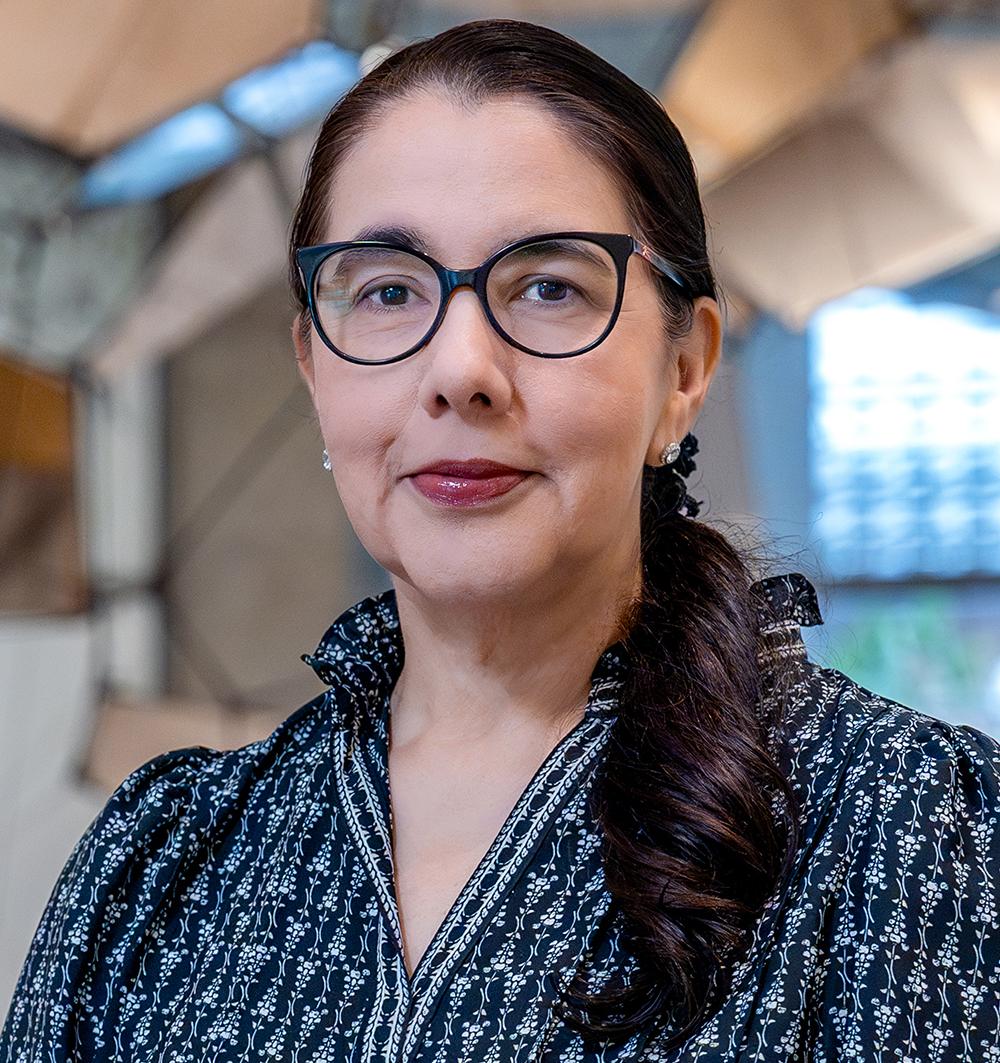
Nanofiber Nonwovens: Bridging High-Performance Material Science with Societal Transformation

Department
Human Centered Design
About

Nanofibers represent a transformative class of materials whose tunable architectures are redefining the capabilities of nonwoven systems. By precisely engineering the high surface area and controlled porosity inherent in these fibrous mats, we can unlock multifunctional performance across healthcare, energy storage, and environmental remediation. This lecture explores the synthesis–structure–property relationships that govern nonwoven nanofiber performance, with a particular emphasis on bridging the gap between laboratory discovery and industrial-scale manufacturing. We will delve into the advances
Karen Lozano
People

Janet Loebach

Department
Human Centered Design
About

Janet Loebach is the Evalyn Edwards Milman Assistant Professor in Child Development in the Department of Human Centered Design, and the Director of the DECA Lab (Design Environments with|for Children & Adolescents).  Dr. Loebach received a Bachelor degree in Civil Engineering & Society from McMaster University (Canada), a Master of Environmental Design from the School of Architecture and Planning at Dalhousie University (Canada), and a PhD in Children's, Urban and Health Geographies from the Department of

portrait of a woman
Degrees

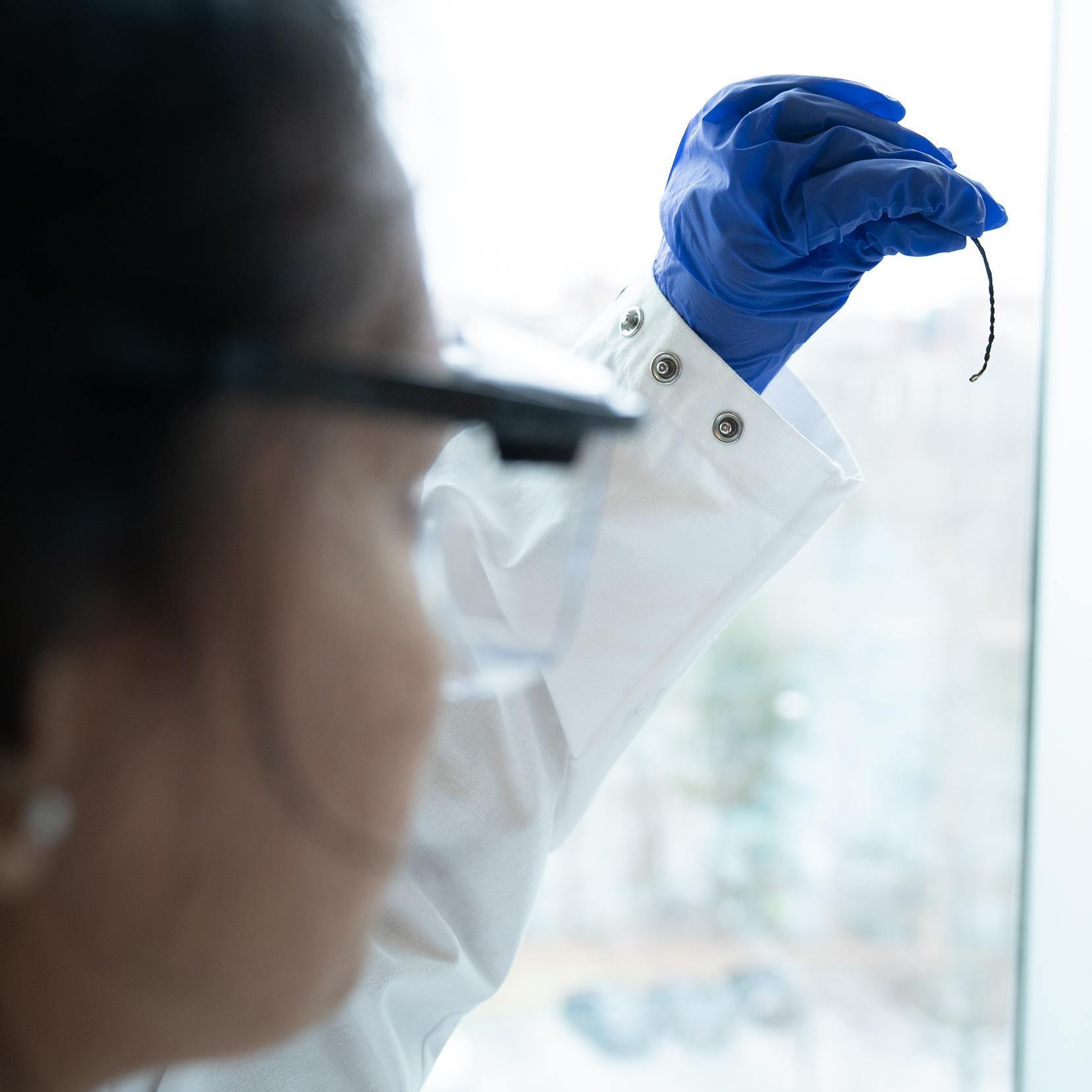
B.S. Fiber Science

About

Examine the properties of everyday fibers and learn to work with emerging fiber technology.
student holding a curved fiber up to a window
People

S. Kay Obendorf

Department
Human Centered Design
About

S. Kay Obendorf Ph.D. (physical chemistry from Cornell University, 1976) is a Professor of Fiber Science in the College of Human Ecology at Cornell University. Her research and teaching interests are in the area of fiber science, chemistry of fibers and films, and protective clothing.  She was the department chair for the Department of Textiles and Apparel (now Fiber Science & Apparel Design) from 1985-95 and Senior Associate Dean for the College of Human Ecology

Kay Obendorf
Pages

2021-22 Nutritional Sciences Curriculum Sheet

Event
  • Mar 11 ,2026
  • by Karen Steffy
  • Human Centered Design
  • Zoom  Passcode: 843821 

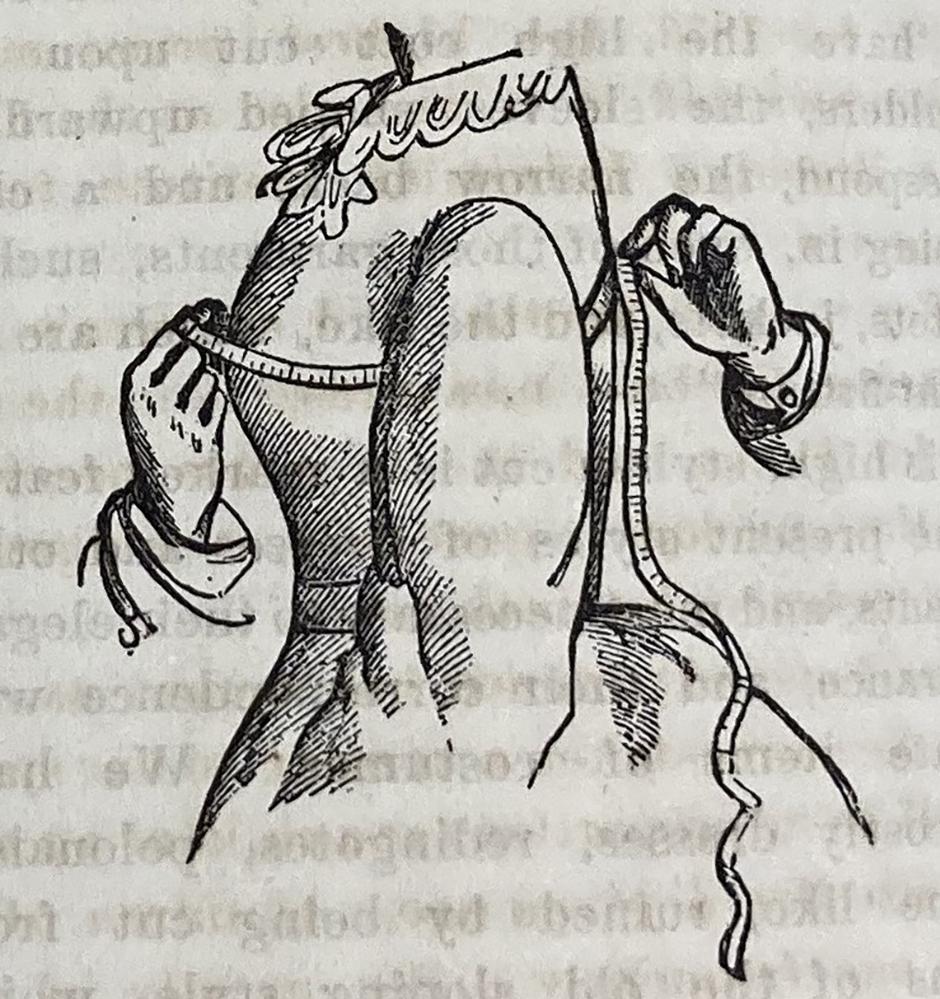
Sizing the Fashionable Body: Butterick Patterns, Standardization, and Normalcy 1860-1910

Department
Human Centered Design
About

During the late nineteenth century, Ebenezer Butterick and The E. Butterick Company transformed women’s fashion by introducing mass-produced, precut sewing patterns based on a proportional grading system. While these patterns were marketed as accessible and democratic tools for amateur dressmakers, they were based on a rigid sizing framework that codified a vision of bodily “normalcy” centered on corsetry and the proportions of an idealized size “36.”

This talk shares research in progress on the origins
Hands using a tape measure and measuring a woman's chest.
First Previous
  • First Page 1
  • …
  • Page 45
  • Page 46
  • Current page 47
  • Page 48
  • Page 49
  • …
  • Last Page 160
Next Last
Cornell University Cornell Human Ecology

Footer

  • For the Media
  • Support CHE
  • Contact + Directions
Follow US
  • Facebook
  • Instagram
  • LinkedIn
  • X
Acknowledgement of
Gayogo̱hó:nǫ' Land
fall scene with trees with yellow leaves and a small waterfall
chefacilities [at] cornell.edu (Martha Van Rensselaer Hall)

Ithaca, NY 14853

(607) 255-2446
  • Web Accessibility
  • Privacy Notice
  • Equal Education and Employment
  • Cornell University
© 2026 College of Human Ecology