


- Sep 16 — Oct 16 ,2026
- by Melissa Conroy
- Human Centered Design
- Jill Stuart Gallery, Human Ecology Building
Elemental: The 2026 Barbara L. Kuhlman Scholars’ Group Exhibition
The Barbara L. Kuhlman Foundation, Inc. is a non-profit entity established by the estate of Barbara L. Kuhlman. Ms. Kuhlman, a college professor, and life-long supporter of fiber arts achieved world-renowned status as a collector, lecturer, and author in her field. The Foundation continues her dedication to fiber arts and closely related fields with philanthropic sponsorships, grants, and student scholarships.
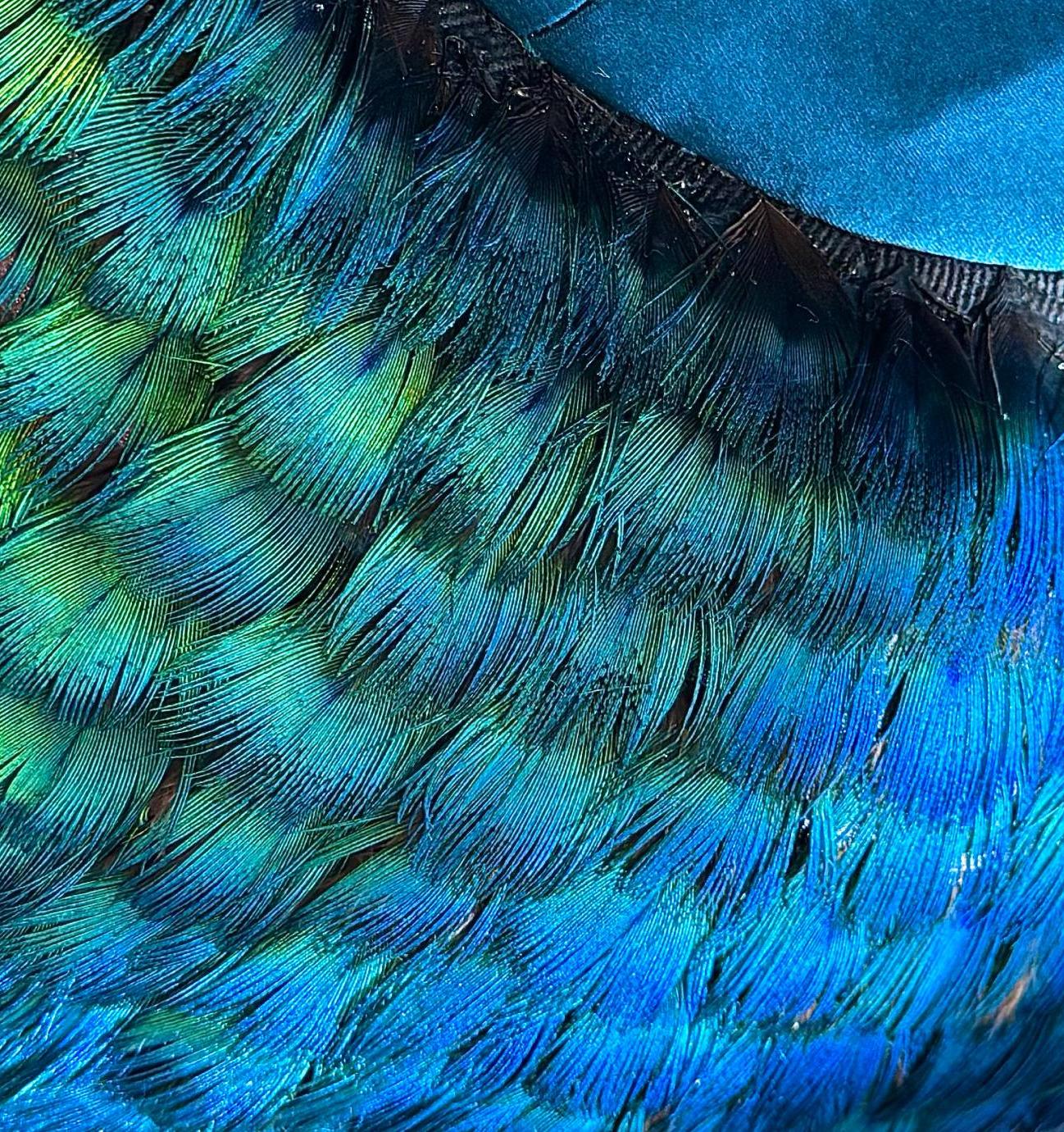
The 2026 Barbara L. Kuhlman Scholars’ Group Exhibition showcases unique garments, wearable art, and textile
- Apr 16 ,2026
- Cornell Human Ecology
- MVR Hall 1102
The Sanitation Bulletins
A forgotten chapter in the College of Human Ecology’s public health legacy
What did public health outreach look like before vaccines and antibiotics? Between 1900 and 1920, faculty in Cornell's Department of Home Economics developed an ambitious answer: science-based sanitation bulletins designed to bring practical disease prevention methods directly into the homes of rural New York families. Tara Pearson, PhD student in Human Behavior and Design (Design and Environmental Analysis) and 2025 recipient of the

- Sep 5, 2025
- Oct 12, 2023
- by Emily Groff
- Holistic Human Health, Social Impact + Justice
Visiting Scholar Ruth Browne honors alumna’s collaboration to improve lives
We have to work together to drive change. That was the central message that Ruth C. Browne, president and CEO of Ronald McDonald House New York (RMH-NY), shared as Cornell Human Ecology’s inaugural Flemmie Kittrell Visiting Scholar.
Browne is an innovator in the field of urban health and education who focuses on building consensus and engaging stakeholder communities. During her visit, Oct. 4-6, she met with students, faculty and staff; visited classes; delivered a public
- Mar 20 ,2026
- by Karen Steffy
- Human Centered Design
- Human Ecology Building T01
Understanding the chemical principles underpinning the fundamental features of life beyond biochemistry within the origins of life context
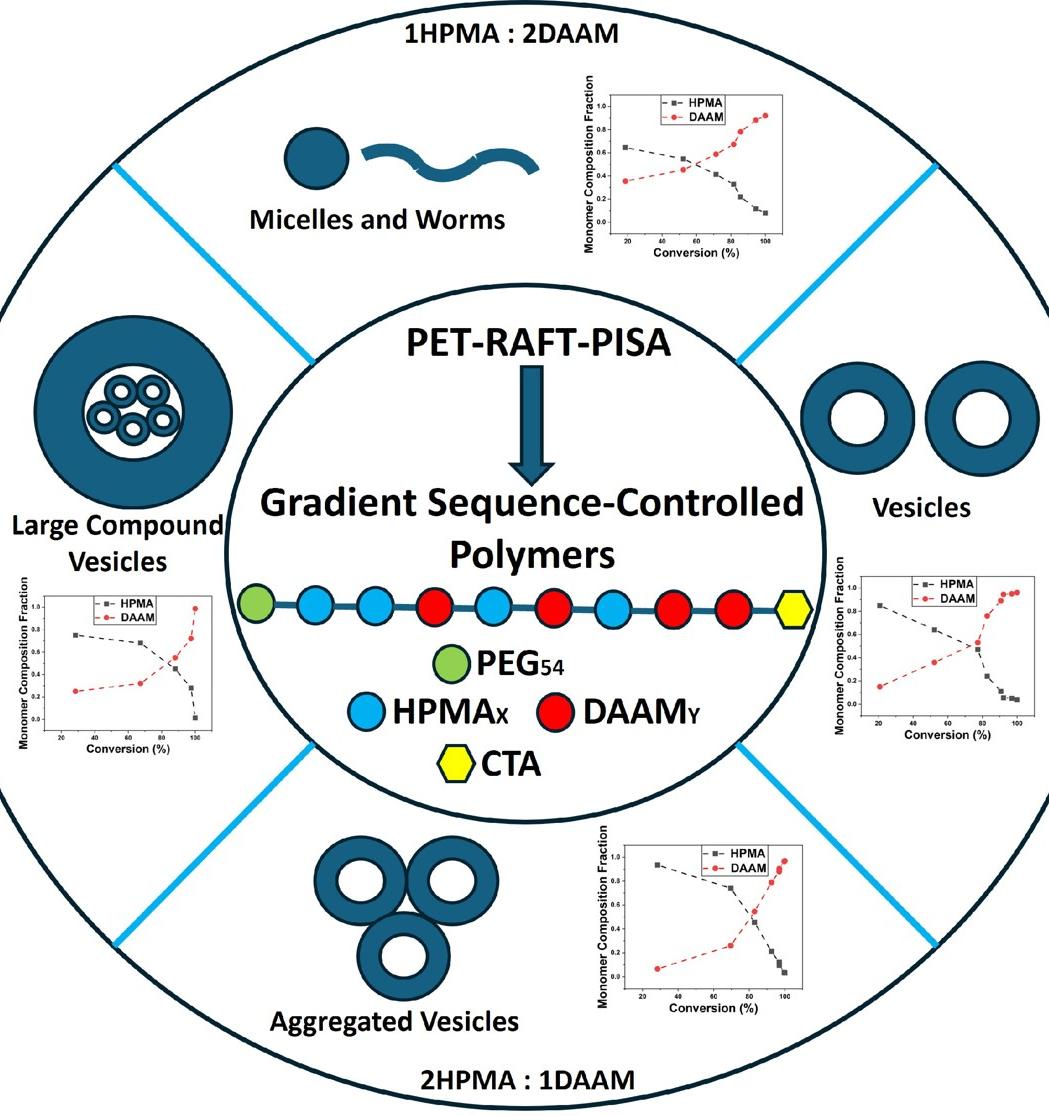
Investigating prebiotic chemistry and the fundamental features of life like metabolism, information, self-reproduction, natural selection and computation, is significant within the origins of life research. In this context, one of the key elements constitutes the synthesis of chemistry-based natural-life-mimicking artificial or synthetic living systems, starting from a homogeneous aqueous blend of a few strictly non-biochemical compounds, using a technique called polymerization-induced self-assembly (PISA). In one of the studies, gradient sequence-controlled polymers were generated through PET-RAFT-PISA
- Aug 12, 2026
- Sustainability + Society
What makes a quality article of clothing?
Denise Green, the Lau Family Associate Professor in the Department of Human Centered Design, discusses the quality and sustainability of modern clothing materials.