


Andrew R. Milewski
- Feb 16, 2026
- by Marisa LaFalce
- Technology + Human Thriving, Alumni
Lauren Forstenhausler ’21 designs for performance
Fashion design major Lauren Forstenhausler ‘21 uses a tactical, human-centered approach to improving performance and supporting consumer needs in her role as an associate apparel designer at Capelli Sport. The performance apparel brand designs and manufactures high-quality athletic apparel, soccer uniforms, and equipment for youth academies, professional clubs and national teams around the world.
Lauren graduated in May 2021 during the COVID-19 pandemic. Although she was unable to showcase her senior collection, “Gaslight/Singularity,” at the
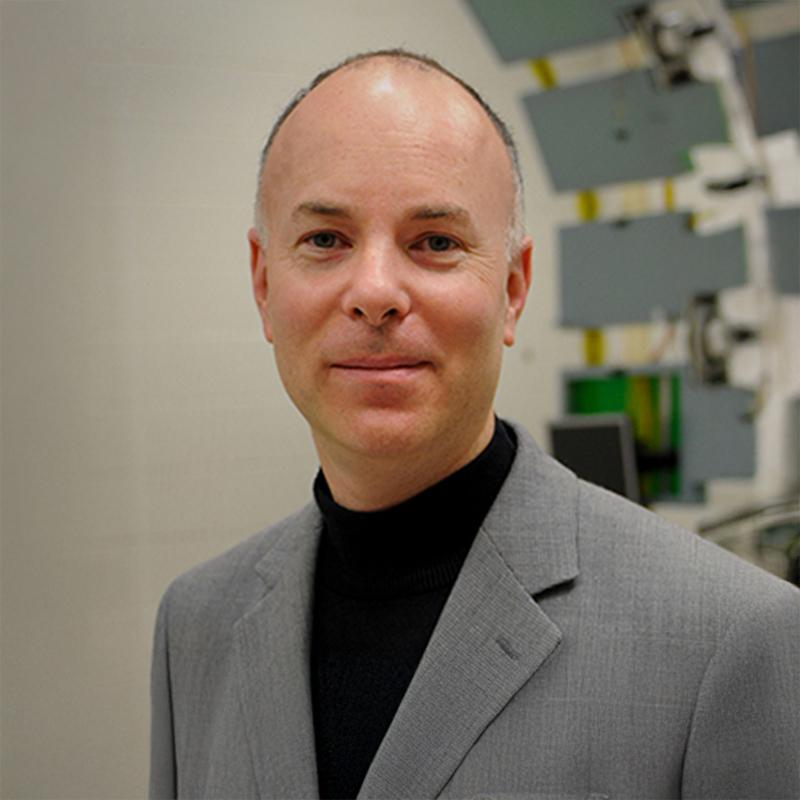
Keith Evan Green
Keith Evan Green is the Jean and Douglas McLean Professor of Human Centered Design and professor in the Sibley School of Mechanical and Aerospace Engineering. Green is also Graduate Field member in the PhD Programs of Information Science and Robotics.
Green founded the field of architectural robotics—the practice of designing physical environments that act, think, and grow with their inhabitants. These environments support and augment us as we work, play, learn, roam, discover, create, connect
- Sep 11, 2023
- Alumni
Julia Dunetz ’19
When people asked 14-year-old Julia Dunetz ’19 what she wanted to be when she grew up, she had an unusual answer: “commercial theater producer.” She pursued her passion with single-minded focus: interning with a theater company in high school, directing and producing plays while studying at Cornell, and producing shows on Broadway and beyond after graduation. Last June, Dunetz’s dream reached a new capstone when “Parade,” the hit musical she co-produced, won a Tony Award
- Feb 2, 2026
- by Marisa LaFalce
- Holistic Human Health
From bench to bedside: how Joeva Barrow is improving human health
When Joeva Barrow began her career training to become a registered dietitian (RD), working at Orlando Health Winnie Palmer Hospital for Women and Babies, she saw firsthand how nutrition could change lives. Her curiosity led her to explore molecular nutrition and understand how evidence-based nutrition recommendations worked.
“We found a lot of really powerful relationships between diet and health, but many of the fundamental mechanisms still needed to be explored in order to maximize those
Lorraine Maxwell
I joined the Design and Environmental Analysis faculty in 1993 as my first full time academic appointment. My first graduate degree was a masters in city and regional planning. I worked as city planner for a large city in New Jersey and as a facility planner and programmer for an architectural firm in New York City. My PhD is in psychology, specifically environmental psychology. My research interests have always been, and continue to be, related
- Apr 6, 2022
- by E.C. Barrett
- Alumni, Donor
Leading a business through growth
As co-owner and creative director of Juice Press LLC, Erica Karsch ’94 (human development and family studies) helped her company navigate the challenges of the pandemic by focusing on innovation, customer experience, store design, and doing whatever needed to be done.
“I'm often stocking groceries and cleaning the shelves,” Karsch said, “that's just what you do when you're an entrepreneur. It's like having a child; you are never off duty. You walk in and if