Ashley (Xinya) Liu
Ashley is a Ph.D. candidate in Molecular Nutrition working with Dr. Shu-Bing Qian, studying mRNA translation regulation, nutrient-sensing pathways, and cellular stress responses. She received her B.Sc. (Hons) in Pharmacology and Biochemistry from the University of Strathclyde through a dual-degree program with China Pharmaceutical University, followed by a master’s degree in Cancer Biology from University College London. Her research interests center on understanding how dysregulated mRNA translation contributes to human disease. She plans to pursue
Kenjin Chang
Kenjin is a doctoral candidate interested in the design of food environments and its role in promoting transitions to healthier, more sustainable diets. In addition to his position within the Department of Human-Centered Design, he also serves as the Co-Chair of Research and Education for the Menus of Change University Research Collaborative (MCURC).
Kenjin received his master's degree from the Johns Hopkins Bloomberg School of Public Health and, prior to joining the College of Human
Jingjie Du
Jingjie joined the Ph.D. program in Nutritional Sciences at Cornell University in January 2023. She works in Dr. Xin-Gen Lei’s group, where she studies phytases as both animal feed additives and soil fertilizers using computational biology and enzyme engineering. Her work focuses on uncovering the evolutionary diversity and catalytic mechanisms of phosphorus-mobilizing enzymes and developing soil-compatible biocatalysts to reduce fertilizer dependence and environmental impact. Motivated by the potential of biotechnology to address global challenges in
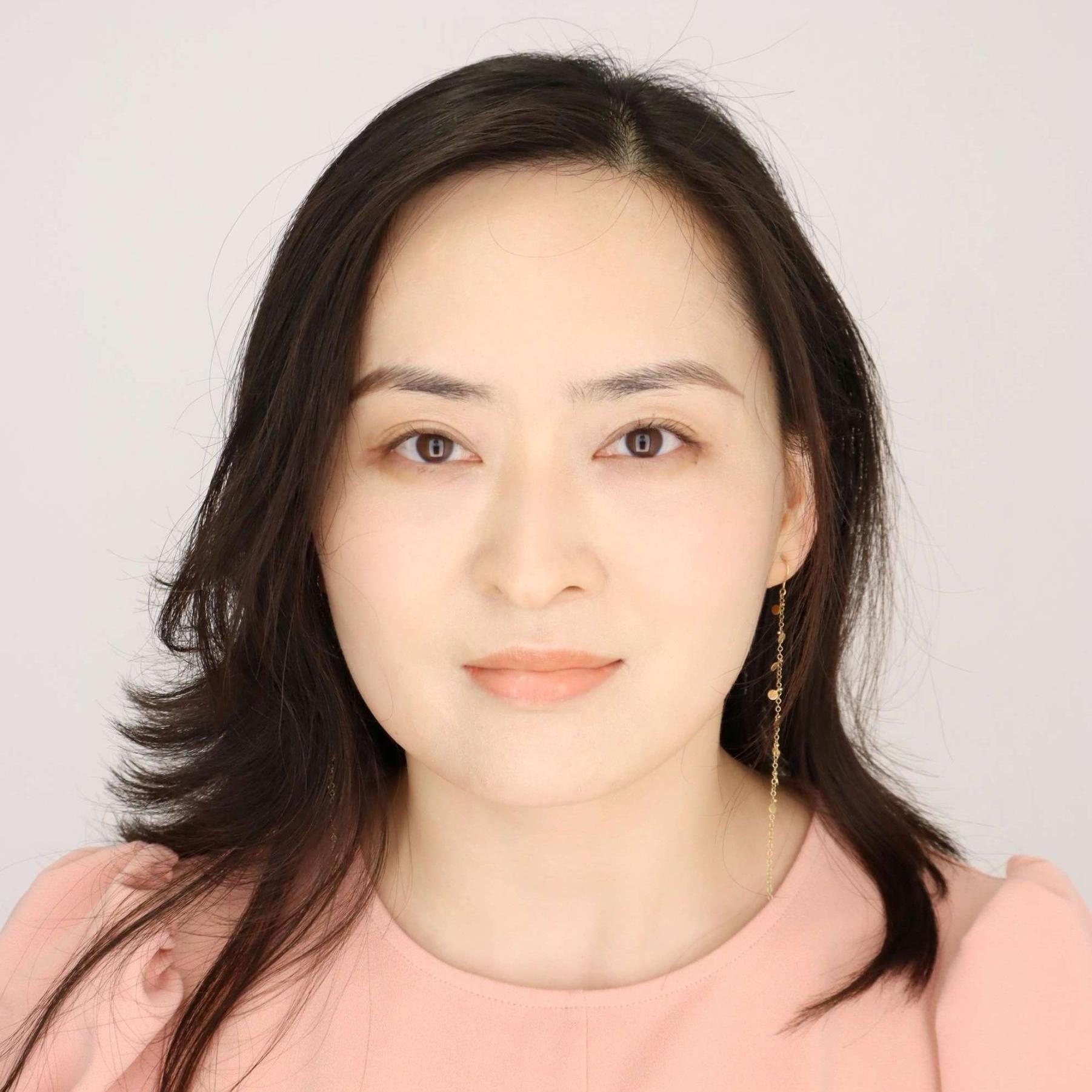
Nathalie Celestin
Nathalie Celestin, MPH, CHES, is a Ph.D. student in Community Nutrition at Cornell University. Her research examines how people create and sustain a sense of belonging through their experiences within food environments and neighborhood contexts. Prior to joining the Odoms-Young Nutrition Liberation, Food Sovereignty, and Justice Lab, Nathalie contributed to state and national initiatives related to USDA’s Supplemental Nutrition Assistance Program Education (SNAP-Ed). She served as a CDC subject matter expert for the Building Resilient

Yuke Xie
Yuke is a PhD candidate in Human Nutrition. She earned a B.S. in Clinical Nutrition and a B.A. in Psychology from the University of California, Davis, and completed her M.S. in Human Nutrition at the Institute of Human Nutrition at Columbia University. After completing her dietetic internship at the UC Davis Medical Center, she became a Registered Dietitian. She is currently working in Dr. Kimberly O’Brien’s lab, where her research focuses on vitamin D metabolism
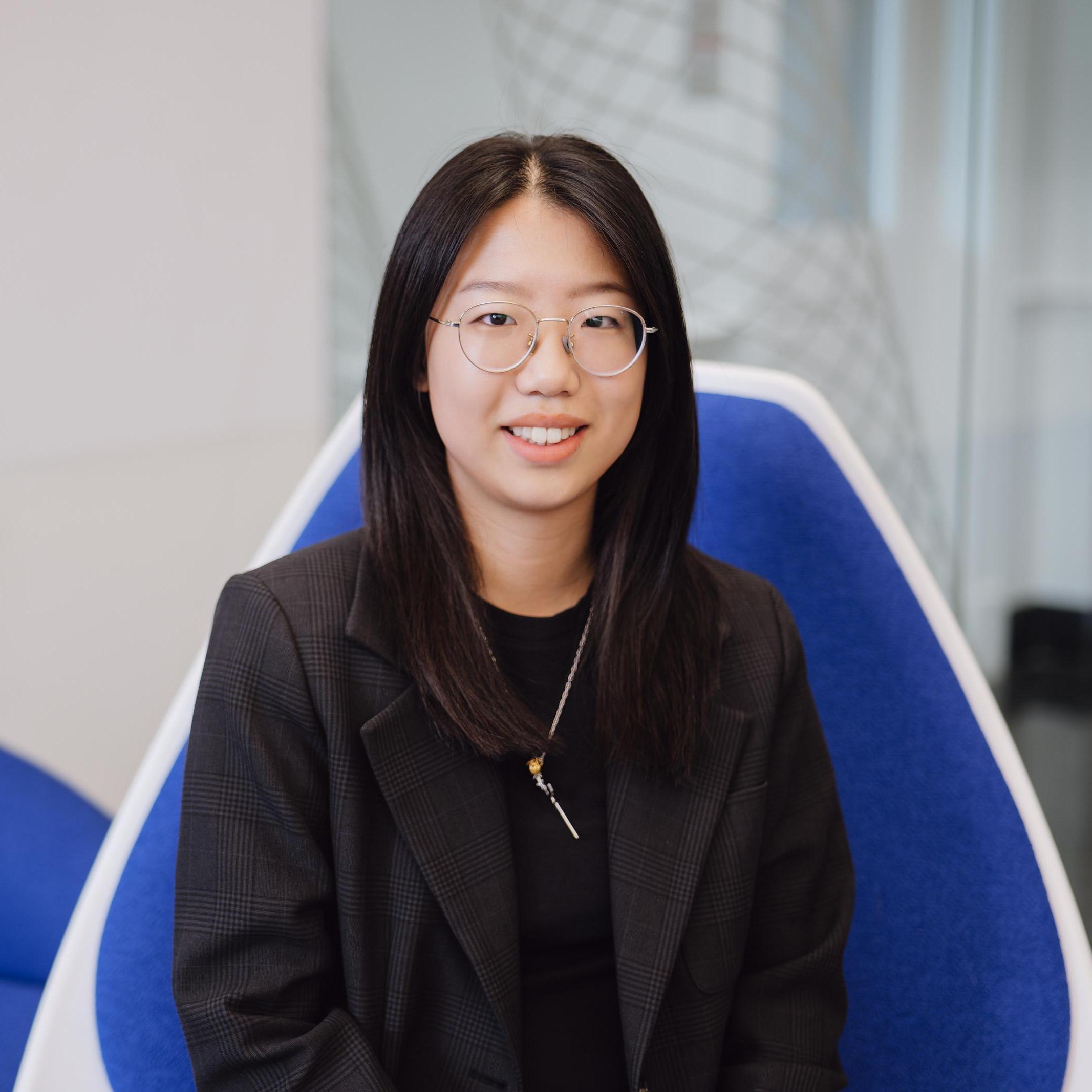
- Sep 11 ,2026
- by Larissa Shepherd
- Human Centered Design
- Human Ecology Building T01
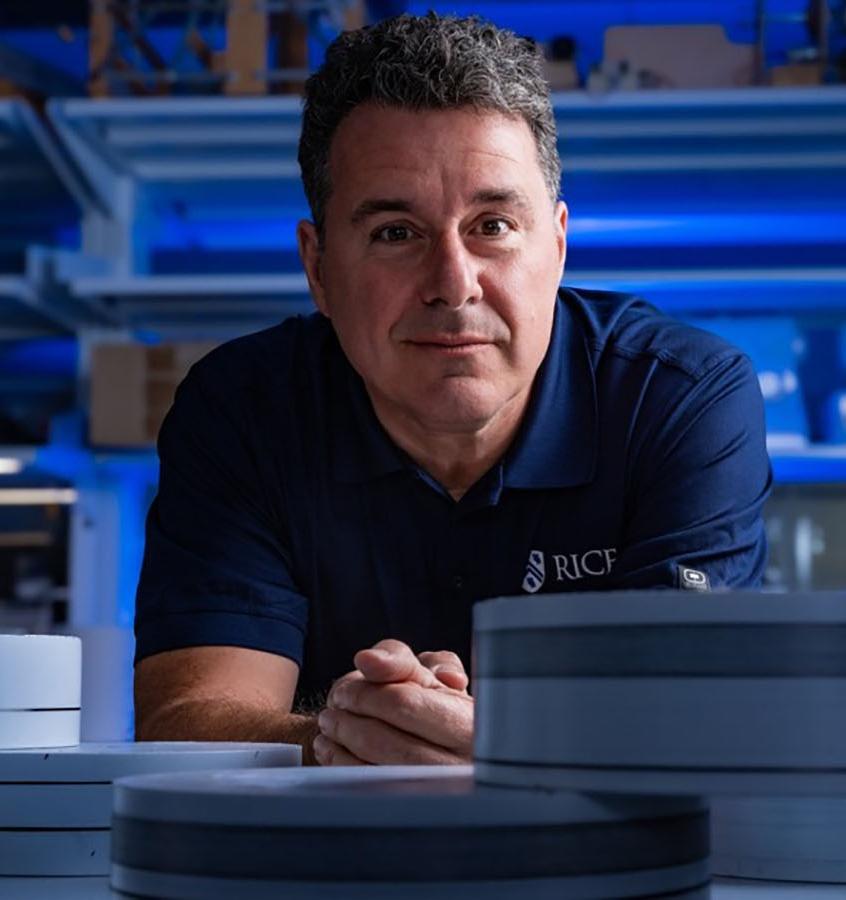
Carbon Nanotube Fibers: from science fiction to specialty applications and potential large-scale
In the 1990s, Carbon Nanotubes (CNTs) were touted as a revolutionary material: stronger and lighter than steel and more conductive than copper and aluminum. Implicitly, this excitement relied on the assumption that CNTs could be assembled into macroscopic fibers whose properties would match nanoscale measurements. By 2000, the prospect of macroscopic CNT fibers was labeled science fiction. I will briefly summarize how two decades of scientific and engineering advances have resulted in the development of CNT