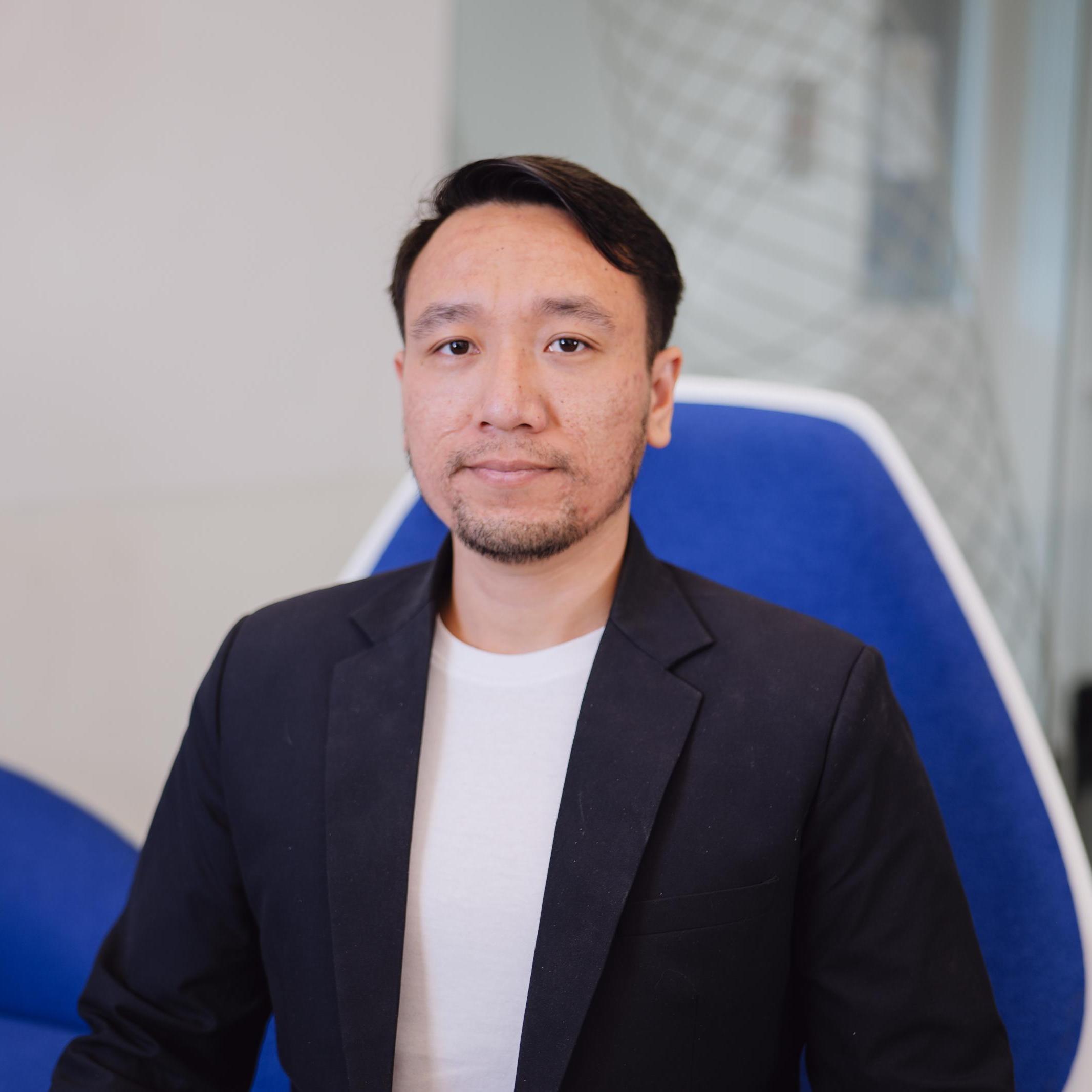
James Dalton Rounds
Through my life and research experiences, I've become fascinated with the question: how do we tap into our full potential? Specifically, I investigate "learning readiness", or the social, cognitive and neural features that predict academic motivation and learning success. I believe these clues will reveal the depths of an individual's potential to learn. And tracking the development of these features, as well as how they vary over time, across individuals from diverse backgrounds, and across
Lorraine Maxwell
I joined the Design and Environmental Analysis faculty in 1993 as my first full time academic appointment. My first graduate degree was a masters in city and regional planning. I worked as city planner for a large city in New Jersey and as a facility planner and programmer for an architectural firm in New York City. My PhD is in psychology, specifically environmental psychology. My research interests have always been, and continue to be, related
Ritch Savin-Williams
Ritch C. Savin-Williams is a developmental psychologist, a professor emeritus of Human Development and Psychology. He received the Ph.D. from the University of Chicago, where he studied sex differences in dominance hierarchy formation at summer camp.
Dr. Savin-Williams has written ten books on adolescent development. The last two, Bi: Bisexual, pansexual, fluid, and nonbinary youth (New York University Press, 2021) and Mostly straight: Sexual fluidity among men (Harvard University Press, 2017) follow previous books on
Emily Moore
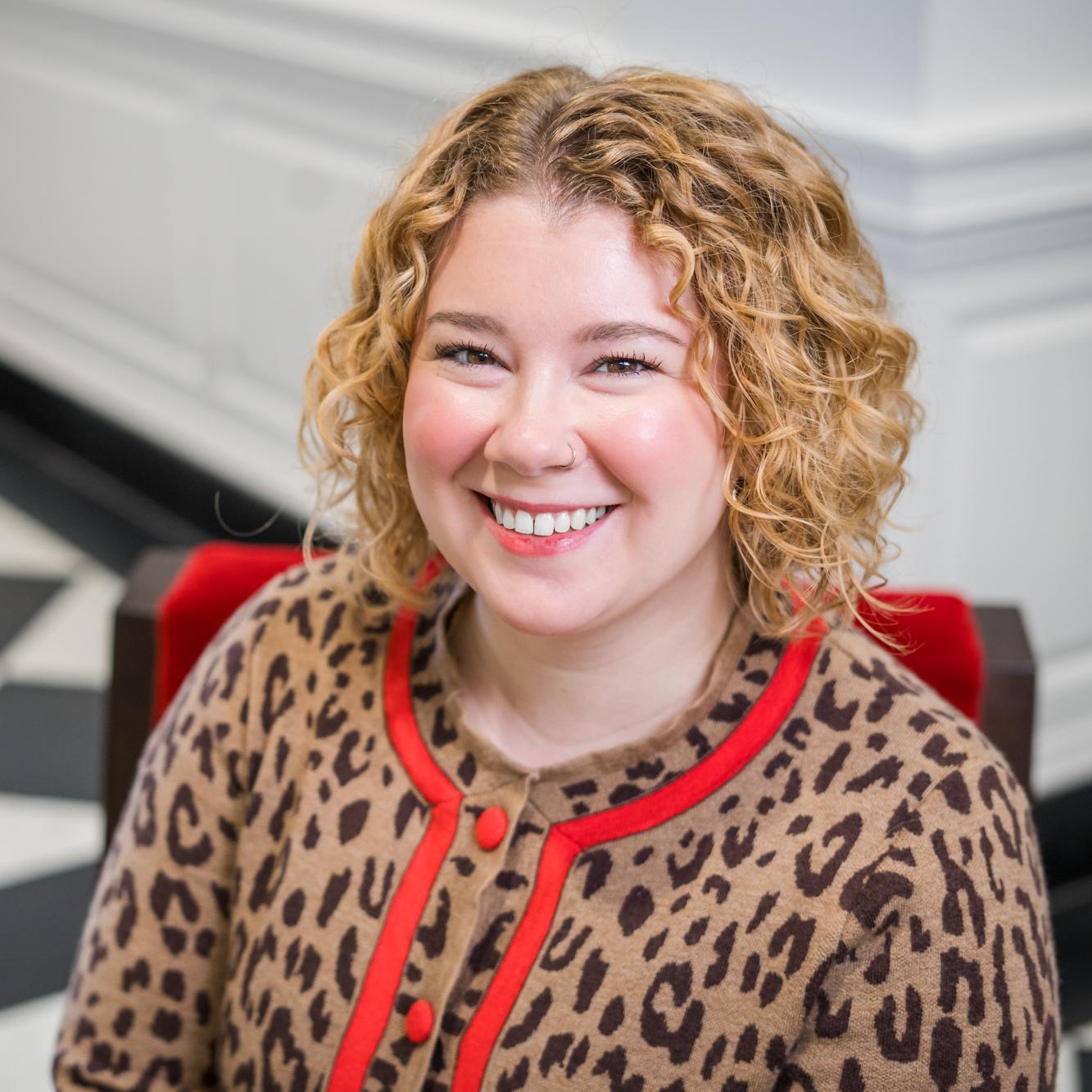
Beatriz Carmona
Beatriz Carmona received her BS in Nutrition/Dietetics with a minor in Statistics from Auburn University in 2021. She is now a doctoral candidate in Community Nutrition in the Division of Nutritional Sciences at Cornell University, and an NIH-funded T32 trainee in Maternal and Child Nutrition.
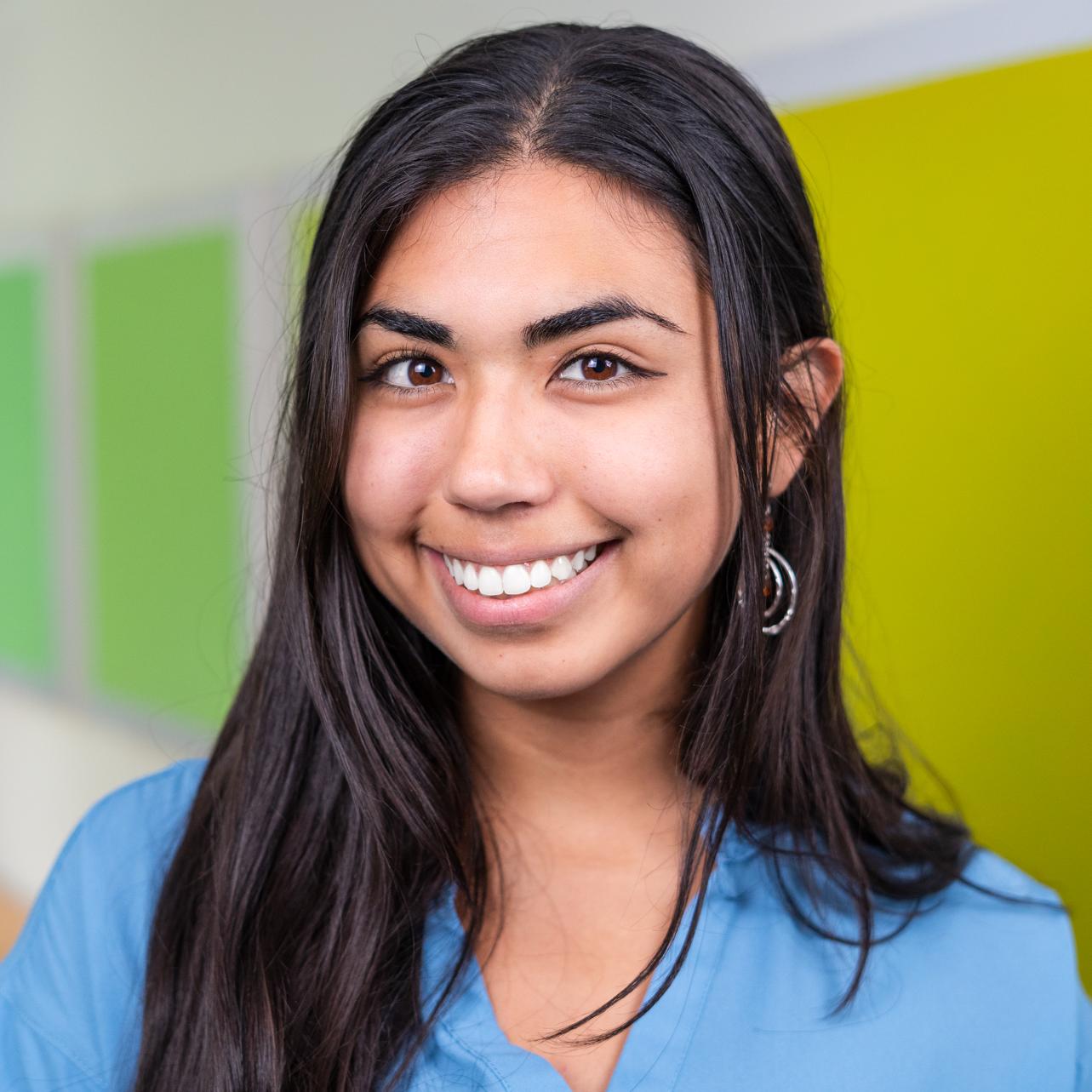
Naiwen Ji
Naiwen is PhD candidate in Nutritional Sciences and minor in Epidemiology and Data Science. Her study focuses on understanding the dimension of diet-related factors and malnutrition among vulnerable populations including children, adolescents, and women of reproductive age in low/middle-income settings using both traditional statistical approaches and machine learning.
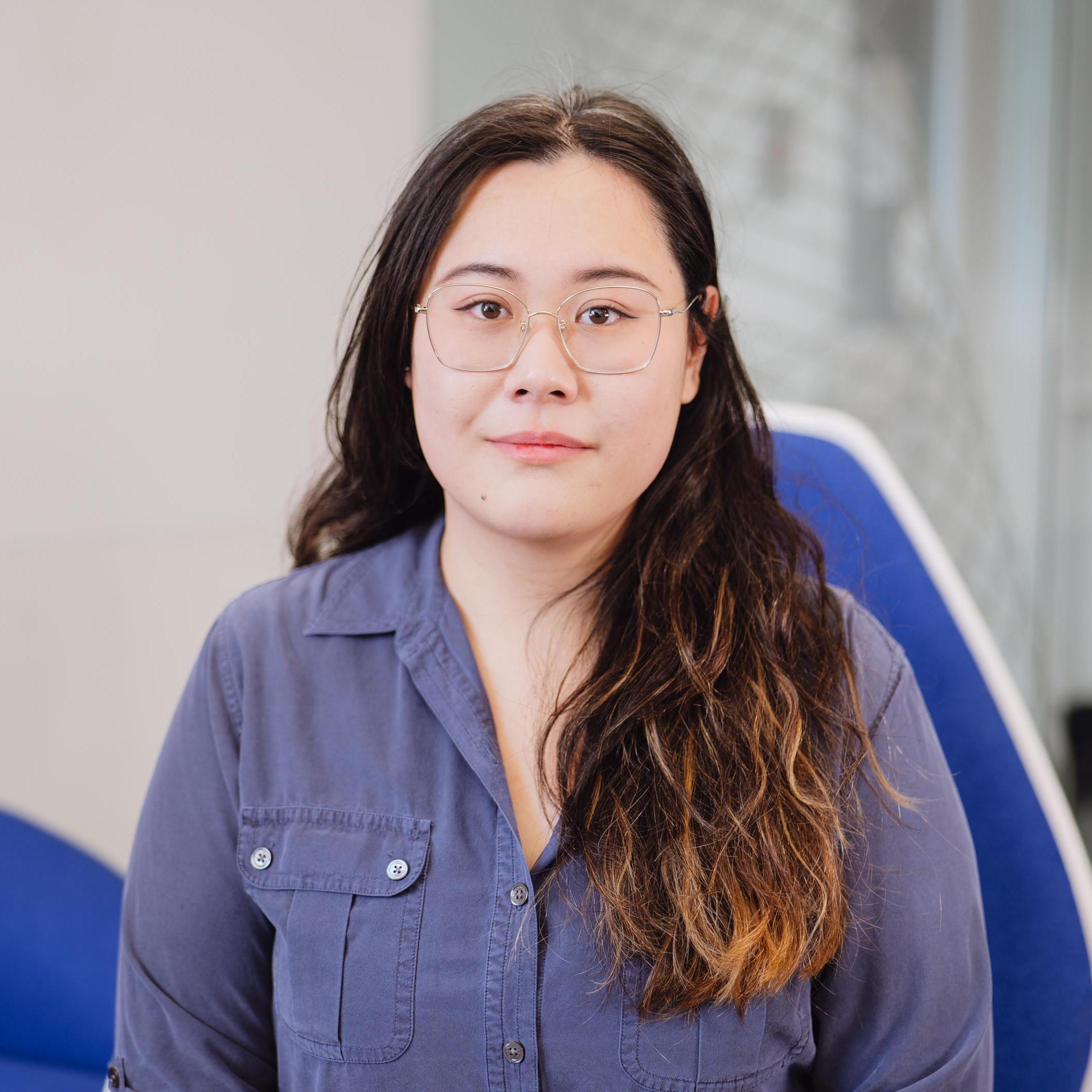
Mochammad Rizal
Rizal is a PhD student in International Nutrition at Cornell University. His research bridges artificial intelligence, precision nutrition and evidence synthesis. Working with the Mehta Research Group, he explores how large language models can support nutrition care, from dietary assessment to personalized meal planning. In addition, Rizal has been working on child and adolescent nutrition using large national datasets and systematic reviews to inform global health policymaking.