


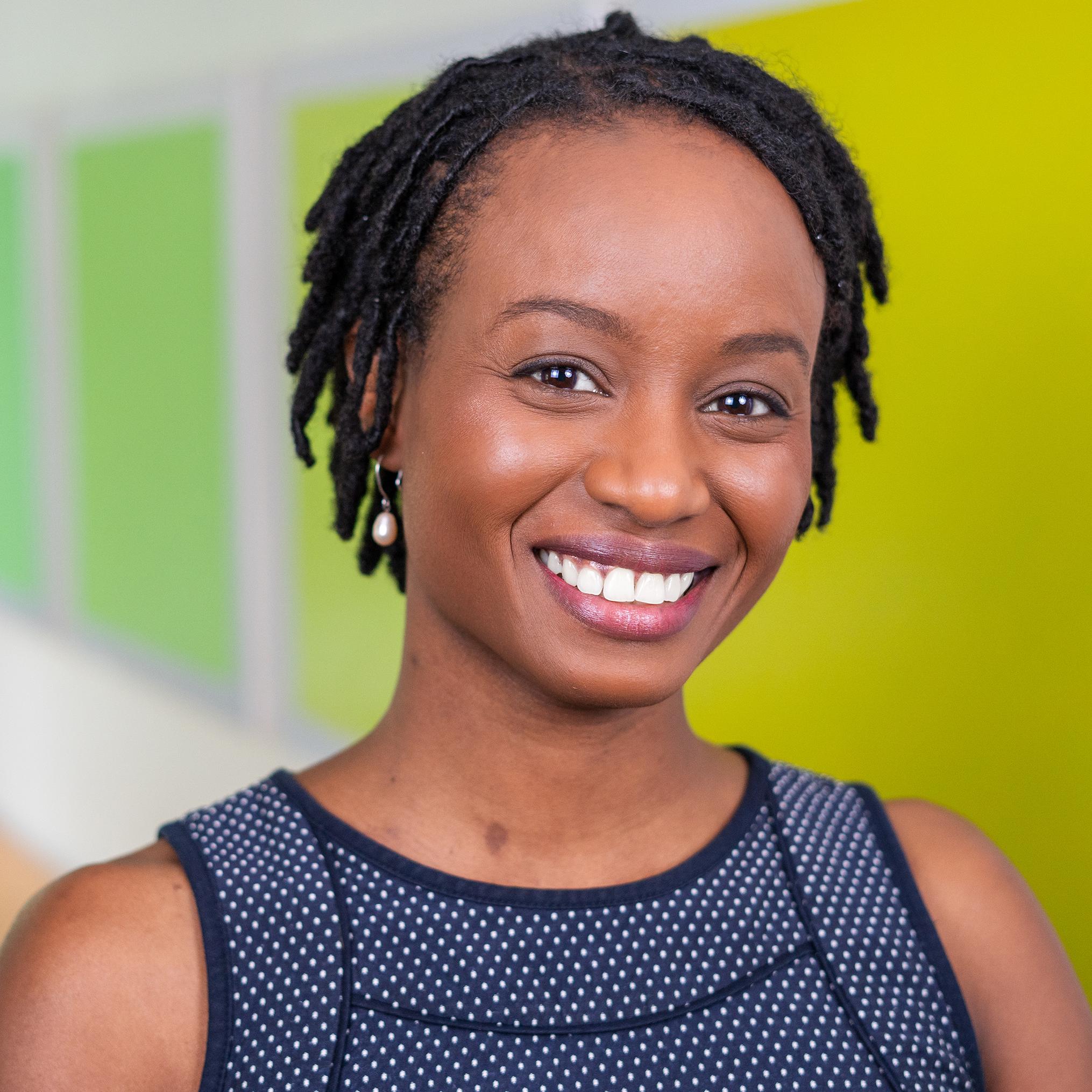
Joeva Barrow
Joeva Barrow, Ph.D., R.D. is an Assistant Professor of Molecular Nutrition at Cornell University Division of Nutritional Sciences. She completed her Bachelor of Science degree in 2006 before completing her Masters and combined Dietetic internship program at the University of Florida in 2008 where she was certified as a Registered Dietitian.
While working at the frontlines in clinical dietetics providing medical nutrition therapy to patients with metabolic diseases, Dr. Barrow quickly discovered that despite the
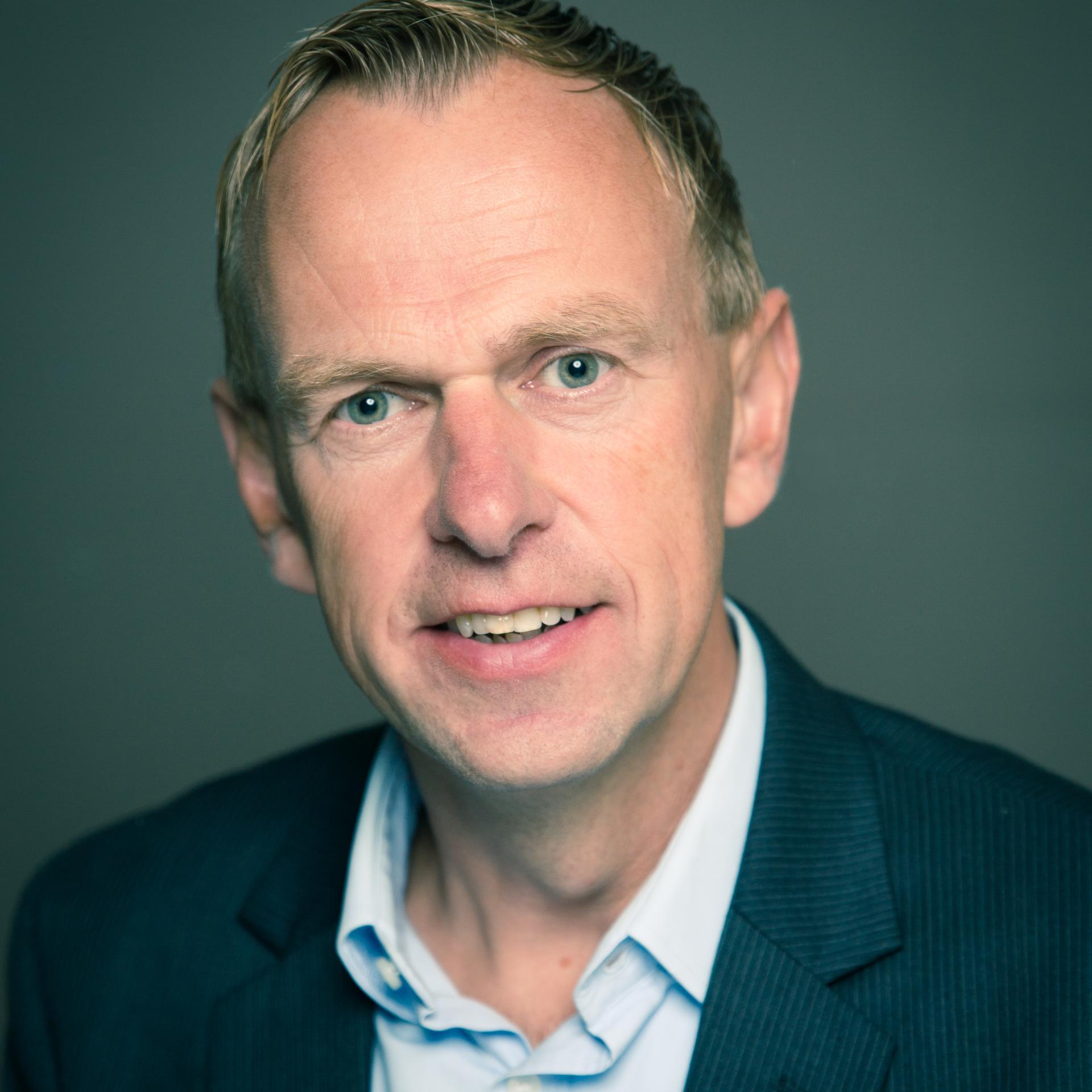
Patrick Schrauwen
As a basic scientist by training, my research has initially included both pre-clinical and human interventions, but since the last ~20 years I have focused my research on human translational intervention studies. Currently I work at the German Diabetes Center in Düsseldorf, Germany. At CHE I aim to contribute to the further stimulation of the translational relevance of the excellent metabolic investigations, and provide my expertise and ongoing research on collaborative projects. In particular, I
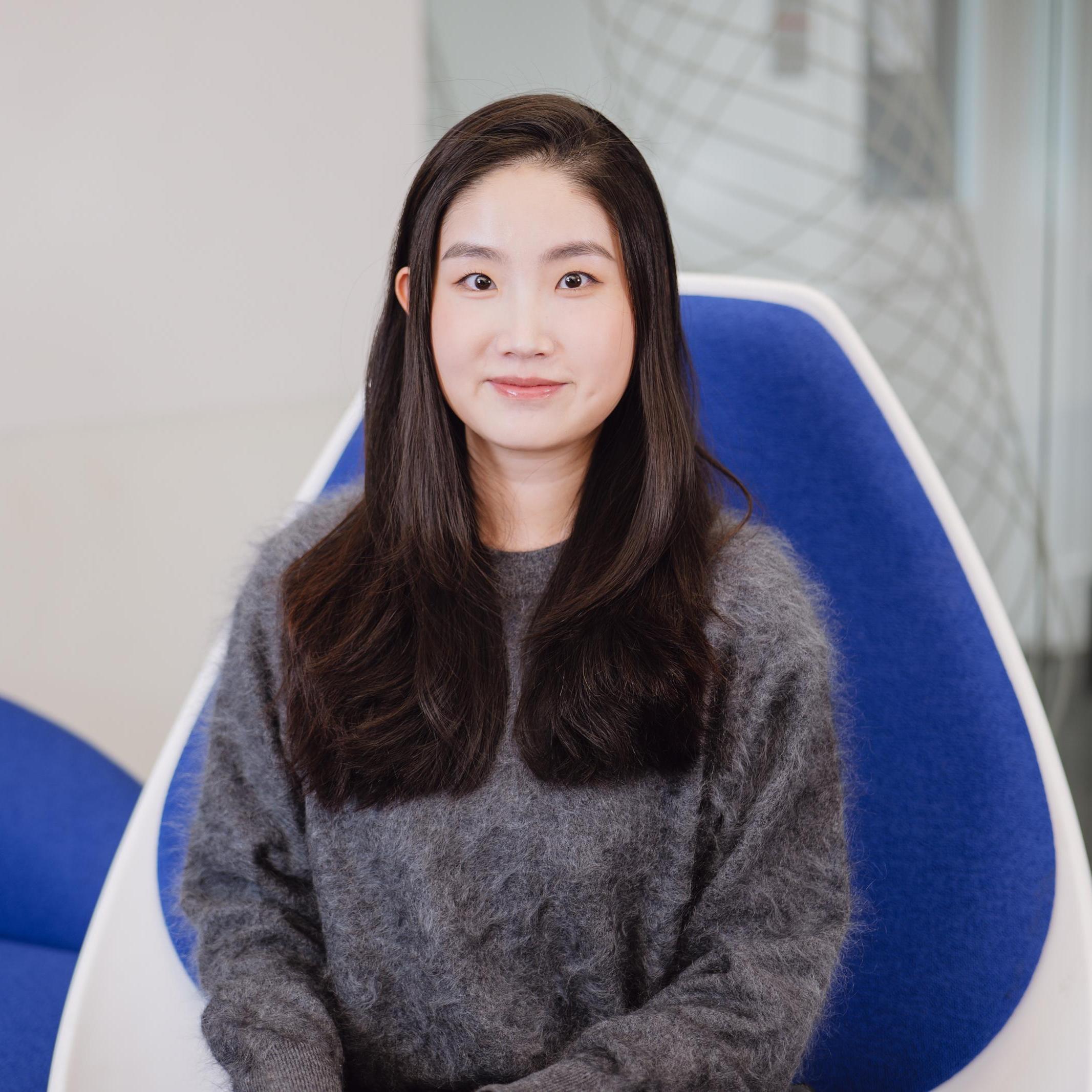
Ruihan Xu
Ruihan is a Ph.D. candidate in Dr. Kimberly O’Brien’s lab. She obtained her BA in Food System Nutrition and Health at the University of Washington-Seattle. Her MPH degree in Nutrition and Dietetics was completed at the University of North Carolina-Chapel Hill. She was also trained in the MRT-TI international lactation consultant training program during her second year of her MPH. After completing the Dietetic Internship and lactation clinical practice hours, she has obtained both the
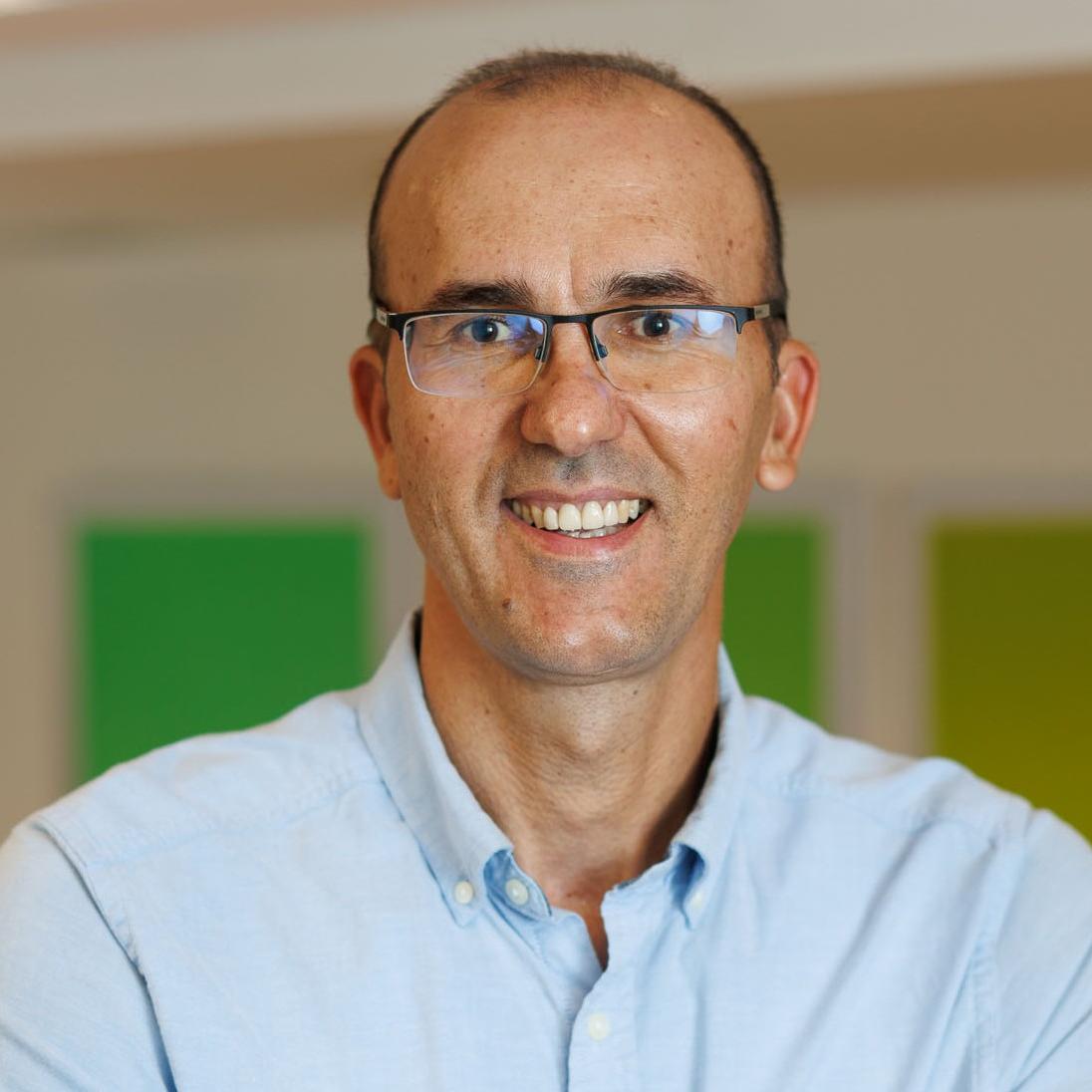
Tamer Uyar
Dr. Uyar obtained his Ph.D. degree from North Carolina State University (Raleigh, NC, USA), College of Textiles, Fiber & Polymer Science in September 2005. Currently, Dr. Uyar is an Associate Professor of Fiber Science at Department of Human Centered Design, College of Human Ecology, Cornell University. Previously, Dr. Uyar was appointed as an Associate Professor at the Institute of Materials Science & Nanotechnology (UNAM) of Bilkent University (Ankara, Turkey) from 2014-2018 and Assistant Professor from 2009-2014. Previously, Dr. Uyar was
Victoria Simon
I am Manager of the Human Nutritional Chemistry Service Laboratory (HNCSL) located in room 251 in the Human Ecology Building. This lab includes an IMMULITE 2000 Immunoassay system, a Magpix Multiplex Analyzer System, Dimension Xpand Plus Integrated Chemistry System, Synergy II Plate Reader and Plate Washer. Hematology equipment includes a Beckman Coulter AcTDiff2 hematology analyzer. Chromatographic equipment includes an Acquity UPC2 convergence chromatographic system with photodiode array detector, a Thermo LC/MS/MS with a TSQ Quantum Ultra mass
John Elliott
I have three areas of expertise in teaching, involving three types of design literacies. These are visual literacy in design (DEA 1101), material literacy in design (DEA 2422) and ecological literacy in design (DEA 4220).
My research interests are related to the idea of "Nature inside" both in a theoretical and a practical sense. In the theoretical domain, I am interested in the aspects of material culture of the built environment that express a society's
Carol Devine
During her time at Cornell, Dr. Devine focused on understanding how working women and men, especially those in low income families with children, manage food and eating in the context of work and family demands, social networks, and food and eating environments and on fostering community environments that promote healthy eating.