- Jun 29 ,2026
- by Lynandrea Mejia
- Bronfenbrenner Center for Translational Research
- Warren Hall B25
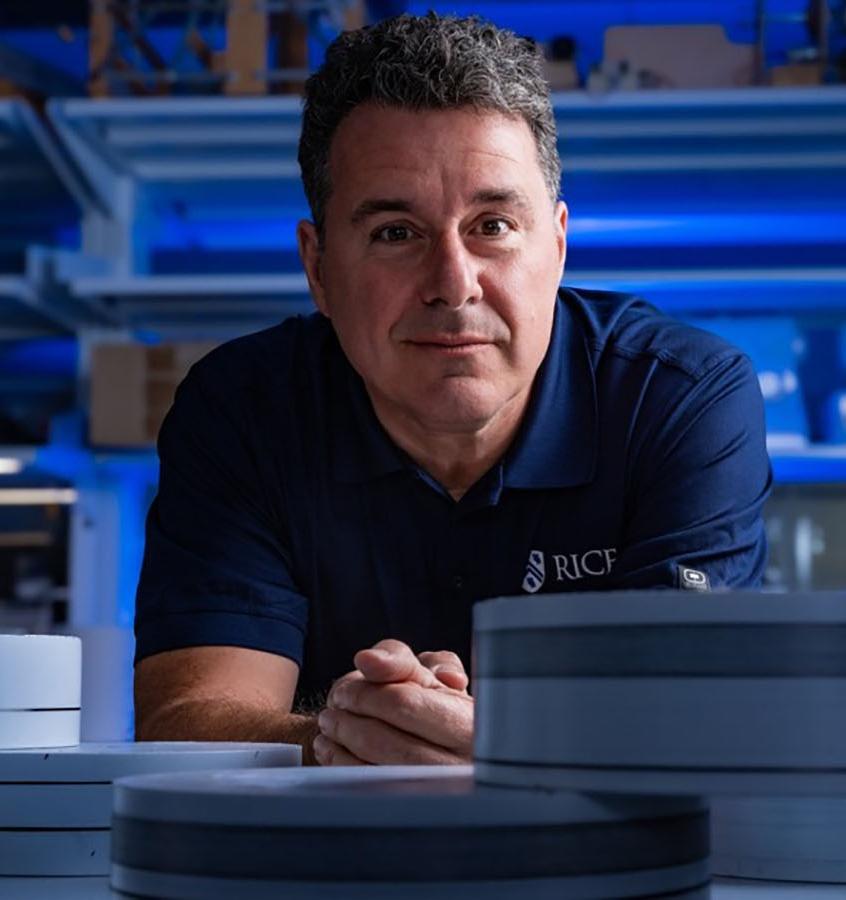
Adam Gamoran, president of the William T. Grant Foundation
Join us for a presentation from Adam Gamoran, president of the William T. Grant Foundation. He will be speaking about why “The Future of Higher Education is Still Social Impact.”
The last decade has witnessed increasing skepticism about the value of universities. Many strategies exist to respond to this challenge, but one that has not received enough attention is fostering social impact research through community-engaged scholarship, which addresses real problems in the everyday lives

- Apr 29 ,2026Apr 30 ,2026May 1 ,2026May 4 ,2026May 5 ,2026May 6 ,2026May 7 ,2026May 8 ,2026May 11 ,2026May 12 ,2026May 13 ,2026May 14 ,2026May 15 ,2026May 18 ,2026May 19 ,2026May 20 ,2026May 21 ,2026May 22 ,2026May 25 ,2026May 26 ,2026May 27 ,2026May 28 ,2026May 29 ,2026Jun 1 ,2026Jun 2 ,2026Jun 3 ,2026Jun 4 ,2026Jun 5 ,2026Jun 8 ,2026Jun 9 ,2026Jun 10 ,2026Jun 11 ,2026Jun 12 ,2026Jun 15 ,2026Jun 16 ,2026Jun 17 ,2026Jun 18 ,2026Jun 19 ,2026Jun 22 ,2026Jun 23 ,2026Jun 24 ,2026Jun 25 ,2026Jun 26 ,2026Jun 29 ,2026Jun 30 ,2026Jul 1 ,2026Jul 2 ,2026Jul 3 ,2026Jul 6 ,2026Jul 7 ,2026Jul 8 ,2026Jul 9 ,2026Jul 10 ,2026Jul 13 ,2026Jul 14 ,2026Jul 15 ,2026Jul 16 ,2026Jul 17 ,2026Jul 20 ,2026Jul 21 ,2026Jul 22 ,2026Jul 23 ,2026Jul 24 ,2026Jul 27 ,2026Jul 28 ,2026Jul 29 ,2026Jul 30 ,2026Jul 31 ,2026Aug 3 ,2026Aug 4 ,2026Aug 5 ,2026Aug 6 ,2026Aug 7 ,2026Aug 10 ,2026Aug 11 ,2026Aug 12 ,2026Aug 13 ,2026Aug 14 ,2026Aug 17 ,2026Aug 18 ,2026Aug 19 ,2026Aug 20 ,2026Aug 21 ,2026Aug 24 ,2026Aug 25 ,2026Aug 26 ,2026Aug 27 ,2026Aug 28 ,2026Aug 31 ,2026Sep 1 ,2026Sep 2 ,2026Sep 3 ,2026Sep 4 ,2026Sep 7 ,2026Sep 8 ,2026Sep 9 ,2026Sep 10 ,2026Sep 11 ,2026Sep 14 ,2026Sep 15 ,2026Sep 16 ,2026Sep 17 ,2026Sep 18 ,2026Sep 21 ,2026Sep 22 ,2026Sep 23 ,2026Sep 24 ,2026Sep 25 ,2026Sep 28 ,2026Sep 29 ,2026Sep 30 ,2026
- by Denise N. Green
- Human Centered Design, Cornell Human Ecology
- Rachel Hope Doran ‘19 and Terrace Level Display Cases, Human Ecology Building
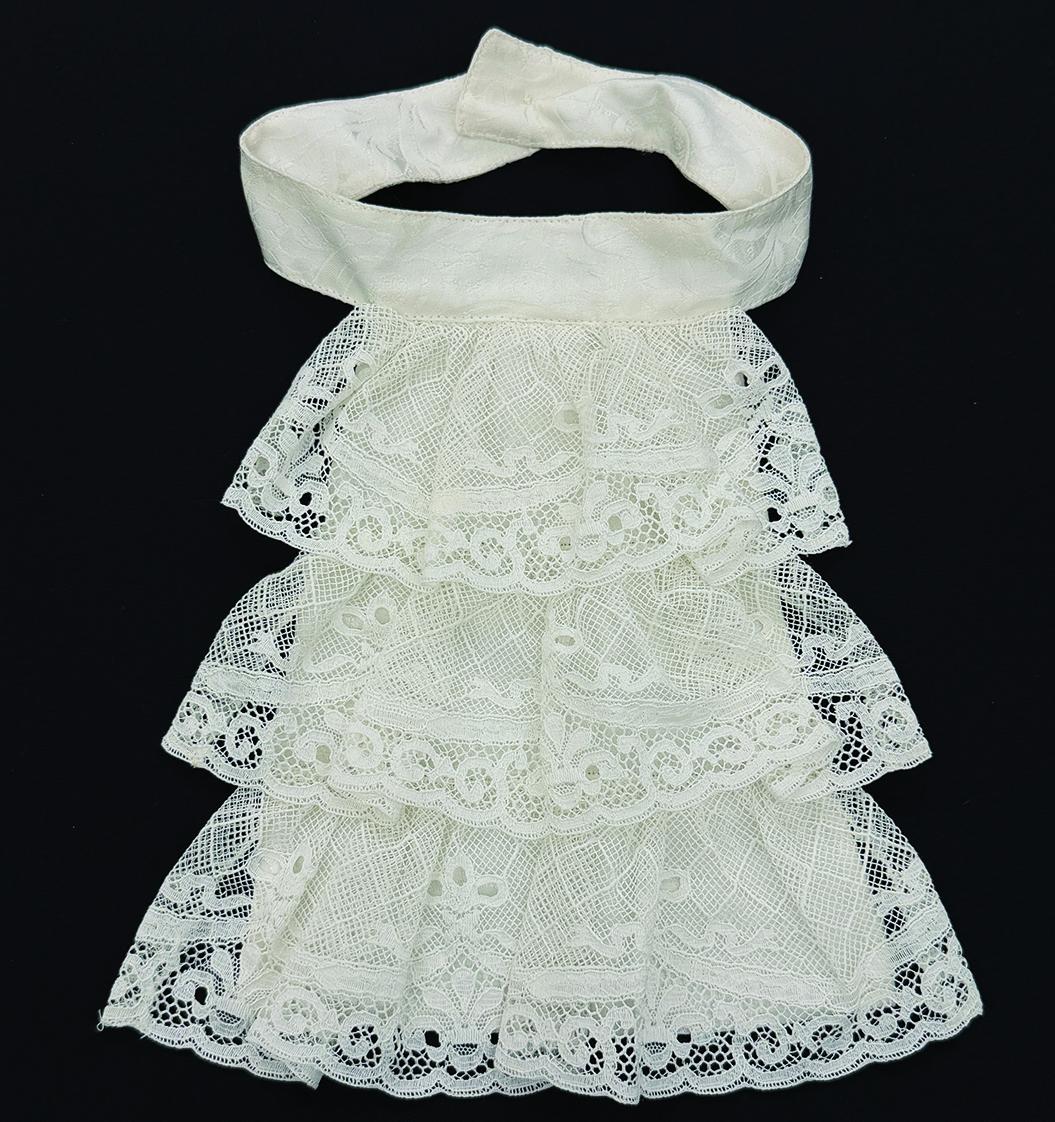
Fashioning Justice: Ruth Bader Ginsburg ’54 and the Power of Presence
Fashioning Justice: Ruth Bader Ginsburg ’54 and the Power of Presence explores how dress functions as civic infrastructure that shapes belonging, authority, and public life. Grounded in the clothing and accessories of Justice Ginsburg and the worlds she moved through, the exhibition considers dress as signal, shield, and statement. What we wear, carry, and keep can help us navigate public expectations and change them. Moving between intimate personal items and the visual codes of professional
- Apr 28 ,2026Apr 29 ,2026Apr 30 ,2026May 1 ,2026May 4 ,2026May 5 ,2026May 6 ,2026May 7 ,2026May 8 ,2026May 11 ,2026May 12 ,2026May 13 ,2026May 14 ,2026May 15 ,2026May 18 ,2026May 19 ,2026May 20 ,2026May 21 ,2026May 22 ,2026May 25 ,2026May 26 ,2026May 27 ,2026May 28 ,2026May 29 ,2026Jun 1 ,2026Jun 2 ,2026Jun 3 ,2026Jun 4 ,2026Jun 5 ,2026Jun 8 ,2026Jun 9 ,2026Jun 10 ,2026Jun 11 ,2026Jun 12 ,2026Jun 15 ,2026Jun 16 ,2026Jun 17 ,2026Jun 18 ,2026Jun 19 ,2026Jun 22 ,2026Jun 23 ,2026Jun 24 ,2026Jun 25 ,2026Jun 26 ,2026Jun 29 ,2026Jun 30 ,2026Jul 1 ,2026Jul 2 ,2026Jul 3 ,2026Jul 6 ,2026Jul 7 ,2026Jul 8 ,2026Jul 9 ,2026Jul 10 ,2026Jul 13 ,2026Jul 14 ,2026Jul 15 ,2026Jul 16 ,2026Jul 17 ,2026Jul 20 ,2026Jul 21 ,2026Jul 22 ,2026Jul 23 ,2026Jul 24 ,2026Jul 27 ,2026
- by Cindy Hsin-Liu Kao
- Human Centered Design
- Human Ecology Building, Jill Stuart Gallery
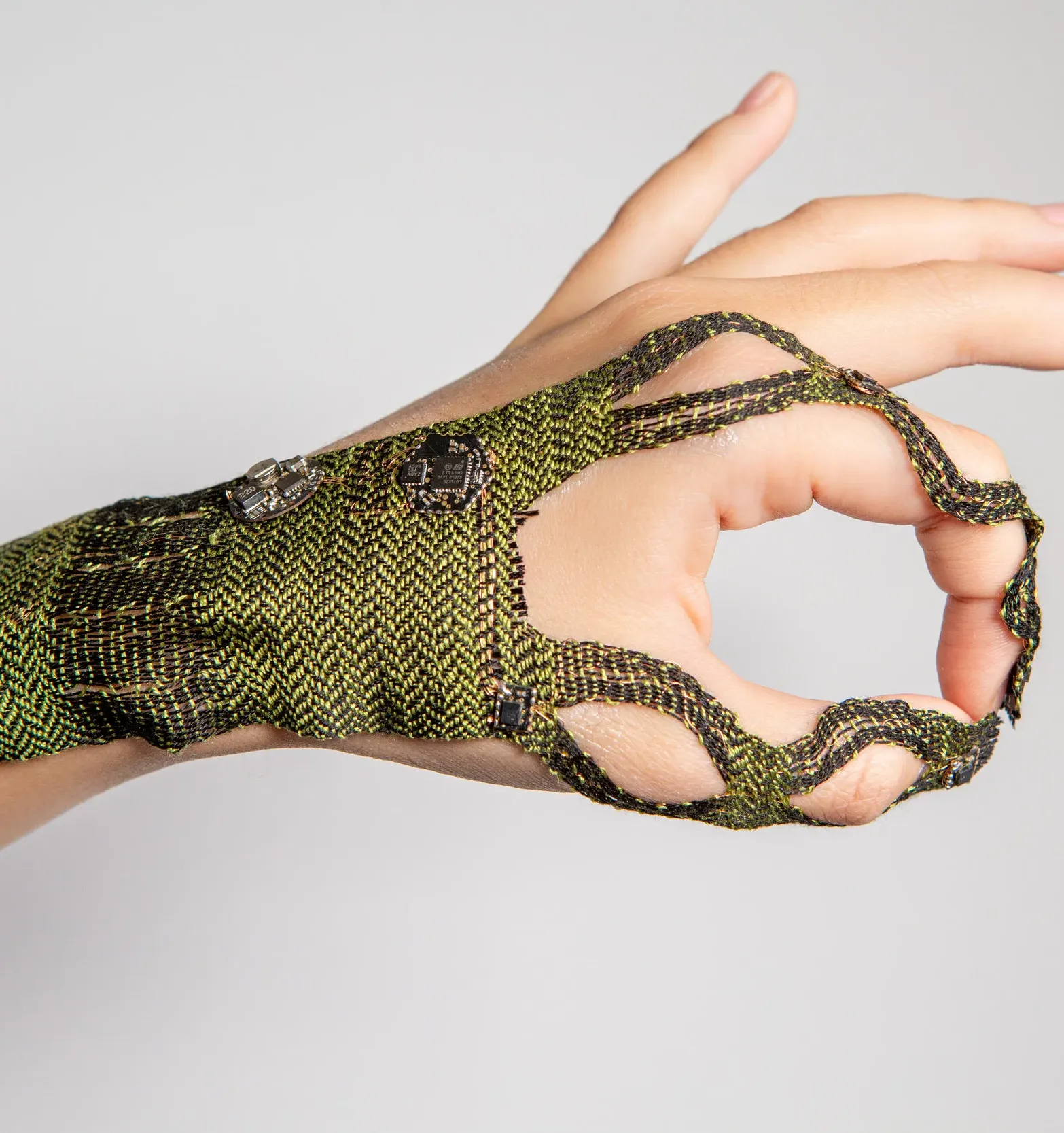
Designing Hybrid Skins: An Exhibition by the Hybrid Body Lab
The Hybrid Body Lab is dedicated to developing Hybrid Skins—culturally inspired, flexible interfaces that enhance the human experience. This exhibition brings together selected works from the lab spanning 2019 to 2026, alongside projects created through the Hybrid Body Lab Artist Residency.
Bridging engineering, design, and community-engaged research, the lab explores how these intimate technologies can reflect—rather than constrain—the complexity, diversity, and expressiveness of human life.
- Apr 30 ,2026
- by Deborah Surine
- Cornell Human Ecology
- Virtual (Webinar)
What Does Innocence Sound Like? The Psychology of Suspicion toward 911 Callers
What if the way you sound during a 911 call could make you a murder suspect?
The Human Ecology Alumni Association (HEAA) invites you to an eye-opening webinar that explores exactly that question.
Join Cornell Human Ecology psychologist Dr. Jessica Salerno as she shares groundbreaking research on how emotional expectations fuel wrongful convictions — and why there's no "one size fits all" response to trauma. This is a conversation you won't want to miss.

- Jul 30 ,2026
- by Jaden Jaynes Demarest
- Human Centered Design
- Jill Stuart Gallery, Human Ecology Building
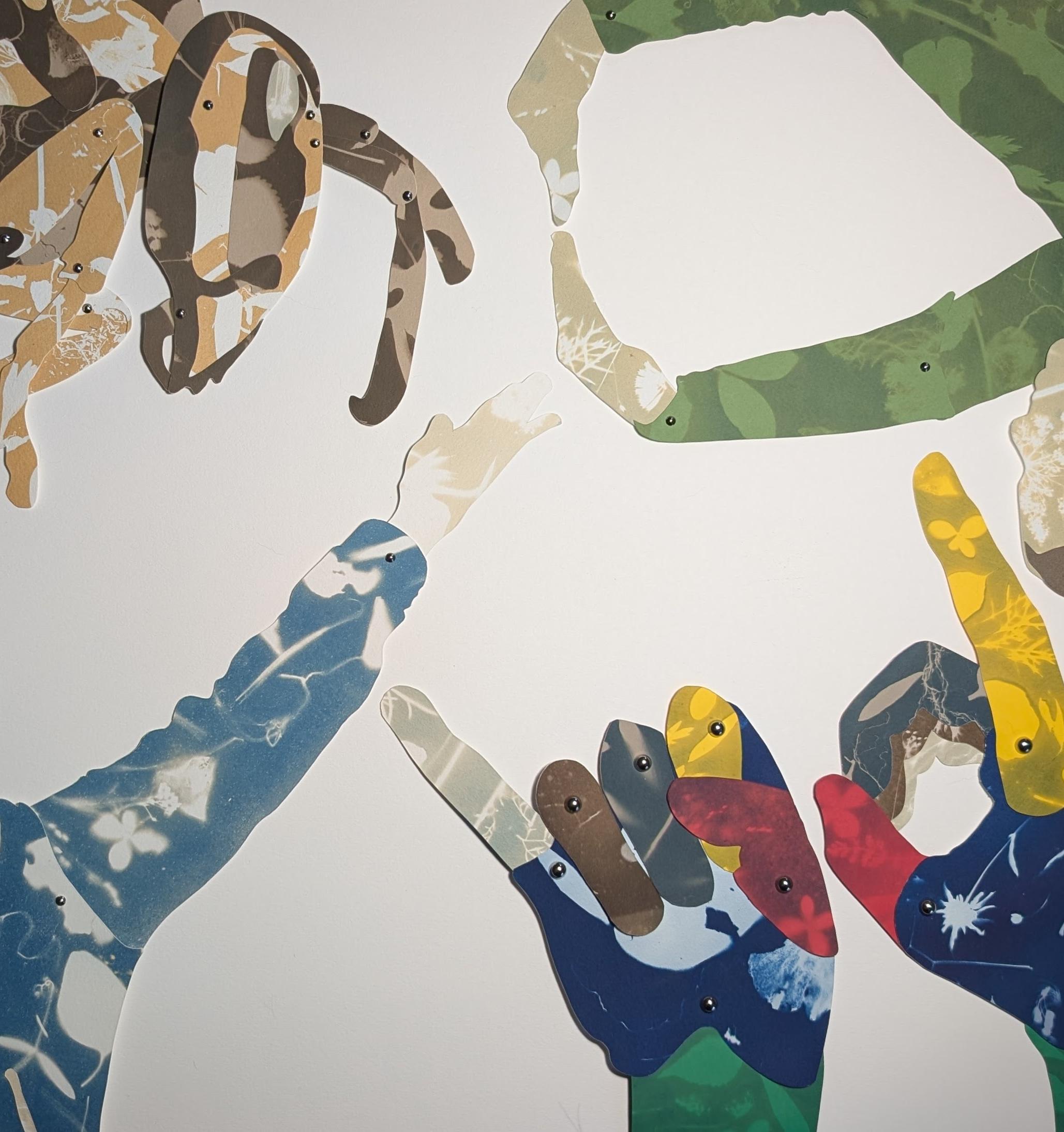
Without Saying
How do you communicate? How do you receive information? Through the English and ASL alphabets, insects interacting with one another, and humans performing knowledge-based tasks, we see a variety of options. Here, communication becomes something we see, feel, and embody, without saying a word.
- Aug 28 ,2026
- by Larissa Shepherd
- Human Centered Design
- Human Ecology Building T01
Biomass to Biomaterials: Engineering Regenerated Cellulosic Materials from Agricultural Feedstocks—and Why So Few Reach Market
Agricultural biomass represents one of the world’s largest underutilized renewable resources, yet only a small fraction is transformed into high-value materials. Advances in regenerated cellulosic fibers have created new opportunities to diversify feedstocks beyond conventional wood pulp. Despite significant progress, however, relatively few next-generation biomaterials successfully transition from lab to commercial adoption.
This seminar explores the journey from agricultural biomass to regenerated cellulosic materials through the lens of both materials science and commercialization. Using CocoaFiber’s

- Sep 11 ,2026
- by Larissa Shepherd
- Human Centered Design
- Human Ecology Building T01
Carbon Nanotube Fibers: from science fiction to specialty applications and potential large-scale
In the 1990s, Carbon Nanotubes (CNTs) were touted as a revolutionary material: stronger and lighter than steel and more conductive than copper and aluminum. Implicitly, this excitement relied on the assumption that CNTs could be assembled into macroscopic fibers whose properties would match nanoscale measurements. By 2000, the prospect of macroscopic CNT fibers was labeled science fiction. I will briefly summarize how two decades of scientific and engineering advances have resulted in the development of CNT