- May 1 ,2026
- by Karen Steffy
- Human Centered Design
- Human Ecology Building T01
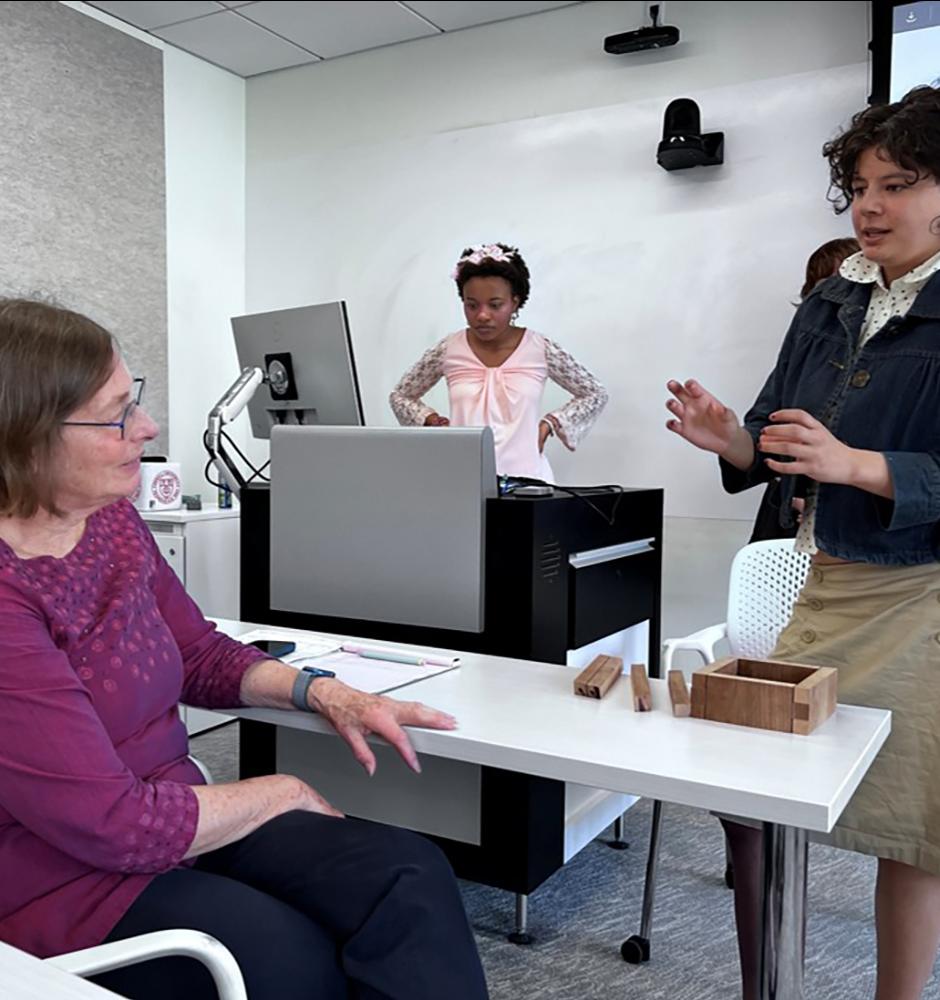
Emotional Cartographies: Integrating Neuroscience and AI for Human-Centered Spatial Networks
This presentation explores the dynamic interplay between human emotions and the built environment through two interconnected streams. The first stream delves into how emotional responses can be captured and analyzed using advanced neuroscience devices, and how artificial intelligence can uncover patterns linking emotions to specific spatial, interior, and urban conditions. The second stream reflects on these findings by examining emotion-based spatial networks across small, medium, and large scales, demonstrating innovative visualization techniques that reveal the
- Apr 28 ,2026
- by Cindy Hsin-Liu Kao
- Human Centered Design
- Human Ecology Building, Jill Stuart Gallery
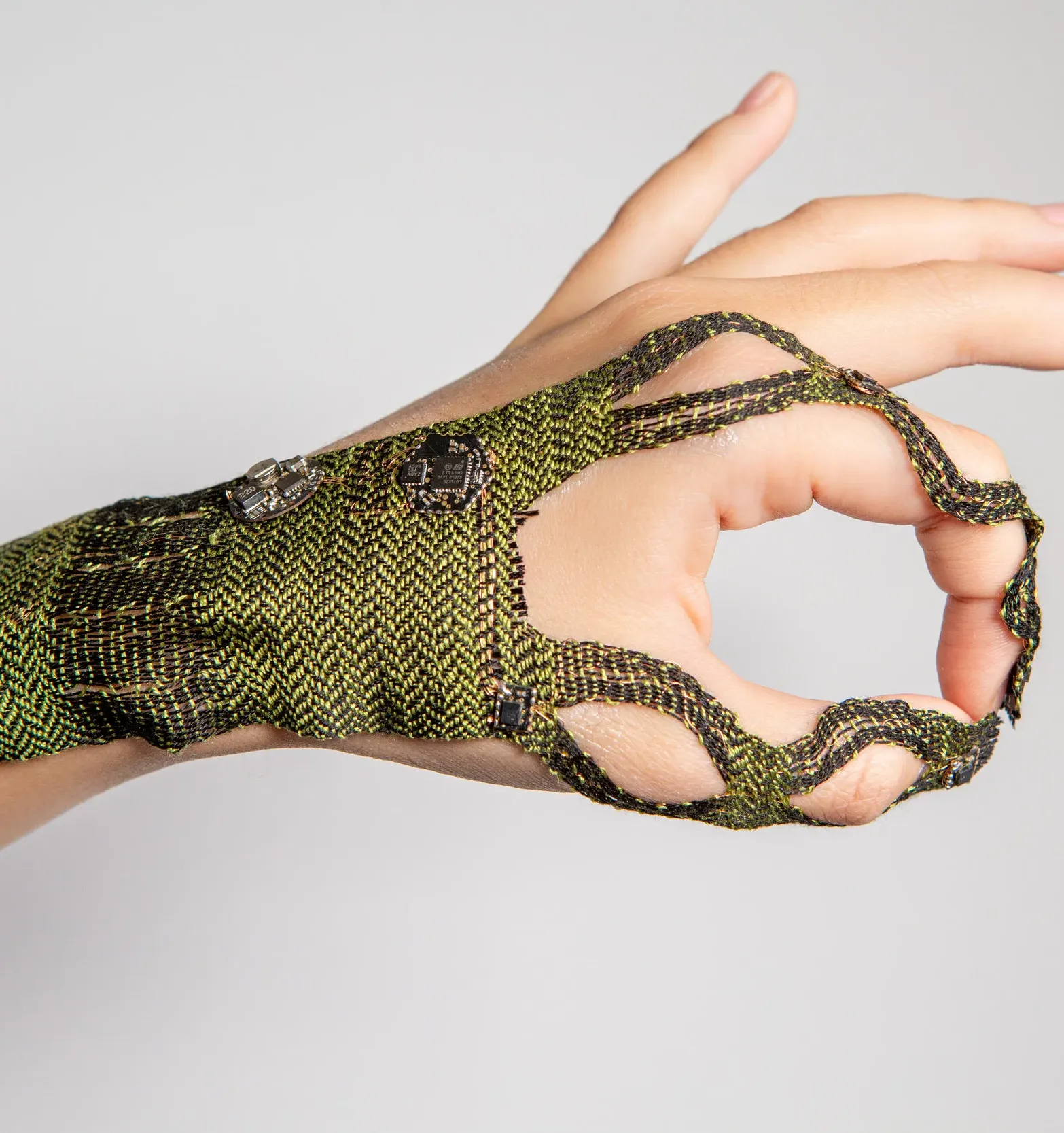
Designing Hybrid Skins: An Exhibition by the Hybrid Body Lab Opening and Live Demo
The Hybrid Body Lab is dedicated to developing Hybrid Skins—culturally inspired, flexible interfaces that enhance the human experience. This exhibition brings together selected works from the lab spanning 2019 to 2026, alongside projects created through the Hybrid Body Lab Artist Residency.
Bridging engineering, design, and community-engaged research, the lab explores how these intimate technologies can reflect—rather than constrain—the complexity, diversity, and expressiveness of human life.
The exhibit is in the Jill Stuart Gallery in the Human
- Apr 27 ,2026Apr 28 ,2026Apr 29 ,2026Apr 30 ,2026May 1 ,2026May 4 ,2026May 5 ,2026May 6 ,2026May 7 ,2026May 8 ,2026May 11 ,2026May 12 ,2026May 13 ,2026May 14 ,2026May 15 ,2026
- by So-Yeon Yoon
- Human Centered Design
- Martha Van Rensselaer Hall, 1250 Gallery
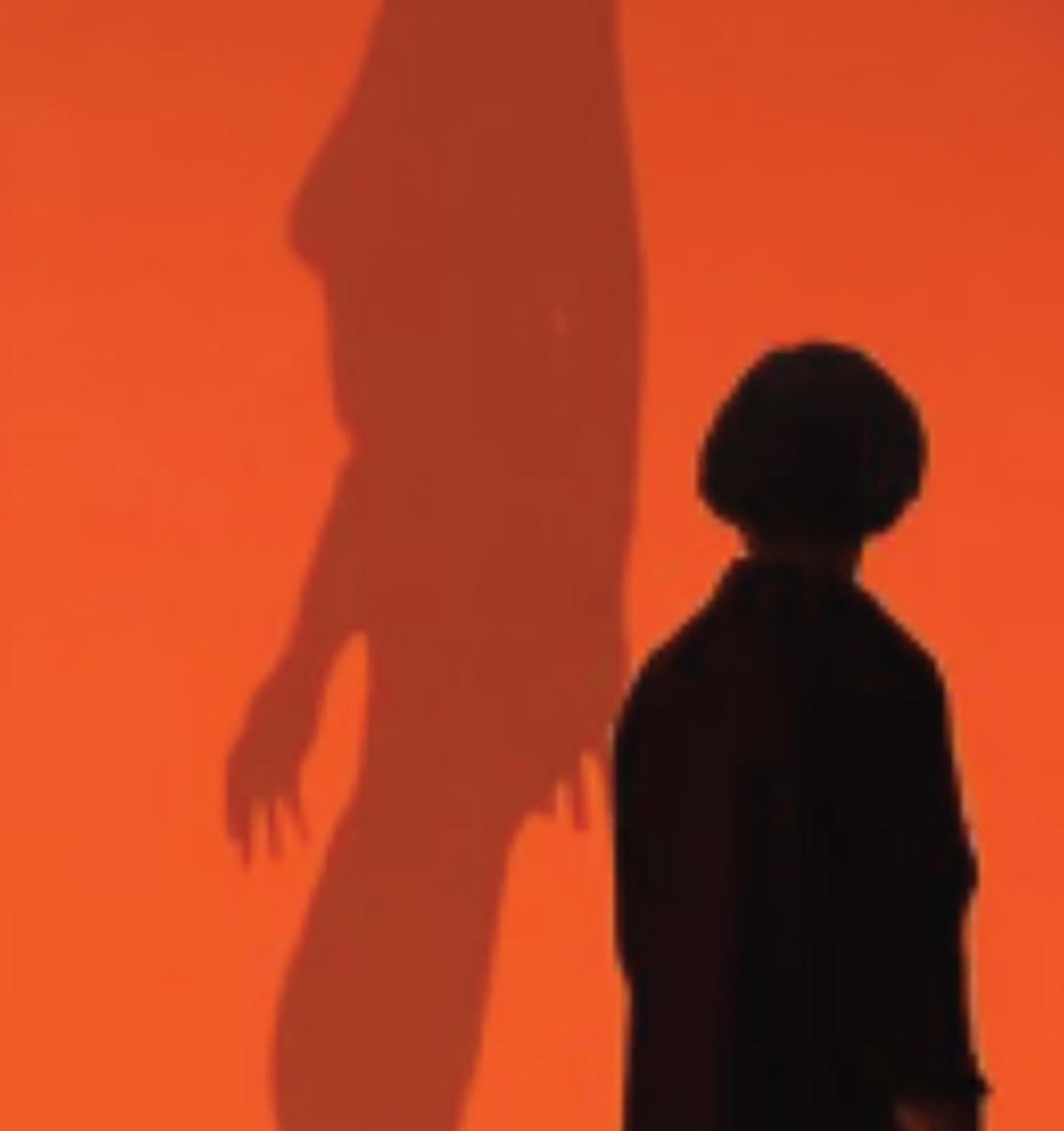
Personhood (2026)
As high-fidelity AI agents increasingly populate our digital lives through generative avatars, synthetic voices, and algorithmic personalities, we find ourselves coexisting with digital entities that mimic us, without fully being us. Personhood (2026) asks: what does it mean to be human in spaces we now share with simulations of humanity?
Personhood (2026) relies on state-based branching animation trees formed via AI animations that interpolate strategically between pivotal keyframes. At every given moment, the artwork “decides”
- Apr 29 ,2026
- Human Centered Design
- Human Ecology Building T49 and Zoom.
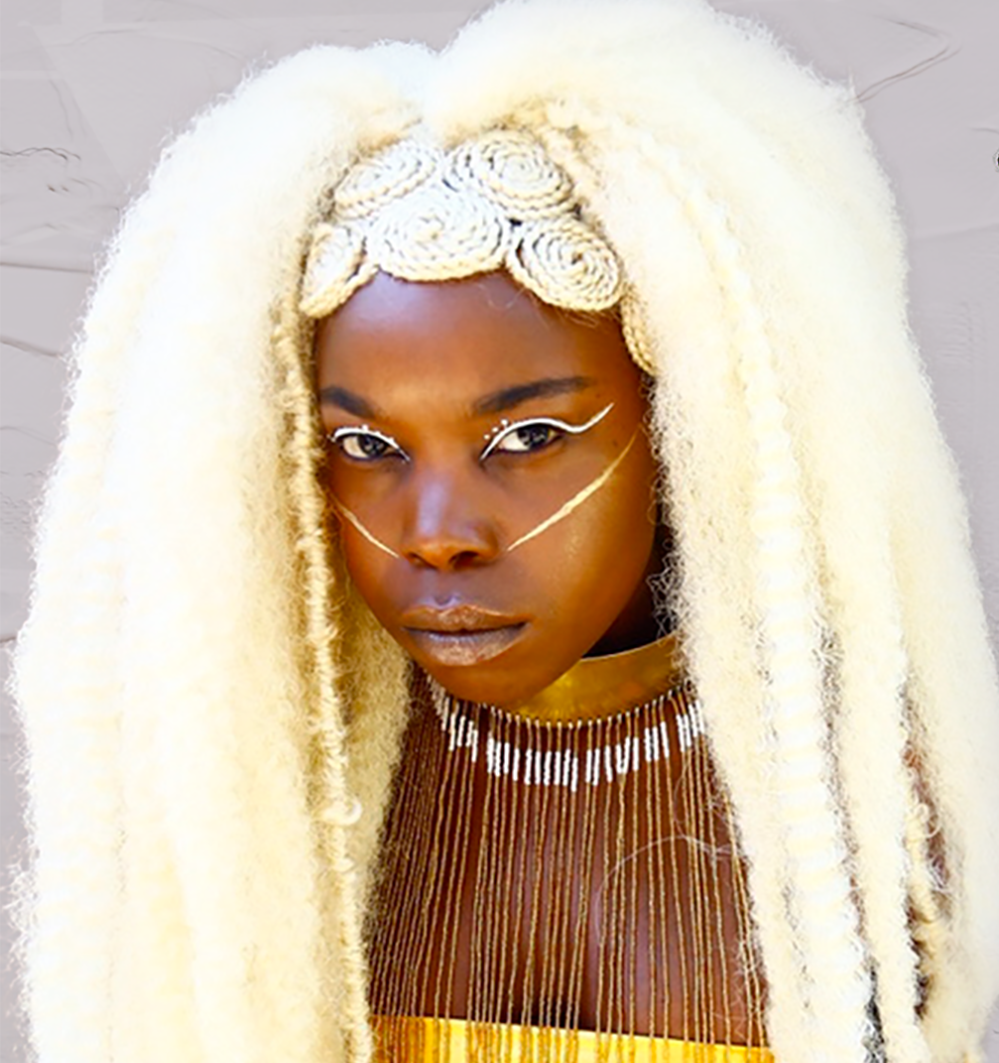
Hybrid Body Lab Artist Talk by Lauren Hooks
Join the Hybrid Body Lab for an artist talk with artist Lauren Hooks. Specializing in artistic braiding and editorial styling, she merges technical skill with cultural storytelling. She will share about her artwork series titled “A.I. Ancestral Intelligence” created during the Hybrid Body Lab Artist Residency.
- May 28 ,2026
- by Lynandrea Mejia
- Bronfenbrenner Center for Translational Research, Cornell University Cooperative Extension - NYC, Cornell Cooperative Extension
- 570 Lexington Ave., 12th Floor, New York, NY or on Zoom
The Meaning of Extension: Cornell's Work in New York City
Part of the BCTR's Talks at Twelve series.
What does it mean to extend a university into the largest, most complex city in the country?
Cornell University Cooperative Extension—New York City (CUCE-NYC) has been answering that question for more than 60 years. Working across all five boroughs, CUCE-NYC translates Cornell’s research into practical programs that reach more than 30,000 New Yorkers each year—in nutrition and health, family and youth development, and STEM and urban agriculture
- Jun 29 — 30 ,2026
- by Lynandrea Mejia
- Bronfenbrenner Center for Translational Research
- Martha Van Rensselaer Hall
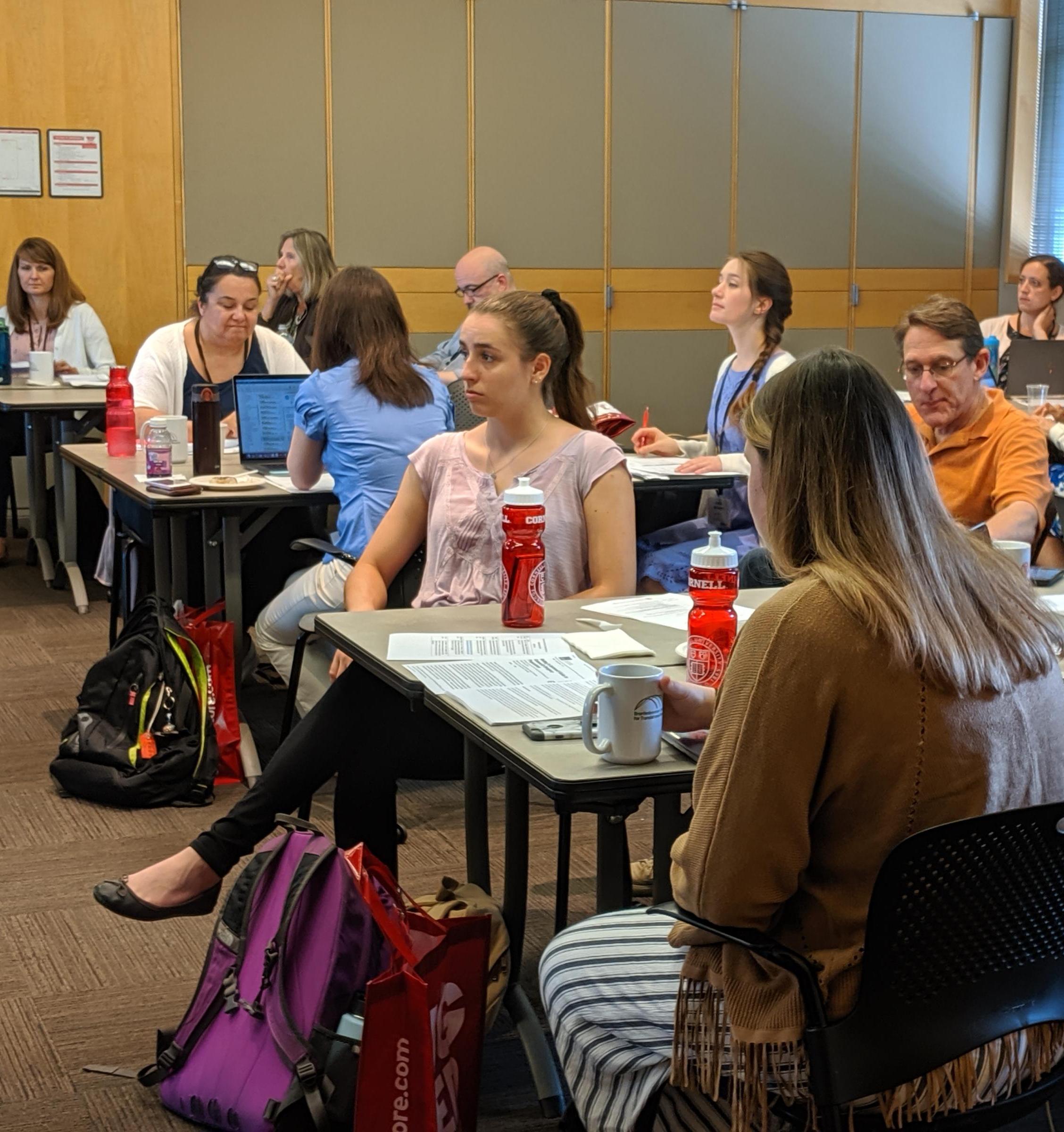
Cornell Translational Research Summer Institute
CTRSI offers you intensive training, discussion and reflection on conducting research in community settings. Join us to learn how to conduct research through community partnerships that will inform policy, practice and decisions.
- May 20 ,2026
- by Karen Steffy
- Human Centered Design
- MVR 1250 Gallery
Fashion Futures exhibit
Entrepreneurial concepts created by seniors in FSAD 4444:
Griply, engineered to eliminate bag slip
After Dark, safety jacket
Aevum, beauty consultancy
SIPS, sustainable, insulated, personalized sleeves
FabLamp, sustainable lamp kits
Ankle-foot Orthosis for Multiple Sclerosis patient
The Fourcast, all-season golf jacket
Tailr, customizable shirt kits