- Apr 10 ,2026
- by Karen Steffy
- Human Centered Design
- Zoom. Passcode: 898107.
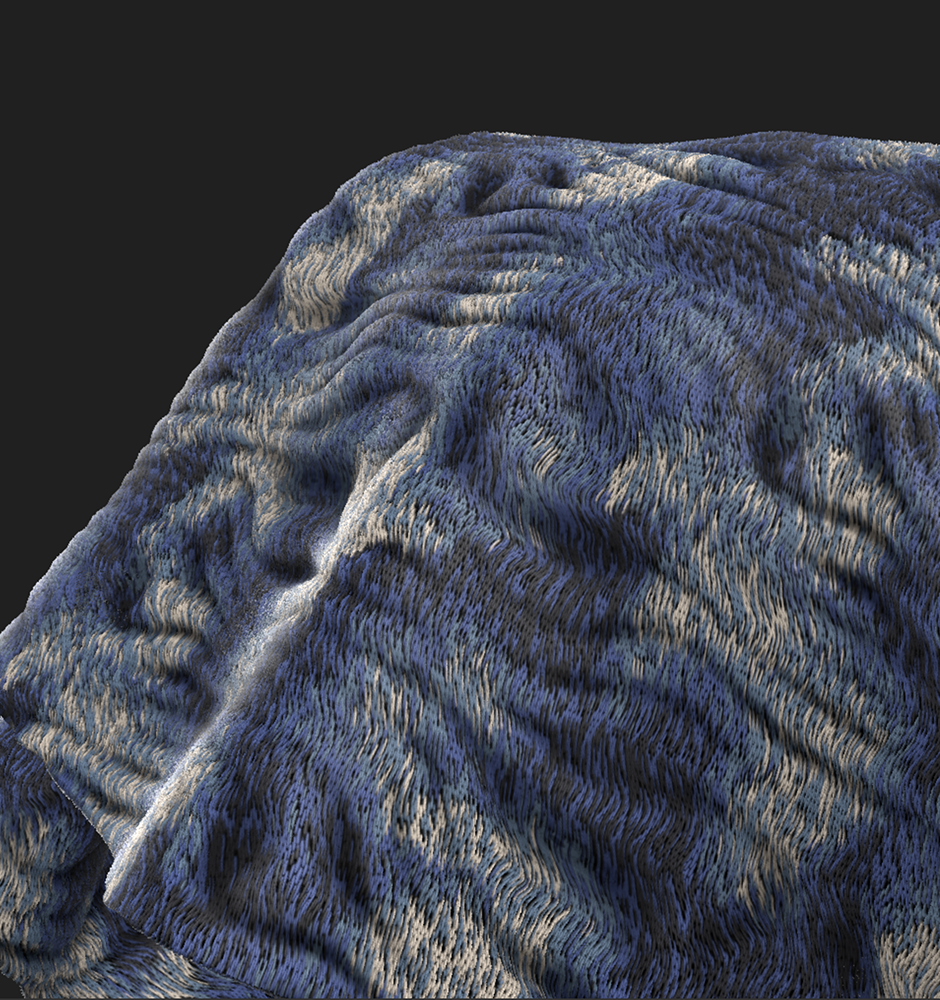
Nanofiber Nonwovens: Bridging High-Performance Material Science with Societal Transformation
Nanofibers represent a transformative class of materials whose tunable architectures are redefining the capabilities of nonwoven systems. By precisely engineering the high surface area and controlled porosity inherent in these fibrous mats, we can unlock multifunctional performance across healthcare, energy storage, and environmental remediation. This lecture explores the synthesis–structure–property relationships that govern nonwoven nanofiber performance, with a particular emphasis on bridging the gap between laboratory discovery and industrial-scale manufacturing. We will delve into the advances
- Apr 16 ,2026
- Cornell Human Ecology
- MVR Hall 1102
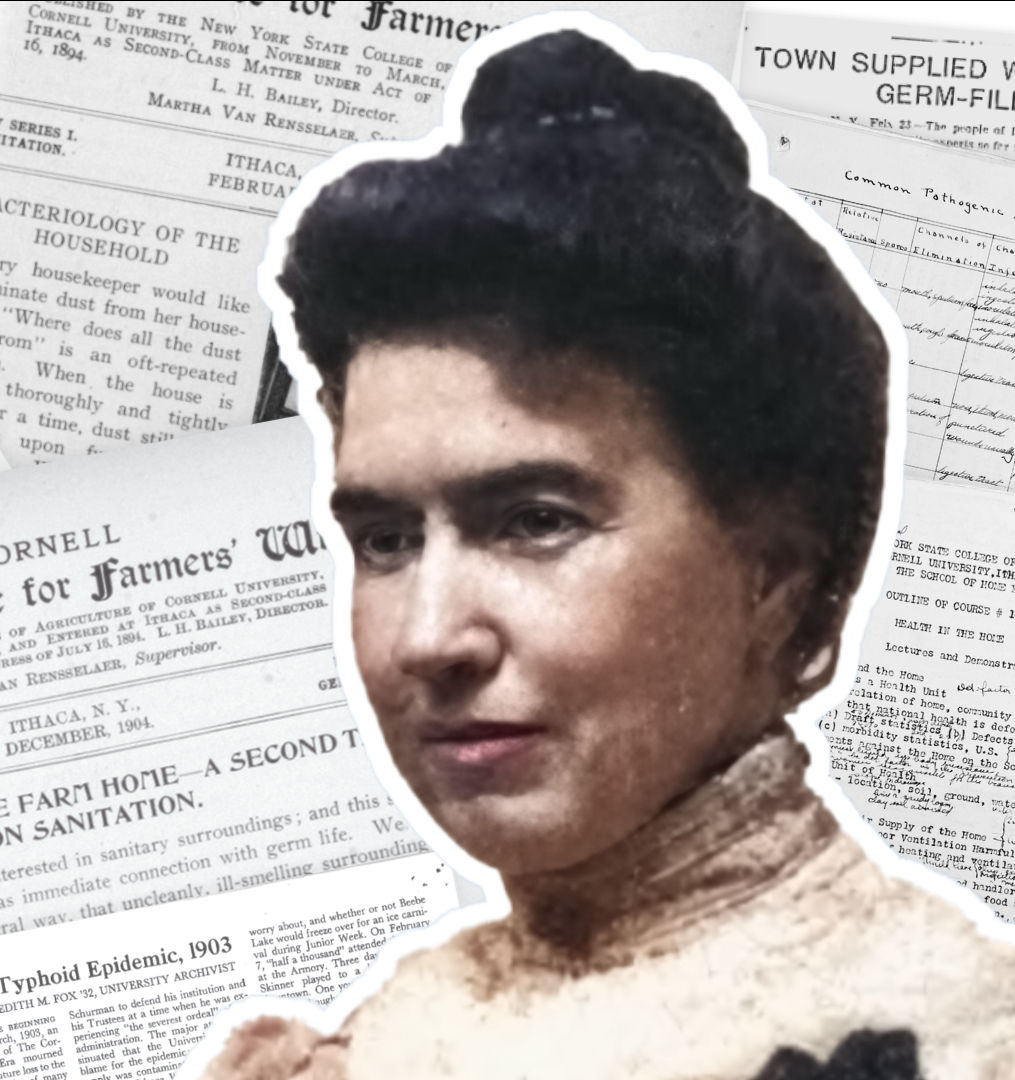
The Sanitation Bulletins
A forgotten chapter in the College of Human Ecology’s public health legacy
What did public health outreach look like before vaccines and antibiotics? Between 1900 and 1920, faculty in Cornell's Department of Home Economics developed an ambitious answer: science-based sanitation bulletins designed to bring practical disease prevention methods directly into the homes of rural New York families. Tara Pearson, PhD student in Human Behavior and Design (Design and Environmental Analysis) and 2025 recipient of the
- Apr 9 ,2026
- by Hannah E. Bailey
- Human Centered Design, Cornell Human Ecology
- MVR G151
The Kay Obendorf Lecture with Founder and co-CEO of Another Tomorrow, Vanessa Barboni Hallik
The Kay Obendorf Lecture welcomes Founder and co-CEO of Another Tomorrow, Vanessa Barboni Hallik, a leading voice on regenerative fashion and building a sustainable luxury brand. The Kay Obendorf Lecture brings fashion industry experts to campus to share their experiences as both artists and entrepreneurs. With a focus on educating students and strengthening industry partnerships, this interactive event encourages students to envision themselves as the next generation of fashion entrepreneurs.
This lecture is generously sponsored

- Apr 17 ,2026
- by Karen Steffy
- Human Centered Design
- Zoom.
Social and environmental responsibility in fashion education, research and practice
My work in ethical fashion is predominately at the intersection of writing, education and advisement, and most of the time what I talk about with students, brands and other academic institutions, are the various impacts of fashions value chain on people and planet. My work extends beyond environmental impacts, to prioritise ethics, reflecting on the cultural and social Zeitgeist and the responses from an industry struggling in the midst of rapidly shifting global values and

- Apr 15 ,2026
- by Janet Loebach
- Human Centered Design
- Martha Van Rensselaer 1157 and via Zoom.
Aging Playfully: Reimagining Later Life
Maxwell Hartt, PhD, RPP, MCIP is the Director of the Population and Place Research Lab and an Associate Professor in the Department of Geography and Planning at Queen's University, Canada. He is currently a Fulbright Research Chair at Vanderbilt University and a Craig Dobbin scholar at University College Dublin. Dr. Hartt's research focuses on the geographies and policy implications of population change. His latest book, Aging Playfully, argues that play is an underappreciated, under-researched, and

- Mar 25 ,2026Mar 26 ,2026Mar 27 ,2026Mar 30 ,2026Mar 31 ,2026Apr 1 ,2026Apr 2 ,2026Apr 3 ,2026Apr 6 ,2026Apr 7 ,2026Apr 8 ,2026Apr 9 ,2026Apr 10 ,2026Apr 13 ,2026Apr 14 ,2026Apr 15 ,2026Apr 16 ,2026Apr 17 ,2026
- by Karen Steffy
- Human Centered Design, Cornell Human Ecology
- MVR 1250 Gallery
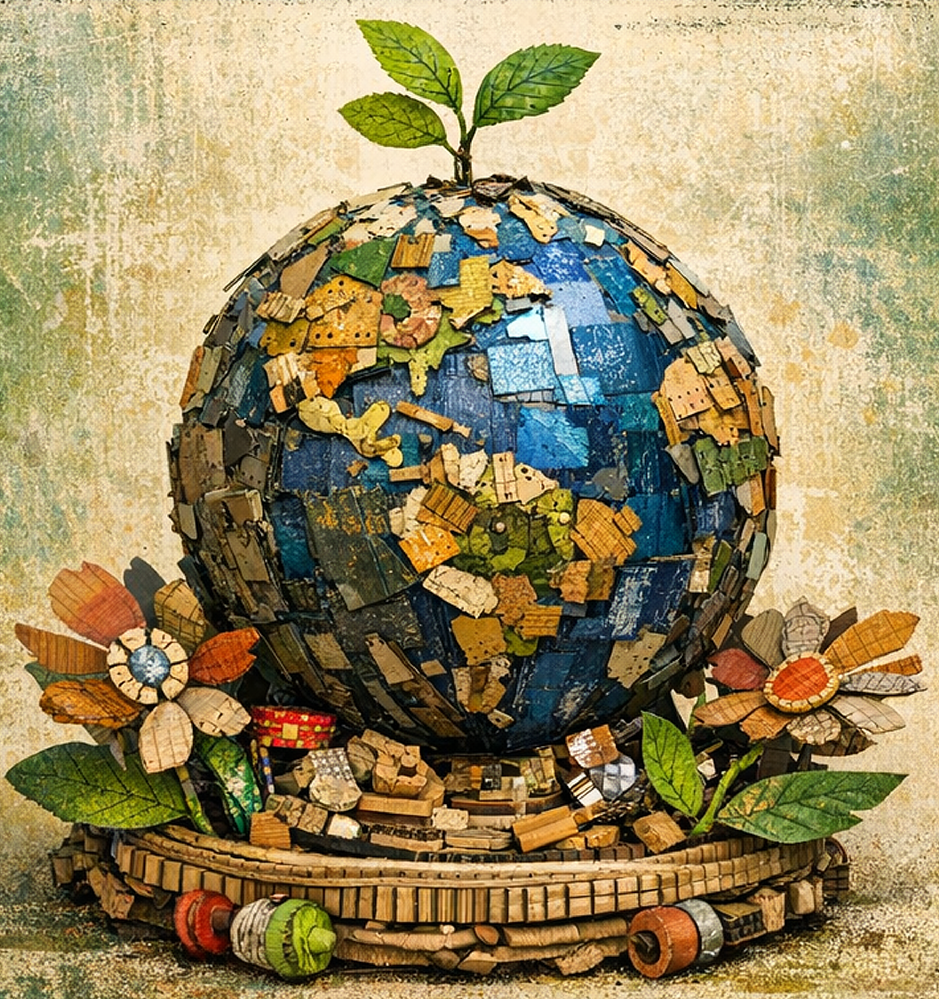
Re-Imagine: Sustainable Art & Objects
Re-Imagine: Sustainable Art & Objects features work by the Cornell Community and local artists. The exhibit is curated by the College of Human Ecology’s Green Team.
- Apr 24 ,2026
- by Karen Steffy
- Human Centered Design
- Human Ecology Building T01
In X, in Y, in Z, in time: experiments in weaving
Woven fabrics derive their physical properties, and their potential uses, from the materials they’re made of and the structures in which they’re interlaced together. Operating within this binary – ingredients and recipe, “what” and “how” – we can radically change how a fabric looks, feels and behaves. Weaving, at its core an additive manufacturing process, has much in common with other fabrication methods: it’s receptive to many material inputs, capable of computer-controlled precision and yields