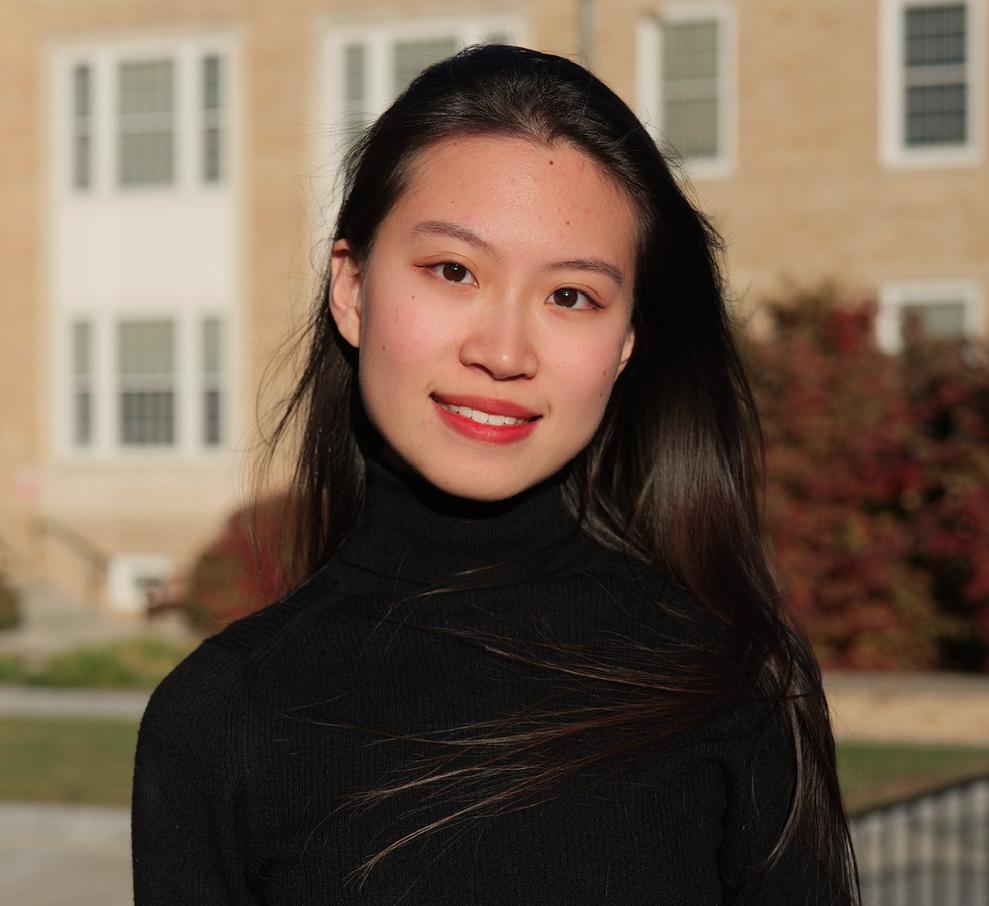
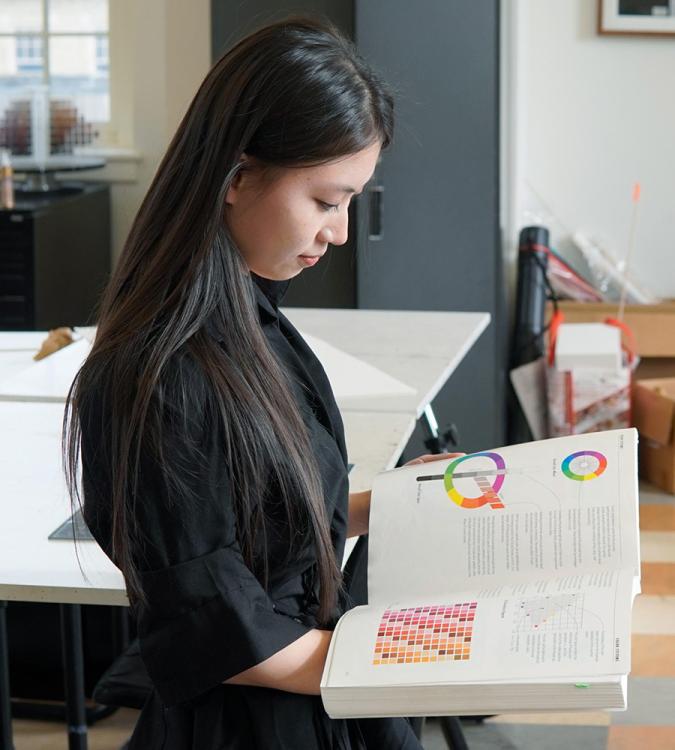
When Jiayi Guo enrolled in Introduction to Environmental Psychology in her first semester, she had no idea the course would shape both her undergraduate experience and her post-graduate ambitions. 

“I was super interested in the class, and I knew that I wanted to explore research a little bit,” said Guo, a design and environmental analysis major. “So I emailed the professor and asked is there any way I could get involved?” 

The professor — Gary Evans, the Elizabeth Lee Vincent Professor of Human Centered Design and Psychology — invited her to help with his project examining what children know about climate change, at what age they understand it, and how they feel about it.

With a passion for sustainability, Guo eagerly joined the research team. That single email sparked a four-year research journey that expanded the project internationally, led her to global conferences, and culminated in a senior honors thesis. 

Shortly after starting, Guo asked Evans if she could broaden the study with a cross-cultural component. As a Chinese student, she was curious what children in her home country understood about climate change and knew that Chinese youth are an understudied population.

“You have to imagine the concerns I have if an undergraduate student approaches me asking to do research in another country, especially a country that is sometimes unwelcoming to researchers,” said Evans. “But of all the people that I can think of that can pull this off, it’s Jiayi.” 

Evans provided mentorship and guidance. Guo, a Rawlings Cornell Presidential Research Scholar (RCPRS), recruited and trained other Mandarin speakers to translate materials and together, they interviewed more than 200 children in China — an achievement Evans calls “truly remarkable.”

The study has since expanded to Spain, and Guo and Evans worked through Cornell Cooperative Extension in Oneida County to interview immigrant children from countries like Syria, Bosnia and Ukraine.

Posted on
02/18/2026
Author
Marisa LaFalce
Tags
Social Impact + Justice, Sustainability + Society, Student Life

My dream as a designer is being able to facilitate more of that process, to let creativity shine in all communities.

Jiayi Guo '26
Design and environmental analysis major

At Cornell, opportunities abound

Guo credits Cornell’s rich programs and experiences with shaping her commitment to designing for social and environmental change. 

“One thing I learned at Cornell is to always look at the posters on the walls and read the emails, because opportunities are there,” said Guo, who is also completing the healthy futures minor. “You just have to go get them!”

As a Laidlaw Undergraduate Leadership and Research Program scholar, Guo conducted research on campus and then spent a summer translating that research into action. After her sophomore year, she travelled to Mexico City, where she met Laidlaw scholars from around the globe and worked with a social-environmental consultancy.

“The experience introduced me to the world of grassroots environmental action and community creation at all levels,” said Guo. “We talk about how true social innovation happens when the designer steps back and you let design happen by the people and their communities. My dream as a designer is being able to facilitate more of that process, to let creativity shine in all communities.”

Guo later became a PRYDE scholar, a two-year research experience for juniors and seniors in Cornell Human Ecology. PRYDE scholars work with faculty on community-engaged, youth-focused research; gain hands-on experience in research-practice partnerships; and participate in a four-semester seminar on translational research and positive youth development.

“PRYDE is really cool and I got to learn a lot about positive youth development and translational research,” said Guo. “Translational research is research and practice informing each other at different stages and different levels. It's something that I want to keep doing as either a scholar, a practitioner, or both.”

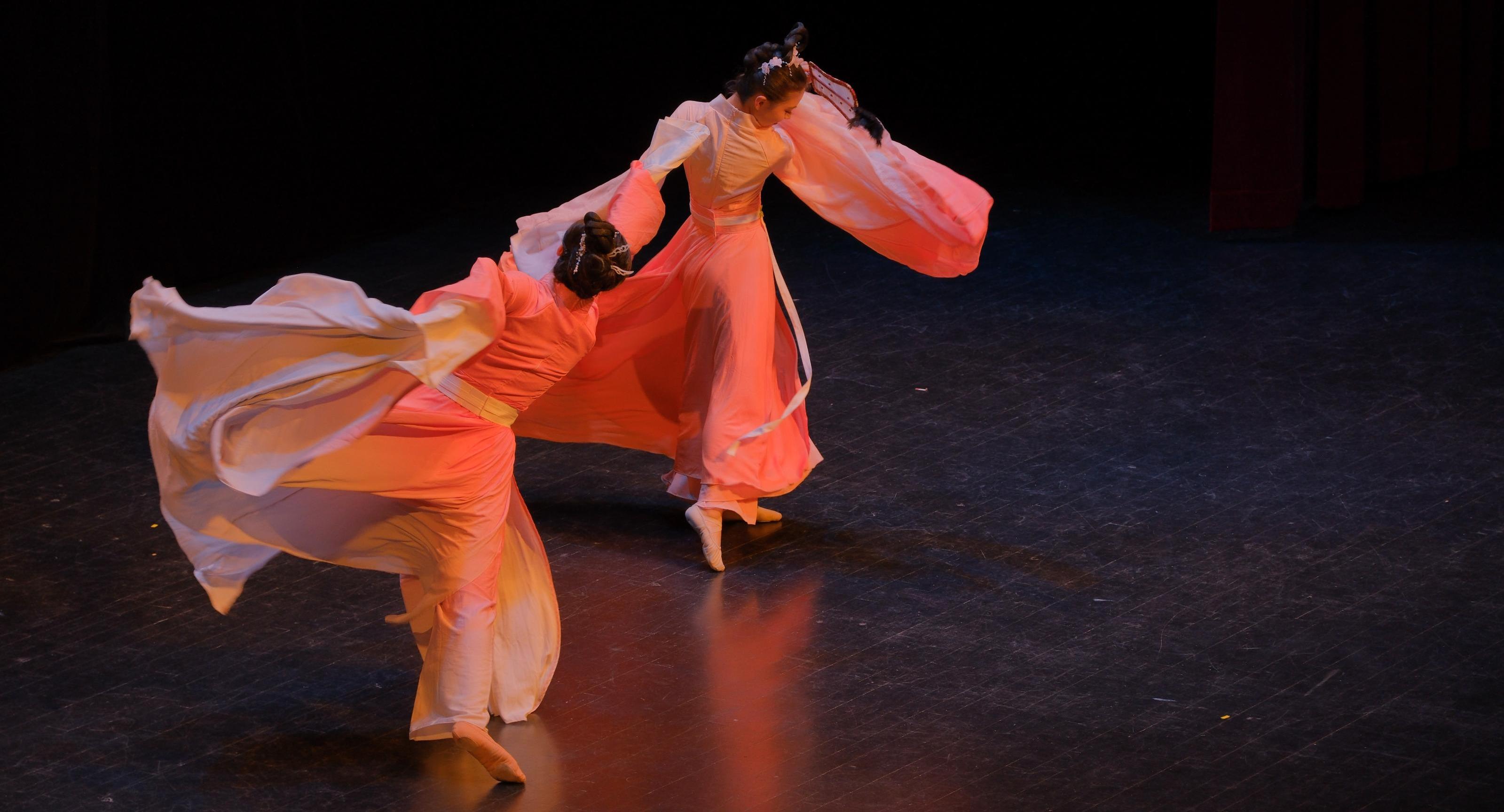
Outside the classroom, Guo is active in Amber Dance Troupe, which celebrates Chinese dance across genres. She has also worked with Sustainable Design at Cornell, an interdisciplinary student team collaborating with faculty to promote sustainability in communities.

Two students dance in flowing peach outfits

Guo (right) performs in the Amber Dance Troupe’s annual showcase. The group highlights traditional forms of Chinese dance. Photo by Ruizeng Wang '26.

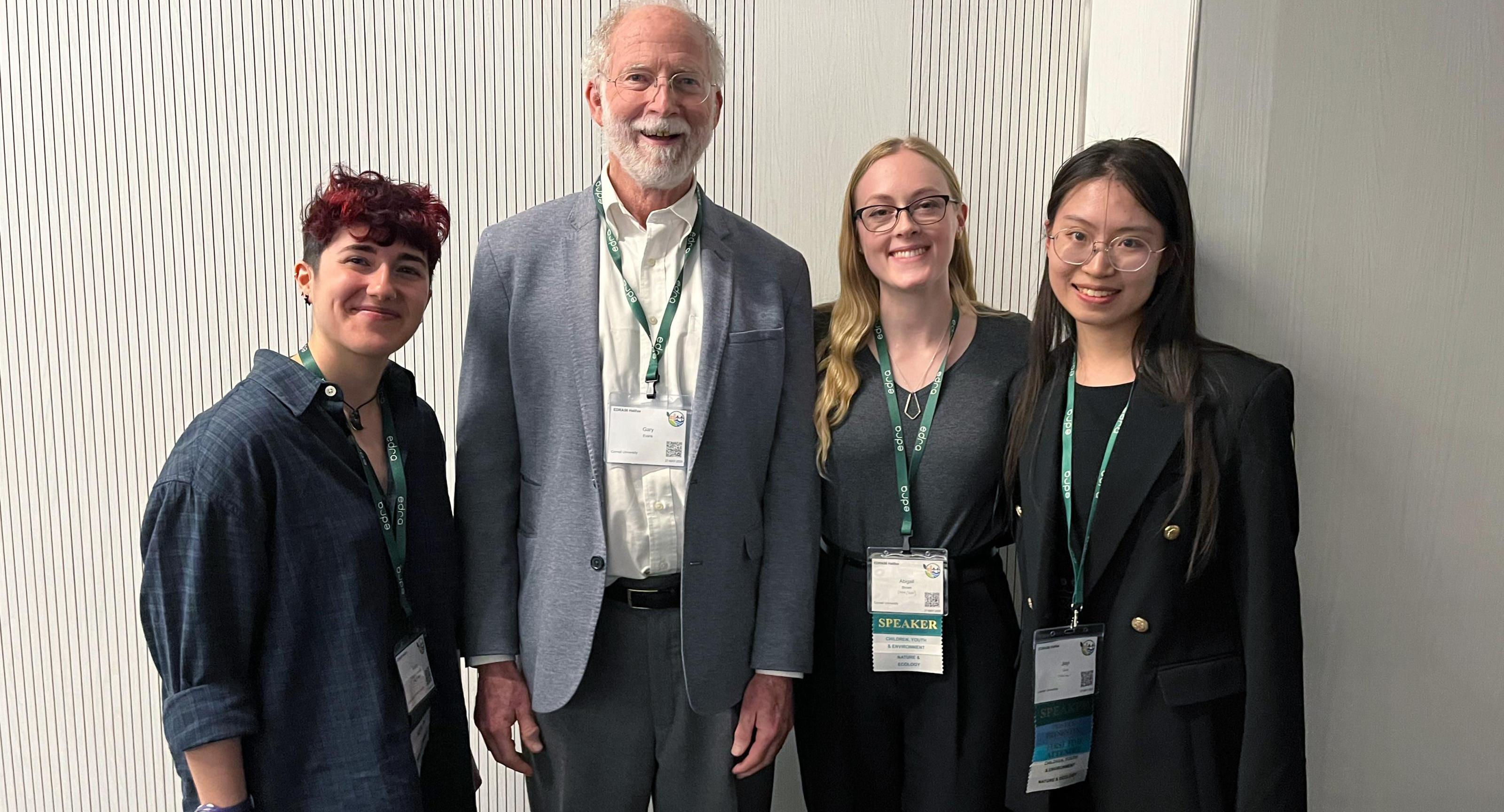
Four people pose together with nametags on

EDRA 56 in Halifax, Nova Scotia with the children and climate change research team. Left to right: Marta Carballo Losada, collaborator leading the research in Spain, Gary Evans, Abigail Brown Ph.D. '25 and Guo. Provided.

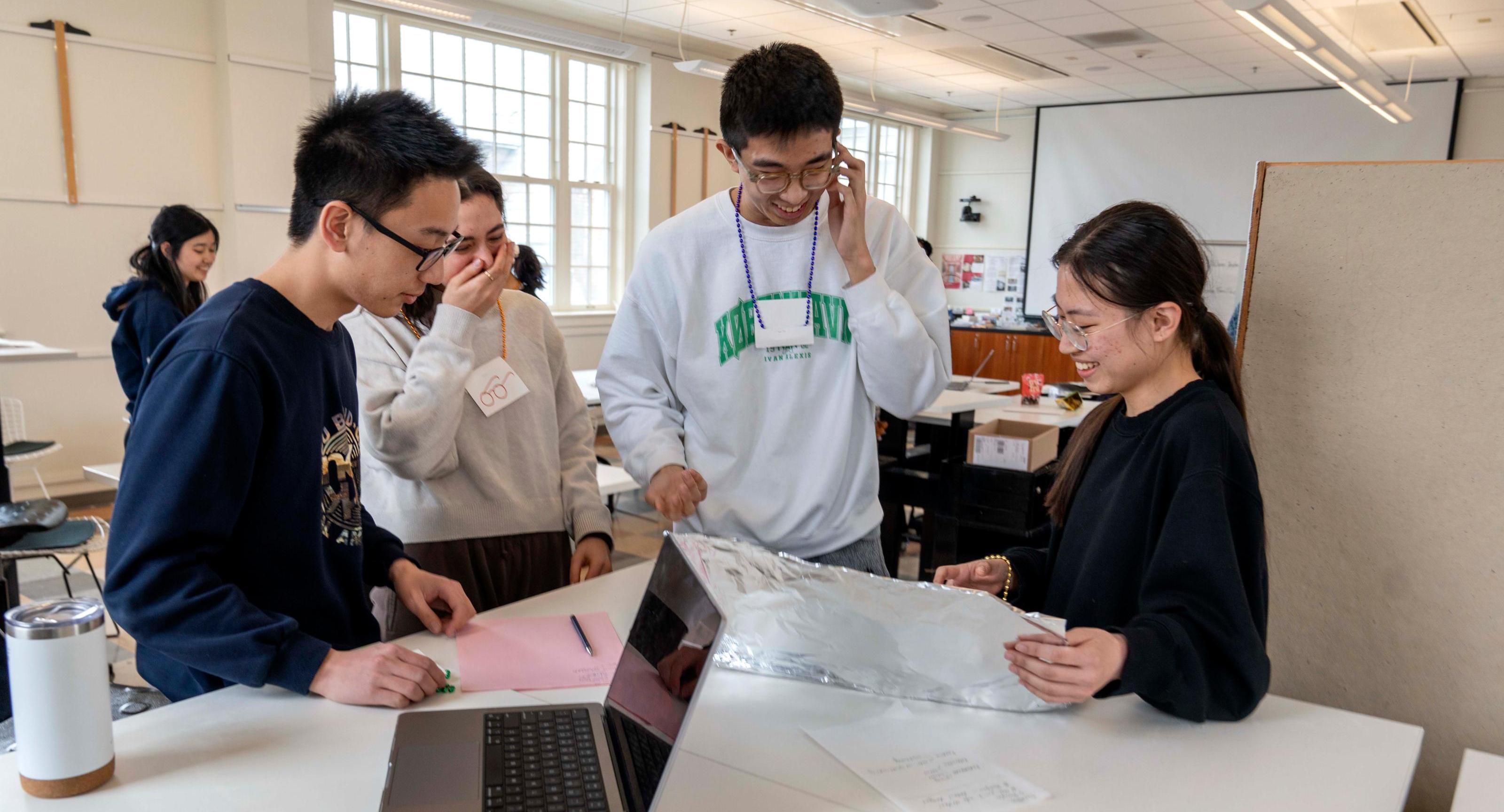
4 students laugh as they work on a design project

Guo (far right) shares a laugh with her teammates in DEA 2203 StudioSHIFT. For their final project, she combined her interests in design and education, collaborating with Cornell administrators to reimagine outdated campus classrooms as dynamic, engaging active‑learning spaces. Photo by Serge Petchenyi.

Using empathy for positive change

Next, Guo hopes to pursue a Ph.D. that combines design and translational research to improve climate education for youth. 

“I believe that by combining design and climate education, we can create effective pedagogies, curriculum and learning experiences for children,” said Guo. “We need more children to understand it but also to feel a sense of agency in addressing climate change.”

While climate change can overwhelm people and lead to paralysis, Guo approaches the topic with determination and empathy. Evans sees this as one of her strengths. 

“She has some fascinating and exciting visions about bringing together design, information technology and education to develop curriculum and experiences for students and teachers,” he said. “It’s a tough topic, but she’s very aware and savvy about the challenges of getting them engaged without feeling defeated.”

Quick questions with Jaiyi Guo ’26

Q. Favorite class and why? 

A. DEA 1500 Introduction to Environmental Psychology because it taught me a new way to look at spaces and how we interact with our environment at every scale. As a designer, I also learned to understand people more deeply and design with intention.

Q. What advice would you give to other CHE students?

A. Always take the opportunity to talk to teachers, students, staff members — anyone you meet. Everyone here has a passion for something, and we share those passions in different ways. Building relationships helps us learn from one another.

Q. Favorite iconic chair in CHE?

A. That’s really hard as a DEA major! I'll go with the Spun Chair; these are the spinning ones upstairs in the fourth floor studio. 

Q. Favorite study spot on campus?

A. The DEA studios on the fourth floor of MVR, especially the ones with big windows.

Q. Favorite outdoor place on campus?

A. The footbridge over Beebe Lake.

Q. Campus activity you’d recommend to others?

A. Amber Dance Troupe’s annual showcase.

Q. Three adjectives that describe DEA:

A. Creative, caring and evidence-based.

Q. Why should prospective students choose CHE?

A. CHE studies the science of human thriving. It's rare to find a college that cares so deeply about both people and the environment. It’s interdisciplinary, with a strong focus on translational research. If you’re passionate about these areas this is the place for you. Plus, from a student experience perspective, everyone here is incredibly kind and genuinely cares about each other and the world.

Jiayi Guo looks at a book about color theory