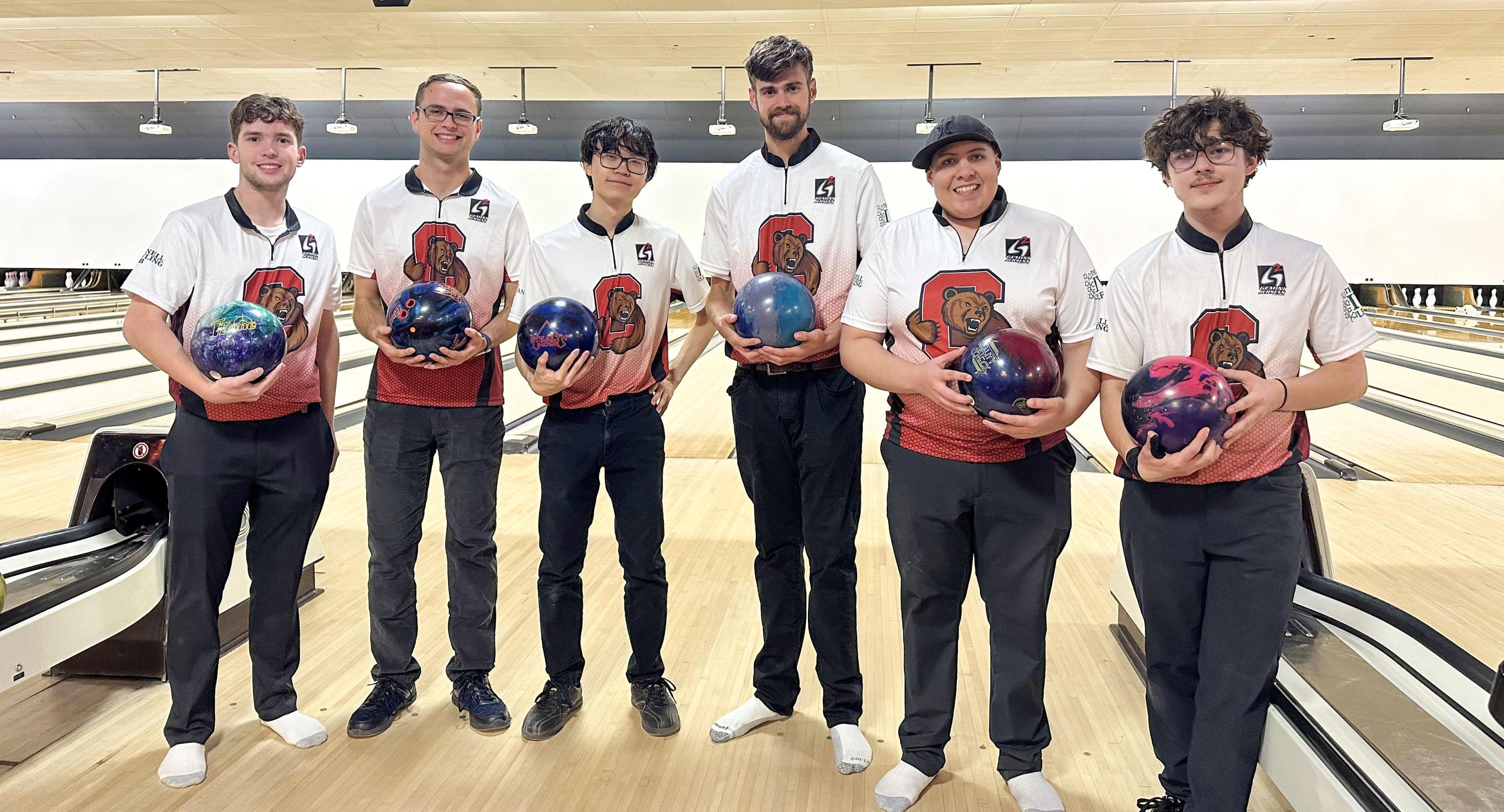
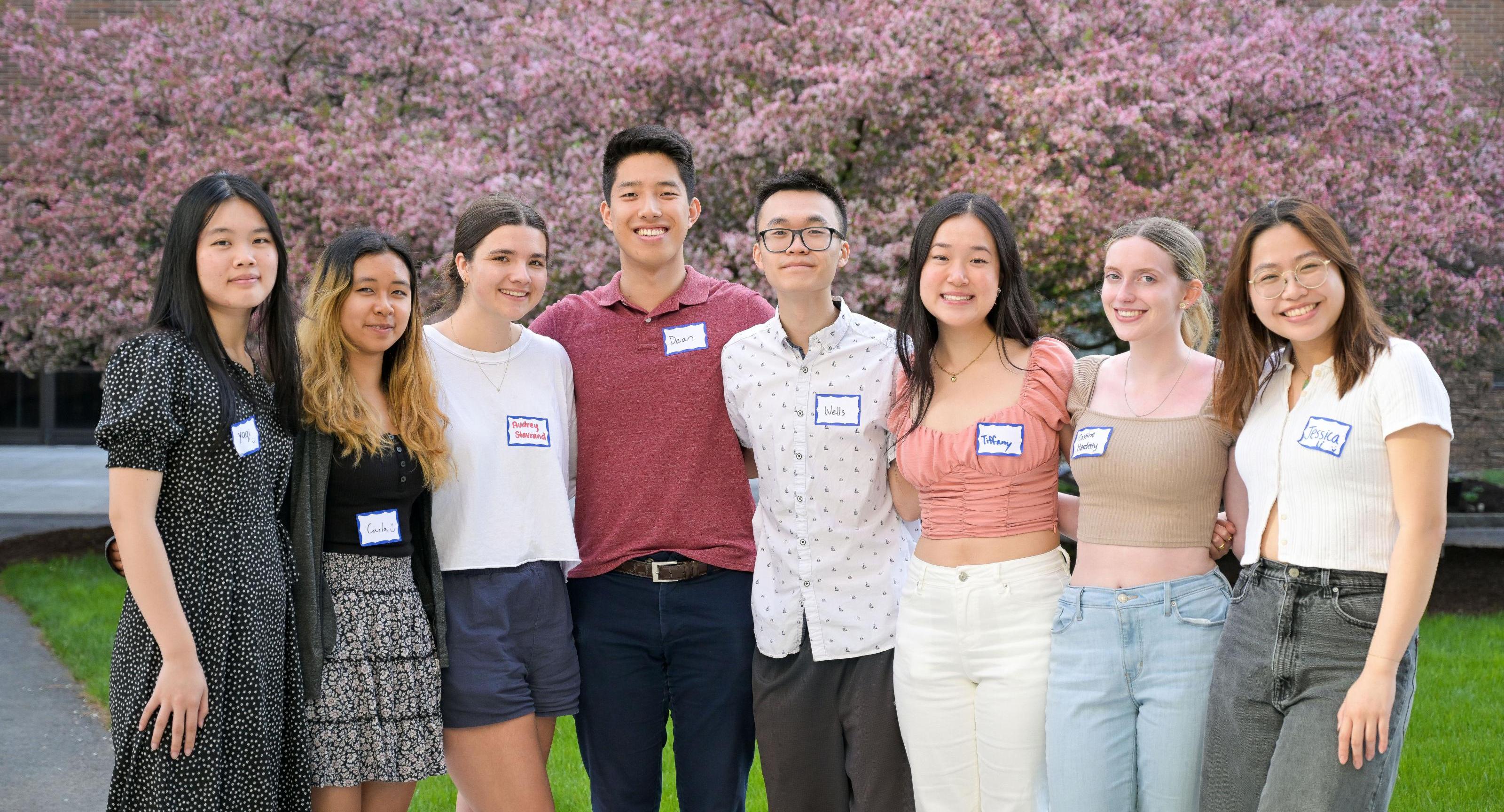
Wells Lee ’26 (third from left) with members of the Cornell Bowling Club. Photo provided.
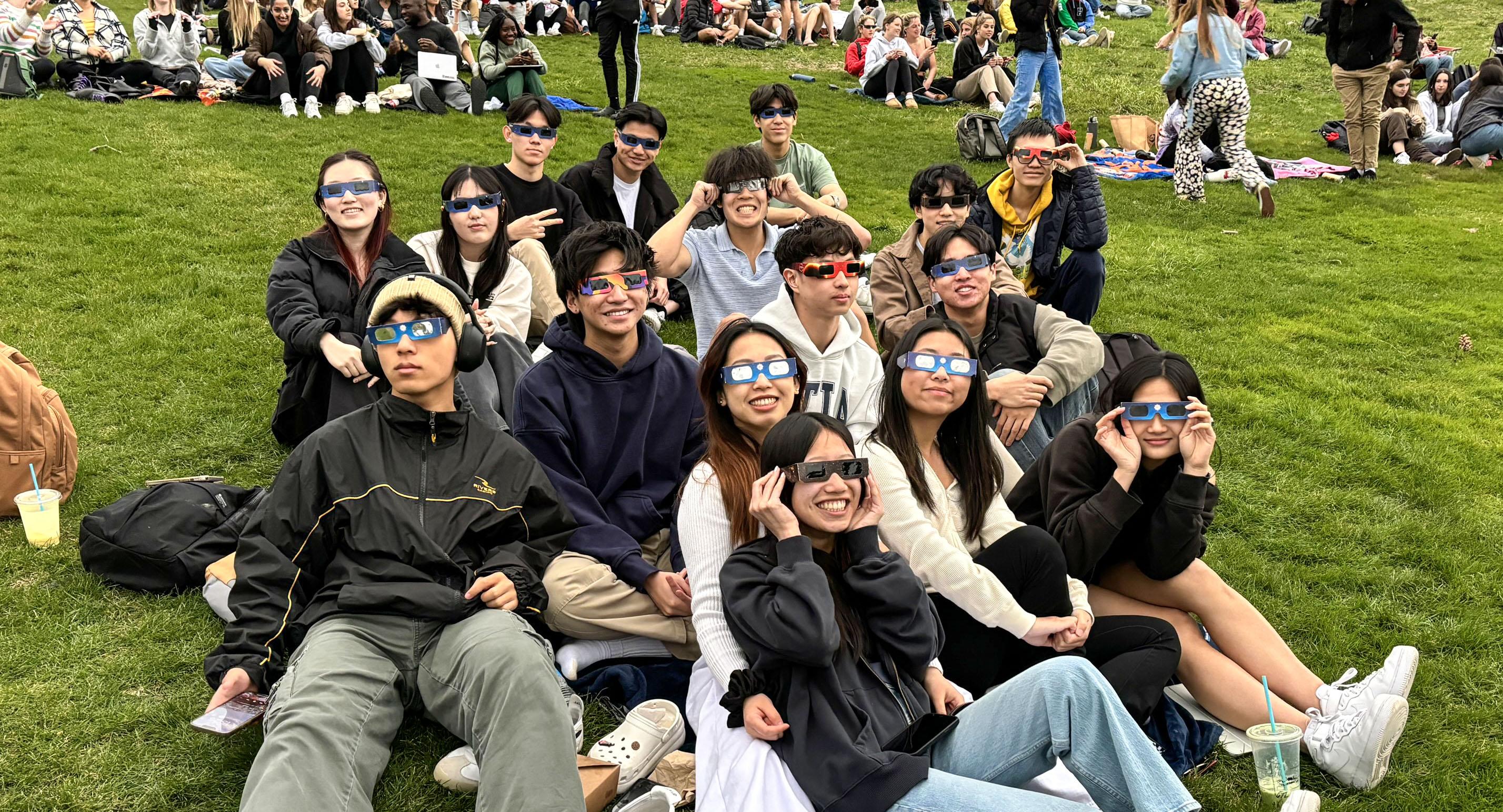
Wells Lee ’26 with friends watching the solar eclipse on Libe Slope. Photo provided.
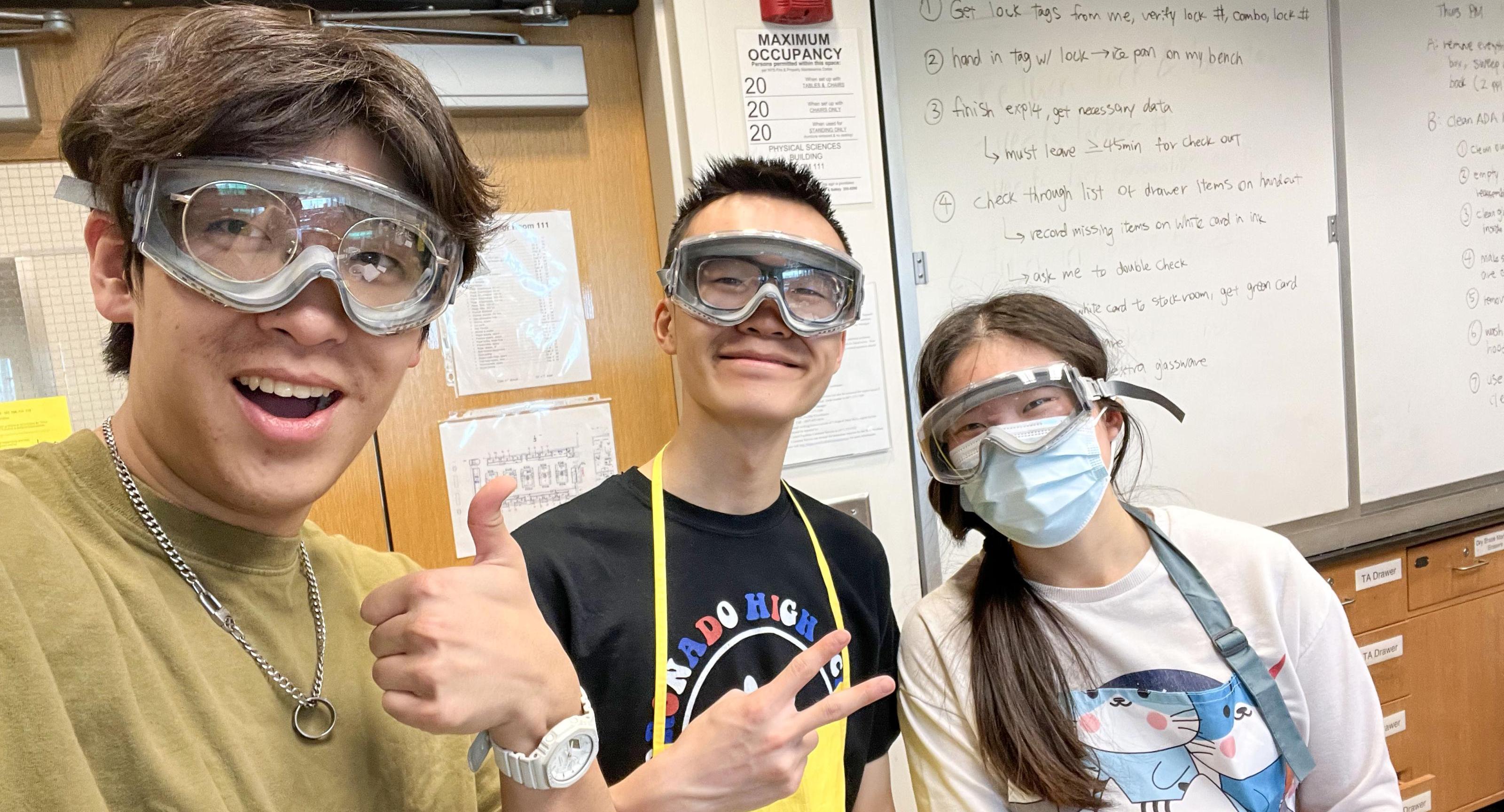
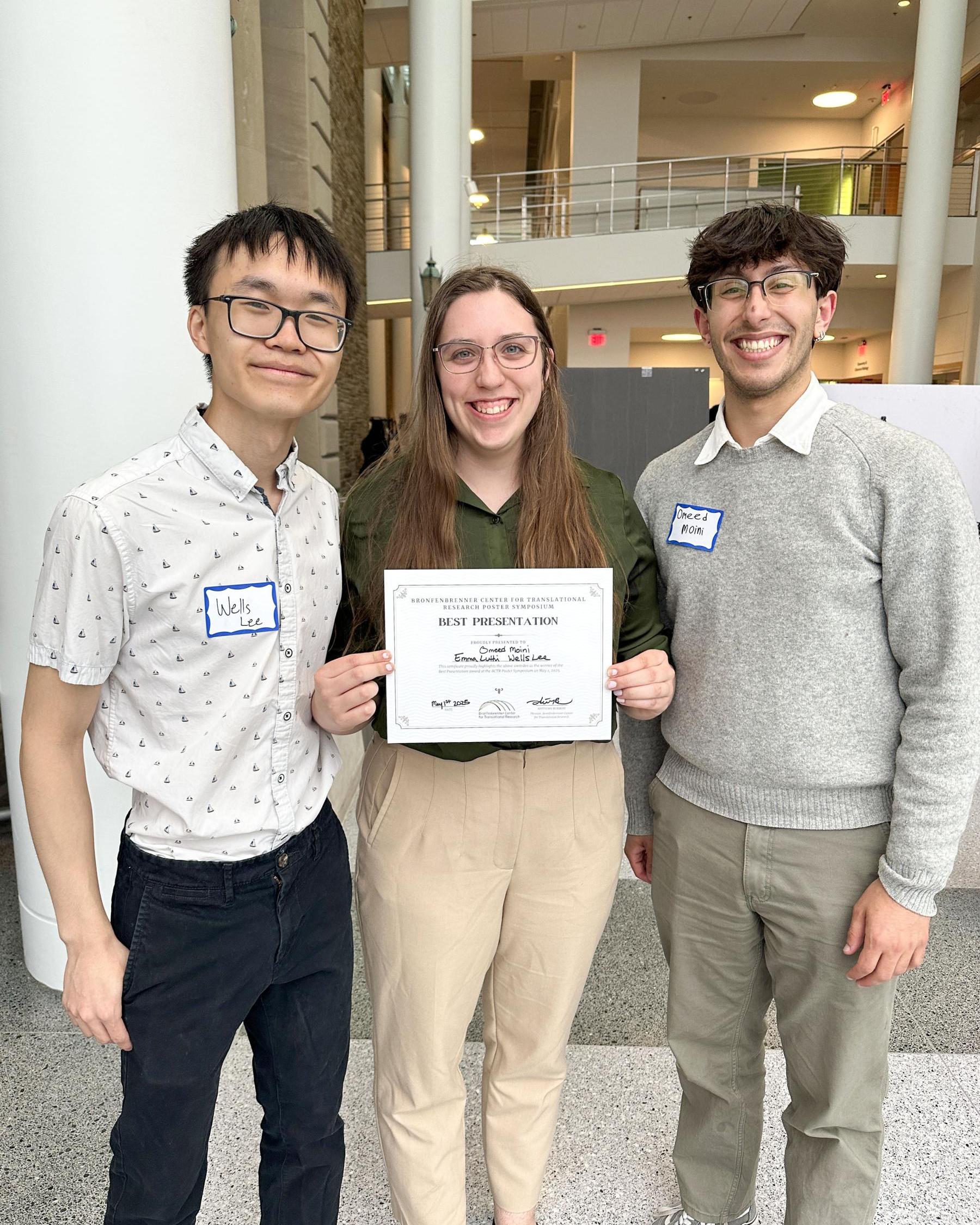
Wells Lee ’26 (middle) with classmates in a lab course. Photo provided.
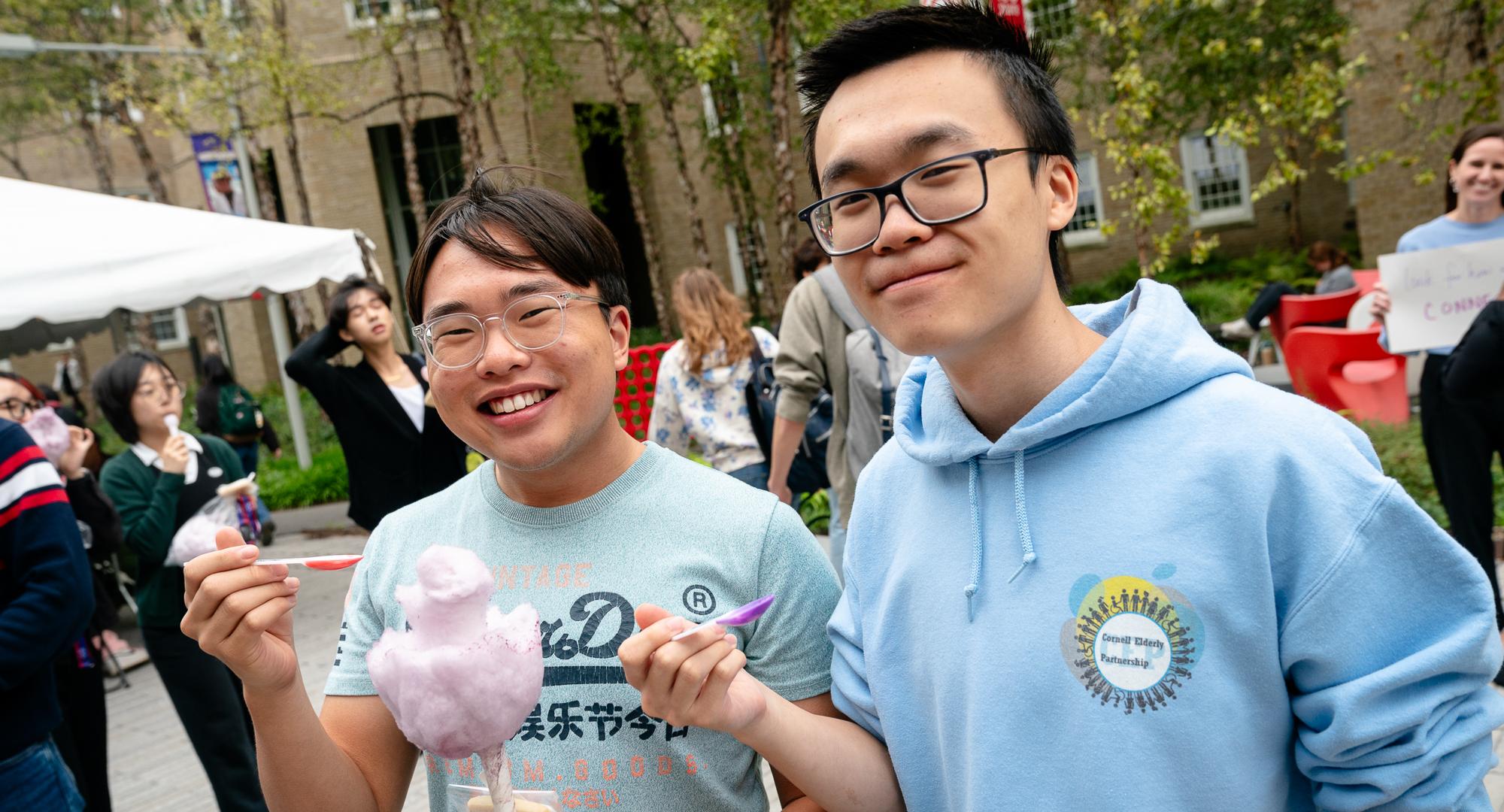
Wells Lee ’26 (right) at the CHE BBQ with a friend. Photo by Casey Martin.
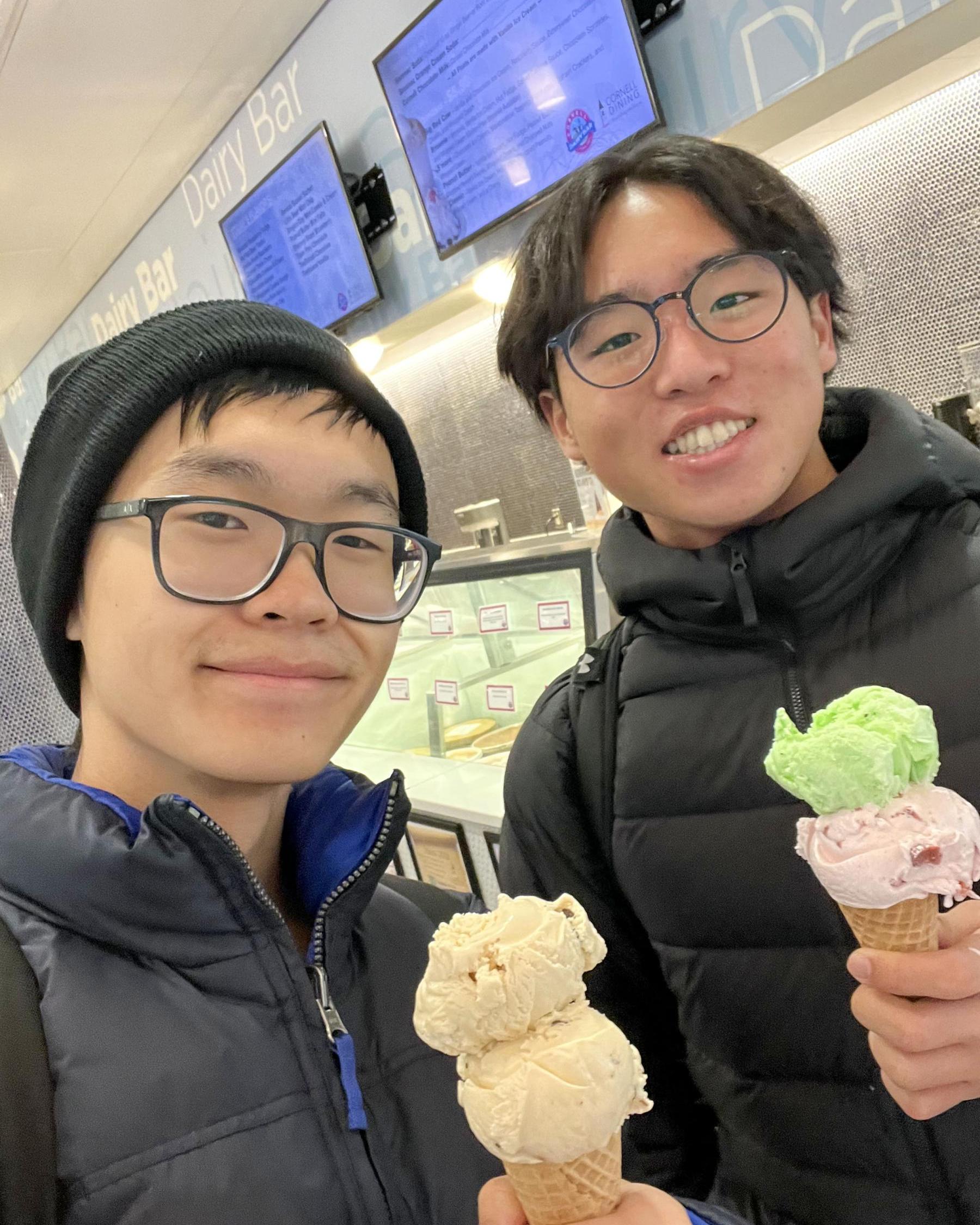
Wells Lee ’26 (fourth from right) with friends. Photo provided.
Understanding care in context
At Human Ecology, Lee found an academic environment that matched how he already thought about health. Through HBHS, he learned to connect the science behind disease with the real-world factors he had seen growing up: how cost, culture and access shape when and how people seek care.
He got involved in research early, joining a dementia caregiving project in the Riffin Lab through the Bronfenbrenner Center for Translational Research. The work focuses on supporting caregivers and developing tools to help them recognize pain symptoms, communicate with physicians and navigate clinical visits. Lee helped caregivers in both Ithaca and New York City learn to use the tools.
“Everyone has a different context going into medicine,” he said. “They have different priorities, different needs. You’re not there to impose – you’re there to help guide.”
He found a similar sense of purpose through the Community Elderly Partnership at Cornell. He volunteered at Beechtree Care Center in Ithaca. As a board member, he helped lead initiatives to reduce social isolation, including a grant-funded effort to provide tablets and train volunteers to help residents use them to connect with family members.
Making a difference in practice
One moment from that work has stayed with him. After helping a resident learn how to use a tablet, Lee guided them through calling a family member they hadn’t been able to reach in years. What began as a simple training session became a moment of reconnection, showing Lee how access to the right tools – and someone to guide you – can make a real difference.
He saw a different side of that impact in his interactions with residents living with dementia. One resident he visited regularly didn’t remember their conversations from one visit to the next, requiring Lee to “be comfortable repeating conversations and adjusting to how they see things.” Over time, though, something shifted. By returning to the same topics, including music, shared interests and familiar details, there were moments where recognition began to surface.
Those experiences reshaped how he thinks about care: not just as a single interaction, but as something built gradually, through patience and consistency.
Carrying it forward
Through his research, work with older adults and leadership on campus, Lee said Human Ecology pushed him to grow in ways he didn’t expect. “The biggest thing I’m proud of is putting myself out there in ways I hadn’t before,” he said. “Being more confident, more willing to reach out, even if there’s a chance of setbacks.”
Now, as he prepares for medical school, he plans to carry that perspective forward: focusing on prevention, empathy and understanding the context behind each patient’s experience, with a growing interest in working with older adult populations.
The call confirming that step came while he was bowling: the same place where he first learned how to push through rejection and keep improving. This time, when he stepped away from the lanes, it wasn’t to practice. It was to take a call that showed just how far he had come, and where his path was leading next.
Quick questions with Wells Lee ’26
Q. What advice would you give to other CHE students?
A: From my time at Cornell, I've learned that it is passion that sparks motivation, motivation that turns into action, and action that draws community and success toward you. And what's so wonderful about CHE is that there are so many different avenues, organizations, and opportunities available for you to do just that. Go and be your own trailblazer!
Q: Favorite outdoor place on campus?
A: I've made a lot of memories on the Slope, but I might have to go against the grain and say Beebe Lake. It's a great place to take a stroll and decompress.
Q: Campus activity you'd recommend to others?
A: Any of the movie screenings throughout the year! They're free to attend, often have snacks, and you can bring your friends.
Q: Three words to describe HBHS?
A: Driven, humble, and uplifting
Q: Why should prospective students choose CHE?
A: CHE encourages you to connect ideas across science, policy, design, and human behavior. Instead of a solitary perspective, we get to see how each piece fits into a larger picture of improving lives. We truly put an emphasis on turning our discoveries into real-world solutions that shape health, communities, and systems - in fact, something that drew me to the college is that our research is deeply translational. Without a doubt, this is a place where you not only learn but collaborate and contribute to meaningful change.