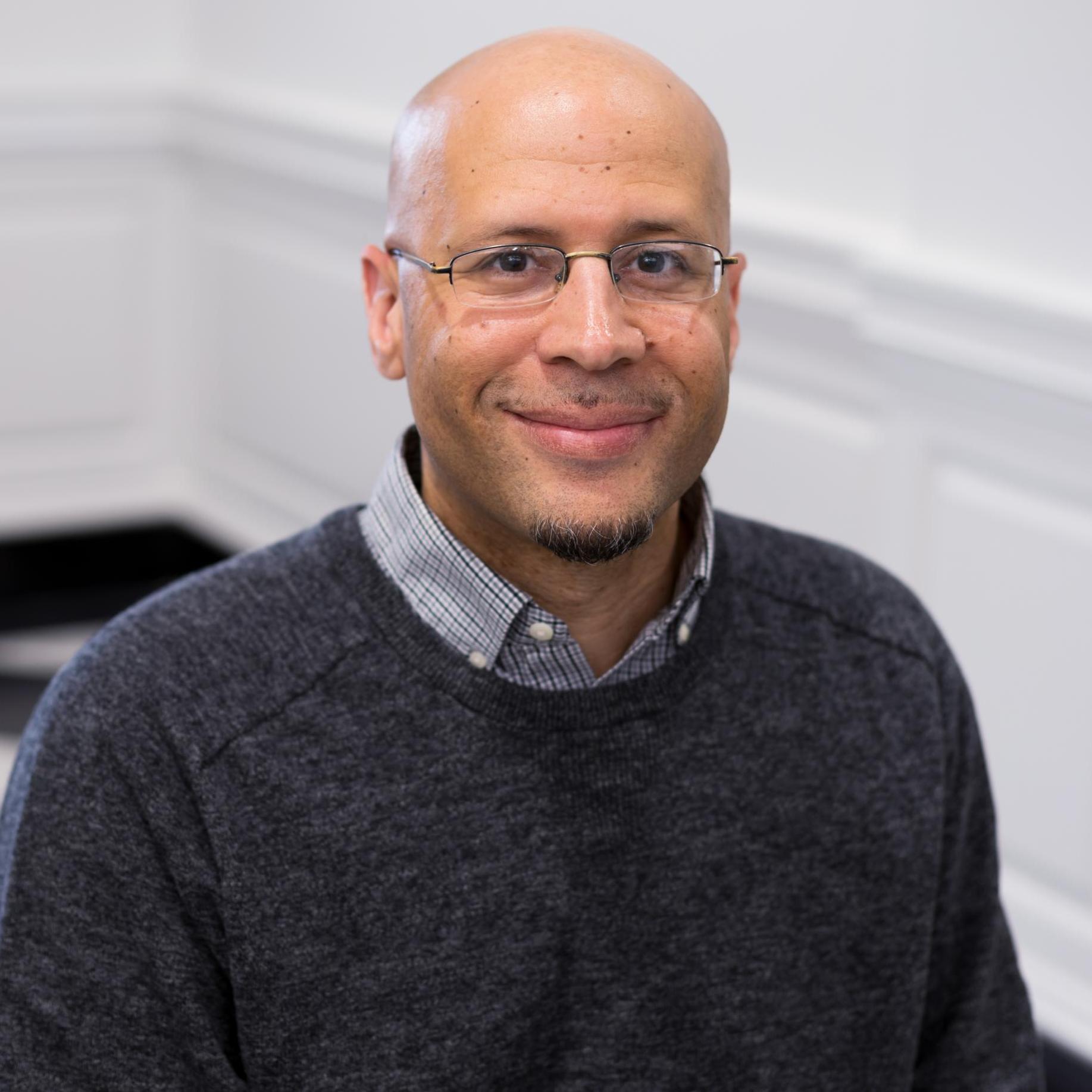
Anthony Ong
Anthony D. Ong is Professor of Psychology and Director of the Human Health Labs at Cornell University and Professor of Gerontology in Medicine at Weill Cornell Medicine. His research examines how social and emotional life unfolds across multiple timescales, integrating perspectives from lifespan psychology, affective science, and behavioral medicine.
- Sep 29, 2025
- by Galib Braschler + Marisa LaFalce
- Student Life
Meet the Cornell Human Ecology Class of 2029
We are excited to welcome 242 new undergraduate students this fall. Coming from California to New Jersey, Pennsylvania to Arizona, Michigan to New York, they bring with them passions for health, human development, design, fashion and more. They're all united by a desire to make a positive impact on people and communities.
We caught up with a few of these students, who are already diving into classes, exploring Ithaca and finding their place at CHE
- May 24, 2023
- Student Life
Class of 2023 reflects on an exceptional four years
On May 27 and 28, nearly 300 Cornell Human Ecology students will receive their bachelor’s degrees and officially become CHE alumni.
The Class of 2023 had an unusual four years – they unexpectedly moved to remote classes in their second semester, and Cornell didn’t fully resume in-person instruction until fall 2022. Still, whether they were on campus, at home, in the workshop, or even in Tanzania or Denmark, students in the Class of 2023 made
- Aug 24, 2026
- by Marisa LaFalce
- Community Engagement, Holistic Human Health, Social Impact + Justice, Sustainability + Society, Technology + Human Thriving, Student Life, CHE in NYC
With internships and research experiences, students turn summer into opportunity
Summer break is an ideal time for students to gain work experience and earn money for college. The challenge? Internships that provide direct work experience are often unpaid or may be located far from home.
Thanks to support from Cornell Human Ecology, students in all eight majors can gain valuable experience, earn a stipend, and give back to the community where they work.
CHE-funded opportunities include:
- BCTR Scholars: a one-year program through the Bronfenbrenner
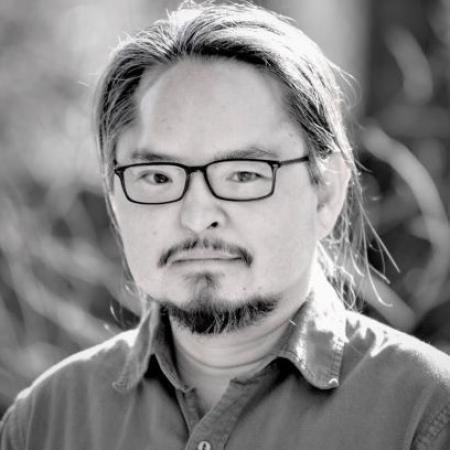
Anthony Burrow
I am a professor in the Department of Psychology, director of the Purpose Science and innovation Exchange and co-founder of Purpose Commons. I received my B.A. in Psychology from the University of North Carolina at Chapel Hill, and my Ph.D. in Developmental Psychology from Florida International University. I completed my postdoctoral training within the Multicultural Research Institute at the University of Notre Dame.
My research follows two paths. The first investigates why having a sense of self-direction – or purpose