Cornell Human Ecology Cornell Human Ecology
  • CHE in NYC
    • Current Students
    • Faculty + Staff
Give
    • What is Human Ecology?
    • Strategic Vision 2030
    • Peek Inside CHE
    • Administration
    • CHE in NYC
    • CHE at 100
    • People Directory
    • News + Profiles
    • Events
    • Academics + Research Overview
    • Majors + Degree Programs
    • Off-Campus Learning
    • Career Outcomes
    • Student Services
    • Research
    • Faculty Directory
    • Departments
    • Centers + Institutes
    • Community-Engaged Learning
    • Student Life
    • Social Impact + Justice
    • Alumni
    • People Directory
    • Community Engagement Overview
    • Community-Engaged Learning
    • Bronfenbrenner Center for Translational Research
    • Center for Precision Nutrition + Health
    • Cornell Cooperative Extension
    • Cornell University Cooperative Extension - NYC
    • Alumni Overview
    • Our Alumni
    • Give to CHE
    • Get Involved
    • Contact AAD
    • Admissions Overview
    • First-Year Admissions
    • Transfer Admissions
    • Graduate Admissions
    • Exchange Programs
    • Design Application Supplements
    • Cornell Financial Aid
    • Apply
    • Visit
Popular search terms
  • CHE News
  • Sustainability
  • Human Centered Design
Cornell Human Ecology Cornell Human Ecology
  • What is Human Ecology?
  • Strategic Vision 2030
  • Peek Inside CHE
  • Administration
  • CHE in NYC
  • CHE at 100
  • People Directory
  • News + Profiles
  • Events
  • Academics + Research Overview
  • Majors + Degree Programs
  • Off-Campus Learning
  • Career Outcomes
  • Student Services
  • Research
  • Faculty Directory
  • Departments
  • Centers + Institutes
  • Community-Engaged Learning
  • Student Life
  • Social Impact + Justice
  • Alumni
  • People Directory
  • Community Engagement Overview
  • Community-Engaged Learning
  • Bronfenbrenner Center for Translational Research
  • Center for Precision Nutrition + Health
  • Cornell Cooperative Extension
  • Cornell University Cooperative Extension - NYC
  • Alumni Overview
  • Our Alumni
  • Give to CHE
  • Get Involved
  • Contact AAD
  • Admissions Overview
  • First-Year Admissions
  • Transfer Admissions
  • Graduate Admissions
  • Exchange Programs
  • Design Application Supplements
  • Cornell Financial Aid
  • Apply
  • Visit
Give
  • CHE in NYC
  • Current Students
  • Faculty + Staff
  1. Home
  2. Search

Search

Popular search terms
  • CHE News
  • Sustainability
  • Human Centered Design
  • (-) All (939)
  • Degrees (27)
  • Events (23)
  • News and Profiles (609)
  • People (130)
Event
  • Oct 17 ,2025
  • by Karen Steffy
  • Human Centered Design
  • Human Ecology Building T01

Fast Fashion Before Fast Fashion: Rethinking Histories of Mass-Produced Clothing

Department
Human Centered Design
About

Fast fashion is often understood as a recent business model defined by speed, low cost, and disposability. Yet many of its challenges—labor exploitation, environmental harm, and the normalization of overconsumption—have much deeper historical roots. This talk traces the emergence of “fast fashion” through the lens of nineteenth- and twentieth-century shifts in media, merchandising, and consumer culture at large, showing how notions of “progress” and “prosperity” helped obscure the human and environmental costs of mass-produced clothing

Screenshots of clothing
Event
  • Oct 10 ,2025
  • by Karen Steffy
  • Human Centered Design
  • Virtual

What do we talk about when we talk about fashion?

Department
Human Centered Design
About

As a society, we talk about fashion – a lot! What we do to and put on our bodies, the social and economic value of those products and processes, and the identities into which we might step by participating in fashion/style/dress are constantly being reconstituted through the text and images published at a near constant rate into the contemporary media landscape. In this talk I will share what I have learned from more than a

Katie Jones
Event
  • May 28 ,2026
  • by Lynandrea Mejia
  • Bronfenbrenner Center for Translational Research, Cornell University Cooperative Extension - NYC, Cornell Cooperative Extension
  • 570 Lexington Ave., 12th Floor, New York, NY or on Zoom

The Meaning of Extension: Cornell's Work in New York City

Department
Bronfenbrenner Center for Translational Research, Cornell University Cooperative Extension - NYC, Cornell Cooperative Extension
About

Part of the BCTR's Talks at Twelve series.

What does it mean to extend a university into the largest, most complex city in the country?

Cornell University Cooperative Extension—New York City (CUCE-NYC) has been answering that question for more than 60 years. Working across all five boroughs, CUCE-NYC translates Cornell’s research into practical programs that reach more than 30,000 New Yorkers each year—in nutrition and health, family and youth development, and STEM and urban agriculture

a woman stands in front of a fountain in the middle of New York City
People

Saurabh Mehta

Department
Nutritional Sciences
About

Dr. Mehta is a physician with training and expertise in nutrition, epidemiology, infectious disease, and diagnostics. He is currently the Janet and Gordon Lankton Professor in the Division of Nutritional Sciences at Cornell University and serves on its executive leadership team. He is also the Founding Director of the Cornell Joan Klein Jacobs Center for Precision Nutrition and Health and co-director of the NIH-funded Center for Point of Care Diagnostics for Nutrition, Infection, and Cancer

portrait of a man with a colorful hanging sculpture behind him
Event
  • Apr 9 ,2026
  • by Lynandrea Mejia
  • Bronfenbrenner Center for Translational Research
  • MVR 1102 and Zoom

Data-Driven Policy Change – A Rigorous Approach to System Analysis and Transformation

Department
Bronfenbrenner Center for Translational Research
About

This is part of the Talks at Twelve series from the Bronfenbrenner Center for Translational Research.

Systems transformation efforts grounded in deep engagement with stakeholders, rigorous analysis of data, and a nuanced understanding of the complexity of policy and practice can maximize the impact of changes and improve outcomes among youth and families involved with public human service systems. Using examples from her work in Illinois and across the country, Dana Weiner ’92 will describe

A photo of Dana Weiner
People

Kim Claes

Department
Human Centered Design
About

Dr. Claes is a management scholar (Ph.D., INSEAD) who investigates the socio-cultural construction of worth in markets—how different audiences evaluate producers and their outputs. In fashion and luxury, he studies how evaluative schemas, status cues, and design choices are read by critics, buyers, and media, and how those interpretations translate into visibility, placements, price premia, and talent mobility. Extending the same lens to financial markets, he examines how AI intermediaries, social similarity, and the use of

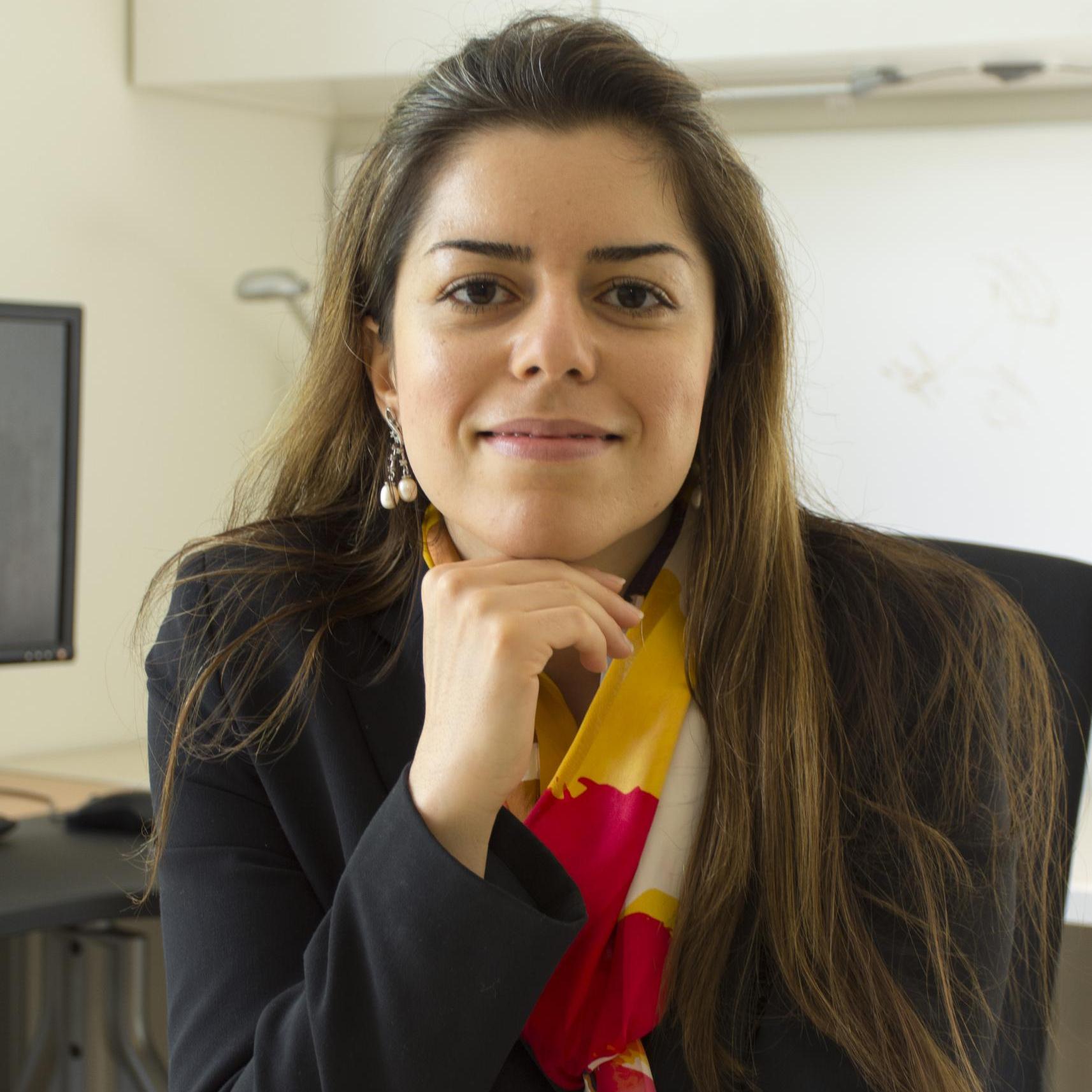
Kim Claes
Pages

Records Management

First Previous
  • First Page 1
  • …
  • Page 129
  • Page 130
  • Current page 131
  • Page 132
  • Page 133
  • …
  • Last Page 135
Next Last
cornell Cornell Human Ecology

Footer

  • For the Media
  • Support CHE
  • Contact + Directions
Follow US
  • Facebook
  • Instagram
  • LinkedIn
  • X
Acknowledgement of
Gayogo̱hó:nǫ' Land
fall scene with trees with yellow leaves and a small waterfall
chefacilities [at] cornell.edu (Martha Van Rensselaer Hall)

Ithaca, NY 14853

(607) 255-2446
  • University
  • Privacy Notice
  • Web Accessibility Assistance
© 2026 College of Human Ecology