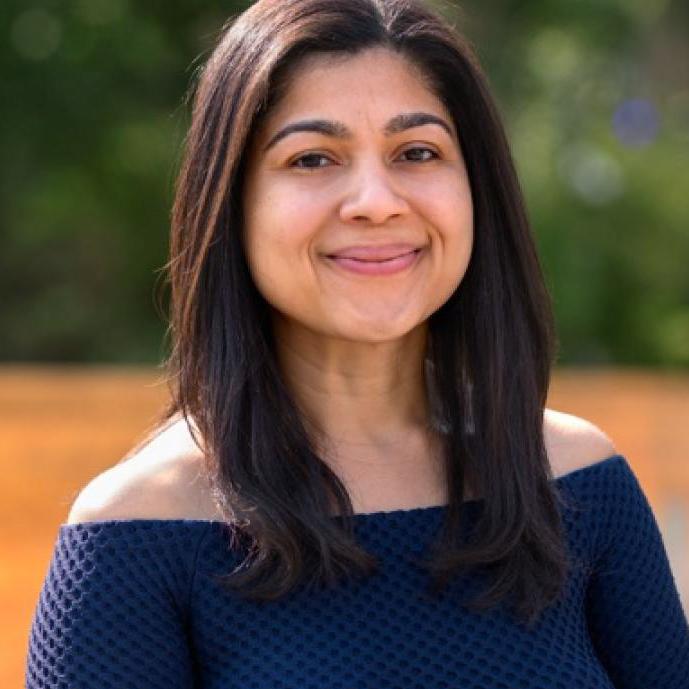
Christina Stark
Prior to retiring in 2019, I was the Program Leader for Cornell NutritionWorks, an online professional development program for nutrition and health practitioners. As Program Leader I oversaw the content and structure of the website, plus developed marketing and evaluation strategies. For 38 years I was responsible for interpreting and communicating research-based information on food and nutrition issues to extension educators, other professionals, consumers, and the media.
My most recent interests focused on providing continuing professional education to
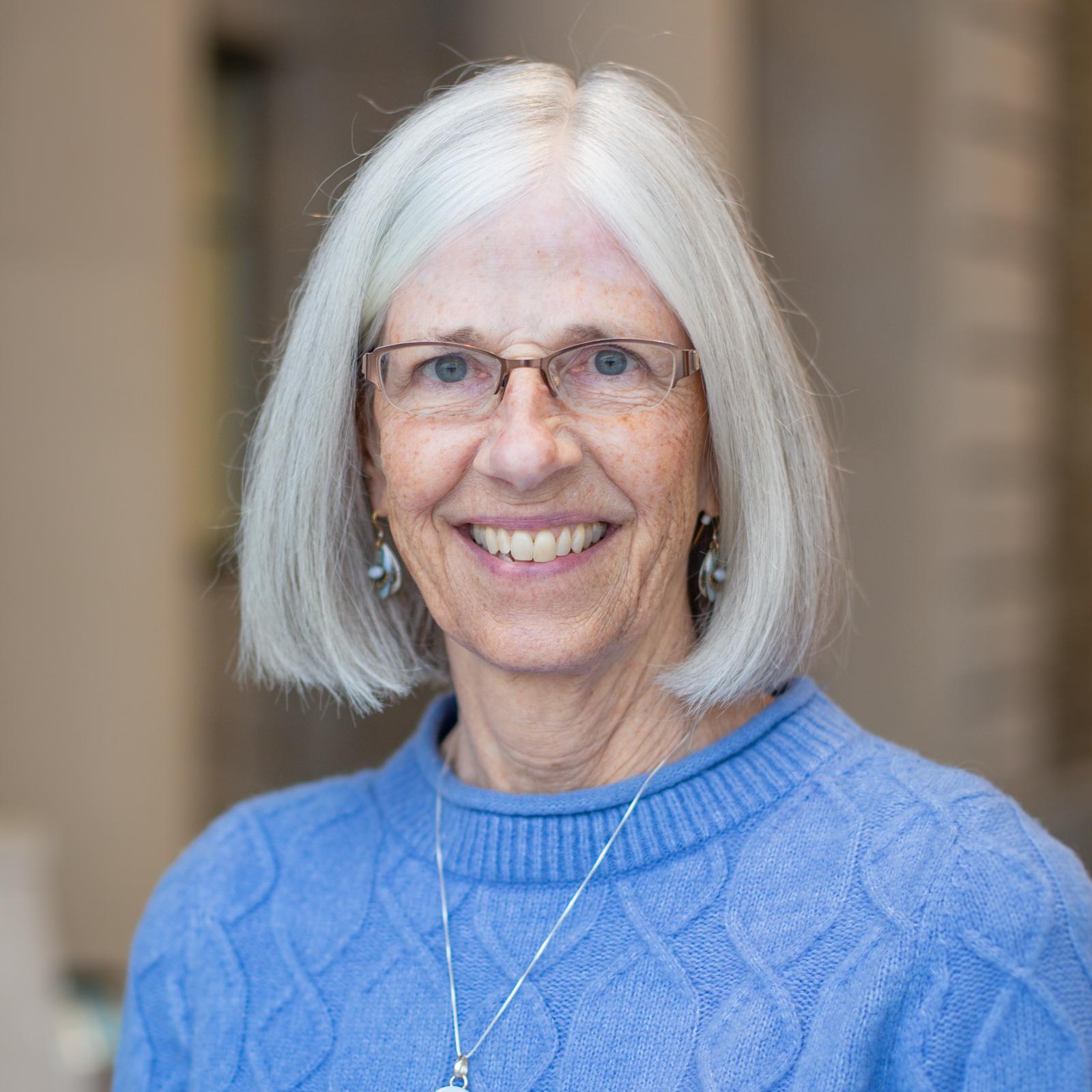
Richard Canfield
My overarching scholarly goals, which are to generate knowledge and understanding of developmental change in perceptual, cognitive, and related neurobehavioral functions during human infancy and early childhood, and to use this knowledge to improve children’s health, well-being, and developmental potential. My work includes studies of normative development and also studies of the impacts of environmental factors that influence developmental processes and outcomes. The environmental factors I have focused on most are prenatal and early postnatal

Eve De Rosa
My work can be best described as comparative cognitive neuroscience, which is characterized by two related approaches. One is a cross-species approach, comparing rat models of the neurochemistry of attention and learning to humans, focusing on the neurochemical acetylcholine. The other is an across the lifespan approach, examining the cholinergic hypothesis of age-related changes in cognition.
We use activity mapping from fMRI data to provide theoretical models that can then be more fully tested
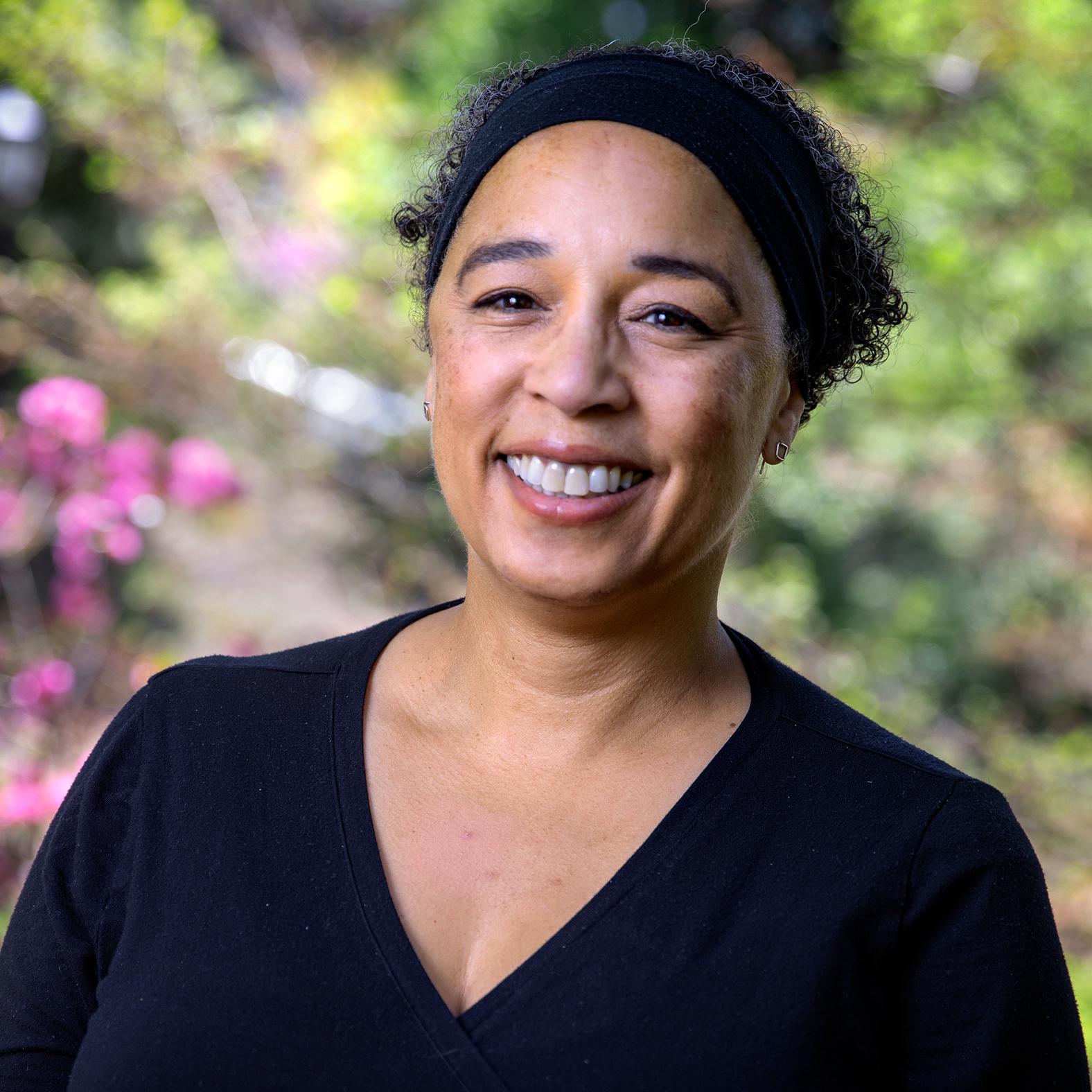
Steven Robertson
Kathleen Rasmussen
Dr. Kathleen M. Rasmussen is the Nancy Schlegel Meinig Professor of Maternal and Child Nutrition in the Division of Nutritional Sciences and International Professor of Nutritional Science at Cornell University. She received her AB degree from Brown University in molecular biology and both her ScM and ScD degrees from Harvard University in nutrition. Professor Rasmussen is internationally known for her research on maternal and child nutrition. Her research has included studies in experimental species, observational
Andre Bensadoun
Dr Bensadoun's professional expertise is in lipid transport and more specifically in the biochemistry, structure and function of lipolytic enzymes(lipoprotein lipase and hepatic lipase) and lipase-binding proteins such as heparan sulfate proteoglycans(syndecans and glypicans) and GPIHBP1 (glycosylphosphatidylinositol anchored HDL binding protein).
Angela Poole
Dr. Angela Poole is an assistant professor of Molecular Nutrition in the Division of Nutritional Sciences. The overarching goal of her research group is to modulate the interactions between host factors, dietary intake, and oral and gut microbes, to prevent and manage diseases. She earned her Bachelor of Science degree in engineering and applied science from Caltech. Afterwards, she was a research associate in a nutrition lab that studied the genetics underlying macronutrient preference using a