1. How does your creative practice inform your work in D2FS?
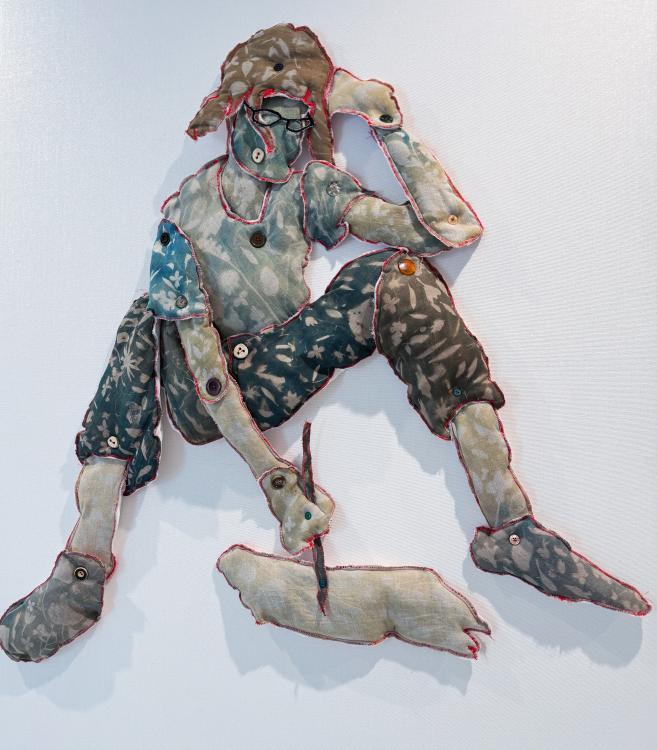
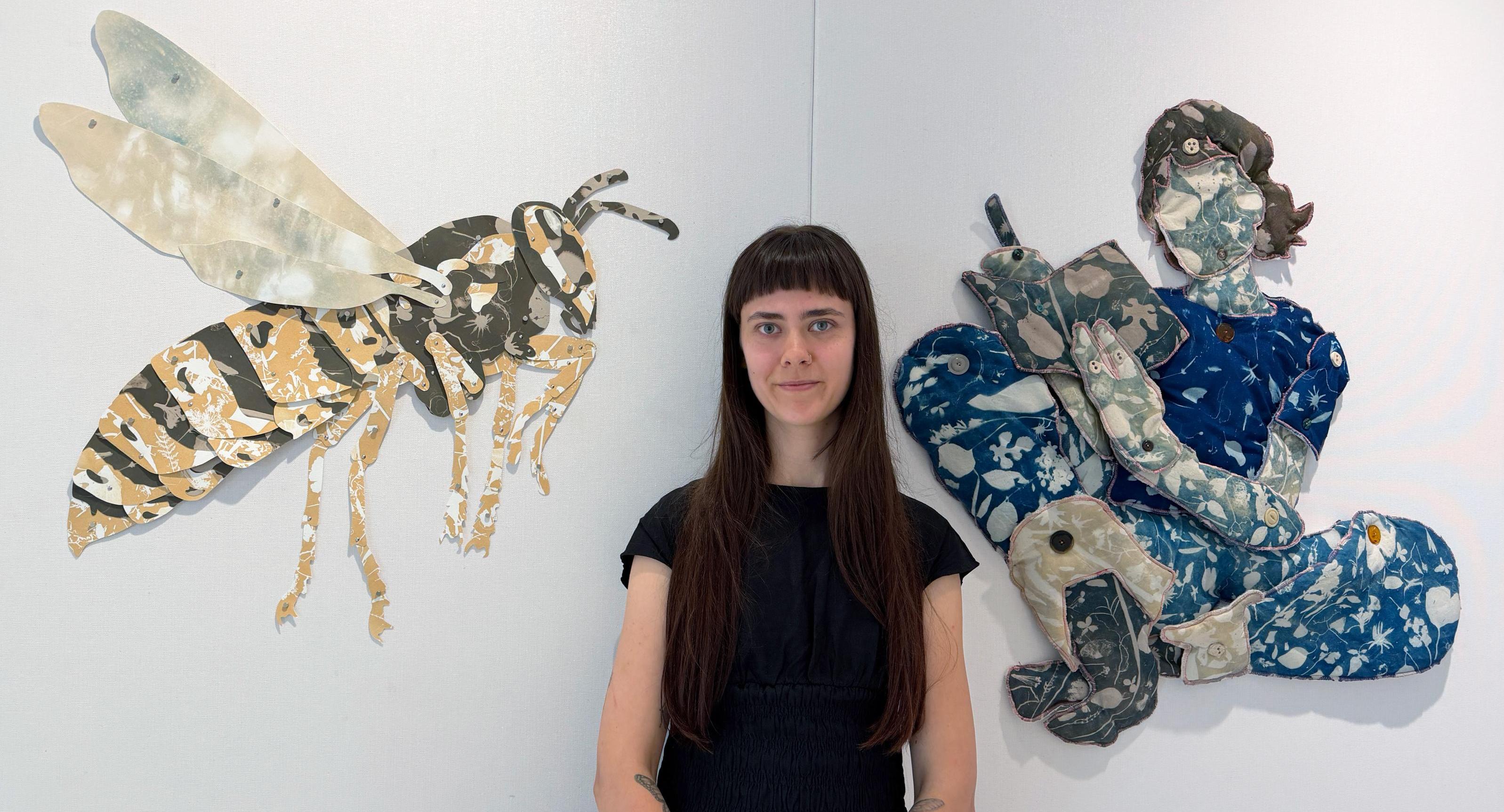
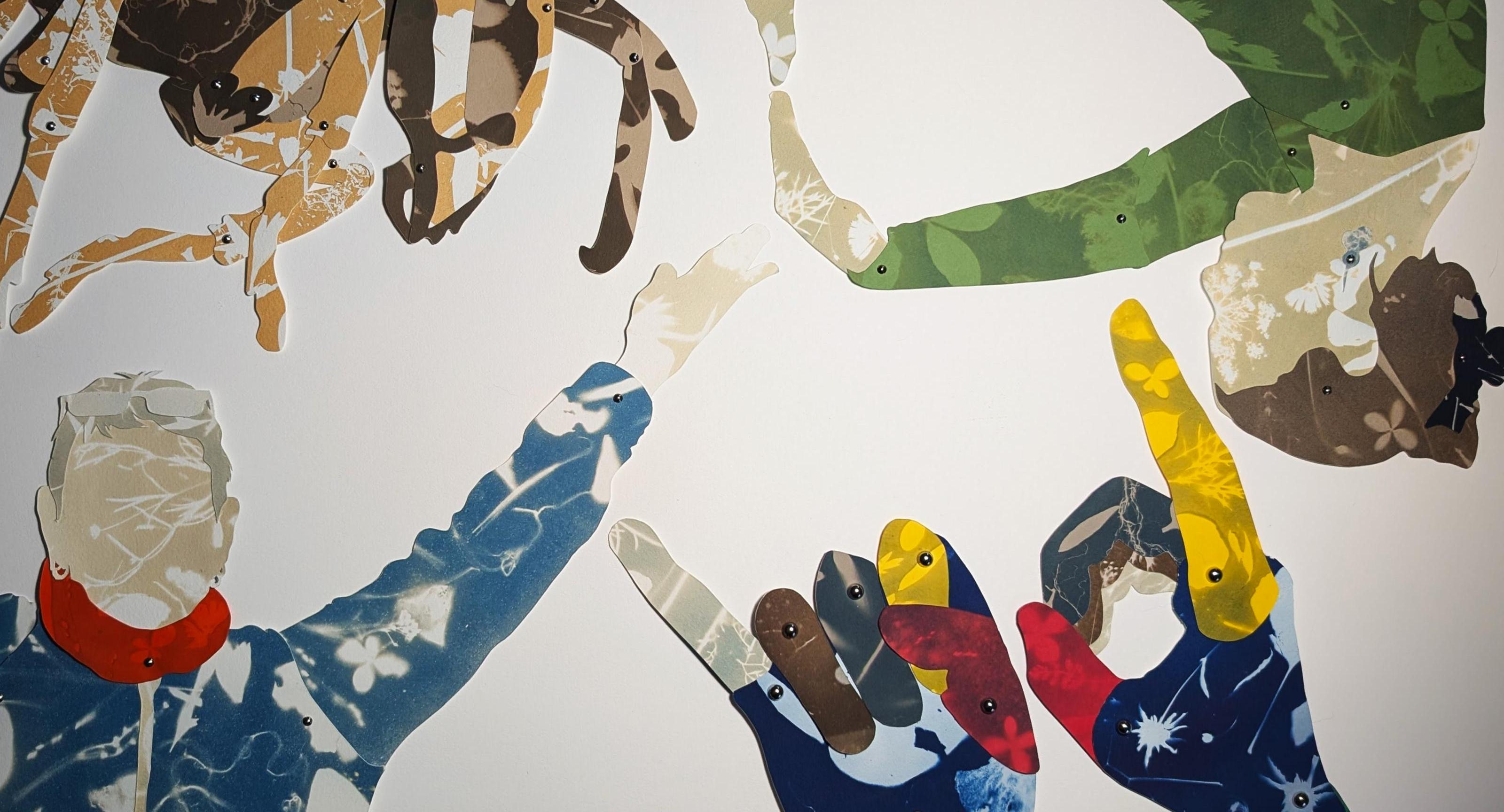
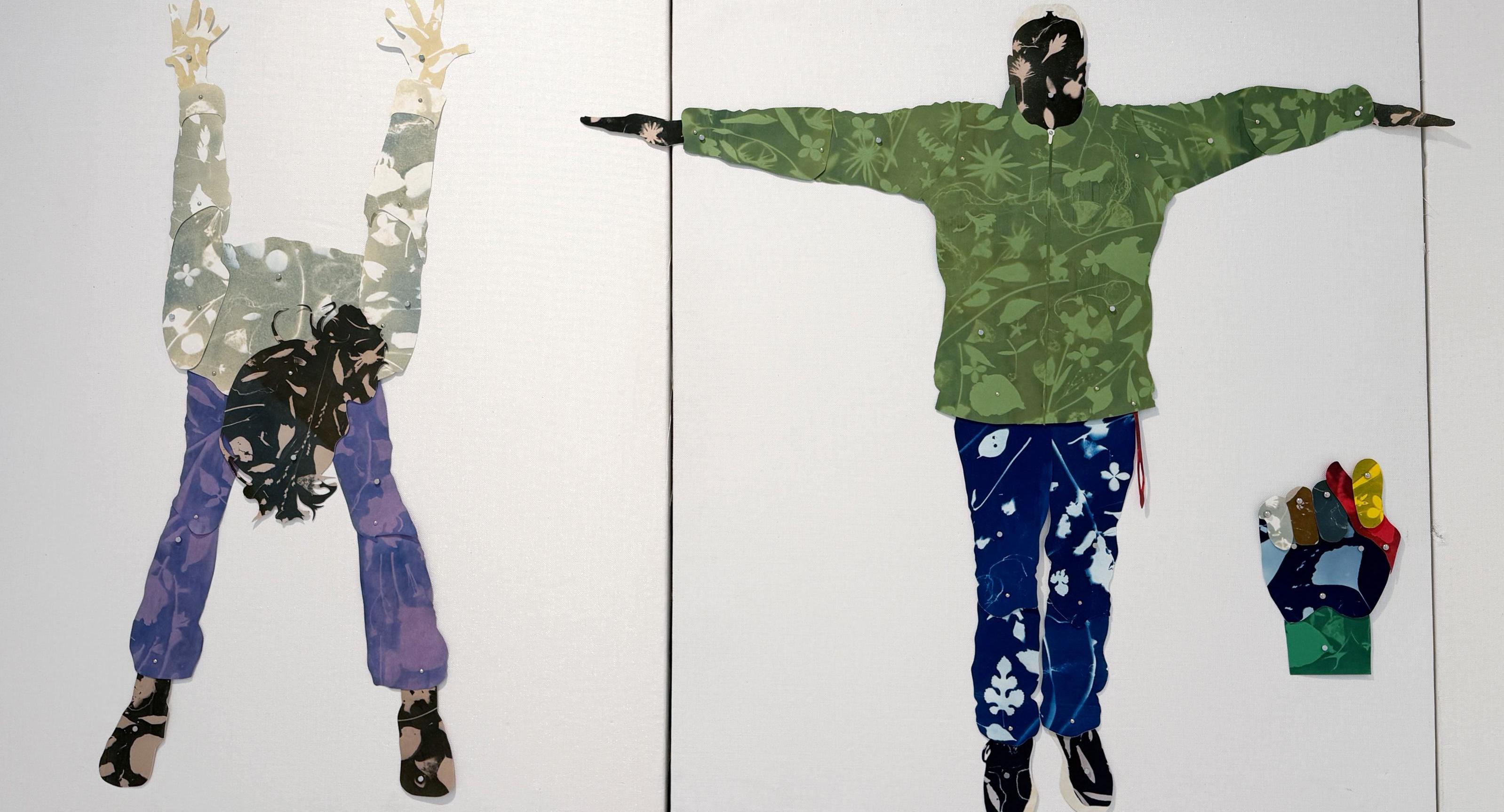
I think it would be difficult to have one without the other. I’m surrounded by innovation each day. I think I’m better at thinking through projects with students because I’m always in a creative mindset. Troubleshooting in my own practice feels like second nature when I've spent my day problem-solving with other people. The students inspire me every day and their drive pushes my creativity.
2. How do you create gallery installations with faculty, staff and students?
The installations were a very attractive piece to this job when I came to work with the D2FS team. I enjoy working with different people and we get to see a project from start to finish.
It usually starts with people bringing us an idea or an already finished project, and then we consider how best to showcase it to the rest of our community. Then there are fine details. For example, if it’s going to be shown in the Jill Stuart Gallery, what do we have to offer? How does the hanging system work? What is the floor plan? Is the display fire code compliant? With those questions answered, I can say to a student: “Yes, you can build that 7-foot wall that wiggles through the gallery. Let’s talk about how to build it.”
3. You mention being a visual learner. How does that impact your work in D2FS?
I’m constantly sketching both in my personal practice or when talking to a student about their work. I think sketching is an important way of communicating. When a student is describing their project, pointing to a sketch often helps something click for the student.
Practically, the shop is a loud place, and we often are wearing ear protection. We rely on demonstrating with our hands, such as holding up a screw to determine the right length for a project.
4. What would you like people to know about D2FS?
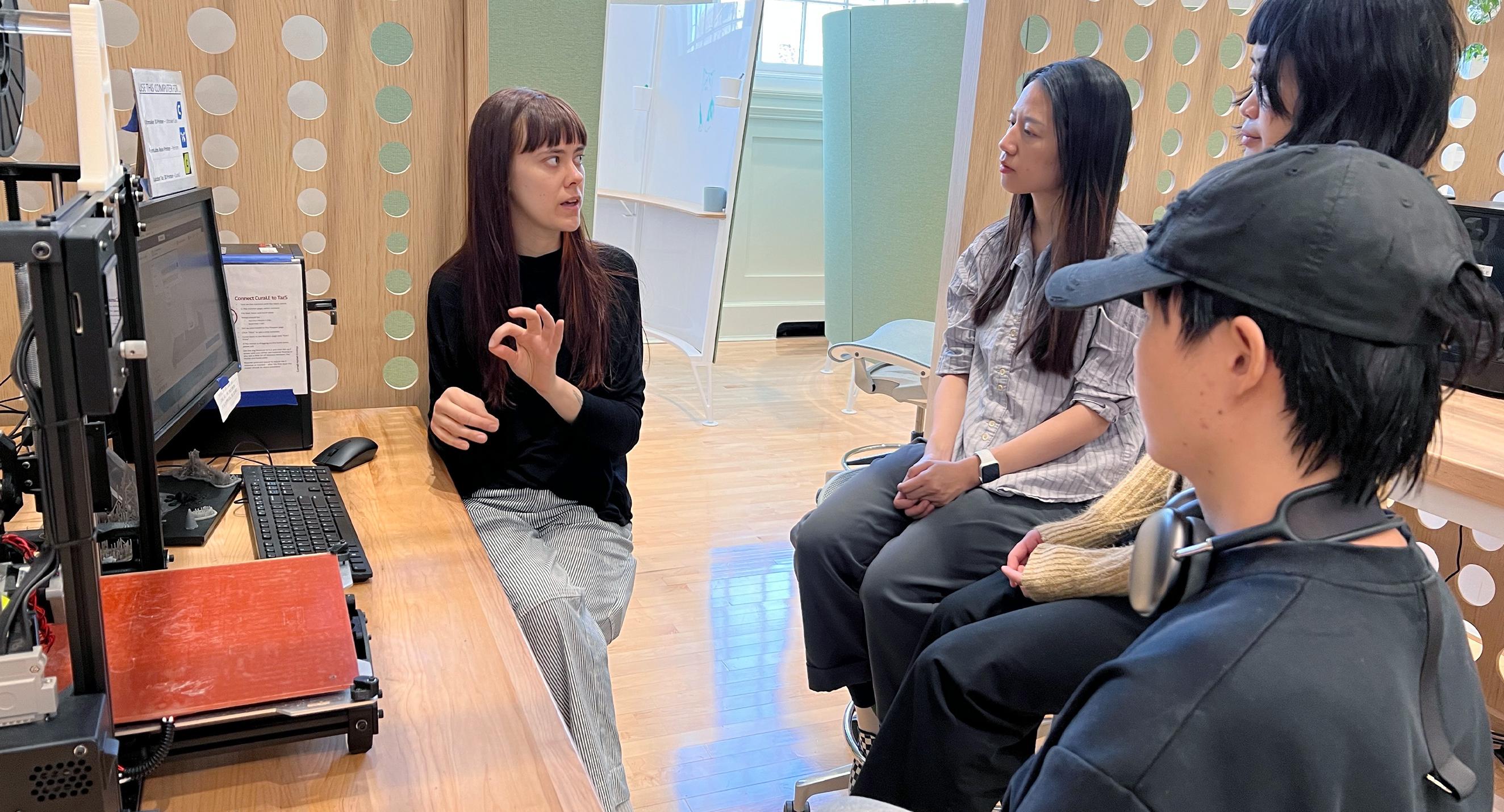
We love having conversations with students, staff and faculty, even if they don’t end up making a project in D2FS. Sometimes a conversation will lead them back to the sewing studio and hand-cutting their fabric because that is the best approach.
Sometimes students will come down to D2FS to grease their scissors or adjust the screw. We are here for any type of support, whether it’s fixing a tool or thinking through a process. We just love to see students' projects in the halls and in the studios and to be in the know.
5. What’s your favorite piece of equipment in D2FS and why?
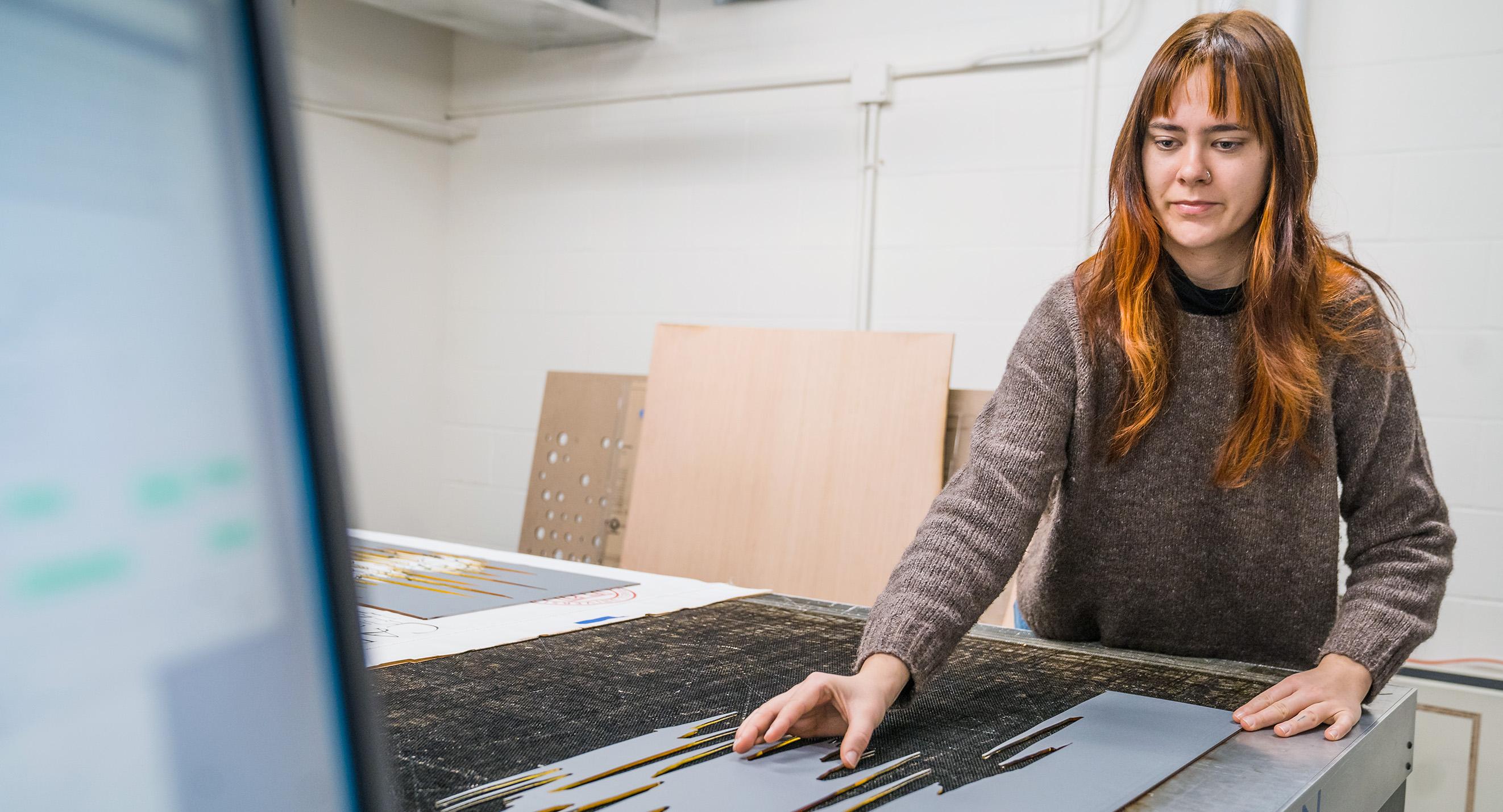
I love the laser cutter. You must design a project in two dimensions and then construct it in 3D. This requires thinking about the joints, whether that is a seam allowance for fabric or a box joint for putting wood together. Students will come to us with a file, and sometimes they are the most bizarre shapes! It may not be until the Cornell Fashion Collective show, when that piece is walking down the runway, that I realize what that funny shape was that I laser-cut.
The laser cutter can accommodate a full four-foot by 8-foot sheet of material. Students are seldom limited in size on that machine, and we see really creative things.