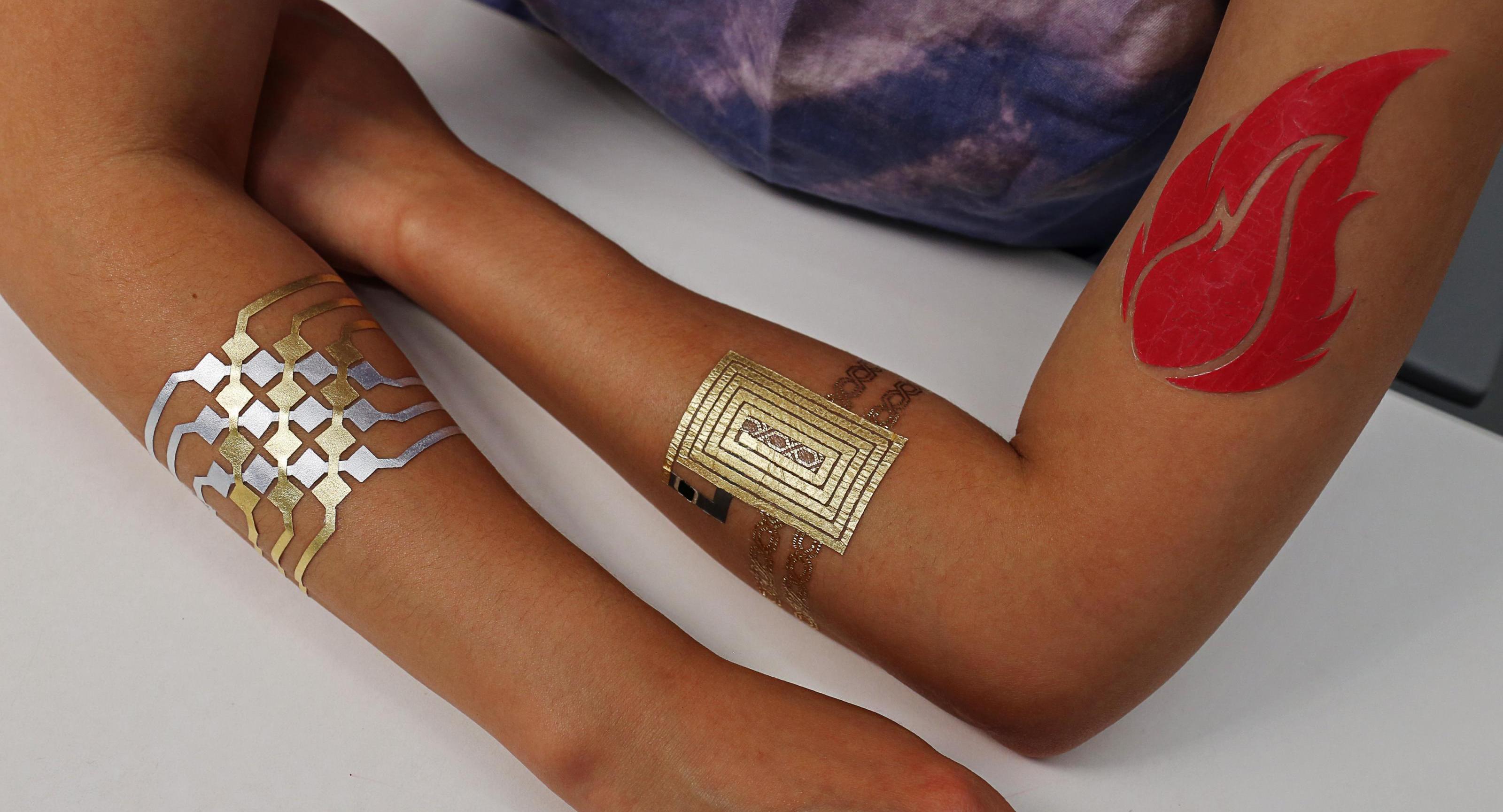
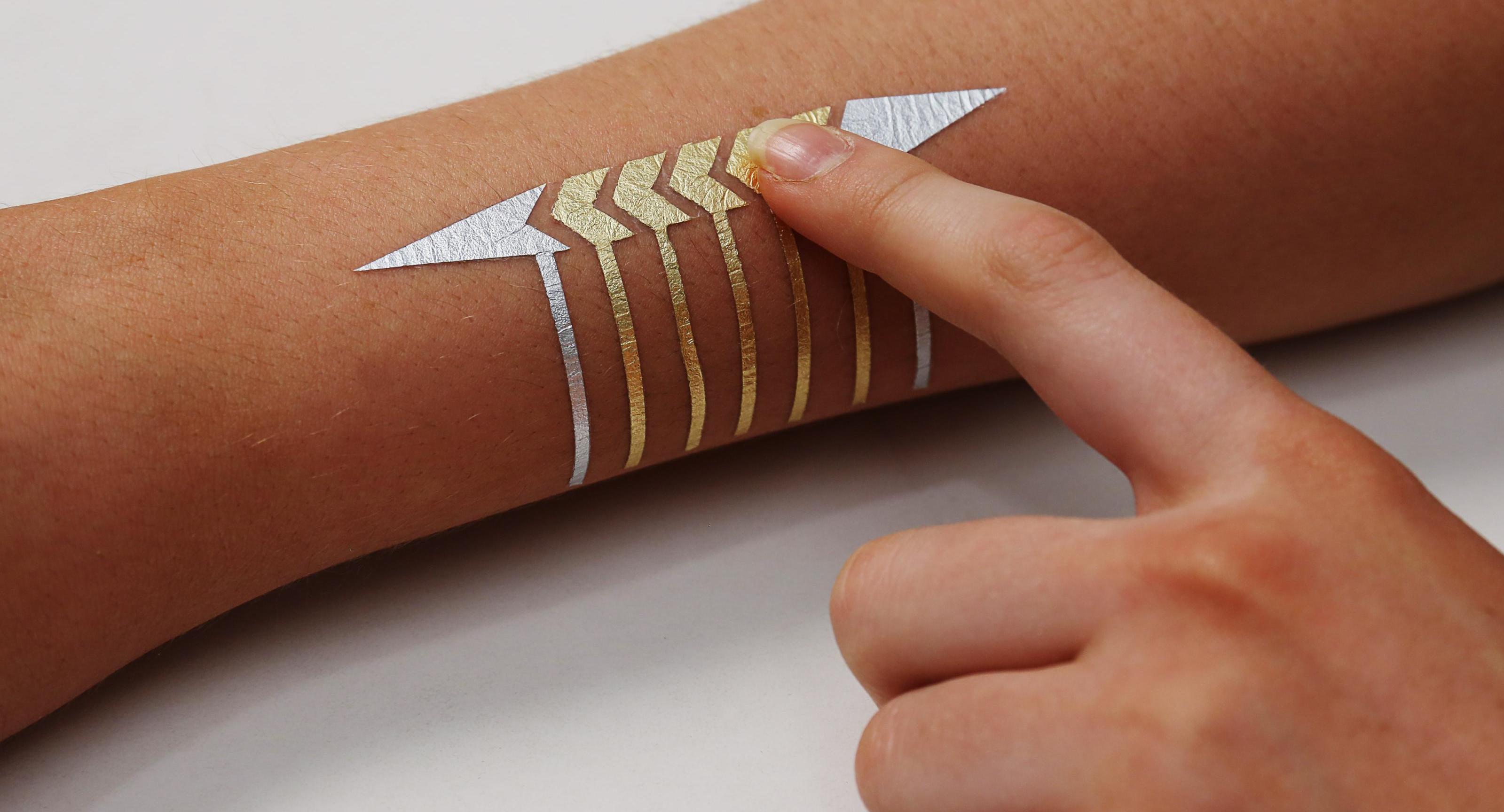
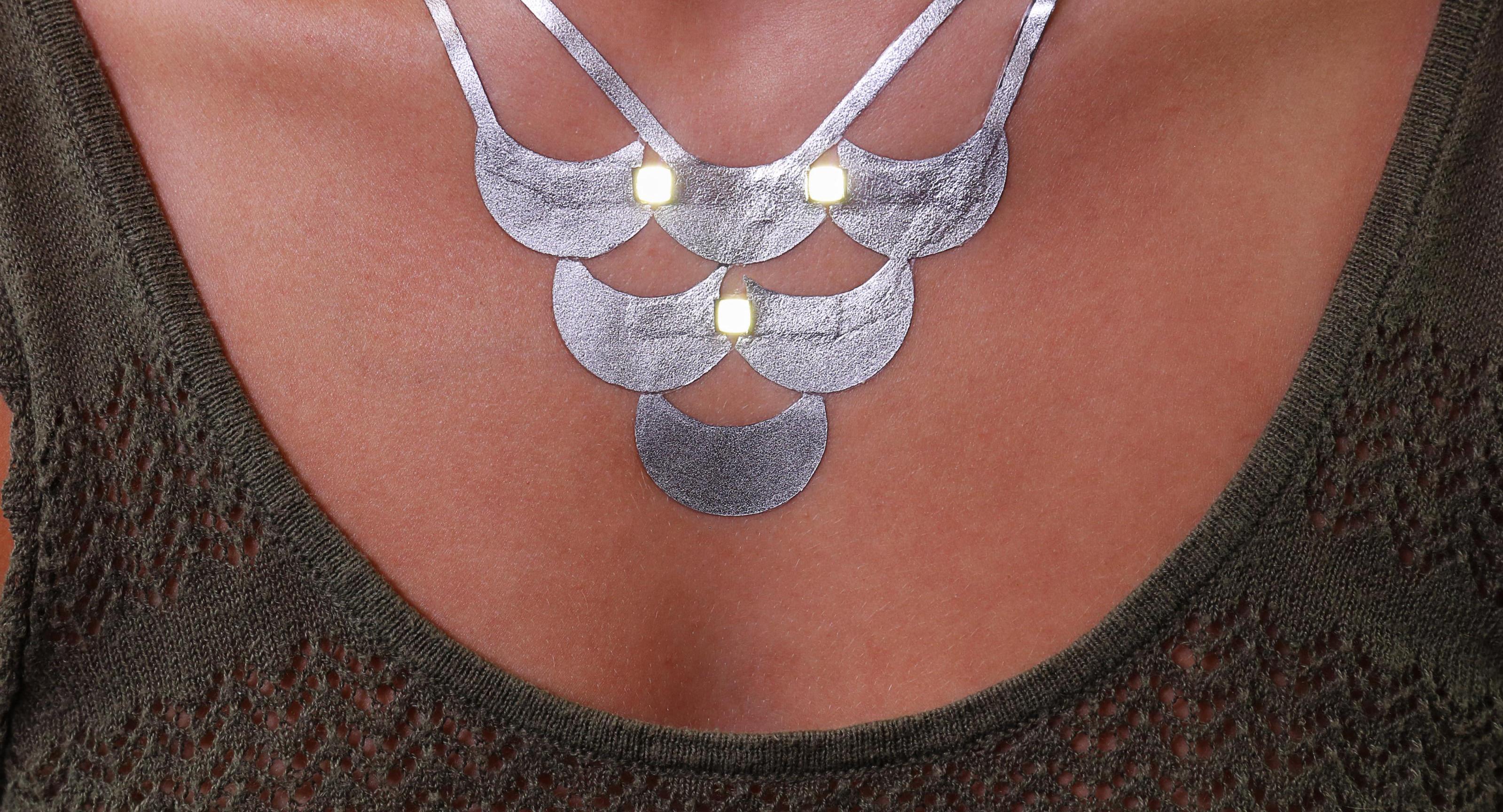
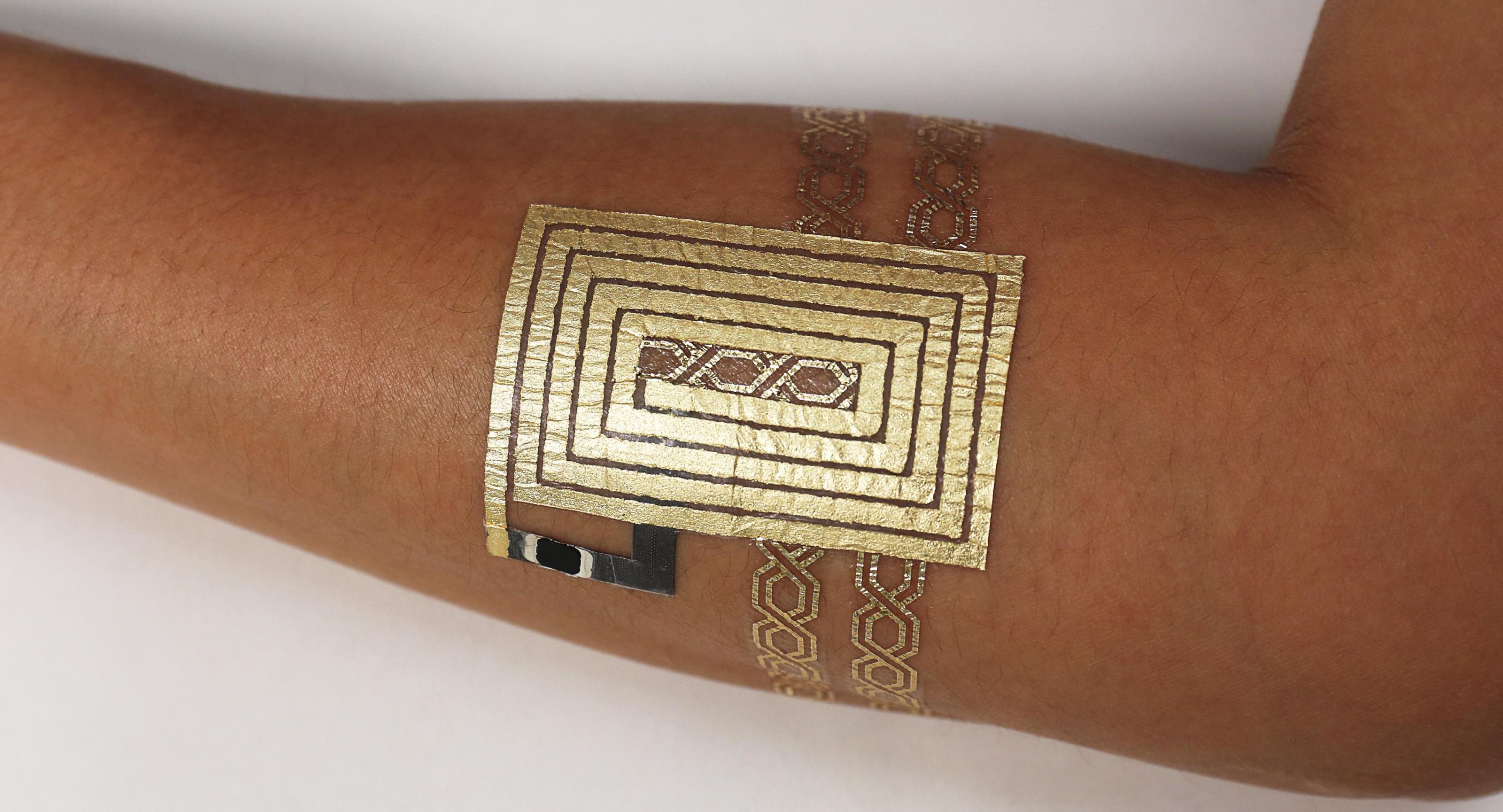
“Publishing this paper was challenging,” Kao said. “Many doubted the value of combining design, aesthetics and technology in on-skin interfaces. Others questioned why we prioritized making fabrication processes affordable and accessible — why was it important for more people to create these devices themselves?”
But she was onto something. DuoSkin was a sensation. Outlets like FORBES, CNN, TIME Magazine, TechCrunch, and the Washington Post covered it. It received a 2017 SXSW Interactive Innovation Award, received honors from Ars Electronica and Fast Company, and was showcased on the New York Fashion Week runway.
Today, research on soft, conformable on-skin interfaces has flourished, with a vibrant community of scholars and practitioners developing user-friendly fabrication approaches, and exploring applications in health, well-being, performance, STEM learning, and beyond.
Kao joined Cornell Human Ecology in 2019 and established the Hybrid Body Lab, an interdisciplinary research group dedicated to integrating design, culture and technology into conformable interfaces. As lab director, she continues to innovate, developing new culturally inspired fabrication approaches, such as those grounded in historical textile practices blended with cutting edge flexible materials, and new experimental approaches for collaborating with artists and makers, to explore how wearables can support individual agency.
“It is rewarding to see a new generation of researchers — including my lab’s Ph.D. graduates and postdocs — now launching their own labs worldwide and advancing this field,” said Kao.
DuoSkin co-authors include Chris Schmandt, Asta Roseway, Christian Holz and Andres Calvo.