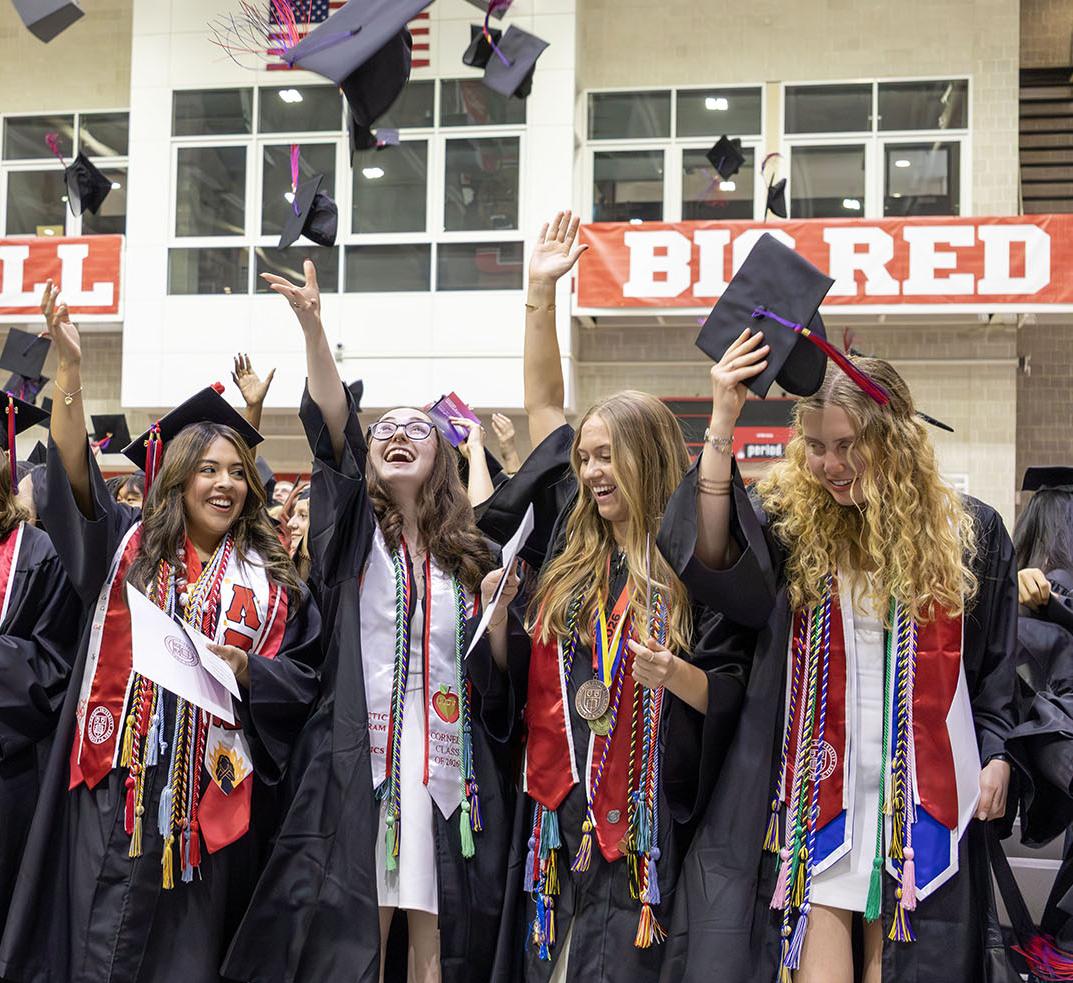
When Cornell launched the To Do the Greatest Good campaign, the university set out to enhance opportunities for students, accelerate groundbreaking research and deepen its impact on communities worldwide. For Cornell Human Ecology (CHE), donors embraced that vision — and helped exceed it.
Over the course of the campaign, CHE raised more than $127 million from 6,584 donors, achieving the highest percentage above its goal of any Cornell college or unit. The five-year university campaign concluded in June after raising more than $6.8 billion and engaging more than 500,000 alumni.
“I appreciate everyone who participated in the campaign and helped us surpass our goals so that we can provide even more life-changing opportunities for our amazing students,” said Rachel Dunifon, Rebecca Q. Morgan and James C. Morgan Dean of the College of Human Ecology.
The generosity of alumni, parents and friends fueled investments across the college, from undergraduate affordability and experiential learning opportunities, to pioneering health research and innovative spaces for collaboration. Together, donors are helping Human Ecology deliver on a central promise: improving human lives through science, design and discovery.
A more affordable Human Ecology experience
For many Human Ecology students, financial support makes attending Cornell possible. During the campaign, the college raised $22 million for affordability initiatives, including undergraduate scholarships, research opportunities, and internship support. These investments help ensure that talented and hardworking students can pursue their education and professional goals, regardless of their financial circumstances.
One of the most meaningful milestones came as part of the college’s Centennial celebration in 2025. The 100 at 100 initiative increased the number of endowed undergraduate scholarships in honor or in memory of women to 100. This initiative honors Human Ecology’s roots as a college founded to expand opportunities for women while creating new pathways for future generations of students.
“I am so proud to be part of ‘100 at 100’ and grateful to those who were inspired to participate,” said Gwen Whiting ’98, one of CHE’s campaign co-chairs. “The number of women who give meaningfully to Cornell is growing fast, and I think it’s important that our impact is visible to inspire and encourage others while honoring the college’s female founding roots.”
Whiting established a $1 million endowed scholarship that will provide full tuition for one undergraduate student in Human Ecology each year. Lois Tukman ’62 and Edward Lee ’03 were also co-chairs, and CHE campaign committee members were Mark DeAngelis ’91, Seth Plattus ’83, Lori Schreiber ’95 and Lisa Rosenberg ’93.
The campaign also supported Cornell’s Undergraduate Affordability Initiative, a university-wide commitment launched in 2021 to ensure that cost is never a barrier to a Cornell education.
Opening doors beyond the classroom
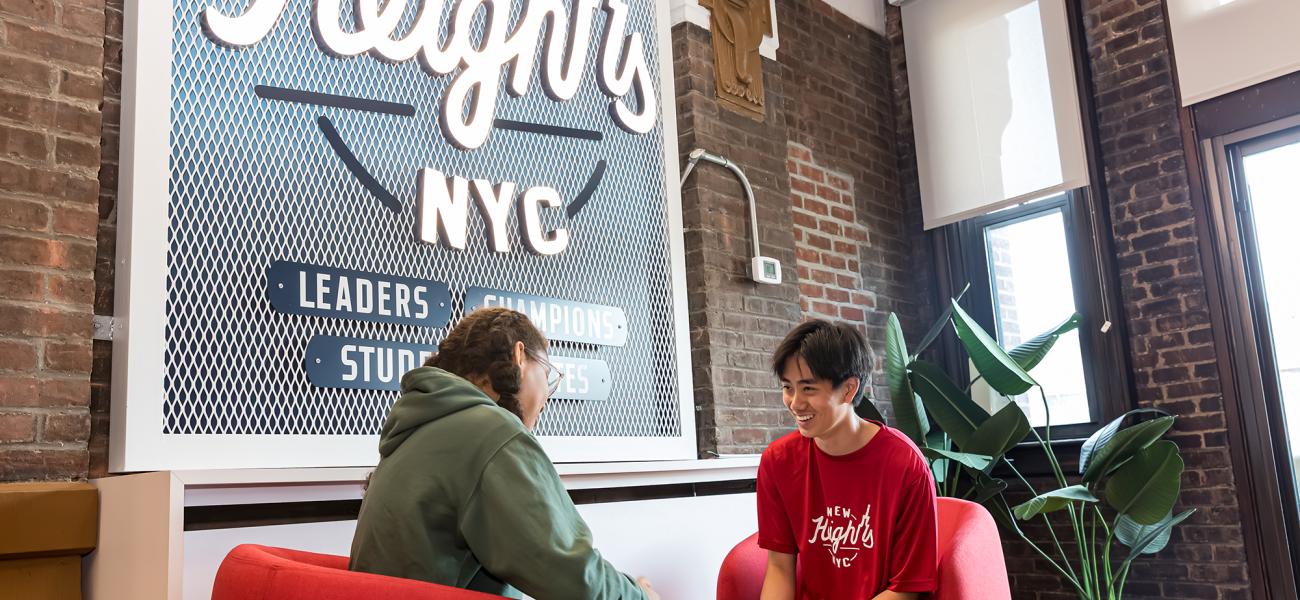
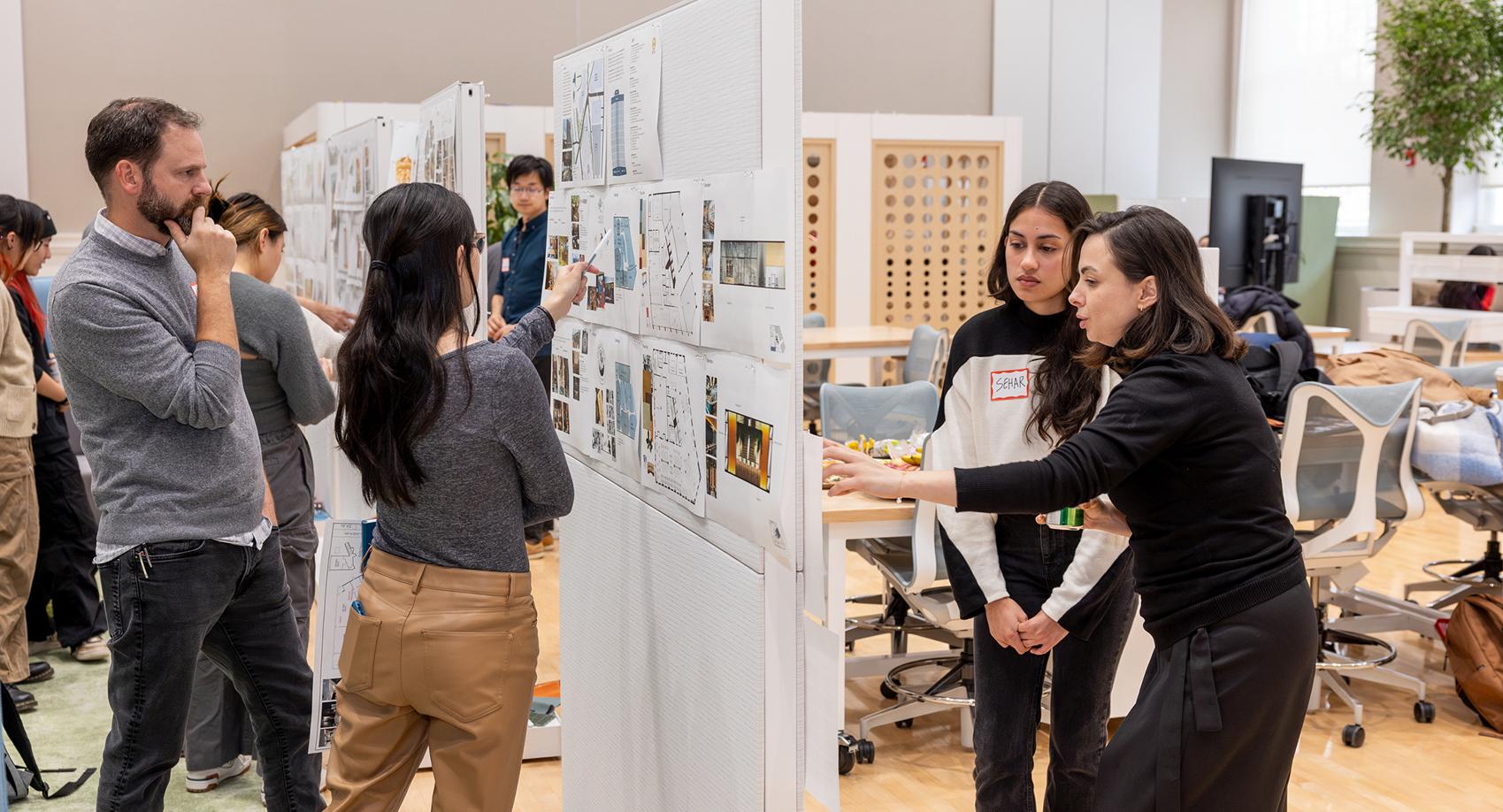
Donor support has enabled Human Ecology to expand transformative experiential learning programs such as the BCTR Scholars program in the Bronfenbrenner Center for Translational Research (BCTR) and the CHE in NYC Summer Internship, which connects students with internships, mentors and alumni in New York City.
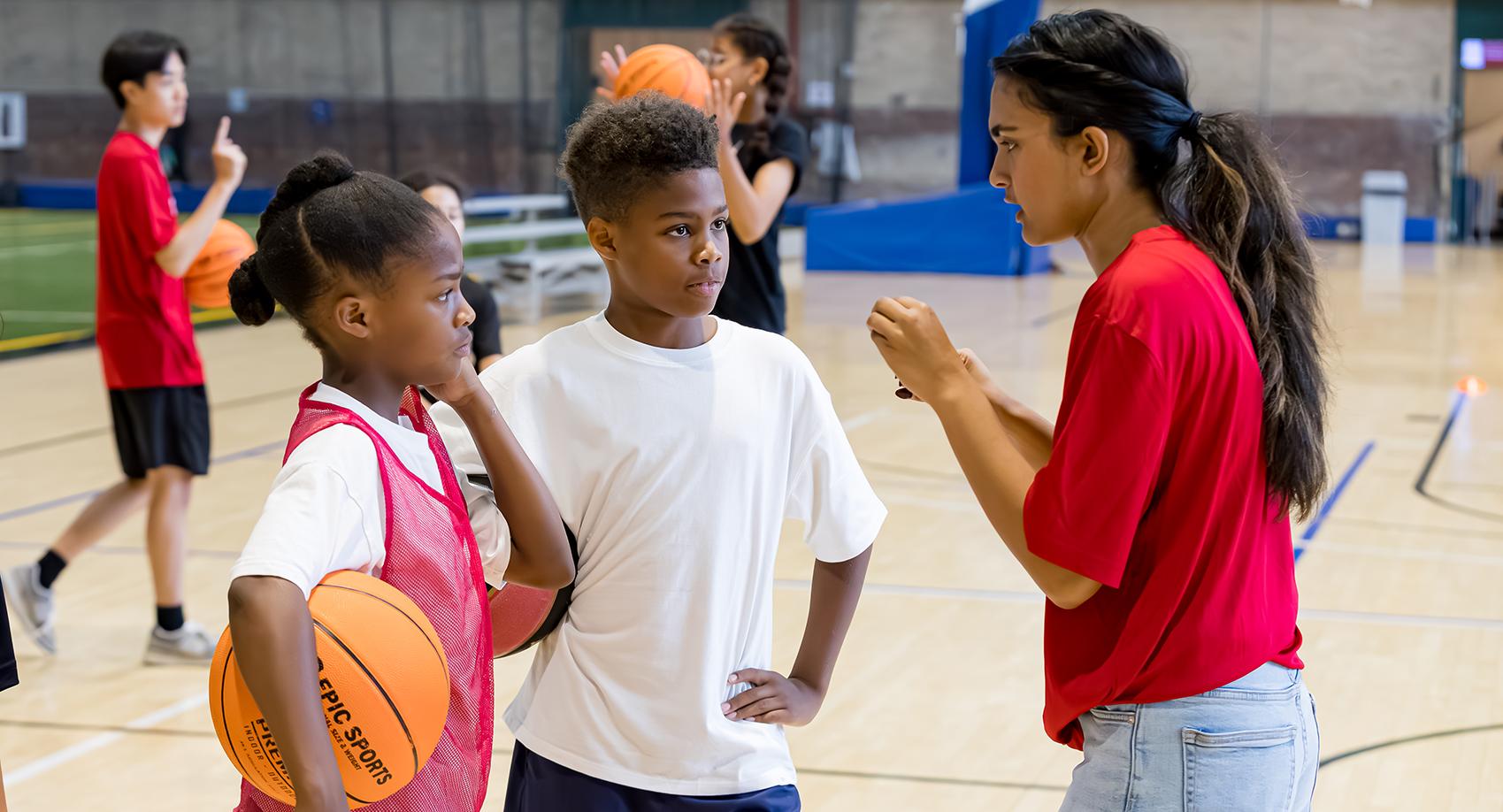
The CHE in NYC Summer Internship launched in 2024 with three students and one community partner. Last summer, 24 students interned at nine community organizations, working in the areas of youth development, community mental health, civic engagement, and healthcare. Students also met with alumni like Matt Gewolb ’04, senior associate dean for academic affairs at New York Law School, and Daniel Kershaw ’78, exhibition design manager at the Metropolitan Museum of Art. Housing support was available at the 92nd Street Y, and all students received a stipend.
“For summer 2026, we tripled the number of sites and students, which underscores the importance of experiential learning opportunities,” said Tashara Leak, associate dean for CHE in NYC. “I’m excited to offer this program where CHE students can get hands-on work experience, professional development, and benefit from the strong Cornell alumni network in New York City.”
For Justin Sacks ’93, supporting student opportunity was deeply personal. After seeing aspiring healthcare professionals struggle to afford summer internships, he and his wife, Bethany, established a Summer Pre-Health Internship Fund.
“A lot of young people don’t necessarily know what the next steps are in medicine at the undergraduate level,” Sacks said. “Connecting them with good mentors can literally change their life. Maybe the intern decides to go to medical school, gets grants in research and winds up all those years later giving back in the same way. That’s a legacy!”